אֲנִי וְעַצְמִי
יצירתיות ויזמות
מה אפשר לעשות עם זה? איך אפשר לפתור את זה? חשיבה יצירתית משפיעה על האופן שבו אנו פותרים בעיות בחיי היום יום , ועל האופן שבו אנו מתמודדים עם אתגרים, מגיבים לכישלון ומפתחים גמישות מחשבה. קריאה משותפת של סיפורים בנושא יכולה לעודד יצירתיות ויזמות, ולעורר השראה להמציא, לפעול ולמצוא בכל התנסות חדשה - הזדמנות לגילוי.
סְּפָרִים
Book-Related Family Activities
Thinking Like Micha Ullman
You can ask your children to spread their fingers and look through the spaces between them and then ask them: What can you see in the space between your fingers? Can you imagine that what you see is different than what is actually there? Can you give an example? Have you ever looked at anything – such as the various shapes of clouds, holes in the ground or puddles – and turned it into something else in your mind?
A Game of Lights and Shadows
You can also create lights and shadows. Look for a sun-filled spot, and place various objects there, such as leaves or small toys. You can draw the outlines of their shadows and draw something inside them, or turn their shadows into various things. The shadow of a leaf, for instance, can become a drawing of a dragon.
“It All Begins with a Few Blocks”
Encouraging creative thinking: You can pick up a few stones together, look at them, and imagine what they can become. Next, you can take turns arranging them in any way you like, and use them to create something new
What Things can Become
This book can inspire you to look into the fundamentals that make up the things you know. Pick any object, for instance – a shirt, and research it: What is it made of? (Fabric) And what is that fabric made of? (Cotton), to discover that a cotton wad can be turned into a shirt!
Inspiration
Arts & crafts, inspiration, and other surprises are waiting for you on the Sifriyat Pijama Pinterest page.
We All Have Inventions
You can discuss and ask: Do you also want to become an inventor? What would you like to invent? Have you ever come across a problem or a need and thought of an invention that can help?
Making a Family Comic Strip
This book can inspire you to create your own family comic strip. Imagine some amusing characters, and try to draw them while adding short sentences. What are your characters saying? What sort of interesting story can they tell?
From the Book to Real Life
You can look around you and identify which of the inventions in this book are in your life. Perhaps the drip irrigation in your backyard? Or the cherry tomato salad at dinnertime? How about the game of Taki you enjoy playing? Next, you can write a thank you note to the inventor of that particular invention, and tell him or her how useful it is to you.
Our Home
You can also think about challenges in your daily lives with your family, and build an imaginary machine that can help deal with them using household items. A shoebox and old handle, for example, can turn into a laundry-folding machine, while a toilet-paper roll can become an innovative gardening tool.
Arts & crafts, inspirations, and other surprises can be found on the Sifriyat Pijama Pinterest page
Discussion – At times like Donkey, other times like Rabbit
We all have a dreaming side and a practical side. You can recall some memories and share: When have you ever behaved like Rabbit? Or like Donkey? Have you ever imagined or dreamt of something and then taken steps to make your dream come true? Have you ever joined a friend in making someone happy, or creating something together?
And how would you make Elephant happy?
Imagine your very own dream celebration: What would you like to have? A cake made of clouds? Perhaps a performance by singing animals? Now, try to be more practical, and use the things around you: How about making a crown out of pegs? Or a present out of plasticine?
Taking a close look at the illustrations
You can look for the snail hiding in the illustrations together. It’s a great way to learn to pay attention to details.
A Rhyme
Rabbit writes a poem for his friend Elephant. You can let it inspire you to write your own delightful rhyme and gift it to a beloved friend or relative.
QR code
Scan the code to listen to the amusing birthday episode of Didi and Yarden’s podcast.
טיפ לקריאה משפחתית
ספר הוא כמו חבר מוכר ואהוב. ההכרות עם הסיפור באמצעות קריאה חוזרת מעצימה את הפעוטות ומעניקה להם תחושת בטחון והתלהבות. כדאי לחשוף את הפעוטות לספרים חדשים, ויחד עם זאת לחזור ולהקריא שוב את הסיפור המוכר והאהוב.

איורים והכרת מילים
האיורים הצבעוניים בספר מציגים את הרעיונות של אלדד הגמד באופן ממוקד ובלי פרטים נוספים סביב. כך יכולים הפעוטות להבין טוב יותר מושגים כמו “לפרוס מפה” או “לצנוח במצנח”. תוכלו להשתהות בכל עמוד, להצביע יחד על האיורים ולשוחח – מה עושה הגמד עם העלה עכשיו?
חקר עלים
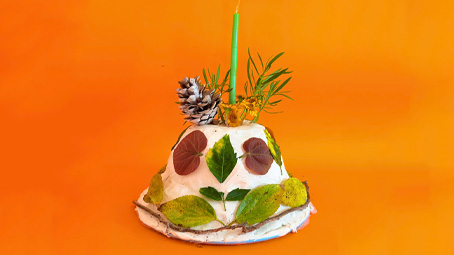
תוכלו לחפש עלים שונים בדרך למעון או לגינה ולבחון יחד: באיזה צבע העלים? מי מהם הכי גדול? ומי הכי קטן? איזה מרקם יש להם? אִספו כמה עלים ובִדקו אותם לאחר מספר ימים – האם הם נראים אותו הדבר? מה השתנה?
מעודדים יצירתיות
גם אתם יכולים להמציא רעיונות חדשים ויצירתיים, להפליג יחד בדמיון ולהשתעשע; כך למשל תוכלו להניח עלה על הראש ולומר – “העלה יכול להיות כובע!” תוכלו להמשיך את המשחק עם חפצים נוספים בכל זמן ובכל מקום.
על הספר
אלדד הגמד מוצא עלה, מסתקרן, וחוקר אילו שימושים יכולים להיות לו. בעבור פעוטות כל דבר בסביבה יכול להיות חדש ומרגש, אפילו עלה קטן. הם נהנים להתבונן, לגעת וללמוד דרך החושים וההתנסות.
קריאת הספר במעון
לפני ההקראה
תוכלו להציג לפעוטות את כריכת הספר, לומר את שמו ולשאול: “מה אתם רואים כאן? מעניין על מה הסיפור”.
ההקראה
בכל עמוד שתקראו אפשר לעצור, להציג את האיור ולהגיד: “בואו נסתכל – מה אלדד עושה עם העלה עכשיו?”
אחרי ההקראה
תוכלו להביא עלה אמיתי ולנסות לשחזר בעזרת האיורים את השימושים השונים שאלדד הגמד מצא לו: “בואו ננסה להפוך את העלה למטרייה, נשים אותו על הראש כמו שאלדד עושה”.
נסו להדגיש למה העלה משמש: “תראו, יורד גשם! העלה שומר על אלדד של יירטב, ממש כמו מטרייה”.
אוספים עלים
– הזמינו את ההורים לאסוף עם הפעוטות עלים בדרך למעון. את העלים תוכלו להראות במפגש ולהשתמש בהם לפעילויות.
– אחרי שהספר יגיע הביתה תוכלו לבקש מההורים לשלוח תמונות של שימושים שונים שמצאו לעלה בבית.
ומה עוד אפשר לעשות עם עלה?
תוכלו לחפש יחד עלים בחצר, ולדמיין – מה עוד אפשר לעשות בעלה? אולי להניח על האף ולהפוך אותו לחדק של פיל? ואולי להניח על האוזן ו”לדבר בטלפון”? הזמינו את הפעוטות לסובב ולהניח את העלים באופנים שונים, ולהמציא כל שימוש העולה בדעתם.
חוקרים עלים שונים
אפשר לאסוף עלים מסוגים שונים להתבונן, למשש ולהרגיש בידיים.
בחנו יחד: איזה מרקם יש להם? איזה צבע? איזו צורה? האם הם משמיעים צליל פצפוץ? האם יש להם ריח? איך הם נראים אחרי כמה ימים בתוך מים? ואיך הם נראים אחרי כמה ימים בשמש?
טועמים עלים
תוכלו להכיר ולטעום עלה חסה, פטרוזיליה, גפן ועוד. אפשר גם לשתות חליטת עלים חמימה ומשמחת.
שילוב הספר בחיי היום-יום במעון
מה אפשר לעשות בכף? ומה בדלי? או בקופסה? אפשר להזכיר את הספר כשרוצים לעודד חשיבה יצירתית, משחק בדמיון וביטוי אישי, ולשאול בנוגע לחפצים שונים בכיתת המעון או בחצר.
גם בשיר!
בסריקת הקוד תמצאו גרסה מולחנת של הספר. כדאי להשמיע אותה לפעוטות לאחר כמה קריאות.
Family reading advice
When children first learn to read, they put tremendous effort into following the sequence of letters and flow of words. When they listen to adults — who are close to them — read to them, they can free themselves of the effort, and indulge in imagining the story or discovering new things about the book. It is, of course, recommended that children be encouraged to read on their own, but, at the same time, you should also keep reading together.
Discussion – Learning from experience
Have you ever tried building or planning something that didn’t quite come out the way you intended? How do we feel when things don’t come out quite the way we planned? What can help us in such cases? You can share with your children your own experiences when things didn’t quite go as planned, and what heled you cope.
QR code
Listen to this episode called A Great Idea, which is part of a podcast called Yarden and Didi in Pajamas in partnership with Kan Podcasts, Keren Grinspoon Israel and the Israeli Ministry of Education.
Building together
What happens when we plan first and then build? Or when we build without planning? You can try it both ways using items you have collected, Lego pieces, or anything else you have at home, and see how you feel and what the result is each time.
Drawing from our imagination
You can play an imagination drawing game. Take turns describing to the rest of your family as follows: In my imagination I see something that does… It has a… and it’s the color of… – while the rest of your family follows your description and draws it on paper. What does each drawing look like? How fascinating!
Here we go!
It feels good to successfully do something for the first time – reading, writing, and what else? You could discuss memories of “firsts” – theirs or yours – together with your child: scoring a goal, riding a bike, swimming, or solving a riddle. And what else?
Words in illustrations
This book can be read using the illustrations too. You could look for words in them, and try to read them with your child while identifying letters and discovering interesting details added by the illustrator.
Words words
The world is full of words – perhaps you can choose a definition from the book and make a list of words for it: funny words, dancing words, mischievous words, or blossoming words. Words as long as a giraffe, or short ones. Or you may want to make a list of your favorite words.
Family reading advice
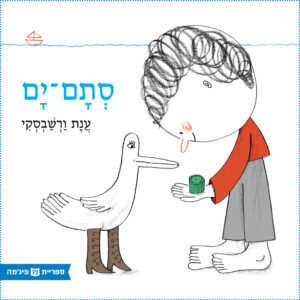
A book can convey an idea in just a few words. In such a book, the illustrations are a window enabling observations and discussions about the world of children. Through them, we can discover how imagination and creative thinking can turn seemingly worthless things into valuable ones. You should take a close look at the illustrations and what they tell us and ask: Is a bottle cap that does not fit any bottle qualify as garbage? What else can pipes be used for?
What does stam (“just” or “nothing much”) mean?
You can discuss and ask: What do we do at home that qualifies as stam (nothing much)? What does stam (“just” or “nothing much”) even mean? Do we enjoy things that we do stam? How about we do something stam together right now?
How does a hoop turn into a hot air balloon?
And how can we encourage creative thinking? Scan the code and watch some creative ideas.
Stam (“just”) objects
Just like in the video, you too can look for an item and invent a new use for it: What can you do with “just” a bottle? And how can you play with “just” a paper roll?
Shapes in the sand
Following the arts & crafts in this book, you too can go outside and check: What do you see when you make a shoe imprint in the sand? Or an imprint of your hand? Or a leaf? And what can you draw in the sand using a stick?
More arts & crafts and other activities can be found on the Sifriyat Pijama Pinterest page
Close to home, dear to our heart
What is your favorite place? Is it at home? Is it nearby? Or is it far away from home? You can share with one another: What is your special place, what do you like about it, and what is special about it.
The grace of a place
You can find good things everywhere; every place has some beauty. Take turns choosing a place, whether near or far, in Israel or elsewhere, real or imaginary, and have the other participants ask questions about it to discover what makes it so wonderful.
A good station
How can a bus station make people happy? Scan the QR code and watch the schoolchildren’s heartwarming initiative in Jerusalem.
In our environment
What is happening near your home? Go on a short walk outside, and try to discover how you can do good in your own surroundings: How about picking up litter and placing it in the recycling bin? Or offering people waiting at the bus station a drink of water? Or setting up a library on your street with your neighbors?
Family reading advice
Illustrations allow young readers to be exposed to art, and get to know new worlds that enhance the written story. At times illustrations tell another or different story than the one told in words. While reading this book, we recommend looking at the illustrations together, take a break in the reading, take another look at the illustrations, and allow the children to find special details that speak to them.
Caring and trying
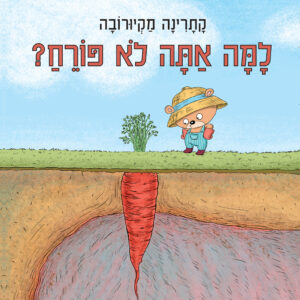
Bear is trying to help his plant. He wants to take care of it. You can discuss and share – who is it that you care about? And who do you take care of? A pet? A toy? A beloved plant or perhaps a younger sibling? – How do you care for them? Have you ever tried to care for someone or something that didn’t work as planned, but things worked out in a way that you did not expect?
What illustrations tell us
What is happening to the bunnies? The amusing illustrations in this book describe an entire underground world. Together, you can look at the illustrations and tell one another what the bunnies are doing. When are they happy, sad, full or busy?
What can we see from here? And from there?
What can we see when we are sitting on the couch? And when we are standing in the center of the room? Or crawling under the table? Take turns as each family member picks a location from which to look at the room: What has caught their attention? Do they see details that others don’t see?
QR code – What can we do with a carrot?
Would you like to prepare a carrot for planting and eating? Scan the QR code to discover what can become of a small piece of carrot.
A little advice for family reading
To make family reading enjoyable, and encourage children to read, we should choose books to which children relate and explore topics in which they are interested. Some prefer a piece of fiction, while others would want to read a story that “once was”. Whatever their favorite book may be, it would encourage them to enjoy books, while helping them to develop their imagination and creativity.
A discussion on belongings and memories
You too could look for items that remind you of past experiences: A family photo, gift you have received, or item associated with an experience you have had. Take turns introducing the object of your choice and sharing a memory relating to it.
Listening to the story
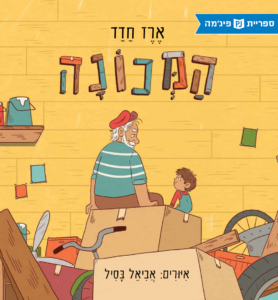
What does Grandpa sound like? Does the machine make sounds? By scanning the QR code you too can listen to the story together or separately.
Building something
Are you interested in making a machine of your own? You can gather some boxes, fabrics, crates and old toys to build your very own machine. You can plan what it would do and look like together, or simply build it and discover its attributes as you go along.
Illustrations – Where are the machines?
Many of the illustrations in this book depict machines. Perhaps you would enjoy leafing through them and finding illustrations of machines and machine parts – Can you tell what each of them does? Perhaps you could be inspired by the part you found to invent a new machine, and imagine what it is capable of doing.
Pinterest
Arts & crafts, songs and other activities are available on the Sifriyat Pijama Pinterest page
A Discussion on problem-solving
What can we do when we encounter a problem? You may want to share incidents with your children in which you, parents, have encountered a problem. Try to think back to how you felt, think of possible solutions together, and then tell them how you solved the problem.
What can we do with…?
A hoop can be a steering wheel, a plate or… Scan the QR code and watch a video about creativity? Later, you can continue to think about – What can we do with a paper roll? A kerchief? A dwarf puppet?
Singing together
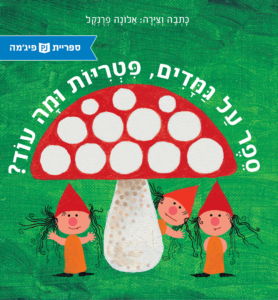
The dwarves planted mushrooms and sang “all the songs they knew”. You too can sing your favorite songs together. Perhaps you’ll sing about dwarves, or rain, or songs that cheer you up and make you smile.
A Game of “Which Dwarf am I?”
Take turns pretending to be one of the dwarves that appear in this book: The one with the umbrella, the one planting a mushroom, or the one jumping into puddles. The other players will try to guess what the dwarf is doing and find it in the book.
Pleased to meet you, I’m Hyla!
I’m similar to a frog but smaller. I can be found in Israel, mostly on trees, eating insects and laying eggs in water. I am a protected species and therefore cannot be kept in a jar – only in nature.
Reading together
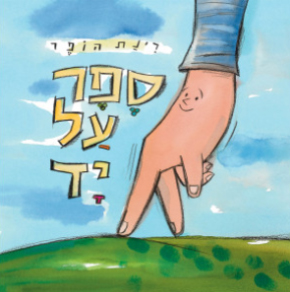
While reading, it is useful to include the hands on each page, follow their path and imitating their movements. Parents and toddlers can do this together: “walk” the hand on fingertips, make the hand jump, knock on the door in the picture, and be active readers throughout the entire book.
Hand Games
It’s so much fun to play with hands! Each and every one in turn makes a certain movement, and the rest of the participants imitate it. You can clap your hands, wave hello or goodbye, signal for “quiet” or fly!
A Family of Hands
Who has a small hand? Who has a large hand? Each family member is invited to place their hand on a sheet of paper. You, the parent, will draw the contours of the hands, and the toddlers will decorate and paint. The picture of all the hands can be kept as a memento, and you can also repeat the activity year after year and see what has changed.
Singing Hands
You can sing songs accompanied by hand movements, such as “I have ten fingers” or “My hat has three corners.” It’s a good idea to add hand gestures to your singing, and you can add finger movements to other favorite songs. Have fun!
“עשר אצבעות לי יש” מאת רבקה דוידית
מחרוזת שירי ידיים מאת דתיה בן דור
Pinterest – Crafts, songs, and activities in the Sifriyat Pijama’s Pinterest page.
Discussion
Parents may want to share the stories they liked while growing up: Was there a particular story you enjoyed hearing over and over again? Who was your favorite protagonist? You could ask your child which stories they like. Are they fictional or true stories?
Dual role illustrations
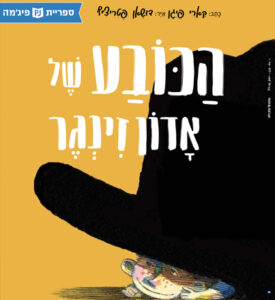
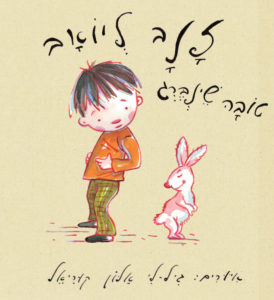
When do the illustrations tell the story of Leo and Mr. Zinger, and when do they complement the story the two of them made up? You may enjoy taking a look at the illustrations together, noticing the various styles, and thinking of ways of discerning what the illustrations refer to, and what they are telling us.
The story in the hat
Which stories are hidden in the hats you own? how about choosing one of your favorite hats and telling the story that is hiding in it: one player looks into the hat and starts inventing a story. After one or two sentences, they pause, and the next player picks up the story, and so on, until all players have added their part to it. Bashevis Singer could serve as a source of inspiration for telling a family story that has been passed down in your family.
A game – Who am I?
Would you like to play a game? Perhaps you would enjoy writing the names of your favorite characters from books on pieces of paper, and taking turns wearing a hat bearing the name of the character. Whoever wears the hat does not see the name written on the piece of paper attached to it, and must guess who it is using questions, such as: Is it a fictional character? Is it an animal?
Discussion
Perhaps you could discuss and share with one another the experiences you recall of moments in which you had discovered a new ability: Writing your first name, a special drawing you had made, and what else? What other new abilities would you like to discover?
Illustrations tell their own story
The illustrations in The Gift invite readers to immerse themselves in the book, and be part of Leo’s world: Which animal accompanies Leo? Which animals appear in the illustrations? Which details are taken from the world of children, and which from that of animals? Would you like to make your own drawing following Leo’s?
What's penned up in your pen?
Which incredible things await you in your pen? You may enjoy dedicating a notebook to drawings, copying words out, or writing down your favorite ones. You could make it a family notebook, in which each member adds their own illustrations and words.
A joint painting
What sort of world is hiding in your pen? Grab a pen and paper to find out! You and your family can take turns adding detail to a shared drawing – a line, circle, character, or item – to create a joint work of art that has come out of a single pen!
Discussion
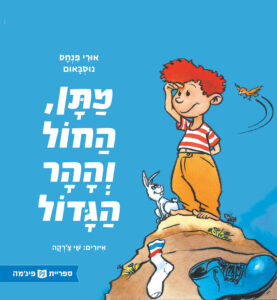
Matan piles the sand up and makes his pile more sophisticated all on his own. having read this book, you may want to discuss actions with your child that they take without needing any help, and compare them with actions they had taken in the past. We recommend that you, parents, share your own similar experiences with them, from your own childhood: What is it that you wanted to accomplish, and indeed did? What does your child want to build and do? Do they need materials or help? You may want to decide on a family initiative to build, make or fix something together. Good luck!
The sands of time
What can we do with sand? We could make an imprint of our feet in it, and observe our family members’ different footprints. How about using twigs to draw in the sand, or piling it up, or going outside to look at different prints left in it there?
Perspective
The illustrations in this book were made from various perspectives: from above or below, from high up or far away. Looking at the world from different perspectives – high or low – allow us to discover surprising things: try looking at your room from an ant’s height; through binoculars made from toilet paper rolls; using a magnifying glass, or when standing on a chair: What can you see from that perspective that you couldn’t see from your regular angle?
Imagining and building
Matan and his sandcastle could inspire you to imagine, plan, and create too: close your eyes and imagine, then share your idea with your family, look for suitable materials, and start to build together. It could be a machine made out of boxes, a car made out of sand, a flying castle made of pillows, or perhaps something else entirely.
Discussion
You may want to discuss and share what you enjoy doing with grandma, grandpa, or other family members, and have the parents talk about their own childhood experiences. You could even do stuff remotely and still feel close: some suggestions for activities that bring you closer while being carried out from afar can found in the “granny’s stories” section on the PJLibrary website.
What do we see in the illustration?
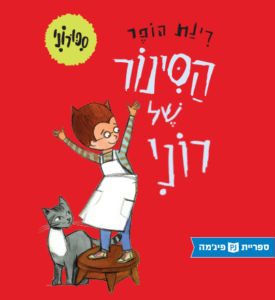
You could check out the drawings on the aprons at the end of the book, and even create your own “family doodle”, with each member of your family adding to the artwork. When you’re done, you can look together to find out whether any shapes of objects or characters are hiding in the doodle you made.
Illustrations – look for me
Look at the illustrations together and find out what the cat does on each page or where there are strawberries. You could search for certain items, or choose a color and look for details painted in that particular color in all the illustrations.
What did you do today?
Paint stains on palms, sand in shoes, or food stains on clothes are all indications of what your child did in kindergarten today. Together, you could look at the traces left by their action-packed day. Can you, parents, use the signs to try and guess what your child has done today, and discuss their experiences with them?
Pinterest – Suggestions for arts & crafts, games, doodles and strawberry growing are available on the Ronnie’s Stories: Ronnie’s Apron page on the PJLibrary Pinterest.
Reading together
שחקו במשחק בעקבות הספר “מי זה היה מה זה יהיה”!
🖨️ מדפיסים
✂️ גוזרים
🎲 ומשחקים!
Reading together
Where is the solution to this riddle? – This book was designed in such a way, that one page asks the riddle, and the next, provides the answer to it. You may want to ask your child to guess the answer before turning the page: completing the rhyme could help. No idea what it could be? Let your child turn the page and find out.
One last illustration
Look at the last illustration together. Illustrator Ora Ayal hid the answers to all the riddles in it. Are you able to find them? Can you recall a riddle associated with one of the details in this picture? You may enjoy trying to come up with a story containing as many of the answers to the riddles as you can.
Making up riddles
Choose an item, and use each round of the game to describe one of its characteristics. For instance: “It rolls”. Your child must discover which item you had in mind. Now switch.
You could ask your grandparents, friends, and relatives the riddles in this book. Perhaps they could even ask you some riddles, and see whether you were able to solve them.
A game of "what's missing?"
We have prepared some cards for you, which you can print out and use in this game of riddles, called “what’s missing?”
Lay out 3 or 4 cards. Now ask one of the players to close their eyes, and remove one card. When the player whose eyes were shut opens them again, you can ask them a riddle to remind them which is the missing card.
Note – the number of cards you play with should depend on the child’s ability.
Reading and Discussing
You may want to tell one another some riddles you know, or share how you have found solutions to problems, situations and issues. Have you ever learned something by watching someone else? Perhaps you could ask other members of your family how they cope with riddle- and problem-solving. Together, you can create a collection of family suggestions to learn about and engage in problem-solving.
What do the illustrations tell us?
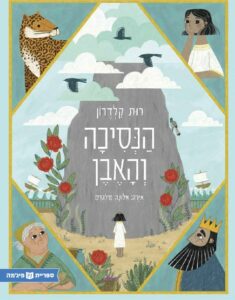
The illustrations in this book are extremely detailed. You may enjoy taking a close look at them, and telling one another what else they convey, beyond the text: Are any characters featured in them that are not described in the story itself? Perhaps you could follow the tiger character, and tell the story from its perspective: What is the relationship between the tiger and princess? Why does it follow her, and how does it experience the events that unfold?
Inspired by folktales
Authoress Ruth Calderon was inspired by an ancient folktale written by Rabbi Nachman of Breslov when she wrote this book. You could try it too! Think back to your favorite folktale or fairytale, and write a similar story about a contemporary boy or girl.
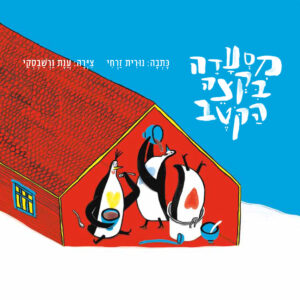
Comfort food
Do you also have a “ma’atzube” of your own – some kind of favorite comfort food? How about making a list of comfort foods, and then cooking or baking one together?
Problem-solving
“… Problems are just like bread – you need to slice them”: You may want to create a collection of everyday problems, and write them on pieces of paper. In each round, pick one note, and think of solutions together. They can be incremental, broken down into stages like slices of bread. Perhaps they can lead you to more suggestions.
Discussing – Doing things on my own
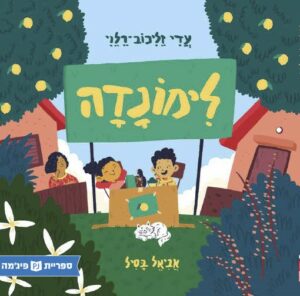
“He who sowed sorrowfully, now reaps joyously” – the children in this book enjoy working hard and being independent. Do you, children and parents, enjoy working and creating yourselves? What kind of work do you enjoy doing together with friends or family members, such as your grandparents? And what do you enjoy doing all on your own?
You may want to think together about the kind of work that you find hard, but also rewarding.
Simple pleasures
There are simple, everyday pleasures like drinking lemonade together, smelling a fragrant flower, or listening to a story. You may enjoy making a family collection of pleasures together: draw moments of joy on notes, and post them up in a central area of your house. You could “pick” a note each day, plucking it off the wall, and taking a moment to share some simple joy together.
Playing a fragrant game
This book mentions many scents – lemons, herbs, and roses – that may inspire you to play the following aroma quiz: pick some fragrant items (soap, a vanilla bean, mint leaves, orange zest, etc.) and start playing. Take turns closing your eyes, smelling one of the items given to you, and trying to guess what it is. Can you guess by using your sense of smell alone? You could allow participants to use their sense of touch too. When the game is over, you could place the fragrant items in a small basket, and smell them in moments of simple pleasure.
Growing joyously
You may want to take a walk near your home to look for fruit trees, flowers, or herbs. You could try growing some herbs in your garden or a planter – mint, tree wormwood, sage, or lemongrass. This could be the perfect opportunity to give your child a job – being responsible for watering the plants – so that when the time comes, they will be able to pick them joyously, and use them with pleasure!
Proposed Family Activities:
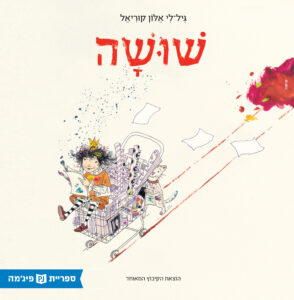
- You may want to leaf through the book and look at the illustrations together. What can you see out of Shusha’s bedroom window? What can you see out of your child’s bedroom window?
- Shusha dreams of being a famous painter. Perhaps you could discuss each of your family members’ talents and dreams.
- Shusha has the best time at her grandmother’s. what does your child enjoy doing with their grandparents or uncles and aunts? You may enjoy discussing the uniqueness of their relationship with each member of your extended family, and plan the next time you all get together.
- Drawing on walls, as Shusha does, is usually prohibited. You could, however, put a large sheet of paper up on a wall or door to draw on. Perhaps you could add details over time to gradually create your very own family wall painting.
- Shusha waves, and the sheep follows suit. You may want to use chalk to outline your child’s shadow in your backyard or on the sidewalk, and return an hour later to the same exact spot, to see how their shadow grows longer and moves in tandem with the sun.
- Shusha sees a black sheep in her shadow. Perhaps you could turn off the main lights, and turn on a small lamp to check what kind of shadows form on the walls when we put our fingers or various items between the small light and the wall.
- How about visiting an art exhibition at a gallery or museum with your child? Discover which paintings you like best, and whether you and your child have similar taste. You could even pick one or two of your favorite pieces, and learn some fun facts about the artists that painted them.
Proposed Family Activities:
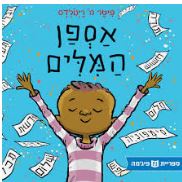
- You may want to leaf through the book together, and notice the combinations of words and illustrations. Is your child familiar with many of the words comprising Jim’s collection?
- Perhaps you could open a dictionary, or go to Milog at milog.co.il, to show your child just how rich the Hebrew language is. You could even create a family dictionary: decorate a special notebook, adding new and interesting words to it each time. Your child could illustrate the dictionary too.
- You may want to ask your child why they think Jim chose to empty his collection into the wind. Is there anything that makes you particularly happy that you would like to share with others?
- Like Jim, many children enjoy collecting things – pebbles, cards, special napkins from cafes. Did you have a collection as a young child? Share those memories with your child, they may inspire them to continue the family tradition, or start a collection of their own.
- Words are a great way of expressing our feelings. Perhaps you could make notes, write your feelings on them, add a drawing, and stick them on your fridge, front door, or headboard. These notes may be used when we want to express our feelings and cannot seem to find the right words to do so.
- Do you remember any words your child mispronounced when they were just learning to speak? If so, share them with your child, and write them down so that you will never forget.
Proposed Family Activities:
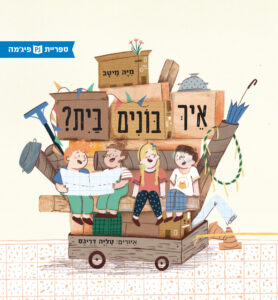
- You may want to look at the illustrations together, and suggest that your child describe what the chairs turn into throughout the book.
- While reading the story, you may want to pause before the children reach one of the stops, and ask your child to guess, based on the rhyming scheme – where the children will end up.
- Have you ever visited the cities mentioned in the book? Perhaps you could look at the illustrations, and use them to describe the special features in each of the locations. You could also look for more images of these sites online, and compare them with the illustrations in this book.
- Like the children in the story, you could also let your imagination run wild, and transform the chairs around your home into different things. A chair covered with a blanket could become a tent, or a secret cave.
- You could go on a trip nearby. Choose your destination with your child, pack some snacks, invite some friends, and go on an afternoon excursion. You could even have a picnic, so that “by the time you get off the cloud, lunch will be ready”.
- Where is Tel Aviv? And where is Jerusalem? Where are the mountains, the Sea of Galilee, the Mediterranean, and the Red Sea? Perhaps you could open a map together, and mark the places where you and your extended family live, places you have visited, and places you would like to visit as a family.
Proposed Family Activities:
- You may want to look at the illustrations together. Can your child find Rosie (Hadsas) among her classmates in the first illustration? What kinds of inventions did Rosie’s (Hadas’) friends make? Do you have a particular favorite? What is special about it?
- Perhaps you could make a list together of things that you have tried and failed, and another of things you have not yet tried, and would like to try some day. Could you maybe make it if you worked together?
- You may enjoy inventing, planning, and building your own “gizmo” together using building blocks, Legos or Playmobile. Your invention may consist of other items found in your home or backyard.
- Do you or did you also have a meaningful aunt with a vision who has left a mark on your childhood? You could look for photographs of her, and tell your child about her.
- You may want to compare the responses of Uncle Fred (Zvi) and Aunt Rose (Hadassah) to Rosie’s (Hadas’) inventions. Perhaps you would enjoy thinking of sentences or phrases that family members say to cheer one another up. You could write them down on pieces of paper, and put them in various places around the house.
- Young children often have excellent ideas and original thoughts. You could tell your child about a great inventor, in Israel or elsewhere, and remind them that s/he too was once a child brimming with ideas.
לערוך יחד רשימה של דברים שניסיתם והצלחתם
תוכלו לערוך יחד רשימה של דברים שניסיתם והצלחתם, ודברים שעוד לא הצלחתם לעשות ושאתם רוצים לנסות בעתיד. אולי אפשר להצליח בכוחות משותפים?
לבנות יחד "פטנט" משלכם
תוכלו להמציא, לתכנן ולבנות יחד “פטנט” משלכם ממשחק הרכבה כמו קוביות, לגו או פליימוביל. אפשר לשלב בתוך ההמצאה שלכם חפצים שונים שתמצאו בבית או בחצר.
דודה משמעותית ובעלת מעוף
האם גם לכם יש או היתה דודה משמעותית ובעלת מעוף שהשאירה חותם על ילדותכם? תוכלו לחפש תמונות ולספר עליה לילדיכם.
כדאי להשוות בין תגובת דוד צבי לתגובת דודה הדסה
כדאי להשוות בין תגובת דוד צבי לתגובת דודה הדסה להמצאות של הדס. אפשר להמציא יחד משפטים או ביטויים שבני המשפחה אומרים זה לזה כשמישהו זקוק לעידוד. תוכלו לכתוב על גבי פתקים מילים ומשפטים מעודדים ולפזר את הפתקים ברחבי הבית.
לילדים צעירים יש רעיונות גדולים
לעיתים קרובות לילדים צעירים יש רעיונות גדולים ומחשבות מקוריות. אפשר לספר לילדיכם על ממציאים גדולים, בארצנו ובעולם כולו, ולהזכיר שגם הם היו פעם ילדים שופעי רעיונות.
גם איינשטיין נכשל:
גם איינשטיין נכשל: למה חשוב ללמד על כישלונותיהם של אנשים מעוררי השראה – הגיע זמן חינוך
https://www.edunow.org.il/edunow-media-story-254706
מאמר באתר מכון דוידסון
החוקרת שפענחה את סוד החיים – מאמר באתר מכון דוידסון על פרופ’ עדה יונת
https://davidson.weizmann.ac.il/online/sciencehistory/—-
מה מסתתר מאחורי סיפורה של הדודה הדסה
מה מסתתר מאחורי סיפורה של הדודה הדסה: “אנחנו יכולות לעשות את זה!” מכריזות הדס והדודה הדסה – דודה הדסה בנתה מטוסים כשהיא לבושה בבגדים כחולים ולראשה מטפחת אדומה מנוקדת בלבן. הכרזה נוצרה בזמן מלחמת העולם השנייה בארה”ב במטרה לעודד פועלות בתעשיות שסייעו למאמץ המלחמתי. בשנת 1982 זכתה הכרזה לגילוי מחדש בכתבה של הוושינגטון פוסט. היא נפוצה והפכה לסמל מחודש של עוצמה ויכולת נשית. עוד על סיפורה של הכרזה בערך בויקיפדיה We Can Do It!
https://he.wikipedia.org/wiki/We_Can_Do_It!
Proposed Family Activities:
- Shulamit’s facial expressions change throughout the book. Perhaps you can look at the illustrations together, and pay close attention to those changes. When does her smile disappear? And when does it reappear?
- In the illustrations depicting the story that Shulamit tells herself, she seems very small compared to the tall buildings and her surroundings. You may want to ask your child for their opinion as to why Ora Ayal chose to draw Shulamit so small, inquire whether they ever feel small, or alternatively, when, if ever, they feel big.
- Perhaps your child could “read” the story to you, even if they cannot yet read the text. You could also act the story out together. Try switching roles: you can play Shulamit, who goes from room to room, asking members of her household to read her a book; while your child can play the other characters, explaining that they are currently unavailable.
- Many children find it difficult to keep themselves busy while waiting for their parents to spend time with them. You may want to use an alarm clock or hourglass to mark the end of your child’s “alone time”, and plan which book you will read together when it is over.
- Perhaps you could invent your own story, taking turns. One of you begins with “Many years ago in a faraway land…”, and you go on taking turns, adding characters and plotline, until you reach the end of the story. You could even write up and illustrate the story, and make a small book out of it.
- A Girl all be Herself is about experiencing both loneliness and togetherness. Having read the book, you may want to discuss feeling lonely with your child. You could tell them that we all feel that way sometimes, and think of coping methods together.
- Do you know any other books written or illustrated by Ora Ayal? You may want to look for more of her books at home or in the public library, and read them alone or together.
- Shulamit asks her household members to read her a story in the afternoon, “just like she always does”. Do you also have a certain time for reading books and storytelling? Is it the right time for everyone? Having read this book, you may want to schedule a “family story time”, starting a new family tradition.
Ora Ayal
Ora Ayal 1946–2011
Ora Ayal wrote and illustrated more than 70 children’s books. She illustrated many books written by top Israeli children’s authors, such as Miriam Roth (Tale of Five Balloons [Maʹase Ba-Chamisha Balonim], Hot Corn [Tiras Ham], and Yael’s House [HaBayit Shel Yael]), David Grossman (the book series on Itamar), and Ronit Haham (Five Witches Went for a Walk [Hamesh Mekhashefot Halkhu Letayel]). Among the books Ora Ayal both wrote and illustrated are: One Tuesday Morning [Boker Bahir Ehad]; Ugbu; and The Great War [HaMilhama HaAdira]. Her illustration style is simple and easily identified, and her well-loved books have been a source of delight for thousands of Israeli children. Ora Ayal has won many awards, among them the Andersen Children’s Literature Award, and the Ben-Yitzhak Award.
Proposed Family Activities:
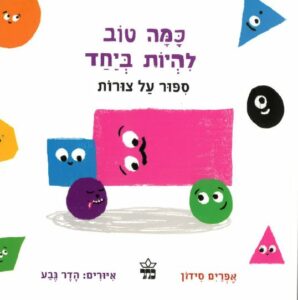
- Perhaps you would enjoy taking a look at the illustrations together: can your child name all the shapes on every page? While reading the story, you may want to pay attention to the shapes’ facial expressions. When are they happy? And what makes them smile?
- You may enjoy using some colored paper to cut out shapes, or playing with a ready-made game of shapes. Together, you could invent other combinations of shapes, and create more things.
- Perhaps you would enjoy going on a search, and discovering the shapes that are hidden in books, toys, and various rooms of your home, such as the square floor tiles of your living room, or the round holes in your sieve.
- You may want to play with building blocks, and use the different shapes to create various artistic structures together. For although it is sometimes nice to be alone, it is so good and pleasant to play together!
- Does your child know the song Hinneh ma tov uma naim (“Behold, how good and how pleasant…”)? Perhaps you would enjoy singing it and dancing together.
- On the final page of the book, the shapes create a windmill together. Has your child ever seen a windmill? You may want to make a paper pinwheel, blow on it, and see how the rush of air moves its wings, just like a windmill.
The feelings of others
The feelings of others. You may want to sit close to one another, enjoy the amusing illustrations, and read the story aloud together. When you first read the story, you may want to pause on the page where the passengers of the first boat leave the restaurant, enraged, and ask your child how they think the penguins felt.
The effect of others
The effect of others. One may wonder why the penguins decided not to offer their delicacy to the passengers on the second boat, and decided to eat it all themselves. Perhaps you would like to share with one another a memory of a time in which you had changed your mind following the response of others. When did it happen? How did you feel?
Waiting
Just like in the story, in some situations at home we must wait. Perhaps you could make an hourglass, to facilitate the wait. All you need are two empty plastic bottles. Use a strong adhesive to glue the two bottle caps together. Then, using a heated nail, carefully puncture a hole through the two glued-together bottle caps. Now fill one bottle with sand, recap it with the glued-together bottle caps, and attach the empty one on top of it. Turn it upside down, and see how long it takes for the sand to pass from one bottle to the other.
Tastes & preferences
Tastes & preferences. Do all the members of your household like to eat the same dishes? How do you decide what to eat when you are all sharing a meal, and who cooks? You may want to suggest that your child prepare a menu for the whole family. You could even open a restaurant: who would you invite over to dinner?
A warm scent of cinnamon
A warm scent of cinnamon. You may enjoy making a delicacy together that will spread the warm scent of cinnamon throughout your neighborhood: peel some apples and cut them into thick slices. Sprinkle an equal amount of sugar and cinnamon on them, and place them in the oven. Your nose will be sure to let you know when your delicacy is ready.
About Nurit Zarchi:
Nurit Zarchi was born in 1941 in Jerusalem, and raised in Kibbutz Geva. She has published more than 100 books of children’s literature, poetry, prose, and research.
Zarchi has received many literary awards, among them the Bialik Prize, Yehuda Amichai Prize, Lea Goldberg Prize, Andersen Award for children’s literature, and more. In 2014, she won the Devorah Omer lifetime achievement in children’s literature award.
Among her much-loved books are: Namer Bepijama shel Zahav [A Tiger in Golden Pajamas], Machalat Hagaguim shel Solly [Solly’s Homesickness], Lehitraot BeAntarktika [Goodbye, Antarctica], Doda Margalit Nafla el HaShlulit [Aunt Margalit fell into the Puddle]. You may want to look for these books at home or the library, and read them, both together and separately.
להציב באמצע החדר חפצים שונים ולדמיין שימושים שונים
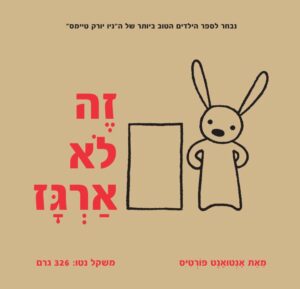
In this special book, the illustrations tell most of the story, and were it not for them, the plot would have been incomprehensible. You may want to leaf through the book together, and have your child describe what the box turns into on each page. You could have a discussion on imagination and reality, and share your opinion with your child. Do you think the rabbit really thinks the box is a spaceship, robot, or mountaintop?
Reality vs. Imagination
In this special book, the illustrations tell most of the story, and were it not for them, the plot would have been incomprehensible. You may want to leaf through the book together, and have your child describe what the box turns into on each page. You could have a discussion on imagination and reality, and share your opinion with your child. Do you think the rabbit really thinks the box is a spaceship, robot, or mountaintop?
Black or White?
You may enjoy looking at the illustrations, and noticing the colors used in each one. Which ones are used when the rabbit is spoken to? And which when the rabbit appears? You may want to ask your child for the reason why the author and illustrator chose to use colors this way.
Drawing Together
You could draw a rectangle on a sheet of paper and ask your child to continue the drawing, and turn it into something else. Can you guess what your child drew? You may enjoy changing roles, so that each time one of you will draw a shape for the other to turn into something else.
The Imagination Game
You may enjoy sitting across from one another on the rug and make believe together. Take turns pretending to hold something (a hammer, bug, phone, cat, baby…), and let the other guess what it is. Next, pretend to pass the object on to the next player, and go on making believe and guessing.
Proposed Family Activities:
- You may want to join Noga and her father by acting the story out. Every time Noga meets an animal, you could do as she does: spread out your wings like a butterfly, crawl like a tortoise, or roar like a lion.
- Guess who: you could play charades, mimicking an animal, and letting the other guess which one you are.
- Reading the illustrations: you may want to suggest that your child leaf through the book and tell you the story by the order of the illustrations.
- Do you drive to kindergarten together, or walk? What do you see on your way? Who or what do you come across? Perhaps you might like to pay attention to flowers, trees, buildings, or even find large and small animals.
- Do you also have a game that helps you pass the time enjoyably on your way to kindergarten?
Here is a list of ideas for games you can play on your way:
- Parent hums a tune and child tries to guess it and sing along.
- You could decide what to look for on your way (certain color cars, a cat, bird, or police car).
- You’re welcome to gallop, skip, or jump all the way to your kindergarten gate.
- Perhaps you would like to pick a certain mode of transportation (airplane, tractor, motorbike), and parent can put child on their shoulders and pretend to get to kindergarten on it.
- You could play a memory game to familiarize yourselves with the route: what will we be seeing next? A store, a tall building, a tree, and so on.
- You could collect something on your way, such as special shaped leaves or rocks.
Family Reading Advice
Toddlers engage with books in different ways: by touching them, opening and closing them, playing and looking at illustrations. Some will want to listen to the entire book, while others will prefer to start from a single page, and get used to reading at their own pace. You can read a little each day, and slowly but surely, books will turn into friends!
Discussion – My laughter and I
You can discuss laughter in your toddlers’ lives with them – When do we laugh? When are we are happy or sad? What makes you laugh and smile? Is there anyone who makes you laugh more than others?
Looking for laughter
Look for the situations that make you laugh together – you can try face-pulling games to discover the funniest face you can make; or gently tickle various body parts – using your fingers or a feather – such as arms or legs, to find out whether laughter is hiding there and whether tickling helps it come out of hiding
What is hiding in the illustrations?
Can you find the cat on every page? Have you ever seen a head emerge from a teapot? Can you notice any other amusing details in the illustrations? Which materials and objects are the illustrations made of? You can look closely and discover new amusing details every time you read this book.
Family Activities
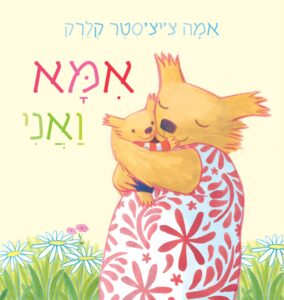
- Duvshan and Mummy do all kinds of things together. You can go over the illustrations in the book with your children and with their help, tell the story in your own words. Invite your children to “read aloud” the story from the point of view of little Duvshan, and you can tell the same story from the perspective of Mummy Bear. At the end, you may ask your children to choose one joint activity that is described in the book, and do it (or a similar activity) together.
- Honoring one’s parents: The story presents a wonderful opportunity to share your own experience with your parents, by recalling ways in which you honor or honored your parents. Be sure to let your children know how they honor you too!
- Duvshan helps Mummy with gardening work and in the kitchen. Your children can also honor you and help out around the house. They can help set the table, match socks from the laundry, or help dust the furniture. For very young children this is a wonderful opportunity to feel needed and learn that they are capable of helping out with household chores.
- Like Duvshan, many children like to prepare little “surprises” for their parents and show their independence. They can get dressed by themselves, wash themselves, pick up and organize their toys. And just like Duvshan’s Mummy, you too can marvel at your children’s desire to help you – and in return prepare a small surprise for them!
- A “patience clock”: We all know how difficult it can be for young children to be patient. Setting an alarm clock or an hourglass can help your child know when the “being patient” time has ended. If you plan what you’ll do together when the time is over, it might help the time pass even quicker.
- Many young children have a hard time thinking up ways of being on their own. For such instances you might want to prepare an “I Can Do It All By Myself” album together with your children, including a collection of drawings that describe ideas for independent activities. Each page can contain a different activity. Your child can color the pictures and you can add short sentences such as “I can draw”, “I can cut”, “I can water plants”, etc. Looking through the album will help the children choose an activity to carry out on their own while they’re waiting for you, and afterwards, just like Mummy Bear, you can say: “Oh, my little one, you are so talented!”
Activities:
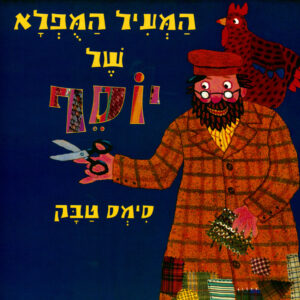
- Tell your child a family story – one that is funny or special – that is worth preserving as family legend: for example, a story of your childhood. Include details that say something about the place and time when the story took place. Look in a family album together at places where your child’s grandparents grew up and point out aspects of the past, such as: “Here is the bakery of your great grandfather that made the best challah in the world…”
- Travel back in time: To prepare for time travel back to Joseph’s village, look together at the illustrations in the book and encourage your child to identify items in his world. You can ask leading questions, such as: What does Joseph have in his house? What animals roamed around his neighborhood? Were there any buses there? What did people wear? In short: Was his world similar to ours? No? In your child’s opinion, why or why not?
- The fun of traditional sayings: The saying “When a coat is old, only its holes are new” is framed on the wall in Joseph’s house (see the page which begins, “Joseph had an old vest…”). The saying reflects Yiddish humor. Make a similar wall hanging with a saying that comes from your family or from your heritage. Who used to say it and on what occasions? Write the saying out and let your child make illustrations around it.
Eze’hu Ashir? Ha’sameach Be’chelko (Who is rich? He who is happy with his lot.)
In the Ethics of the Fathers (chapter 4), it is written: “Who is rich? He who is happy with his lot.” This proverb teaches that happiness is not measured in things or money, but rather in our ability to enjoy what we have. Although Joseph is poor, he is rich because he knows how to enjoy every “new” item of clothing he creates from what has worn out.
Activities:
- Look at the pictures and follow Joseph’s moods. When and why is he sad? When and why is he happy? What is his mood at the end of the book? How does your child explain these moods?
- Create two lists with your child: one of things that made him happy today and one of things that bothered him or made him sad. Look at the list of sad things and try to find something positive in the sad. In the evening just before your child goes to bed, you can make a habit of exchanging a list of the good things that happened to each of you that day.
Bal Tashchit (Respect for Existing Resources)
The mitzvah of bal taschit which appears in the Torah (in Deuteronomy) prohibits destroying a fruit tree even during a siege on a city. Over time a broader interpretation has come to prevail, to avoid destroying anything which can still be useful. Joseph’s Wonderful Overcoat takes place in a time when resources were scarce and people had to make good use of everything they could. Joseph found creative ways for re-using his coat. Today, in our era of abundance, there is an increasing tendency to try and re-use things to prevent harming the environment. This book provides a good opportunity to discuss with your child ways of limiting harm to the environment.
Activities:
- Ask your child to identify items at home whose use has changed over time and are used for something different: for example, a cracked plate that is used under a plant, a cup that is used for flowers etc.
- Talk to your child about the concept of wasting: What does it mean to waste? Do we throw away things that we could still use? What can we do to limit wastefulness?
Family Activities
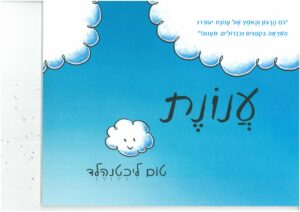
You may want to re-read the beginning of the story together, and be reminded of the advantages of being a small cloud. Perhaps later you would enjoy discussing your child’s size with them, and mention things that only little children can do.
Despite the advantages of being small, and her friends’ positive attitude towards her, Cloudette wants more. You may want to discuss wishes and desires: is there anything your child wants to do but has yet to try? Is there anything they would like to do but are unable to due to their age or size? You could make a list of desires together. Perhaps some of them can already be fulfilled!
When Cloudette hears “Ribbit” and sees the dry puddle, she realizes what she can do. You could ask your child whether we always know how to help others, and share stories of help given to another, or how others have helped you exactly at the right time using just the right kind of help.
You may like to notice the bigger clouds’ nicknames for Cloudette, and how they treat her. They do not tease her, but instead accept her the way she is and like her. Following the story, you may want to discuss nicknames with your child, the various relationships between those older and younger, and the desire to be “a big kid”.
Do you like the rain? Following the story, you may want to ask your child whether they like the rain and why, who needs rain, and who enjoys it. Do you know other stories, songs and tales about the rain? You may enjoy curling up together in a warm corner of the house and telling rain stories.
Perhaps you would like to create a rainwater receptacle together. Remove the top part of a plastic bottle by cutting across it (watch out for sharp edges!), place the empty bottle in an open space near your home, or hang it on a wire outside your window. How long did it take it to fill up with rain? Your child may enjoy monitoring the level of water in the bottle, and deciding how to use the rainwater collected.
Amalya's magic
You may want to discuss Amalya’s “magical secret”, which helped her believe in her drawing ability. What made her believe in herself, and how did she help the boy she met at the exhibition believe in his own talent? What do you think happened after the boy signed his drawing? You could try to continue the story.
Pep talk campaign
This story demonstrates the power of encouraging words of reassurance. You could announce the launce of a “pep talk campaign” at home: cut out notes of various colors and sizes, and have all family members write encouraging words and phrases on them. Hang the notes in various places around the house: on the fridge; on the bathroom mirror; in your schoolbag; under your pillow… When your self-esteem drops and fear takes over, all you have to do is look up and remember that a team of cheerleaders is behind each and every one of us.
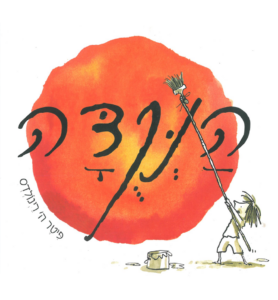
Every painting starts with a dot
Every painting starts with a dot: You may want to take a sheet of paper and crayons, and make a joint drawing – the parent starts with a dot, and the child adds another detail, followed by the parent, and so on. At the end of this exercise you will get a shared drawing that each of you made a small contribution towards, which began with a single dot.
a visit to the exhibition
Every work of art, be it as small as a dot, can grow and evolve into an entire exhibition. You may enjoy taking your child to an exhibition at a gallery, theater, or museum. Perhaps you could pick a piece your child especially likes, and try to think which point the artist started from, and what they were trying to express.
Overcoming difficulties
Amalya’s teacher tells her to “just make a mark, and see what happens”. You may want to remind one another of your child’s or your own achievements that once seemed impossible. How did you overcome the difficulties along the way? Did anyone encourage you to get there? You could tell your child about a person that encouraged you to believe in yourself.
Looking ahead
Every mountain climb begins with a single step. What sort of capabilities and talents would you like to develop? Is there a member of your family who can help you get there? What are you able to teach others? Who can you encourage?
To learn more about The Dot and author Peter H. Reynolds, and for more activity ideas, please visit www.peterhreynolds.com/dot
Family Activities
You may want to look at the illustrations that accompany the story together, and notice the many details that are not specified in the text. What do you think of Bonny’s ideas and Pop’s inventions?
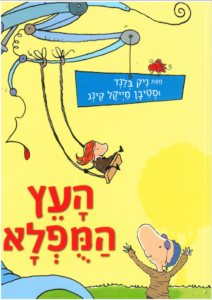
You could invent, plan and build your own “magnificent tree” using building blocks or Lego, or various objects around the house or yard. Are “all sorts of things jutting out” of your work too? Send us a picture of your magnificent tree, we’d be happy to post it on our website.
Bonny and Pop realized that birds were attracted to trees and looked for an idea that would encourage the birds to visit them. The story may inspire you to make a bird feeder together: rinse a large, empty bottle thoroughly, cut a large opening out on one end of it, hang it in the balcony or on a nearby tree, and fill it up with pieces of cut fruit, seeds and breadcrumbs. Follow the birds, watching quietly from afar as they approach the bird feeder and eat from it.
“Bonny and Pop always had lots of ideas…” Little children often have big ideas and original thoughts. You may want to tell your child about some important inventors, in Israel and around the world, and remind them that they too were once children, brimming with ideas. Together you could think of a situation in your own lives that you’d like to change, and make suggestions. Are your ideas implementable?
“Just as their faces are not identical to one another, so their opinions are not identical to one another” (according to the Midrash on the Book of Numbers, chapter 21): family members and friends do not always think or act the same way, and sometimes differences in style and character can bother us. You may want to remind each other of each of your family members’ special talent and inclinations, and make note of the unique contribution each one makes.
Does your child have a special connection with a grandparent, aunt or uncle, like Bonny does? You may want to sit your child down with a beloved family member and invite them to engage in an activity that requires cooperation, such as putting together a jigsaw puzzle, or even baking a cake. How well did they work together? Did they have similar ideas or different ones? Remember, none of this matters, as long as we have fun spending time together!
Haya Shenhav
Haya Shenhav is a poet and author born in 1936 in Kefar Yehoshua, in the Jezreel Valley. Her first children’s book, Mitz Petel (“Raspberry Juice”), was published in 1970, and is a huge favorite among children to this day. Among her well-known and much loved works are Aliza Habarvaza Vehahaverim (“Aliza the Duck and Friends”), and Hippo-Tam, as well as the songs Gveret Im Salim (“A Lady with Groceries”), and Mi Shavar Et Hatzalahat (“Who Broke the Plate?”). In 1985, Haya Shenhav was awarded the Zeev Prize for Children and Youth’s Literature, and in 2004 she was the Bialik Literature Prize laureate. Haya Shenhav lives in Ein Kerem, Jerusalem.
Family Activities
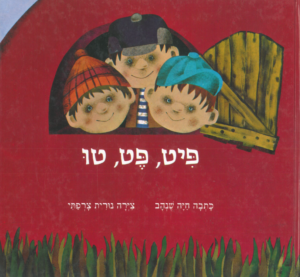
Pit, Pet, Tu is a long and adventure-filled story. You may want to read one adventure at a time, and then ask your child to pick an illustration, and tell you what the dwarves are doing now in their own words.
You could read it together several times, helping your child remember the sequence of events, and join you for the refrain: “Dwarves can do such things…”
You may enjoy looking at the illustration depicting the dwarves turning the mountain into a home. Do you recognize the food? What is your favorite? You may want to prepare one of the dishes the dwarves ate, or plan a back-to-front meal, where you eat dessert first.
One of the dwarves’ favorite pastimes is chatting. They enjoy sitting with one another, and remembering shared experiences. What do you like doing with your friends?
Do you know the tune to the song Meahorey Hahar 1, 2, 3 (“Behind the mountain, 1, 2, 3”)? You could sing it together.
Each time the dwarves transform the mountain into something else – a home, a boat, and even a car. You may also want to engage in a game of “pretend”, and turn familiar objects into other things using your imagination. You could pick a different object each time, and tell each other what it has turned into.
Would you like to play with dwarves? You may enjoy drawing little dwarves on toilet paper rolls, popsicle sticks, old socks, or rolled-up paper… You could make three dwarf puppets, and use them to tell the story.
Pit, Pet, Tu is the last PJ Library book you will be getting this year. Enjoy reading it, and also reread your favorite PJ Library books from previous months. Perhaps this time you could let your child read it to you… See you next year!
You may want to read the story several times
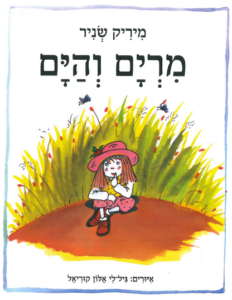
You may want to read the story several times, enjoying together the rhyming games and opposites, and accompanying Miriam on her quest for the sea. After several readings, your child will probably be able to complete the sentences, and “read” the story themselves.
Does your child know the sea?
If you do not have a beach close by, you could spend some time at the pool, fill a tub in the back yard, or even have a bath. Take simple seaside playthings along with you, such as a funnel, sieve, and various sized plastic bottles. Have fun!
Miriam's questions contain many opposites
hot–cold, big–small, old–new etc. You may enjoy playing an opposites game together. One of you could ask the other: “Is it ______ (hot, big, old…)?” and the other could reply: “No, it’s ________ (cold, small, new..)!”
You may enjoy playing the "warm-cold" game together
One of you thinks of an object in the room, and leads the other toward it using clues of “warmer” (the object is close by) or “colder’ (the object is far away).
Following the story, you may like to have a conversation with your child about seasons,
Following the story, you may like to have a conversation with your child about seasons, and discuss how our activities change in winter when it is raining outside, and in summer, when it’s hot out.
Mirik Snir wrote dozens of wonderful books for young children
Mirik Snir wrote dozens of wonderful books for young children. You may want to look for them, at home or the library, and read them together
Family Activities
- Yoav wants a tail “right here, right NOW”. You may want to point out the larger font and ask your child why they thought this word was bigger than the others. Do you or your child ever want anything RIGHT NOW? Perhaps you would like to discuss desires, wishes and patience together.
- What does Yoav do with his tail? He wags it, tickles with it, waves it and so on. You may want to look through the book and find all the gestures Yoav makes. Perhaps you would like to invite your child to make the same gestures Yoav makes, or invent new ones together.
- Many children like to dress up, and not only on Purim! You may want to make a basket or a box filled with different pieces of fabric, scarves, and maybe even a tail! You could sew a tail as Yoav’s mother did, attach a tail-like belt, or stuff a sock full of pieces of fabric and pin it onto your pants using a safety pin.
- You may want to join Yoav and look for your own tails. You couldn’t find them? Perhaps instead you’ll find your arms, knees, elbows…? There are many ways of getting to know our bodies: through pleasant touch, conversation, song, play and movement.
- Does your child, much like Yoav, like animals? Have they ever wondered what they need a tail for? You may want to look around you and in pictures for animals with various kinds of tails. You could tell your child about the uses animals have for their tails (impressing other animals or threatening them, shooing away flies, helping them keep their balance etc.). The story calls for observing and comparing humans to the animals around us. What similarities are there between them? And what differences?
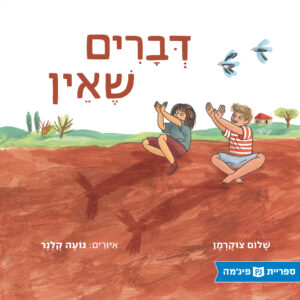
Things That Aren’t
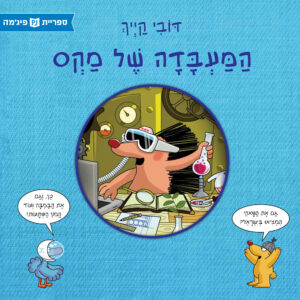
Max the Inventor
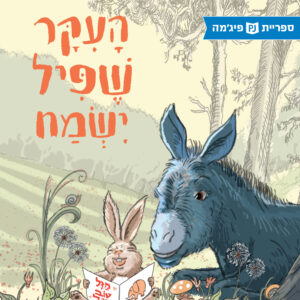
Making Elephant Happy
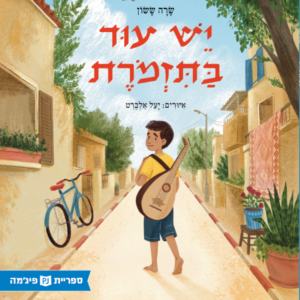
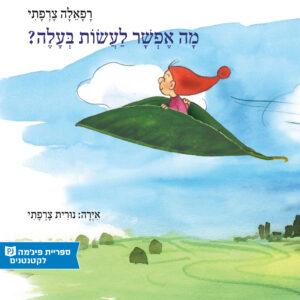
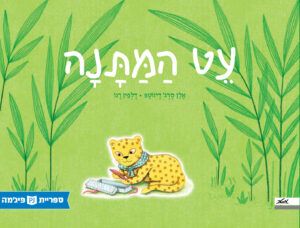
What Can You Do with a Leaf?
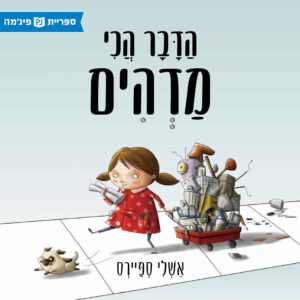
The Most Magnificent Thing
Reading and Writing
Just the Sea
The Bus Stop
Why Don’t You Flower?
The Machine
One, Two, Three, What Can a Mushroom Be?
A book about A hand
Mr. Zinger’s Hat
Le Cadeau (The Gift)
Matan and the Great Sand Mountain
Ronnie’s Stories: Ronnie’s Apron
What’s That? What Could it be?
The Princess and the Rock
Lemonade
Shusha
The Word Collector
About a Chair
Rosie Revere, Engineer
A Girl all by Herself
Friendly Shapes
The Cooking Penguins
Not a Box
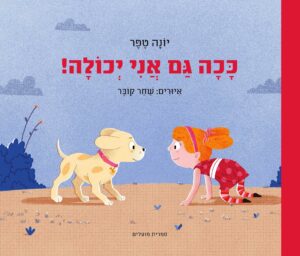
I Can do it too!
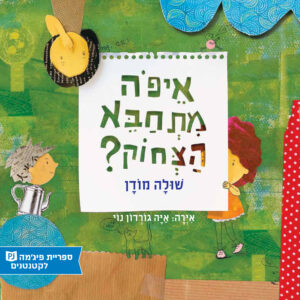
Where’s the Laughter?
Mummy and Me
Joseph’s Wonderful Overcoat
Cloudette
The Dot
The Magnificent Tree
Pit, Pet, Tu (“Chit, Chat, Chatter”)
Miriam and the Sea
Tail for Yoav