מְקוֹרוֹת וְתַרְבּוּת
הומור
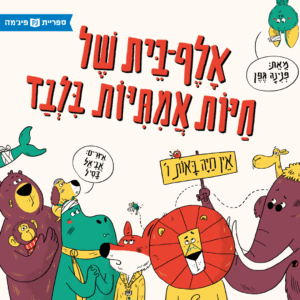
הומור ושימוש במצבי אבסורד הם כלים המאפשרים חשיבה שונה וייחודית. הם גם אמצעים לפורקן, להמחשה, להעשרה ולפיתוח הדמיון, השפה והיצירתיות. הומור יכול לסייע בהתמודדות עם מצבי קושי, להגביר תחושות של שייכות וקִרבה לקבוצת השווים ובה בעת להפיג מתח וחשש, לפתח נקודות מבט ואפשרויות חדשות. סיפורים עם דמויות מבולבלות, משחקי מילים, איורים קומיים, עלילה מתוחכמת וגוונים נוספים של הומור מסייעים לטפח את הכלי הנהדר ומזכירים לנו עד כמה צחוק יכול לעזור לנו במצבי חיים שונים.

סְּפָרִים
Book-Related Family Activities
Family Reading Advice
Before turning the page, you can try to guess what will happen on the next page. You can pause on each page, take a closer look at the illustrations, and evoke the toddlers’ curiosity. An illustration-based book contributes to the development of attention to details and the beginnings of creativity.
Discussion – Comparing and Contrasting
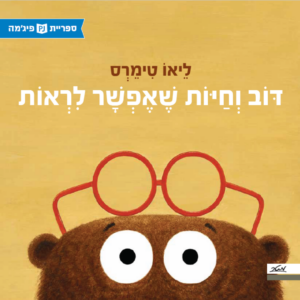
You can discuss the things that are common to all members of your family as well as those that are unique to each – for example, which of you wear glasses? Which of you like to eat cucumbers? Which of you go to work in the morning and which of you go to daycare?
Not Like the Others
Arrange three similar items and one dissimilar item in a row, and invite the toddlers to tell you which one is not like the others. When they do, reverse your roles. You can gradually make things more difficult – for instance, start with three toy cars and a ball, and build up to three forks and a spoon.
All Together Now
A mix of all the characters in this book appears on its final page. You can look at it together, emphasizing various details of this illustration, such as “Here are the cows”, or “I see a spaceship”, and inviting the children to point them out or name them.
QR Code
Scan the QR code to discover how shared reading contributes to toddlers’ brain development.
Arts & crafts, songs, and other activities can be found on the Sifriyat Pijama Pinterest page.
Tip for Family Reading
Read calmly and patiently: Before reading, it is best to select an appropriate spot, and set up the area so your toddler can best listen and focus. A television playing in the background or mobile phone makes it harder for toddlers to concentrate. A quiet, calm, and pleasant setting will provide you and your child with quality time, bonding and fun.
Participatory Reading
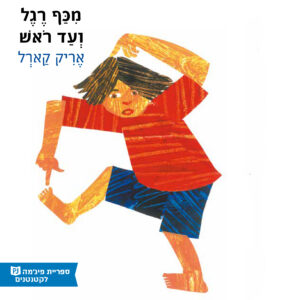
After reading a book several times, toddlers will know it and be able to actively participate in reading it. You should read slowly, and, after reading the phrase on the righthand side, invite toddlers to reply: “I can do it!” while trying to copy the movement to the best of their ability.
I Can Do Anything!
You can encourage your toddler to feel capable by asking questions inspired by this book – “I can take my handbag to work – can you take your backpack to daycare?” And what about the things that toddlers cannot do yet? Well, they will be able to do them sometime in the future after they practice them in a setting that encourages curiosity and experimenting.
Look How I’ve Grown!
You can measure your toddler’s height and make a chart where you record it each time., Alongside their height, you can write down things that your toddler can do with hiss/her body. Each time you measure their height, you can remind your toddler what they can now do, and which new things they learned. When they will grow up, they will have a wonderful memento.
Arts & crafts, songs, and other activities can be found on the Sifriyat Pijama Pinterest page.
Tips for Family Reading
Reading books from an early age contributes to toddlers’ development. We suggest starting slowly and gradually, however best suits your own toddler: Some may choose to begin by touching the book, opening and closing it, or even “tasting” it. You can start by reading one page, getting used to it, and adding more pages, until the book becomes a friend!
Datia Ben Dor (1944) made Aliyah from Egypt when she was 18 months old. Her professional career began in musical education. She wrote screenplays and songs for many Israeli preschool television shows, such as Parpar Nechmad [Lovely Butterfly] and Rehov Sumsum (the Israeli version of Sesame Street). Among her well-known and loved toddler and children’s books are: Ani Tamid Nishar Ani [I Am Always Me], Otiyot Mefatpetot [Chatty Alphabet], and Sefer HaShtuzim [A Book of Silly Rhymes]. Ben Dor has been awarded numerous prizes for her contribution to Israeli children’s literature.
Looking at the Illustrations
Looking at the illustrations in a book can contribute to toddlers’ verbal development. You should look at an illustration together and describe it. For example: “Here’s a balloon, the balloon is round, the balloon floats upwards”, thereby enriching the toddlers’ vocabulary.
Fun for the Entire Family
Alongside each poem is a suggestion for a one-on-one activity. You can adapt it to include more members of your family or friends. For instance, in the poem Shtey Neshikot [Two Kisses], you can give every member of your household two kisses and a hug. In the poem entitled Akhbar [Mouse], you can pretend to be the black cat by bending your fingers to form “ears” and having everyone run and hide around the room while reading “Ratz, ratz, ratz ve… hop! Nichnas LaHor” [“Runs, runs, runs, and… hop! Goes into the hole”]
From Book to lLife
You can incorporate poems or phrases from books into your daily routine. For instance, when toddlers refuse to do something, you can respond by saying: “You don’t want to do this just like the tortoise didn’t want to?” or watch a butterfly together while reciting the poem “Ba elay parpar nechmad vetiyyel li al hayad” [Lovely butterfly came round and take a walk on my hand”].
Holes in the Boat
At home, much like the Schlofnoche’s boat, there are problems, or ‘malfunctions’ at times, that require a joint effort to solve. After reading the story, you can discuss and think together: In what situations does our family need to come up with an idea or solution? When is a joint effort needed? When do we realize there is a problem but only discuss it without trying to resolve it? And which ‘bird’ can ‘save’ us in such instances?
Family challenge
At the end of the story, in the absence of an appropriate solution, “Four Schlofnoche huddled on top of one small cabinet”.
You can also have fun finding out: How many family members can huddle together on one small carpet? Or a hammock? Or anywhere else you choose. Try coming up with creative ideas and solutions together to help with this challenge.
Creating creatures with funny names
What sort of funny name is Schlofnoche? Do you have any more ideas for similarlyfunny names? The whimsicalinos? Or sillynillies? You can come up with imaginary and amusing creatures of your own. Imagine them, draw them, color them, and then decide on a long and funny name for them.
Listen to the Schlofnoche’s Story
You can listen to the Schlofnoche’s story by watching this video.
Family Reading Advice
A recurring phrase in a book helps children follow the story, and feel active while reading, enhancing the shared experience. You can read this phrase in a special voice, add hand gestures, or change the reading pace. That way, every time you reach it, your children will happily join in.
More and More
The tendency to want more and more is very familiar in kids’ lives – you can discuss with your children and ask: Why did Lady Bezalel drop everything she was holding? Do you think she needed everything she bought? In your opinion, how did she feel when she dropped them? Has anything similar ever happened to you? What would you advise Lady Bezalel to do?
The Grocery List
After having read this book several times, you can have some fun and check – who can remember all the items Lady Bezalel bought and in what order?
Be Careful not to Drop Them!
How many toys and items can you hold without dropping them? This book can inspire you to go around the house, picking up stuffed animals, (non-breakable) toys, cushions and other soft items, and then decide on a “path” from point A to point B. Now take turns holding as many of these items as you can. Walking along the track while carrying them all – did you drop anything? Now you can go back to the beginning.
That is so Good!
What makes you feel good? At the end of the day, before bedtime, you can play a game during which each of you tells the others about something good that happened to you today, or about something that makes you feel good.
Family reading advice
Illustrations allow young readers to be exposed to art, and get to know new worlds that enhance the written story. At times illustrations tell another or different story than the one told in words. While reading this book, we recommend looking at the illustrations together, take a break in the reading, take another look at the illustrations, and allow the children to find special details that speak to them.
Caring and trying
Bear is trying to help his plant. He wants to take care of it. You can discuss and share – who is it that you care about? And who do you take care of? A pet? A toy? A beloved plant or perhaps a younger sibling? – How do you care for them? Have you ever tried to care for someone or something that didn’t work as planned, but things worked out in a way that you did not expect?
What illustrations tell us
What is happening to the bunnies? The amusing illustrations in this book describe an entire underground world. Together, you can look at the illustrations and tell one another what the bunnies are doing. When are they happy, sad, full or busy?
What can we see from here? And from there?
What can we see when we are sitting on the couch? And when we are standing in the center of the room? Or crawling under the table? Take turns as each family member picks a location from which to look at the room: What has caught their attention? Do they see details that others don’t see?
QR code – What can we do with a carrot?
Would you like to prepare a carrot for planting and eating? Scan the QR code to discover what can become of a small piece of carrot.
Reading together
We recommend reading the book on your own, before reading it together as a family. Familiarizing yourself with the book in advance will help you read it afterwards at the pace and sequence suitable for your children. Enjoy reading this book together!
A discussion on waiting
Have you ever had to wait for something? Perhaps you could share that experience, and tell each other about anticipation. You could also come up with ideas together of what you could do while waiting, or tell each other what you chose to do in those instances while you waited. What happened in the end?
An illustrator at work
How do you illustrate a bunny? Or a wolf? Scan the QR code and watch illustrator Ronan Badel illustrating the characters in this book.
Illustrations and clues
Look at the final illustrations in this book. Can you find any indications for the birthday party the wolf had almost missed? And which presents did the bunny get? And what was special about the wolf’s gift?
A game of “Wolf in motion”
Leaf through this book and decide the order of play. Take turns looking at the illustration you have each selected and acting out the depicted wolf’s motion: Is it going up in the elevator? Or walking on all fours? The other players will have to guess what the wolf is doing.
A discussion full of delight
Having read this book, you may enjoy a discussion about why, you think, Uncle Simha (Hebrew for joy) is named so. What about the things he does or says that make you smile?
Listening to My Uncle Simha
Would you like to hear a story? Go ahead and scan the QR code to listen to the book My Uncle Simha. You may enjoy listening to it together while turning the pages whenever you like.
Happy songs
Which songs make you happy? Perhaps you could make a playlist of all the songs that make your family happy, and sing along together. You could even sing in funny voices – a high-pitched voice, the deepest of basses, or a whisper – adding some dance moves for greater delight.
A confused game for a confused uncle
Take turns asking a question while the other players try to come up with a “confused” response. For example: What’s your favorite drink? Tea with a touch of mustard! What do you do when it rains? Wear sunscreen! What sound do birds make? Where should we go on our next trip?
Reading and hugging
While reading a story, you can hug each time a new animal joins the group. You can also play the hugging game: move away from each other, count “three, four,” and then run to each other, and hug!
It’s crowded but that doesn’t matter!
Invite the rest of the family to sit together with you on the couch, on the carpet or on a mattress. You can also include dolls or pets. Sit close together, then further away, and check: how pleasant is the closeness?
What sound do I make?
How does a dog bark? How does a cat meow? and how does a cow moo? – Toddlers can join can join in to the animals in the story.
Would you like to bring another animal in? And what sound would that animal make?
Sing about cabbage
“I sat on a cabbage” is a song that you can sing, add movements to, dance to and clap your hands to.
The song will upload when you scan the code:
QR – I Sat On a Cabbage – Scan the code and sing together!
Discussion
Unpleasant things happen to all of us – but do they only ever happen to us? You may want to discuss the feelings that emerge when something unpleasant happens, and help each other think of people who can help, as well as how to cheer each other and ourselves up.
Illustrations tell a story
The illustrations in this book tell us what happened to Winston’s friends without using words. Only Winston doesn’t notice. Pick one illustration, look closely at Winston’s friend, and tell their story as if you were them: What are they feeling? What are they thinking? What about this particular illustration caught your attention?
Lucky it happened to me!
You may want to try looking on the bright side! At the end of each day, share something good that’s happened to you with your family – make sure that both parents and children share news about their day.
Who amuses me? And who surprises me?
Look at the illustrations together and search for details that amuse you – what did each of you find amusing? Did any of the details surprise you?
Just before bedtime...
How do you get ready for bed? What helps you fall asleep? You can talk about it together and think about creating a set ritual that will engender calm, and let you share the day’s experiences and thoughts that come to mind.
My notebook of thoughts
Isn’t it lucky that there’s a way we can remember our thoughts and stop them from getting away? How do we do that? Keep a notebook and pencil by your bed, and just before falling asleep, before your thoughts scatter away, draw them. You can color in your drawing in the morning, because now… is time for bed.
It's lucky that... It's good that...
“It’s lucky that a pot has two handles, and not five… if it did, how would we hold it?”, “It’s good that the windshield is made out of glass, not cardboard”. What do you imagine? Which things make you happy just as they are? Each member of the family can bring a certain object and talk about it: “It’s lucky that…”, “It’s good that…”.
Melodies, sounds and colors
The world is filled with melodies and sounds. Which melody do you like? Try singing a favorite melody together wile clapping your hands, moving parts of your bodies, singing, or playing instruments.
The world is also filled with diverse colors and shapes. You can draw as you listen to the music. Which shapes and colors will you choose for your drawing?
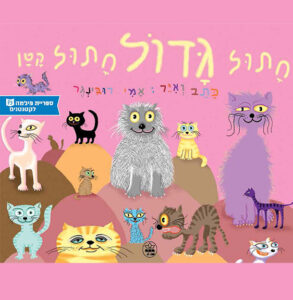
Here's a cat
Which cat do you find the most amusing? Which cat is your child’s favorite? You may enjoy looking at the cover together and focusing on the different cats. You could also look at various images of cats, or go out of the house to observe them in your neighborhood: who knows what kinds of special cats roam the streets near your home…?
Filling in the blanks
This fun-filled book invites infants to complete the text based on the amusing rhymes. We recommend reading it gradually: the first time you read it, complete the missing words yourself, next time – allow your child to complete them with whatever comes to mind: they can fill in the blanks with their own range of choices, there is no reason to stick to a single answer.
Amusing opposites
You may want to play cat charades: one of you can act out “brave cat” or “big cat”, and the rest of you can join it to form a clowder of cats.
Cat puppet
How about using an old sock as a cat puppet? Put a face on it, and use it to play and read together!
Observing – Discovering the positive
Shraga is fed up, and so he runs away elsewhere. But is that the only option available to him? If you’re feeling fed up, you can always look around you, and discover the positive aspects in our lives. Perhaps you can list all the good things that happened each day. How about making a family scrapbook of positive things, such as “my friend made me laugh”, “I got the book I wanted”, or “I’m healthy”. You could share the best moments of your day with one another, and check to see whether focusing on the positive and recording your best moments in the scrapbook will improve your mood in the following days as well.
Playing – The 'I'm Bored' die
“I’m bored!!!” – how often have you said or heard these two words? To shake things up a little, and spice things up, take a large die, or make one out of a cardboard box. Write some routine breakers on each side, such as “putting up a tent in the living room”, “ball games” or “singing and dancing”. Each time one of you gets bored, throw the die, and get inspired to do something fun. We recommend writing some new ideas on your die from time to time, so you won’t get fed up of them…
Acting the story out – What is the alien saying?
Throughout the book, the alien speaks a language that readers cannot understand. Can you tell what the alien is saying? What did it say when it was left out in the snow after Shraga had gone? What did it say upon Shraga’s return? And how did Shraga respond? You could act out the alien’s text, give it a special voice, and tell everyone what it does when it’s fed up…
Proposed Family Activities:
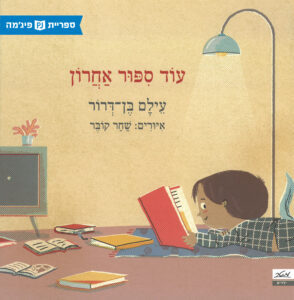
- What is a yak? Have you ever seen a badger? One Last Story is filled with various different animals. You may want to look at the illustrations and get to know new ones. Perhaps you would enjoy taking this book with you on a visit to the zoo or safari, so you could look for all the animals that appear in it while you are there.
- Does your family have fixed actions that accompany the transition from daytime to bedtime, such as brushing teeth, a bedtime story, prayer or lullaby? Do you like to read Sifriyat Pajama books at bedtime? If you like, you could start a new family habit or ritual that will help your child fall asleep easily and happily.
- How about playing “guess who?”: Take turns picking one of the animals in the book, moving like it and making the sounds it produces. Can the rest of your family guess which animal you are?
- What’s your story? You may enjoy making a story up together, based on real facts or entirely fictitious. You could make some illustrations to go along with it, and create a book out of it.
One Last Story is the last book you will be getting from PJ Library this year. We wish you many hours of fun reading books and telling stories, whether at bedtime, Shabbat afternoon, on vacation, or whenever you feel like it!
Proposed Family Activities:
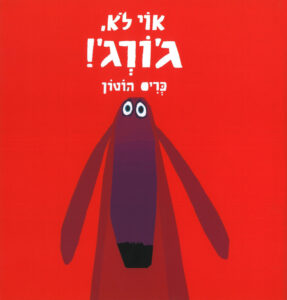
- You may want to read the book over together several times. You could stop on each page and ask your child: “What will George do?”. Your child could repeat the phrase “Oh no, George!” out loud.
- Perhaps you may enjoy using a stuffed animal or making a simple puppet with which to act the story out together. You could walk around the house with it, looking for various “temptations”. What will your stuffed animal or puppet do in each room? How will it behave? Will it manage to restrain itself?
- You may like to leaf through the book together, looking for various items in the illustrations, such as the cake, cat, or flowers. How many times does each of them appear in the story?
- This story describes George’s contention with the things he is not allowed to do. But surely George does some things he is allowed to do as well! You may want to think together of some of the good things George likes to do, and invent your own story, entitled Oh yes, George!
- The book ends with the question: “What will George do?”. Perhaps you might like to tack on a different ending to the story together.
Proposed Family Activities:
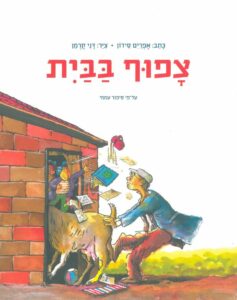
The illustrations demonstrate the clutter and noise in this house. You may enjoy looking through the book together, and finding what is misplaced and funny on each page. You could also compare the picture of the house from the beginning of the book to the one after the goat had been removed. What are the similarities and differences between the two illustrations?
Shimon’s house is not only crowded, but noisy too. You could demonstrate this to your child in the following way: turn on the TV or radio, and gradually add some of the sounds mentioned in the story. One of you could moo like a cow, another could make chicken noises, or a goat’s… until you will no longer be able to hear the TV or radio. Stop making all the animal noises at the same time, and discover just how quiet the room has become.
This story is the origin of the expression Lehotzi et Haez (“to remove the goat”), meaning to cause tremendous relief by removing something unnecessary. Is your house crowded? Does your child have any unnecessary “goats” in their schoolbag or pencil case? Try to find the reason for the clutter in your home – perhaps the drawers are full of old toys, clothes, or shoes that are no longer needed? You could tidy the house up together, and donate some of the things you no longer need. How did you feel once you removed the “goats” from your home?
Shimon and his wife go to their rabbi to seek his advice. Talking is helpful. Who do we turn to when we need advice? Who helps us solve problems? You could share some unexpected advice you may have received with your child that had proven helpful.
You may enjoy discussing a change of perspective with your child. Sometimes we cannot change reality, but are capable of changing the way we view it. Together, you could think of times when a change of attitude led you to see things differently. For it is those who are content with their lot that are truly rich.
Humor and folk tales
It’s Crowded at Home is a folk tale that takes place in a Jewish shtetl. The message of the story is conveyed humorously, with no direct preaching. The amusing tale of the goat, like many other humorous stories in Jewish tradition, remind us of that valuable life lessons are best learned with a smile!
Enjoy reading and discussing this book together!
Proposed Family Activities
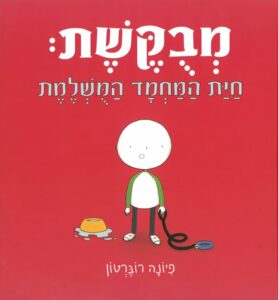
- Have you noticed the special combination of words and illustrations in this book? Was it easily read aloud? What about the illustrations and plot did you find amusing?
- You may enjoy searching together for the page on which Henry puts up the wanted poster for the perfect pet. What other ads can you see up there? Do these products really exist? Perhaps you would like make an ad of your own with your child, seeking something they greatly desire, even if it only imaginary.
- A dog cannot quack, and a duck cannot play catch. But if you look upon things with kindness, you can always find the good in them. You may want to make note of the unique talent each of your family members and friends possess.
- Henry knows a lot about the characteristics of frogs, dogs – and ducks! What animals does your child know? You may want to visit a farm, zoo or pet store, and get to know new animals.
- You could share a childhood experience with your child: which animals lived nearby? Did you own a pet when you were a child? If so, you could tell them about it, and show them pictures from your past.
- Perhaps you would enjoy having a costume night at home. Each of you can dress up as a different animal, and the others could guess which animal they are. You could even invent imaginary animals, mixing a horse’s tail with cat’s ears and so on. What would you name the animals you have invented, and what would their characteristics be?
Proposed Family Activities
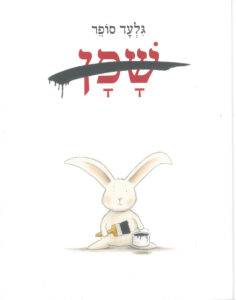
- You may want to look at the special illustrations by Gilad Soffer The book looks a little like a comic strip. How easily did you read it out loud? Did you notice that the word “Shafan” on the front cover was struck through? You could perhaps discuss this line across the word. Was it a printing error?
- Comic books are for readers of all ages! They describe the plot in words and illustrations, forming a sophisticated technique that adds another level of meaning to the written words of the story. You may enjoy picking a well-known story, or make up your own, and create a comic book out of it together using speech bubbles. You could take a look at the parts of the book that are so illustrated, and discover what facial expressions, body language, and the use of colors tell us that we couldn’t have known just by reading the words. Notice, for instance, how content the magician looks, compared to the upset look on the rabbit’s face.
- Have you ever been mistaken for someone else? How did you feel? Perhaps you would like to share your thoughts, and think together what we could do to ensure others call us by our real names.
- This book is full of humor, and appeals to readers of all ages. Did both you and your child find the same parts amusing?
- Can you differentiate between a rabbit and hyrax? An eagle and vulture? An ostrich and emeu? You may want to make a “confusing animal dictionary” in which you write and draw the animals whose names we tend to confuse. During your next visit to the zoo, you’ll be sure to get them right. You could also make a card game, with pictures and names of animals that need to be matched.
- You may also enjoy making a hyrax and rabbit out of playdough, and use them to act the story out.
- Perhaps you could look for illustrated books at home or in the library that mention hyraxes or rabbits, and check whether the illustrators drew them accurately, or got confused.
- You may also want to discuss the rabbit’s feelings throughout the book. Why is he so offended at being called “shafan”? And why do you think he remains unhappy all the way to the end of the book?
Who dressed up as whom?
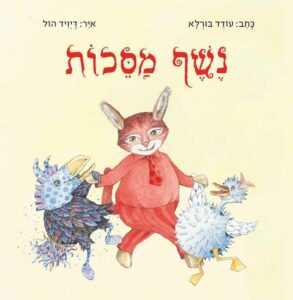
You may want to look at the illustrations together, and look for the disguised animals mentioned in the story. Can your child recognize them all? Who, in your opinion, has the best costume? To whom would you have awarded the prize?
A stuffed animal masquerade
Make costumes and masks for your stuffed toys, set a table with fine food, and sing Purim songs together. Who will win the costume competition, and what will the jackpot be?
Competition and fair play
You may want to stop reading for a moment at the point where the animals argue, each one thinking it had the best costume, and ask your child to describe the decision-making process for which they would have opted. You could use this book as a platform for discussing achievements, competition, and the feelings associated with winning and losing.
The crafty fox
You may want to discuss the fox’s behavior with your child. Did he deserve to win the costume competition? The fox is portrayed as cunning in many stories. Do you know any other books on foxes, such as The Fox and the Grapes, The Chickens and the Fox, or Fox Fables? You could search for them and read them together.
Purim of the past
Do you remember a special childhood costume? You may enjoy sharing childhood experiences related to Purim and dressing up with your child. You could also look at family photo albums, and be reminded of parents’, siblings’, and children’s past costumes.
Oded Burla
is the author and illustrator of many children’s books, among them: A Smile on every Corner, The Melody, and Oded Burla’s Big Book. You may want to look for more of his books at the library, and enjoy them together.
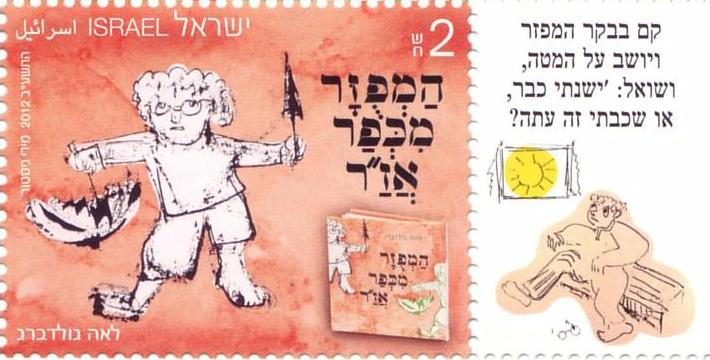
reading the rhyming tale several times
You may enjoy reading the rhyming tale several times, and asking your child to join in for the refrain:
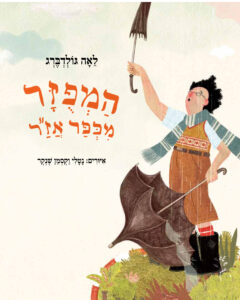
“הִנֵּה כָּךְ הוּא הַמְפֻזָּר, הַמְפֻזָּר מִכְּפַר אֲזַ”ר!”
You could also learn to recite some of the poem off by heart, letting the illustrations remind you of the words.
Were you told the story of the scatterbrained man
Were you told the story of the scatterbrained man (or a similar tale, whether by Samuil Marshak or another author) when you were growing up? Do you have another version of the story at home? You may enjoy reminiscing together, sharing memories with your child, and comparing both illustrations and stories.
What do you find funny?
What do you find funny? Perhaps you would like to look for all the things the scatterbrained man does wrong in the illustrations, and act some of them out.
You may enjoy coming up with an additional part of the story, and acting it out
You may enjoy coming up with an additional part of the story, and acting it out. What do you think happened to the scatterbrained man from Azar’s Village as he continued to sit in the stationary railroad car on his way to Jerusalem?
We all behave like scatterbrains sometimes!
We all behave like scatterbrains sometimes! You may want to share memories of silly things you had done when your mind had wandered, or occasions on which you were particularly confused, and make each other laugh.
Do you know any other book by Lea Goldberg?
Do you know any other book by Lea Goldberg? You may want to look for and read more of her stories and poems together, such as Where is Pluto (Ayeh Pluto?), Apartment to Rent (Dira Lehaskir), and the collection of poems entitled What do the Does do? (Ma Osot HaAyalot?
Lea Goldberg
Lea Goldberg (1911–1970), born in Kaunas, Lithuania, was a poetess, authoress, translator, professor, and editor, while also heading the Comparative Literature Department at the Hebrew University of Jerusalem. At the age of 23 she had completed her PhD on Semitic Linguistics in Germany, and upon immigrating to Israel in 1935, began to publish her writings, and soon became a well-loved and well-known poetess. Her publications, and among them her children’s stories and poems (Apartment to Rent [Dira Lehaskir], Magic Hat [Kova Ksamim], What do the Does do? [Ma Osot HaAyalot?], and many more) have become invaluable gems of Israeli literature. In 1970 she was awarded the Israel Prize for Literature; however, having unfortunately passed away two months prior to the ceremony, her mother received it on her behalf.
look at the illustrations together
Perhaps you would like to look at the illustrations together, and search for differences between then and now. What did the iron look like in the past? Were trains and buses similar to the ones we have now? And what is the bus driver holding? You could try looking for the rooster throughout the book. What is it doing on each page?
Family Reading Advice
Toddlers engage with books in different ways: by touching them, opening and closing them, playing and looking at illustrations. Some will want to listen to the entire book, while others will prefer to start from a single page, and get used to reading at their own pace. You can read a little each day, and slowly but surely, books will turn into friends!
Discussion – My laughter and I
You can discuss laughter in your toddlers’ lives with them – When do we laugh? When are we are happy or sad? What makes you laugh and smile? Is there anyone who makes you laugh more than others?
Looking for laughter
Look for the situations that make you laugh together – you can try face-pulling games to discover the funniest face you can make; or gently tickle various body parts – using your fingers or a feather – such as arms or legs, to find out whether laughter is hiding there and whether tickling helps it come out of hiding
What is hiding in the illustrations?
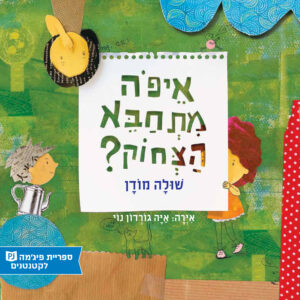
Can you find the cat on every page? Have you ever seen a head emerge from a teapot? Can you notice any other amusing details in the illustrations? Which materials and objects are the illustrations made of? You can look closely and discover new amusing details every time you read this book.
Activities You Can Do at Home
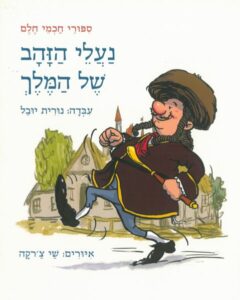
- Flip through the book, paying particular attention to the illustrations by Shai Charka. How did the illustrator choose to depict the behavior of the people of Chelm? You might ask your children to suggest other ways that the people of Chelm could have conveyed honor and esteem for their
- What makes you laugh? The Chelm stories paint human behavior in a ridiculous and amusing light. Similar tales — about Jucha, Hershele, and Chusham — appear in different cultures. Do you know any stories about these characters? You can look at home or at the library for more collections of humorous folktales and share them with your
- Spread a towel or rag on the floor, to symbolize the mud in Chelm’s streets, and use simple costumes and props (shoes, hats, scarves) to act out the
- The people of Chelm look for a way to distinguish the king from the rest of the townspeople, because it’s important that he “be honored at his full value.” After you read the story, discuss the value of deeds vs. status and honor. Ask your children what they think makes someone worthy of being honored?
- After reading the story, your children could try being “King for a Day.” A pretty scarf or shawl can be made into a robe; they can borrow mom’s or dad’s shoes; you could work together to make a crown. How does it feel to be like the king in the story? How do the onlookers (you–their parents!) honor him?
Family Activities
- In our story there are things that don’t fit into place, things that are ridiculous and the opposite of what one expects. You can thumb through the pages together, examining the illustrations and discovering these things.
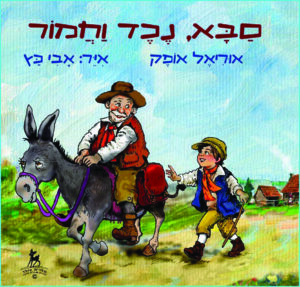
- The children can draw pictures of the grandfather, grandson and the donkey and paste them onto the backs of small magnets. The three characters are invited to set out on a “journey” on the refrigerator door or any oother metal surface. They can take turns, sometimes galloping and sometimes being carried.
- Instead of riding on the donkey, the grandfather and the grandson carry the donkey on their shoulders! Select an object, and use it in a different way than for what it was originally intended. Place a number of household objects with which the children are familiar in a box. Each participant takes out an object and uses it in a way that is different from its intended use.
- Who can keep a straight face? Each person in turn tells the next one: “My donkey, hee-haw,” and tries to get him to laugh. Continue saying this back and forth, faster and faster, until one of you bursts out laughing.
- Grandmother waits at home for Grandfather and the grandson. When they return, she is sure to ask them, “How was your journey?” You and your child can be the grandson and grandfather, and explain in your own words what happened on the way to the city.
- Share funny stories with your child. Think back to funny events that happened to you and share stories from the family lore. Be sure to explain the difference between “laughing at someone” and “laughing with someone”!
Sofma’asehbimachshavatechila (Think before you act)
“Sofma’asehbimachshavatechila” or, “Think before you act,” is an expression taken from the Shabbat hymn “LechaDodi” that Rabbi ShlomoAlkabetz wrote in France about 400 years ago. The hymn tells of G-d’s creating the world in six days with the thought that the Sabbath will arrive at the end of the week and will be the height of the creation.
A person who knows where he wants to go will have an easier time getting there. Is it possible to adopt every suggestion we are offered? How do we know which suggestion is the right one for us?
- When a donkey knows the path he will not stray from it. This is how he brings his rider to his destination in the safest way. Together you’re your child, look at the expression on the donkey’s face throughout the story. What, in your opinion, does he feel on hearing all the advice he receives?
- Each person who passes by gives the grandfather and the grandson advice, and the two become very confused. At the end of the day Grandfather says, “We can’t please everyone.” You can discuss with your child: Who knows us well? Whose advice should we accept? Whose opinion should influence us the least? When should we stand up for our rights and not be drawn into something we know is wrong, on the advice of others?
- Sometimes we feel that what others say is more important than our own inner sense of right and wrong. This is a good opportunity to help your children develop their self-esteem and trust their instincts. The absurd ending of the story illustrates with humor the price of going along with others without giving thought to one’s own beliefs.
- From start to finish: Using toy figurines, you can plan the route of Grandfather, grandson and the donkey with your child. Place pieces of Lego, blocks, or even pillows throughout the room. Before setting out, consider the route together, from the planning stage until the completion of the journey, and move the characters along the way from the stable to the city gate and back home again.
האם הילדים מכירים קומיקס?
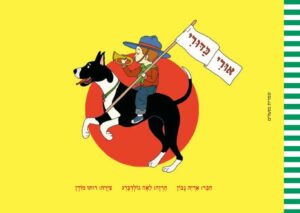
האם הילדים מכירים קומיקס? סיפור קומיקס, או “עלילון”, הוא בעצם סיפור כפול: הרפתקאותיו של אורי כדורי כפי שמתוארות במילים, ועלילת הציורים. לא צריך לדעת לקרוא כדי לפענח טורי קומיקס! ילדי הגן יוכלו “לקרוא” את הציורים ולספר את הסיפור במילים שלהם.
להסב את תשומת לב הילדים לכלב הגדול שלמלווה את אורי ברוב הרפתקאותיו
כדאי להסב את תשומת לב הילדים לכלב הגדול שלמלווה את אורי ברוב הרפתקאותיו. הכלב לא מוזכר בסיפורים, והוא פרי דמיונה של המאיירת רותו מודן. אפשר לשוחח עם הילדים, מה עושה הכלב בסיפורים?
לצייר טור קומיקס
ילדי הגן יכולים גם לצייר טור קומיקס. ניתן לבקש מהם לבחור סיפור מוכּר ולהכין ממנו קומיקס.
משחק: כל אחד בוחר חפץ בחדר ועושה בו שימוש מצחיק ובלתי-שגרתי
אחד הדברים המצחיקים ב”אורי כדורי” הוא השימוש הבלתי-שגרתי בחפצים מוכּרים. אפשר לשחק משחק: כל אחד בוחר חפץ בחדר ועושה בו שימוש מצחיק ובלתי-שגרתי. על השני לנחש לְמה הפך החפץ המוכּר.
לשאול את הילדים מה הם ממציאים ולבקש שיתבוננו בתמונות ויגלו מה החליט אורי לעשות.
אורי כדורי ממציא פתרונות מגוחכים לבעיות שונות (כיצד להתייבש לאחר הגשם, מה לעשות בקליפת בננה כשאין בסביבה פח, איך להתאים את גובהו של כסא לשולחן…). אפשר לקרוא את סיפורונים יחד ולעצור לפני הפתרון, לשאול את הילדים מה הם ממציאים ולבקש שיתבוננו בתמונות ויגלו מה החליט אורי לעשות.
לשוחח בקבוצות קטנות
האם עלילותיו של אורי כדורי הצחיקו את הילדים? איזה סיפור אהבו במיוחד? אפשר לשוחח בקבוצות קטנות, לבחון את הפרטים הקטנים שבאיורים ולאפשר לילדים להביע את העדפותיהם.
מפגש בדיחות וצחוק
בעקבות הקומיקס ולקראת חג פורים אפשר לערוך יחד עם ההורים “מפגש בדיחות וצחוק”, עם סדנאות לכתיבת קומיקס, שעשועים וחידות, ושירים היתוליים.
יצירות נוספות שכתבה לאה גולדברג
האם ילדי הגן מכירים יצירות נוספות שכתבה לאה גולדברג (למשל, “איה פלוטו?”, “דירה להשכיר”, “הילד הרע” ועוד)? אפשר להכיר לילדים את דמות היוצרת ולערוך תצוגה בגן. כדאי לבקש מהילדים לחפש בבית ספרים ושירים פרי עטה ולצרף אותם לתצוגה.
לספר את העלילה במילים
לא צריך לדעת לקרוא כדי לפענח טורי קומיקס! ילדיכם יוכלו “לקרוא” את הציורים ולספר את העלילה במילים שלהם.
להכין קומיקס
גם ילדים צעירים יכולים לצייר טור קומיקס. ניתן לבקש מילדיכם לבחור סיפור מוכּר ולהכין ממנו קומיקס.
לשחק משחק: כל אחד בוחר חפץ בחדר ועושה בו שימוש מצחיק ובלתי-שגרתי
אחד הדברים המצחיקים ב”אורי כדורי” הוא השימוש הבלתי-שגרתי בחפצים מוכּרים – למשל, כאשר אורי כדורי תולה את עצמו על חבל הכביסה, או מושיט חכה כדי לדוג דג זהב מתוך אקווריום. אפשר לשחק משחק: כל אחד בוחר חפץ בחדר ועושה בו שימוש מצחיק ובלתי-שגרתי. על השני לנחש לְמה הפך החפץ המוכּר.
לקרוא שוב את הקומיקס ולשאול את ילדיכם, מה הבעיה ומה הפתרון בכל סיפור?
כל אחת מעלילותיו של אורי כדורי עוסקת בפתרון מגוחך לבעיה שעומדת בפני הגיבור. אפשר לקרוא שוב את הקומיקס ולשאול את ילדיכם, מה הבעיה ומה הפתרון בכל סיפור? יחד תוכלו להמציא עוד פתרונות מצחיקים לבעיות.
מה מצחיק אתכם?
מה מצחיק אתכם? בעקבות הקומיקס ולקראת חג פורים אפשר לערוך “ערב בדיחות וצחוק” במשפחה.
יצירות נוספות שכתבה לאה גולדברג
האם אתם מכירים יצירות נוספות שכתבה לאה גולדברג? אפשר לחפש בבית, בספריית הגן או בספרייה המקומית ספרים ושירים פרי עטה וליהנות יחד גם מהם.
Activities You Can Do at Home
- You don’t need to know how to read to figure out what’s going on in these comic strips! Your children can “read” the pictures and tell the story in their own words.
- Even young children can draw a comic strip. Ask them to choose a story they know and create a comic strip out of it.
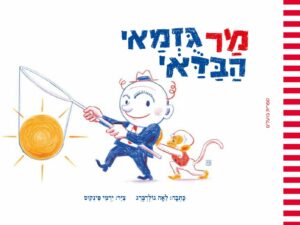
- Mr. Fibber the Storyteller uses his imagination to invent impossible tales. Children, too, can make up wildly exaggerated and imaginative stories. Together with your children, you could work on creating your own imaginary tale. One of you could begin: “One morning, I was on my way to kindergarten when I saw (fill in the blank)…” The next person might continue the story line with: “…when suddenly, I came to…” At the end of the story, you could select one of the imaginary situations you concocted together, and make illustrations for it.
- What makes you laugh? After you read these comics—maybe close to the Purim holiday—you could host a Family Joke Night.
- Do you know other books by Leah Goldberg? You might look for her stories and poems at your school or library, so you can read and enjoy them together. We hope you enjoy reading and talking about this book!
Activities to Do Together at Home
Where do you do your grocery shopping? At the corner store? The supermarket? Perhaps the farmers’ market (shuk)? Together with your children, you could find a cake recipe, make a list of all the necessary ingredients, and go shopping together. Then, when you come back home, bake the cake together and share it with your friends and family!
“Ding-ding when you enter, ding-ding when you leave.” You could make some bells for your door. Fasten some small bells, beads, shells, or even some old spoons or keys together. Hang them on the wall or suspend them from the ceiling right by the open door, and wait for the breeze to make your bells go “ding-ding.”
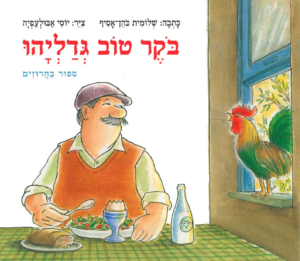
Mr. Gedalyahu dreams a strange but entertaining dream, mixing the real with the imaginary. Have a conversation about dreams with your children. See if they can recall a dream they dreamed. Talk about how sometimes you might feel unsure whether you’re asleep or awake, and about things that can happen in a dream but not in real life. Give free rein to your imagination—draw pictures of your dreams!
Explain to your children the meaning of the Psalm verse, “I have learned something from all my teachers,” and see if you can recall the wise sayings attributed to the cricket. You could choose one of the cricket’s sayings and draw a picture of it. Do you know any other wise sayings? Every creature can serve as a source of wisdom for us. You could ask your children from whom (or what) they have learned something.
In his dream, Mr. Gedalyahu sells unnecessary things to a hen, a goat, and a bee. Talk about buying things. Do you always buy only what you need? Or are you sometimes tempted to buy something you don’t really need? After reading the story, talk with your children about how to be a wise consumer and about the difference between something you need and something you perhaps want but don’t need – always remembering that dreams, too, hold an important place in our lives.
Proposed Family Activities:
- Perhaps you would enjoy looking at the illustrations and finding the child’s three friends, and their dog, who appear on almost every page. What are they doing in each picture? Are they taking part in the child’s adventures?
- You may want to look through the book together, and read the poems out loud. Unlike a story with a plot, a collection of poems can be read in any order you like. Is there one poem you consider to be your favorite? You could try to learn it off by heart.
- You could also try to write short imaginative poems about something you had supposedly done, or had happen to you.
- Following these short rhymes, you may want to play with words, and make up your own funny rhymes. Does your first name rhyme with anything? And does your other family members’
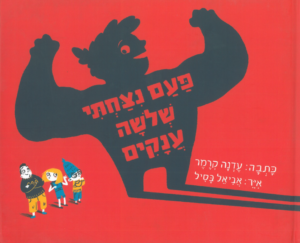
- The child in the poems experiences funny, unexpected adventures: he rides a cloud; fights giants; and takes a walk in the street with an elephant. Perhaps you’d like to imagine yourself as the child: what would the spaghetti have turned into then? Who would you have taken elephant-back riding? And who would you allow into your secret room? Perhaps you would like to illustrate your own imaginative poems, or draw your secret room.
- Using your imagination may help to cope with daily limitations or difficulties. You may want to think of everyday situations together in which our imagination could help, and ask questions such as: “If I were as tall as a giraffe…”; “If I could fly in the sky…”, or “If I could be in two places at once…”. You may enjoy drawing these imaginary situations, and create your own “If I were…” scrapbook.
Family Activities
- You may enjoy looking at the illustrations and looking for other funny things about Chełm. Have you noticed the square wheeled bicycle? Try to guess why the lady sitting on the bench is hiding under an umbrella.
- Did you find this story funny? Do you know other stories about the people of Chełm, or tales about Hershele and Juha? You may want to read them together, or simply tell each other jokes.
- Perhaps you’d like to look out the window and search for the moon. What does it look like? You could draw the moon you saw, and hang the drawing by the window. Then return to the window and look at the moon again several nights later – does the moon look any different?
- You may enjoy taking a nocturnal walk together. Does your street look any different at night? What do you see? What sounds do you hear? You could look up at the sky, search for the moon, be reminded of the people of Chełm, and laugh…
Who likes making crescent-shaped biscuits?
Ingredients:
100g of caster sugar
150g of butter
1 tsp of vanilla essence
1 tsp of lemon zest
2 cups of flour
1 flat tsp of baking powder
4 tbs of ground almonds
Castor sugar for sprinkling on baked biscuits
Instructions:
Mix the castor sugar and butter together in a mixer.
Add the vanilla essence and lemon zest.
Add the flour, baking powder and ground almonds, mixing it all together to form dough.
Take a piece of dough, roll it into a long, thin roll, and cut small crescent-shaped “tubes” out of it.
Place the little crescents on a cooking tray covered with parchment paper, and repeat until all the dough is used.
Bake in a preheated overn set to 175 degrees Celsius for 15 minutes, or until the edges of the crescents begin to turn golden.
Cool and sprinkle castor sugar.
Bon Appétit!
Enjoy reading and discussing the story together!
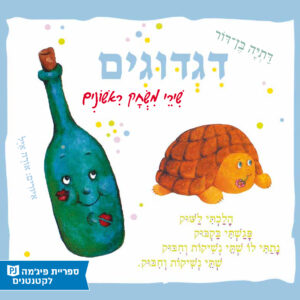
One of These Is Not Like the Others
From Head to Toe
Tickles
Four Shlofnoche in a Boat
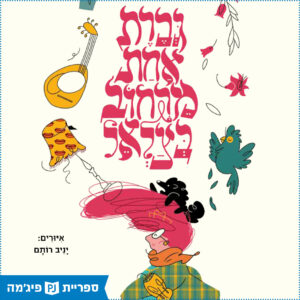
A Woman from Betzalel Street
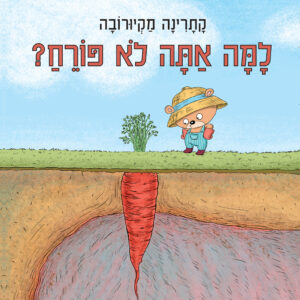
Why Don’t You Flower?
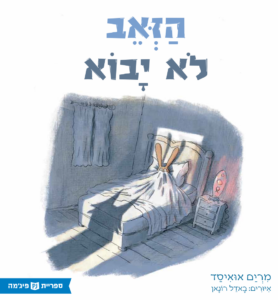
The Wolf Will not Come
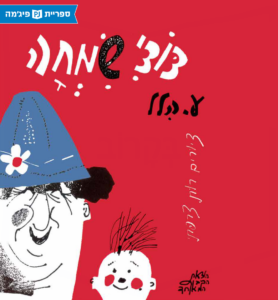
My Uncle Simha
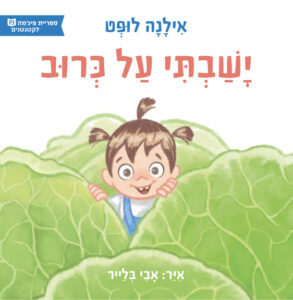
I Sat On a Cabbage
Winston was Worried
One Last Thing before Bed
Big Cat, Small Cat
Fed Up
One Last Story
Oh No, George!
It’s Crowded at Home
Wanted: The Perfect Pet
Shafan (Hyrax)
Masquerade
The Scatterbrained Man from Azar’s Village
Where’s the Laughter?
The King’s Golden Shoes
Grandfather, Grandson and a Donkey
Uri Kadori
Mr. Fibber the Storyteller
Good Morning, MrGedalyahu
Once I Knocked Down Three Giants
The People of Chełm and the Moon