ספרים אשר עוסקים בסובלנות יכולים להוות השראה ופתח לשיחה על המפגש עם מי ששונים מאתנו בדעותיהם, אמונותיהם או במנהגים שלהם. הספרים שלפניכם מעודדים את מציאת המשותף, ומסייעים בפיתוח היכולת לקבל ולכבד את האחר כשווה לנו, גם אם אינו דומה לנו.
גלי וגאיה אוהבות לעשות דברים יחד, אבל גם לחוד: תוכלו לשוחח ולגלות: מה הפעוטות אוהבים לעשות עם אח, עם חברה או איתכם, ההורים? ומה הם אוהבים לעשות בעצמם, לבד?
משחק תנועה כמו גלי וגאיה, אפשר לצעוד ביחד: תוכלו להכין בבית שביל ולסמן אותו בחבל או בחפצים שונים, וללכת בטור – זה אחר זה ואולי יחד, זה לצד זה. אפשר גם להתחלף, כשכל פעם המוביל קורא: "בואו אחריי!"
או במעון – המחנכת הולכת בכיתת המעון, והפעוטות הולכים אחריה. מדי פעם המחנכת עוצרת ועושה פעולה מסוימת, והפעוטות מחקים אותה: נוגעים באף, קופצים כמו צפרדע, עפים כמו פרפר, נוגעים בחפצים שונים בכיתה ואומרים את השמות שלהם: שולחן, כיסא או ספר.
כדאי ללוות את ההקראה בתנועות שמסבירות את המילים: כשגלי אומרת "בואי אחריי", סמנו עם היד תנועה של "לבוא". כשגלי לא באה, סמנו עם הראש ועם היד תנועה של "לא". המחשה והצגה המחשה – בארגז הספרים מחכָּה לכן המחשה של גלי וגאיה במהלך הקריאה. להציג יחד – שתי מחנכות מציגות את גלי וגאיה: מה הן עושות יחד, ומה הן עושות לחוד. שיחה כדאי להתחיל בשאלות על תוכן הספר: מה גלי וגאיה עושות יחד? מה הן לא עושות יחד? מה עושה גלי, ומה עושה גאיה? בשלב הבא תוכלו לשאול את הפעוטות על עצמם: מה אתם עושים עם חברים וחברות: משחקים יחד? אוכלים יחד? ומה עוד?
תוכלו למצוא את בעלי החיים באיורים שבספר ולציין את שם החיה: ברווז, חיפושית, פרפר, צפרדע, כבשה. אתן והפעוטות יכולים להשמיע את הקול שלה ולהציג כיצד היא הולכת וזזה: "איפה הכבשה? בואו נִפְעֶה כמו הכבשה: מֶה מֶה מֶה." "איפה הצפרדע? איך מקרקרת צפרדע? בואו נקפוץ כמו צפרדעים!"
בית בונים ביחד או שלא בונים בכלל!
פעילות בעקבות ״איך בונים בית?״ שכתבה מיה מיטב ואיירה טליה דריגס.מה צריך?
☑️ נייר סול
☑️ מספריים
☑️ דבק
☑️ דמיון, יצירתיות ושיתוף פעולה!כל ילד וילדה חותכים בנפרד צורות פשוטות בצבעים שונים. אחר כך כולם מצטרפים זה לזו ומדביקים ביחד את החלקים, עד שמקבלים בית לתפארת שכולם עזרו לבנות 🏠
קראתם את הסיפור כמה פעמים? עכשיו כדאי לעודד את הילדות והילדים לנסות "להקריא" לכם את הסיפור במילים שלהם. שחזור הסיפור, בעזרתכם, תורם ליכולת ההבעה ולרכישת אוצר המילים ובעיקר – להנאה המשותפת מהסיפור.
כל הבתים בנויים מקירות וגג, דלתות וחלונות; מה מיוחד בבית שלכם? מה הופך אותו לשלכם? תוכלו לשוחח על חפצים ופריטים מיוחדים שנמצאים בבית שלכם ועל דברים שאתם עושים יחד בבית.
בכל סבב, אחד המשתתפים מכריז על נושא וכל שאר המשתתפים צריכים לשתף פעולה ולחפש יחד פריט מתאים: כשמכריזים "אדום" מחפשים בבית פריט אדום. בסבב הבא, משתתף אחר מחליט על נושא החיפוש, והשאר ממשיכים לחפש. אפשר לחפש פריטים שמתאימים להכרזה: "גדול", "קטן", "חמוד", "יָשָׁן", "צבעוני", "מעצבן" או "גלגל".
הטרמה – רצוי להקריא את שם הסיפור ולשאול: איך, לדעתכם, בונים בית? איך מתחילים? במה יש צורך? מומלץ להקריא את הספר בקבוצות קטנות, לשוב ולספר אותו כמה פעמים ולהפנות את תשומת הלב למסרים בסיפור, לאיורים ולהשתלשלות העלילה. לאחר הקריאה הראשונה – רצוי לברר הבנה מילולית: מה רצו הילדים לעשות? מי השתתף בבניית הבית? מה הִציעו הילדים? מדוע הבית התפרק בתחילה? מה סייע לילדים להצליח? מה קרה לליה? בסיפור יש מסרים סמויים – עידוד שיתוף פעולה, קידום חֲבֵרוּת והתחשבות. כדי לסייע לילדות ולילדים לגלות מסרים אלו, חשוב לשאול על הרגשות של הדמויות בסיפור: האם הילדים שהחלו את תהליך הבנייה אִפשרו לילדים נוספים להעלות רעיונות ולהצטרף? מדוע? כיצד הרגישו הילדים שהצטרפו? כיצד הרגישו הילדים כשהבית נהרס? כיצד הרגישה ליה כשהילדים האשימו אותה? וכיצד היא הרגישה כשהוזמנה לחזור? התבוננות באיורים יכולה לעזור בהבנת הרגשות שבסיפור. ייחוס וחיבור אישי למסרים – בשלב זה ניתן לשאול: האם גם לכם בגן יש לפעמים רעיונות משותפים? שיתוף פעולה תורם לתחושת הביטחון והשייכות. זו הזדמנות להכיר את המושג ולשלב אותו בשפת הדיבור והמעשה בגן. תוכלו לשאול: האם החברים בסיפור בנו יחד או שכל חבר וחברה בנו בנפרד? האם גם אתם בונים או מרכיבים דברים עם חברים בגן? אֵילו משימות אנחנו מבצעים בגן יחד, בשיתוף פעולה? אולי סידור החצר? ומה עוד? להעשרה – מילתהיוםבגן – יחד משחקישיתוףפעולה, אתר יוצרות שפה
לבד או יחד? – הגננת יכולה להניח חפצים קטנים על גבי משטח קשיח ולספר שעליה להעבירו לפינה בחדר. האם אפשר לעשות זאת לבד? – אחרי ניסיון והדגמה הגיעה העת לבקש מתנדבים לעזרה: הם יאחזו בקצות המשטח ויעבירו אותו יחד. ניתן לשאול – האם, לדעתכם, היה קל יותר לבצע את המשימה לבד או יחד? מדוע? יצירה משותפת – אפשר ליצור יחד יצירה חופשית בצבע או בהטבעת כפות הידיים על גבי משטח גדול . כדאי להתבונן יחד ביצירה ולהדגיש איך כל אחד תרם את חלקו לטובת משהו גדול ומשותף.
מה לעשות כשלכל אחד דעה שונה? – לשחק יחד, להחליט יחד ולהתפשר הם אתגרים בכל גיל, במיוחד בגיל הילדות. תוכלו לחזור אל הסיפור ולמצוא דוגמאות לכך. בהמשך אפשר לשאול: האם הילדים הסכימו על כל דבר? האם הם אמרו את דעתם זה לזה? האם בכל פעם אותם הילדים ויתרו? מה אתם עושים כשאתם רוצים לשחק באופן מסוים וחבר רוצה לשחק אחרת? מה אפשר לעשות כשלא מסכימים? לשתף חברים – בהשראת הסיפור ניתן לעודד ערנות למצבים שבהם חברים וחברות בוחרים שלא להשתתף בפעילות, או למקרים שבהם הם נעלבים ופורשים מהפעילות, ולטפח חֶמלה. תוכלו לחזור אל הסיפור בשעת הצורך ולשוחח: למה ליה הלכה? מה ומי עזרו לה לחזור? מה אפשר לעשות כשרואים חבר עצוב שיושב בצד?
כמו בסיפור, גם ילדי הגן יכולים לבנות בית ממגוון חומרים בקבוצה תוך שיתוף פעולה וקבלת החלטה משותפת. חשוב לאפשר להם להיות פעילים בתהליך התכנון, היישום והביצוע, וכך לסייע בפיתוח אישיותם, העלאת ביטחונם העצמי ותחושת המסוגלות שלהם. תהליך שכזה גם מכבד את הבחירות שלהם ומאפשר להם לממש אותן.
רצוי לשאול: איזה בית הייתם רוצים לבנות ולאיזו מטרה: בית לילדי הגן, בית לצעצועים, בית לציפורים בחצר, ואולי בית אחר?
הילדים יבחרו את החומרים שישתמשו בהם, יקבעו את סדר הפעולות ואת התפקיד של כל אחד ואחת בתהליך שייעשה בתיווך הגננת כדי ששיתוף הפעולה יהיה במיטבו.
במהלך הבנייה כדאי לעצור ולבדוק: האם יש צורך בשינוי? האם מישהו לא מרוצה? האם נתקלנו באתגר חדש?
את התוצרים אפשר להציג בתערוכה ולשתף את המשפחות. להרחבה – מקימיםביתןמקרטוניחלב מהעושיםכשנתקליםבקושי
ניסוי וטעייה – האם נוכל להרכיב קודם כול גג ורק אחר כך את הקירות? אפשר לחלק את הילדות והילדים לקבוצות. כל קבוצה תתנסה בעזרת קוביות או קופסאות ותתייעץ בנוגע למה שכדאי לעשות. הבתים מסביבנו – אפשר לצאת לטיול סביב הגן ולבחון את הבתים והבניינים – האם הם על עמודים או על יסודות אחרים? להרחבה – תהליכיתיכון– תכנוןובנייהבגן
המאיירת איירה בועיות דיבור שבהן היא מביאה את קולה של בובת הצב. בקריאות הנוספות אפשר להציג את הטכניקה ולהסביר אותה ולקרוא את תוכן הבועיות. לאחר מכן אפשר לחשוב עם הילדים מה היה הצב יכול לומר בשאר חלקי הסיפור.
אנו מזמינים אתכם/ן להאזין להקלטה הקסומה של הסיפור "פיל ישן על השביל", מאת: שרון אולמן סטפנסקי | איורים: ליאור קציר | הוצאת: ידיעות אחרונות-ספרי חמד (גנים)
יוצרים ומגישים – ירדן בר כוכבא – הלפרין ודידי שחר
מוזיקה ונגינה – טל בלכרוביץ'
פתיח – דידי שחר
חטפו לי, לקחו לי, הפריעו לי, הציקו לי – מה אני עושה? תוכלו לחשוב יחד על תגובות חיוביות כמו להשתמש במילה "בבקשה", או להסביר מה מפריע לכם. אפשר ליצור קובייה מנייר, לכתוב כל מיני תגובות חיוביות על גבי הפאות שלה ולהוסיף איור שמתאר את הכתוב. וכך, בכל פעם שתיתקלו בבעיה תוכלו לזרוק את הקובייה ולראות כיצד היא מציעה להגיב.
בספר מופיעות חיות שונות: איזו חיה מייללת? איזו חיה מטילה ביצים? ואיזו חיה גרה ברפת? בואו נגלה: אחד מהמשתתפים בוחר חיה ושאר בני המשפחה צריכים לגלות איזו חיה בחר בעזרת הצגת שאלות, ונעזרים ברמזים אותם נותן הבוחר: החיה שבחרתי מייללת, החיה שלי חיה בדיר. מוסיפים רמזים עד שמגלים מהי החיה שנבחרה.
תוכלו להמחיז את הסיפור בעזרת בגדים, כובעים, אביזרים, או בובות פרווה. אפשר להשמיע את קולות בעלי החיים, להציג כיצד מגיבה כל חיה כשהיא פוגשת בפיל, או להיות הפיל שישן לו על השביל.
מה זה אומר "להיות מנומסים"? למה מתנהגים בנימוס? אילו מילות נימוסין אתם מכירים? ניתן לשוחח עם הילדים והילדות ולבקש מהם דוגמאות להתנהגות מנומסת: לחכות בתור, לא להתפרץ לדברי אחרים וכדומה.
כדאי לחשוב יחד מה היה קורה אילולא היינו מתנהגים בנימוס.
אפשר לבקש מזוגות של ילדות וילדים להציג התנהגות מנומסת: מה אומרים כשרוצים לשחק במשחק שחבר משחק בו? ומה כדאי להגיד כשרוצים להתנדנד, וחבר או חברה מתנדנדים עכשיו בנדנדה?
אפשר ליצור יחד "אוצר" של מילות נימוס ובכל פעם להתמקד ב"מילת היום" או ב"מילת השבוע" ולנסות להשתמש בה כמה שיותר בהקשרים המתאימים.
מהו שביל? דרך צרה לתנועת הולכי רגל ובהמות (מתוךOxford Languages – google). אנו מכירים מילים נוספות שמציינות מַעֲבָר: דרך, נתיב, מסלול, משעול, אורַח, מִרְעוֹל, רחוב, מסילה…
הסיפור הוא סיפור מצטבר, כלומר סיפור שהעלילה בו מצטברת, ובכל שלב נוספת אפיזודה שהיא נִדְבָּךְ נוסף בסיפור.
הסיפור מתאים להמחזה גם עם ילדים צעירים מאוד. אפשר להציע לילדים ולילדות ליצור תיאטרון בובות או תיאטרון צלליות.
כדאי לחשוב עם הילדים כיצד אפשר להפוך את הסיפור למחזה – נזדקק לשחקנים, לבמאים, לסדרנים, לתפאורנים, לאנשי סאונד ולמי עוד?
אפשר להציע לילדים לבחור תפקידים.
אם הוספתם אפיזודות לסיפור, ניתן לשלב אותן בו, ליצור יחד את התפאורה ואת התלבושות, לבחור קטעי מוזיקה להשמעה במשך ההצגה, לסדר מקומות ישיבה, להכין כרטיסים והזמנות ועוד…
מי יוזמן להצגה? נחשוב עם הילדים את מי בקהילה שלנו נרצה להזמין: האם את ילדי הגן? את ילדי הגן השכן? את ההורים? ואולי קהל אחר?
להשראה – ילדים בקדמת הבמה ומאחורי הקלעים – סרטון מהמרחב הפדגוגי
נעירה, שאגה, יללה, געייה – בעקבות החיות שבסיפור וקולותיהן אפשר להכיר את השמות של הקולות שבעלי חיים שונים משמיעים. תוכלו להדגים קול של חיה, לקרוא לו בשם, לבקש מקבוצת ילדים שתשמיע אותו ולבסוף ליצור מקהלה של חיות שנוערת, שואגת, מייללת וגועה.
חֵקר נמלים – מה הילדים והילדות היו רוצים לדעת על נמלים?
תוכלו לחשוב יחד אילו שאלות מעניין אתכם לשאול, ולאחר מכן לערוך תצפית ולחפש תשובות לשאלות. תוכלו לגלות אם נמלים נוהגות ללכת בשיירה או לבדן, לבדוק מה הן סוחבות, להתבונן בקן של נמלים ולהיעזר בזכוכית מגדלת בתצפית על נמלים. אפשר לשער מה היה קורה אילו היינו מתבוננים בפיל בזכוכית מגדלת.
חקר בעלי חיים – באופן דומה תוכלו לעניין את הילדים והילדות בחקר חיות נוספות ולהזמין אותם לבחור חיה ולהעלות שאלות: מה פרה אוכלת? איך חמור מתנהג? איך פילים ישנים?
קשר עם הבית – את השאלות שהעלו ילדי הגן הם יכולים להציג לפני בני משפחה, שכנים או חברים, לקבל מהם מידע, לצפות בסרטונים מעניינים על חיה זו ולשתף את ילדי הגן במה שגילו.
לוח עזרה הדדית – בשיתוף הילדים תוכלו להכין לוח קיר "ככה חברים עושים" עם דוגמאות לעזרה הדדית הלקוחות מהנעשה בגן. אפשר גם לנסח יחד אמנת חברוּת של הגן שלכם.
הילדים משתפים – למי יש כלב? למי יש חתול? האם מישהו מגדל פילון בבית?! תוכלו לבקש מהילדים להביא תמונה של חיות המחמד שלהם או את חיות המחמד עצמן ולספר עליהן ועל הטיפול בהן.
חוקרים חיות – איך נראה בואש? מה אוכל קיפוד? כיצד עטלפים ישנים? הילדים יכולים לחקור את החיות האהובות עליהם ולהכין תעודת זהות שלהן. אפשר גם להמציא חיה שלא קיימת. את תעודות הזהות של חיות המחמד ניתן להציג על לוח קיר בגן. לחצו כאן לדוגמה לתעודת זהות מקוונת.
"יום מועדונים" בגן – בשיתוף הילדים אפשר להעלות רעיונות למועדונים בתחומים אהובים, למשל ספרים, שירים, גינון וכמובן חיות מחמד. מתכננים יחד דוכנים או עמדות של המועדונים, והילדים מסתובבים בין התחנות ונהנים.
משחק "כאילו" – כדאי לדאוג לבובות שיעודדו את שילוב הסיפור במשחק הסוציו-דרמתי של הילדים. אם אין לכם בובות שמייצגות את כל החיות בסיפור, אפשר להכין אותן עם הילדים. באמצעות חיקוי הדמויות בסיפור ובעזרת משחקי "כאילו" ספונטניים הילדים יכולים להתנסות בחברוּת, בדאגה ובשיתוף.
בית מארח – בשיתוף ההורים אפשר לחלק את הילדים ל"בתים מארחים" בעקבות הסיפור. כל קבוצה מקימה "מועדון חברים" בבית אחר, שבו קוראים ספרים אהובים, מְשַׂחקים מִשחקים שקשורים לבעלי חיים ויוצרים יחד קולאז' מקטעי עיתונים שמבטא "מיהו חבר?" בעבורם. את הקולאז'ים ניתן לתלות על לוח בגן.
כדאי לשבת קרוב ולעיין יחד בספר. שאלו את ילדיכם: האם משהו באיורים הצחיק או העציב אתכם? האם אתם מכירים את כל החיות שבסיפור? האם לדעתכם כולן מתאימות להיות חיות מחמד? תוכלו לדמיין יחד: אילו יכולתם לגדל חיית מחמד שונה מהרגיל, איזה בעל חיים הייתם בוחרים?
כדאי לעצור בעמוד שבו מגיעים הילד והפילון למועדון, ולהקריא בקול את הכתוב על השלט. אפשר לשוחח: מדוע לדעתכם לא מכניסים פילים למועדון? איך מרגישים הילד והפילון? לפני שממשיכים בקריאה אפשר לשער: מה לדעתכם יעשה הילד?
’‘כי ככה חברים עושים‘‘ – תוכלו לשתף את ילדיכם בחברות מיוחדת מילדותכם. מה אהבתם לעשות יחד, במה שיחקתם? מיהם החברים של ילדיכם, וכיצד הם אוהבים לבלות יחד? אולי יש ילד או ילדה מהגן שעוד לא ביקרו אצלכם? אפשר לערוך מפגש חברים מכל הגילאים – כי למועדון המשפחתי כולם מוזמנים!
פִּיצִי וצְבִיצִי מחפשים חבר, אבל כל החברים עסוקים. רק צְבִיצִי, שהגיע ראשון הביתה, ופִּיצִי, שאף פעם לא יוצא מהבית, נמצאים בבית. הסיפור מְזַמן שיחה על שִעמום, על בדידות ועל חברות. מה אתם אוהבים לעשות לבד, ומה אתם אוהבים לעשות עם חברים? מי יוזם מפגשים בין חברים, הילדים או ההורים?
הכינו "דומינו חברים מכל מיני סוגים". קחו קלפי קרטון קטנים וציירו קו לרוחב כל קלף. בכל חלק ציירו חבר אחר. וכך מתנהל המשחק: כל משתתף מקבל חמישה קלפים, ואת השאר מניחים בקופה. מניחים קלף ראשון מהקופה במרכז. את המשחק מתחיל המשתתף הצעיר ביותר והוא מניח קלף שאחד מצדדיו צבוע בַּצבע של הקלף שבמרכז. התור עובר למשתתף השני, והוא ממשיך את הרצף באחד מצִדי הדומינו. מי שאין בידו קלף מתאים, לוקח אחד מהקופה. את קלפי המשחק אפשר לגזור מקרטון של קופסת דגני-בוקר גדולה או מכרטיסי מגנט שמקבלים לפעמים כפרסומת. דומינו שקלפיו עשויים מכרטיסי המגנט אפשר לשחק גם על המקרר או על הדלת.
"גדול השלום שכל הברכות כלולות בו" "גדול השלום, שכל הברכות כלולות בו" (ויקרא רבה ט ט). משמעות אִמרה זו היא שהמילה "שלום" כוללת בתוכה את כל הברכות שאנשים מברכים זה את זה.
חִשבו על כמה ביטויים הכוללים את המילה "שלום", למשל "שלום וברכה", דרישת שלום", "שבת שלום". מתי אומרים כל ביטוי? חידון בפנטומימה: משתתף אחד מציג בפנטומימה (בתנועות בלבד, ללא מילים) ביטוי שכולל את המילה "שלום". הצופה צריך לזהות את הביטוי.
פִּיצִי וצְבִיצִי לא יכלו להיות חברים כי לא הבינו זה את זה. כל אחד מהם עובר ליד השני כל כך מהר, שהוא מספיק לשמוע רק חצי ברכה. משחק "טלפון שבור": בני משפחה וחברים יושבים במעגל. הראשון במשחק חושב על מילה ולוחש אותה לזה שיושב לצדו. השני לוחש את המילה באוזן של השלישי, וכך הלאה. כשהאחרון לוחש מילה באוזן של המשתתף הראשון, מתברר בדרך כלל כי לא זו המילה שהניעה את המשחק!
יש שירים רבים הכוללים את המילה "שלום". בליל שבת שרים שיר שבו מברכים את מלאכי השלום המגיעים עם השבת: "שָׁלוֹם עֲלֵיכֶם, מַלְאֲכֵי הַשָּׁרֵת, מַלְאֲכֵי עֶלְיוֹן / מִמֶּלֶךְ מַלְכֵי הַמְּלָכִים, הַקָּדוֹשׁ בָּרוּךְ הוּא. בּוֹאֲכֶם לְשָׁלוֹם, מַלְאֲכֵי הַשָּׁלוֹם, מַלְאֲכֵי עֶלְיוֹן / מִמֶּלֶךְ מַלְכֵי הַמְּלָכִים, הַקָּדוֹשׁ בָּרוּךְ הוּא". (מחבר הפִּיוּט לא ידוע). האם אתם מכירים שירים נוספים הכוללים את המילה "שלום"? השיר יכול להיות בשפה העברית או בשפות אחרות.
כל אחד רוצה לזכות בברכת שלום לבבית מהחבר שלו. היכנסו אל הגן בבוקר וברכו את הגננת בחיוך ובברכת שלום מכל הלב. שימו לב איך תגיב. יש אנשים שאתם תמיד פוגשים בדרך לגן: השומר בכניסה לגן, המוכרים בחנויות, ועוד. ברכו גם אותם והתבוננו בפנים שלהם. בערב ברכו ב"שלום" נעים את בני המשפחה החוזרים הביתה. שאלו אותם איך הרגישו למשמע הברכה, ומדוע חשוב להם לשמוע ברכה כשהם נכנסים.
"גדול השלום שכל הברכות כלולות בו" קשטו קיר בגן עם ביטויים שיש בהם המלה "שלום", למשל: שבת שלום, דרישת שלום, הברכה "שלום עליכם", והתשובה "עליכם השלום", עושה שלום במרומיו, שלום על ישראל, להקדים שלום ולהשיב שלום, מה שלומך?…
משחק "מצב הרוח" אחד מילדי הגן יוצא רגע מהחדר, ונכנס אל תוכו עם הבעת פנים מיוחדת: שאר המשתפים חוזרים על אותה הבעת פנים. אחר-כך כל אחד אומר איזה מצב רוח לפי דעתו, מביעה הבעת הפנים.
העמידי את הילדים בזוגות זה מול זה. המשתתף הראשון עושה פרצופים ותנועות. המשתתף השני מחקה את התנועות ומנסה להידמות לו כמי ראי. אחר כך מחליפים תפקידים. תוכלי להעזר בשיר של דתיה בן דורמ"פרפר נחמד" – "בדיוק אותו דבר" – עם פנטמימה של חיקוי תנועות)
"כַּמַּיִם הַפָּנִים לַפָּנִים, כֵּן לֵב הָאָדָם לָאָדָם" (משלי כז,יט) הפסוק כתוב בשפה של שיר, ששונה מעט מהשפה בה אנחנו מדברים. הוא אומר שכמו שהמים הם מראה לַפָּנִים, לצד החיצוני שלנו, כך הלב של החברים הוא מראה לפנימיות שלנו. אנו "רואים" דרך הלב שלהם איך אנחנו מתנהגים. כשאנחנו שמים לב ל"לב" של החבר או החברה, כלומר לרגשות שלהם, אנחנו יכולים לראות איך ההתנהגות שלנו משפיעה עליהם. אם המשחק איתנו נעים להם, או אולי כדאי לשנות אותו. שוחחי עם הילדים על כך שמאור פנים ויחס חיובי מביא תגובת ראי המצד השני. פִּיצִי וצְבִיצִי רבו בתחילה על הפנים המשתקפים במים, אך בהמשך למדו שניהם להסתכל גם ב"ליבו" ורגשותיו של החבר ולראות דרך ההתנהגות שלו אם המשחק נעים לו. כך מצאו שניהם סוף סוף עם מי לשחק.
עלילת הסיפור מתאימה מאוד למשחק סוציו-דרמטי: תוכלי להכין עם הילדים תחפושות של צבי (קרניים?) וצב (שריון?) או להשאיר כמה סטים בארגז תחפושות. הסיפור מזמן עבודה בתנועה – קצב מהר/לאט, זוגות משקפים את תנועות האחר….
פיצי וצביצי מחפשים חבר, אבל כל החברים עסוקים. סיטואציה זו מוכרת היטב לילדי הגן, בפרט בכניסה לגן בבוקר ובזמן משחק חופשי. שימי לב ליוזמות ונסיונות הצטרפות למשחק, בעיקר בזמן משחק חופשי בתוך הגן ובחצר.
כדאי לקרוא את הספר בקבוצות קטנות ולאפשר שיחה פתוחה בשאלות ונושאים רגשיים וחברתיים, למשל: מה מאפיין את החברות בין הפרפרים ואיך הם מרגישים לאורך הסיפור? האם חייבים תמיד לצרף אחרים למשחק? כיצד מצטרפים למשחק קיים, ועוד.
רצוי להזמין את הילדים להתבונן מקרוב באיורים המיוחדים של אורית ברגמן. אם יש בספריית הגן גרסה אחרת של הסיפור תוכלו להשוות את האיורים. כדאי לעודד את הילדים להביע את דעתם ואת טעמם האישי, ולהזמין אותם לצייר את הסיפור.
הסיפור מזמן עיסוק בטבע בשעת גשם וסערה בחורף ובהתעוררות הפרחים והפרפרים באביב המתקרב. תוכלי לשלב את הסיפור בטיול בקרבת הגן, בעיון במגדירי פרפרים ופרחים ובהתבוננות בטבע סביבנו.
הסיפור מתאים מאוד להמחזה. תוכלי לערוך המחזה של הסיפור עם הילדים, בקבוצה קטנה או במליאה הכללית. אפשר לשלב את ההמחזה בפעילות רחבה יותר הכוללת מוסיקה ותנועה, הכנת תפאורה ותלבושות, סידור מקומות, "מכירת" כרטיסים, והופעה בפני קהל – גן אחר או ההורים.
יצירות ספרותיות רבות נוגעות בדילמות חברתיות ובערכים שבין אדם לחברו. תוכלו להרחיב את העיסוק בנושא באמצעות ספרים נוספים כמו: "המטריה הגדולה של אבא", "מעשה בחתוליים" של ע. הלל, "המדינה של ילדי הגן" של אמונה אלון, "רוגז" של מרים ילן-שטקליס ועוד.
לאייר קלסיקה כמו 'שלושת הפרפרים' של לוין קיפניס זו חויה מלהיבה ומפחידה בו זמנית.
שני מוטיבים הנחו אותי כשנגשתי לאייר את הספר: חברות וקרבה לטבע.
ניסיתי ליצור שלושה פרפרים המובחנים האחד מהשני לא רק בצבע אלא גם באישיות, כמו שקורה הרבה פעמים בין חברים, ולייצר הרמוניה בתנועה התעופה ביניהם המעידה על היחסים ביניהם.
הקפדתי לדייק בתאורי הטבע שבספר, ולצייר צמחים פשוטים ומוכרים. מעבר לחבצלת ולצבעוני המופיעים בטקסט הוספתי חמציץ -פרח המוכר לרוב הילדים (הפרח הצהוב המופיע ברבים מהאיורים), כדן, פרח קטן ובישני הנפוץ ברוב חלקי הארץ, והרבה סוגי עלים שלרוב מתעלמים מהם, אבל לדעתי הם יצירות טבע נהדרות.
את הפרפרים ציירתי לפי פרפרים מוכרים בארץ: לבנין הכרוב, זנב סנונית ונמפית (שהיא כתומה בארץ, אך יש גם נמפיות אדומות בעולם).
מאז שעברתי לגור באיזור כפרי אני מסתכלת כל יום על הטבע שסביבי, והדבר הכי מרתק בו הוא השינוי התמידי- התנועה הגדולה של עונות השנה, וזאת הקטנה של זהרורי השמש, הרוח בעלים וההתרחשות הבלתי פוסקת של עולם החרקים. ניסיתי לצייר את הספר מנקודת מבט של פרפר שכל משב רוח הוא טורנדו עבורו, וכל רגע של שמש – מסיבה.
הסיפור "שלושת הפרפרים" ראה אור לראשונה ב-1938 ומאז מלווה דורות של ילדי ישראל. האם אתם מכירים גרסה קודמת של הספר באיורים אחרים? כדאי להתבונן יחד באיורים של אורית ברגמן. האם שמתם לב שכנפי הפרפרים צבועים ביותר מצבע אחד? אפשר לחשוב יחד מדוע בחרה המאיירת לצבוע כך את הפרפרים.
שלושת הפרפרים דואגים זה לזה ואינם מוכנים להיפרד. כדאי לשוחח יחד על חברות וערבות הדדית, בין בני משפחה ובקרב חברים. אפשר להיזכר בחברים שלכם ושל ילדיכם ובמה שאתם אוהבים לעשות יחד. בעקבות הסיפור תוכלו לשאול את ילדיכם אם קרה שלא הרשו להם או לחבר להצטרף למשחק, איך הרגישו אז ומה עשו.
הפרחים מוכנים להכניס לביתם רק את מי שדומה להם בצבע. תוכלו להשוות את האיורים של הפרחים והפרפרים. במה הם דומים זה לזה? במה הם שונים? תוכלו גם לשאול את ילדיכם מה דעתם על התנהגות הפרחים.
אפשר להמחיז את הסיפור כמשפחה, לבושים בצבעי הפרפרים והפרחים שבסיפור. אפשר גם להכין תאטרון בובות עם דמויות של הפרפרים והפרחים ממקלות של ארטיק ונייר צלופן.
כדאי לצאת לטבע ולחפש פרפרים ופרחים! כמו בסיפור, גם בטבע פרפרים ופרחים שונים זה מזה ולכל אחד צבעים וצורות אחרים. האם ראיתם פרח צבעוני או חבצלת? כמה סוגי פרפרים מצאתם ומה צבעם? אולי אתם מכירים שמות של פרפרים? תוכלו לחקות את תנועות הפרפרים ולהמציא יחד את "ריקוד הפרפרים".
לאייר קלסיקה כמו 'שלושת הפרפרים' של לוין קיפניס זו חויה מלהיבה ומפחידה בו זמנית.
שני מוטיבים הנחו אותי כשנגשתי לאייר את הספר: חברות וקרבה לטבע.
ניסיתי ליצור שלושה פרפרים המובחנים האחד מהשני לא רק בצבע אלא גם באישיות, כמו שקורה הרבה פעמים בין חברים, ולייצר הרמוניה בתנועה התעופה ביניהם המעידה על היחסים ביניהם.
הקפדתי לדייק בתאורי הטבע שבספר, ולצייר צמחים פשוטים ומוכרים. מעבר לחבצלת ולצבעוני המופיעים בטקסט הוספתי חמציץ -פרח המוכר לרוב הילדים (הפרח הצהוב המופיע ברבים מהאיורים), כדן, פרח קטן ובישני הנפוץ ברוב חלקי הארץ, והרבה סוגי עלים שלרוב מתעלמים מהם, אבל לדעתי הם יצירות טבע נהדרות.
את הפרפרים ציירתי לפי פרפרים מוכרים בארץ: לבנין הכרוב, זנב סנונית ונמפית (שהיא כתומה בארץ, אך יש גם נמפיות אדומות בעולם).
מאז שעברתי לגור באיזור כפרי אני מסתכלת כל יום על הטבע שסביבי, והדבר הכי מרתק בו הוא השינוי התמידי- התנועה הגדולה של עונות השנה, וזאת הקטנה של זהרורי השמש, הרוח בעלים וההתרחשות הבלתי פוסקת של עולם החרקים. ניסיתי לצייר את הספר מנקודת מבט של פרפר שכל משב רוח הוא טורנדו עבורו, וכל רגע של שמש – מסיבה.



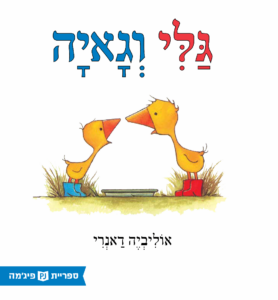 גלי וגאיה
 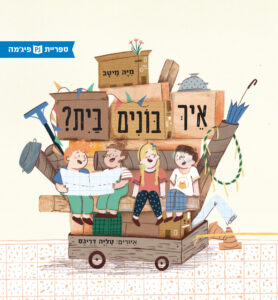 איך בונים בית?
 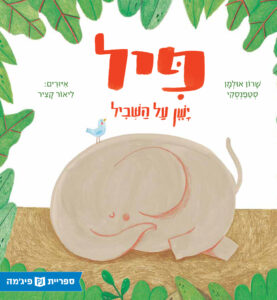 פיל ישן על השביל
 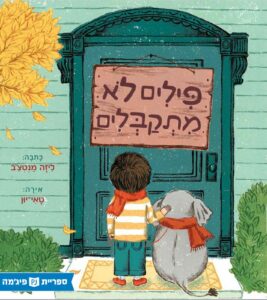 פילים לא מתקבלים
 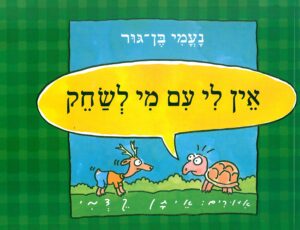 אין לי עם מי לשחק
 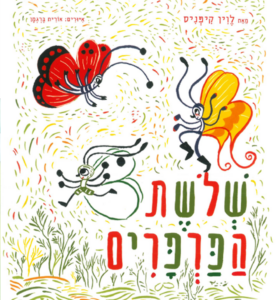 שלושת הפרפרים