ילדים ומבוגרים רבים מטפחים אוספים שונים. אוספים מעניקים ביטחון, ומפתחים את העולם הפנימי האישי. תחביבים מרחיבים אופקים ומסייעים לגבש את הזהות האישית. קיבצנו עבורכם ספרים שעוסקים באוספים ובתחביבים, שאהובים כל כך על ילדים ומעשירים את החיים בשמחה ובסקרנות.
תוכלו לשתף בסיפורים שאתם, ההורים, אהבתם בילדותכם: האם היה סיפור שאהבתם לשמוע שוב ושוב? מי היה הגיבור הספרותי המועדף עליכם? כדאי לשאול את הילדות והילדים שלכם אילו סיפורים הם אוהבים? האם אלו סיפורים דמיוניים? ואולי סיפורים שקרו באמת?
מתי האיורים מספרים את הסיפור על ליאו ואדון זינגר, ומתי הם מלווים את הסיפור שהשניים המציאו? אתם מוזמנים להתבונן באיורים, להבחין בסגנונות השונים ולחשוב יחד איך אפשר לדעת לְמה מתייחסים האיורים ומה הם מספרים לנו.
אילו סיפורים מסתתרים בכובעים שבביתכם? תוכלו לבחור כובע אהוב ולספר את הסיפור שמתחבא בו: אחד המשתתפים מתבונן בכובע ומתחיל להמציא סיפור. אחרי משפט או שניים הוא עוצר, ומשתתף אחר ממשיך את הסיפור, וכך הלאה משתתף אחר משתתף. בהשראת בשביס זינגר אפשר לספר סיפור משפחתי שעובר במשפחה.
רוצים לשחק? כתבו על פתקים שמות של דמויות אהובות עליכם מספרים. בכל פעם אחד המשתתפים חובש לראשו כובע ועליו פתק עם שם של דמות. הוא אינו רואה מה כתוב על הפתק, ועליו לנחש באיזו דמות מדובר באמצעות שאלות, כגון: האם זו דמות דמיונית? האם זה בעל חיים?
הקראה בכיתה – מומלץ להקריא את הספר יותר מפעם אחת ובכל מפגש לשוחח על אחד הנושאים שבספר.
הטרמה – אפשר לשאול: מה לדעתכם יהיה מיוחד בכובע של אדון זינגר?
סיפורים וספרים – כדאי לשוחח על הספרים האהובים על תלמידי ותלמידות הכיתה, להזמין אותם להביא אותם לכיתה ולהמליץ עליהם. כדאי גם להציב בכיתה לוח לספרים המומלצים.
כדאי לשאול: האם אתם אוהבים להמציא סיפורים? האם זה קל או קשה בעיניכם? מהו סיפור טוב בעיניכם?
להכיר אנשים – בהתחלה אדון זינגר נראה לליאו מוזר ומשונה. האם יש אנשים שלאחר היכרות עימם שיניתם את דעתכם עליהם? מדוע לדעתכם אנחנו ממהרים לגבש דעה על אדם לא מוּכָּר?
קשר עם זרים – ליאו ישב ושוחח בחופשיות עם אדון זינגר, מאחר שאימו הכירה אותו. קשר עם זרים יכול להיות פורה ומעשיר, אבל לפני שיוצרים אותו יש לנקוט אמצעֵי זהירות. כדאי לשאול: כיצד רצוי להתנהג בפגישה עם אדם זר? אילו אמצעי זהירות עלינו לנקוט במציאות ובמִרְשֶׁתֶת?
כותבים סיפור בהמשכים – כותבים בחלקו העליון של הדף שורה ראשונה של סיפור. כל תלמיד ותלמידה מוסיפים בתורם עוד שורה עד שהסיפור מגיע לסיומו.
בלמידה מרחוק ניתן לכתוב סיפור משותף: כל אחד ואחת מוסיפים בתורם משפט לסיפור ולאחר מכן יוצרים ספרון דיגיטלי של הסיפור המשותף.
סיפור חפץ – תוכלו לבקש מהתלמידים ומהתלמידות לשתף תמונה או חפץ שיש להם בבית ואפשר לכתוב עליו סיפור מעניין. מתאים גם ללמידה מרחוק.
שוזרים סיפור – יושבים במעגל ומעבירים כדור צמר. בכל סיבוב תלמיד אחר מושך בחוט הצמר ומוסיף כמה משפטים לסיפור. כאשר הסיפור מסתיים, מגלגלים את כדור הצמר בחזרה ומספרים את הסיפור כולו. אפשר לנסות לספר את הסיפור מהסוף להתחלה. מומלץ להקליט את הפעילות ולהיעזר בהקלטה בהעלאה של הסיפור על הכתב.
ממשיכים סיפור – כיצד לדעתכם ממשיך הסיפור של ליאו וחברתו סופי? תוכלו להמשיך את הסיפור בקבוצות ולשתף במליאה.
ניתן להיעזר במאגר תמונות שמשמשות השראה לכתיבה.
ניתן ליצור מחברת אישית או כיתתית לאיסוף הסיפורים או להציג את הסיפור באתר כיתתי משותף.
של מי הכובע? – התלמידים והתלמידות בוחרים כובע ויוצרים באמצעים מגוונים – צבע, הֶדְבֵּק (קולאז') או פיסול – דמות שמתאימה לכובע שבחרו.
תערוכת כובעים ניתן להציג את התוצרים בתערוכה ולשתף גם בלמידה מרחוק.
מה הכובע מספר? התלמידים והתלמידות בוחרים כובע וכותבים סיפור בהשראתו. אפשר להציע משפטי פתיחה, כמו: תמיד חלמתי שיהיה לי כובע כזה… / בפעם הראשונה שחבשתי את הכובע הזה הרגשתי… /
לכובע הזה יש סיפור מיוחד…
דוגמאות לנושאים שאפשר לפתח:
יום אחד הכובע… / הכובע התחיל לדבר ואמר… / מתוך הכובע יצא… /
חיפשתי את הכובע, והוא נעלם… / משהו משונה קרה לכובע שלי…
ניתן להציג את הכובעים בתערוכה ולשים בתוך כל כובע את הסיפור שנולד ממנו.
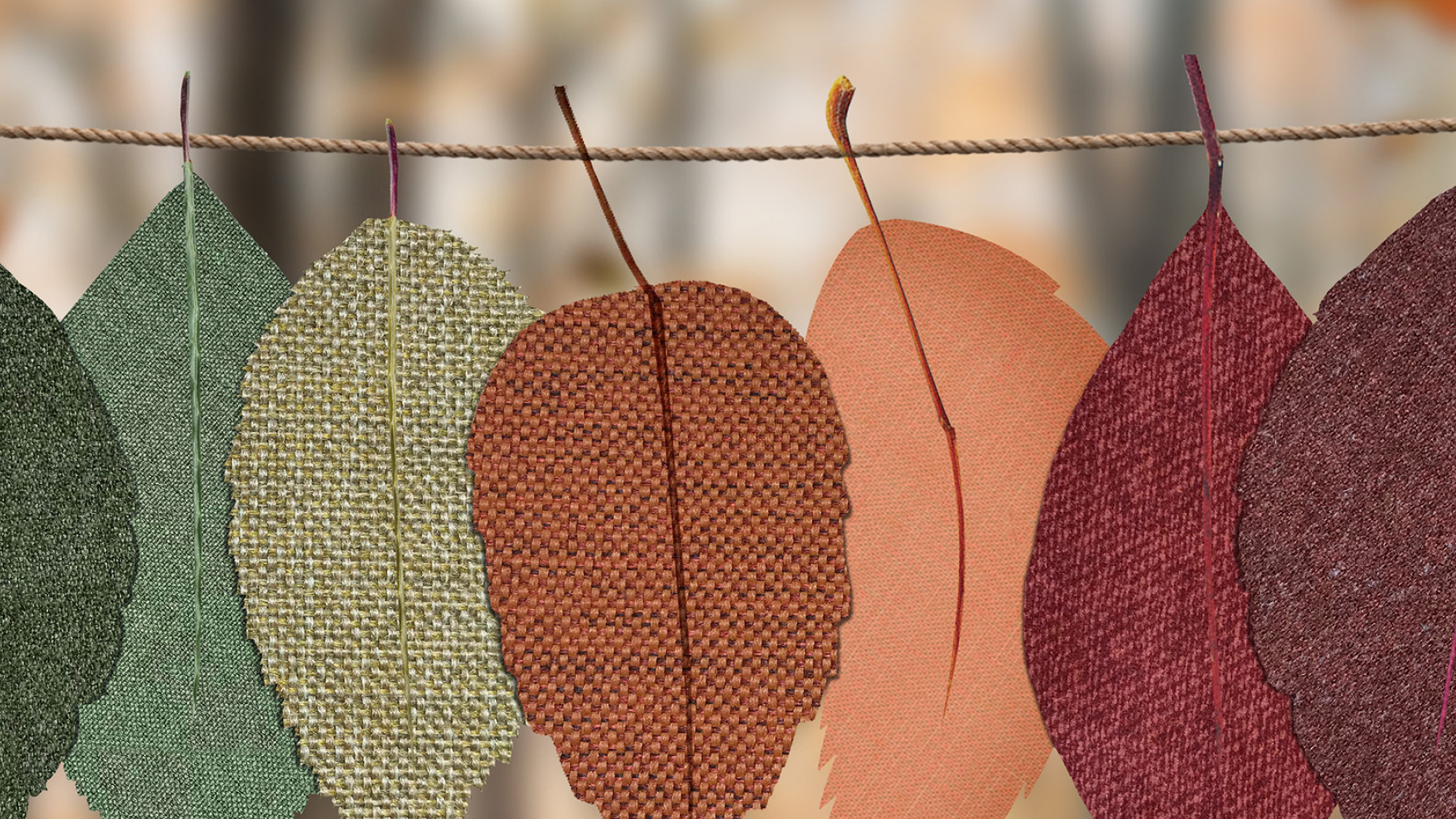
אפשר לאסוף עלים, ואפשר לאסוף גם צדפים, אבנים, מפיות, גולות, בובות ואפילו… מילים. האם גם לכם, ההורים, יש אוספים כאלה או היו לכם בעבר? תוכלו לספר על כך לילדיכם ולהזמין אותם להתבונן בסביבה, לחשוב מה עוד אפשר לאסוף ולצאת לדרך כדי לבנות אוסף חדש ומשותף!
קופסת פח, קומקום, ארגז או קופסת נעליים – כל אחד מאלה יכול להיות בית לחפצים אהובים. את כלי האחסון שתבחרו תוכלו לקשט בגזירי עיתון, בכפתורים, בעלים, בצדפים, בחול צבעוני או בכל חומר מתאים אחר שתמצאו בבית או בחוץ. סיימתם? הכלי מוכן? זה הזמן למלא אותו באוצרות
עלה אחד דומה לנוצה, אבן אחת מזכירה ביצה, ואיזו צורה יש לאצטרובל? תוכלו לאסוף עלים, אבנים, אצטרובלים או כל דבר אחר שיש בסביבה, ו… לשחק: כל אחת ואחד בתורם שולפים פריט אחד והמשתתפים האחרים צריכים לומר לְמָה הוא דומה.
מה נמצא בסביבה שלכם? – כדאי לצאת החוצה ולהתבונן בסביבה במבט רענן: אילו בעלי חיים תפגשו? אילו צבעים יש לעלים ואילו צורות? מה קורה בשמיים, ומה על פני האדמה? אפשר ליצור שביל הליכה משלכם, ללכת בו מדי פעם ולבחון מה נשאר כשהיה ומה התחדש.
הטרמה לסיפור – תוכלו לשאול את הילדות והילדים: האם אתם אוספים דבר-מה? האם הייתם רוצים שיהיה לכם אוסף?
במהלך הקראת הסיפור כדאי לעצור לפני פתיחת הארגז ולשאול: מה יש בארגז, לדעתכם? למה אתם חושבים שזה מה שיש בו?
בעקבות הסיפור תוכלו לשאול:
למה, לדעתכם, הילדים לא ניסו לראות מה יש בקופסה?
מה, לדעתכם, יעשו יוליה וחבריה ביום הבא?
תוכלו לשאול: האם הייתם רוצים להצטרף ליוליה ולחבריה? מדוע?
מה הייתם רוצים לבדוק בעצמכם ואיפה?
האם גם אתם רוצים לאסוף משהו? מה?
אפשר לקיים "קבוצות סקרנות" סביב נושאים שחשובים לילדים ולילדות: לחקור את הנושא במרחבי החיים המתאימים, לערוך תצפיות, לאסוף פריטים ולהציג את הנושא לפני ילדי וילדות הגן.
תוכלו לעודד את הילדות והילדים ליצור אוסף בעצמם או בקבוצה.
כל קבוצה או יחידים יחליטו:
מה לאסוף, במה לאחסן את האוסף, איך להציג את האוסף ולפני מי. ניתן להציג את האוספים בתערוכה שמיועדת לילדי הגן ולבני המשפחה ולבחור כיצד לסדר את הפריטים השונים: לפי הסוג, הגודל, הצבע או הצורה.
איזו צורה יש לאבן? מה מזכיר העלה? לְמה דומה הצדף? מה אפשר ליצור מאיצטרובל?
כדאי להראות לילדים ולילדות יצירות אומנות שנוצרו בהשראת חפצים, כמו אלו של חנוך פיבן, ולהציע להם ליצור בעצמם יצירות בהשראת עלים, אבנים, חול ופריטי טבע נוספים.
חשוב לשוחח עם הילדים על איסוף פריטי טבע מבלי לפגוע בצמחייה: איסוף פרטים שנשרו ונמצאים על הקרקע והחזרתם אל הטבע במידת האפשר.
הסיפור מזמין לצאת אל הטבע ולחקור את החי ואת הצומח בעזרת זכוכית מגדלת והרבה סקרנות:
חקר של חיות שהילדות והילדים יבחרו להכיר: מדוע בחרתם בהם? איך הם נראים? איך הם נעים ממקום למקום? מה הם אוכלים? מה הם הקולות שהם משמיעים? מה מפחיד אותם? מה מיוחד בהם?
אם נבחרות ציפורים, ניתן להכין בֵּית האכלה לציפורים שיסייע בצפייה ובחקר.
חצר הגן יכולה לזמן כר נפלא להתבוננות בבעלי חיים, בצמחים ובטבע כולו, לפליאה מהם ולחקר שלהם. רצוי לספק לילדים כלֵי חקר ותיעוד
חקר עלים – אילו עלים צומחים על סוגים שונים של עצים? מה הם הצבעים של העלים שראיתם? אילו צורות יש להם? מדוע ישנן צורות שונות?
לאחר פעילות חקר אישית או קבוצתית כדאי לאפשר לילדים ולילדות להציג את מה שלמדו לפני החברים, להעלות שאלות נוספות שמעניינות אותם, לחשוב על מקורות מידע ולהיעזר בהם ולהציע פעילויות בטבע מעניינות.
תוכלו לשאול: למה, לדעתכם, יוליה וחבריה החליטו להמתין, ולא להסתכל באוסף? מה אתם הייתם עושים במקומם: מחכים או מסתכלים? קרה לכם שהייתם צריכים להמתין למשהו? איך הרגשתם? מתי קשה להמתין, ומתי ההמתנה מהנה?
תוכלו לעודד את ילדי הגן להתנסות בפעילויות שמחייבות סבלנות והמתנה, כמו לחכות בתור, להנביט זרעים, לבשל או ליצור יצירה בשלבים. בעקבות הפעילויות כדאי לשוחח ולבחון בקבוצות קטנות את החוויה ולתת לגיטימציה לתחושות ולמחשבות שונות שמתעוררת בעקבות הַמְתָנָה.
אנבל הייתה ילדה מאושרת. מה, לדעתכם, גרם לה אושר? כיצד אתם מרגישים כשאתם נותנים לאחרים? האם תוכלו לחשוב על דברים כמו החוט של אנבל – דברים שאתם יכולים לתת לאחרים פעמים רבות?
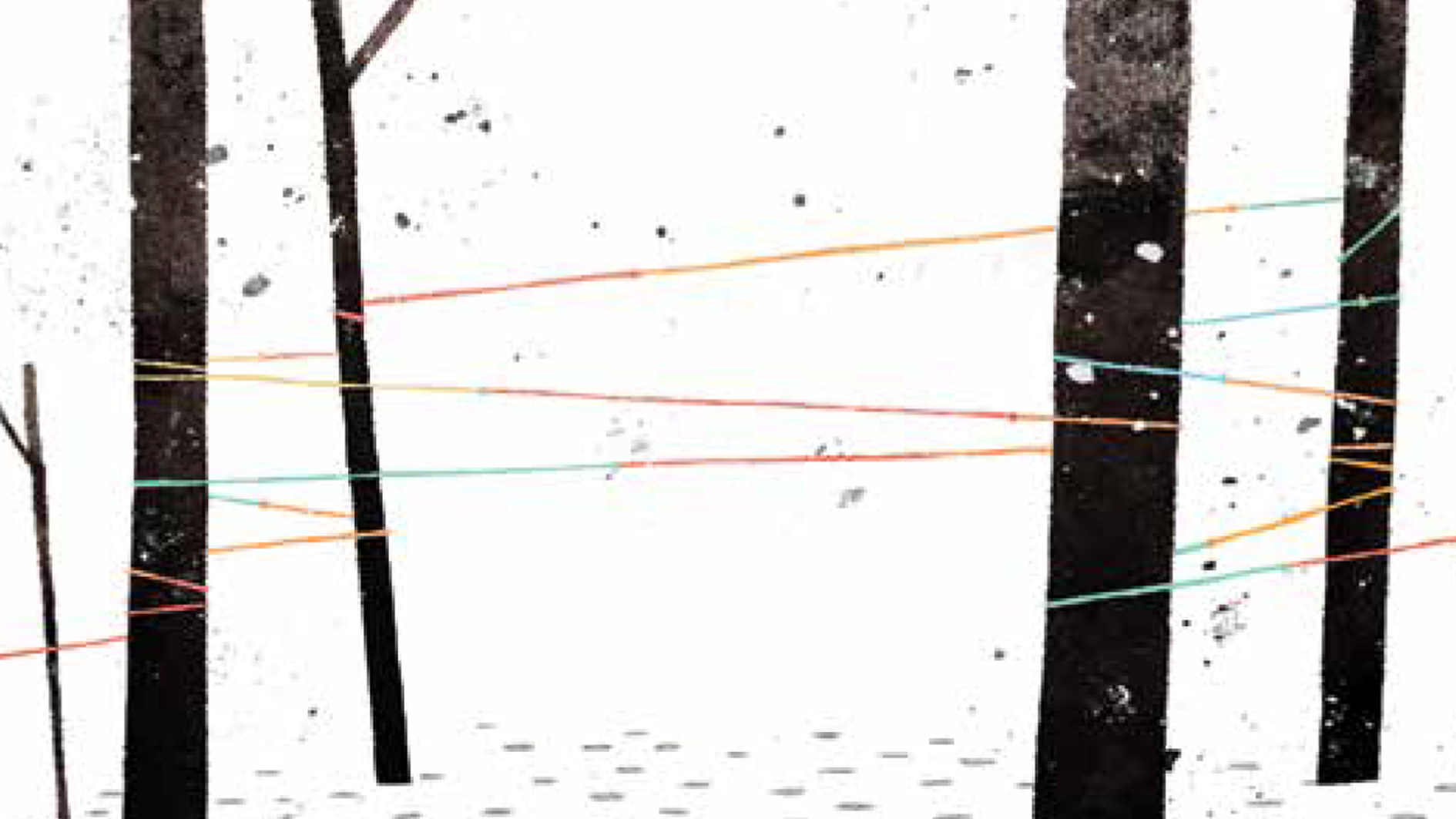
חוט הוא דרך ליצור משחק מסלול עם כלל אחד – "לא נוגעים בחוט!" איך משחקים? – יוצרים חוט ארוך מחבלים, משרוכים ומחוטים ומלפפים אותו סביב רהיטים וחפצים בבית. כך יוצרים מסלול מכשולים שצריך לעבור בלי לגעת בחוט: אפשר לדלג מעליו, לזחול מתחתיו או לבחור בכל דרך יצירתית אחרת.
אנבל סרגה עוד ועוד ויצרה אופנה צבעונית ומשמחת לכל תושבי הכפר. בעקבות אנבל תוכלו ליצור יחד בגד או פריט שהוא אופנה משפחתית משלכם. חִשבו איזה בגד מיוחד תרצו ליצור: זו יכולה להיות חולצה בצבע מסוים, סיכה מעניינת, צמיד או כובע מקושט, גרביים מיוחדים או בגד אחר שיהיה מקובל על כולכם.
אנבל אוהבת לסרוג. האם יש מלאכות שאתם – הורים וילדים – אוהבים לעשות במו ידכם? ואולי אחד מכם אוהב לבשל והאחרת אוהבת לפסל בפלסטלינה? כדאי לפנות לבני משפחה שונים ולשאול אותם על מלאכות שהם אוהבים ולבקש להצטרף אליהם ולהתנסות איתם במלאכות הללו.
הצעות למלאכה ויצירה עם חוטים תוכלו למצוא באתר ובדף ספריית פיג'מה בפינטרסט.
כדאי לשאול את התלמידים: מדוע החוט של אנבל אינו נגמר לעולם? מה מייצג החוט לדעתכם? אילו עוד דברים בעולם דומים לחוט של אנבל? למה כשהדוכס פתח את התיבה היא הייתה ריקה? אם הייתם מוצאים תיבה כזו – מה הייתם עושים בה? האם הייתם מוכרים לדוכס את התיבה שלכם?
ניתן ליצור חוט מקשר בכיתה: הָביאו כדור צמר לכיתה ובקשו מהתלמידים להעביר אותו לתלמיד הבא תוך כדי אמירת מילה טובה. לבסוף כולם יהיו קשורים זה לזה בחוט של צמר ובמילים טובות. כעת יש לשתף פעולה כדי לפרום את הסבך שנוצר…
כדי להמשיך באווירה חיובית אפשר לבקש מהתלמידים לכתוב על פתקית הצעות למעשים שיעשו טוב לחברים, לתלות את הפתקיות על חוט ארוך ולהזמין את התלמידים לקרוא אותן וליישם רעיונות שיבחרו.
כדאי לדון בשאלות הבאות: איך מחוללים שינוי? איך מוסיפים צבע לחיים? מה באפשרות כל אחת ואחד מאיתנו לעשות כדי להיטיב עם האחרים?
תוכלו לבקש מהתלמידים ומהתלמידות לחבר היגדים על נתינה או למצוא כאלה ברשת ולבקש מהם להביע את דעתם על נכונות כל היגד על ידי הרמת פתק "נכון" או "לא נכון"' ולהסביר אותה.
ניתן להביא לכיתה חוטים מסוגים שונים ובמרקמים שונים, לחוש אותם, להתנסות במגוון סוגי קשירה, לחשוב יחדיו למה החוטים משמשים (תפירה, רקמה, הכנת חבל), להדגים זאת ואף להזכיר ביטויים שיש בהם שימוש במילה "חוט", כמו "קצה חוט", "כחוט השַּׂערה" ו"חוט המחשבה".
הכירות עם סגנונות יצירה – בעקבות הסיפור אפשר ללמוד על ציירים מפורסמים מהארץ ומחו"ל. הילדים יכולים להתוודע לסגנונות היצירה של האומנים השונים, להשוות ביניהם ולחוות דעה אישית: איזה סגנון הם אוהבים יותר ואיזה פחות.
חגיגת מגוון הכישרונות של ילדי הגן! אפשר להכין לכל ילד כרטיסייה בצורת כבשה ולהזמין את ההורים לכתוב בהן על כישרון או על תכונה מיוחדת של ילדם. את הפתקים מקריאים בגן ומשתפים זה את זה בכישרונות הטמונים בכולנו. ניתן לתלות את הכרטיסיות על לוח קיר ולהוסיף להן כותרת, למשל: "הגן שלנו – עדר של כישרונות!" או "בתוך כל אחד מאיתנו יש שושה!"
משפחה מורחבת – איזה כיף לשושה בבית של סבתא! האם גם ילדי הגן אוהבים לבלות אצל הסבים או הדודים? במה הבילוי אצלם שונה מהבילוי בבית? אפשר לדבר על הקשרים המיוחדים הנרקמים עם המשפחה המורחבת )לפעמים גם חברים של ההורים הופכים להיות כמו משפחה(. אפשר להציע לילדים לצייר מכתב לסבים או לדודים ולשלשל את המכתבים יחד לתיבת הדואר.
הורה מתארח – האם אתם מכירים ציירים או מאיירים? אולי אחד מהורי הגן עוסק באומנות? זאת הזדמנות להזמין אותו לגן ולשמוע על חוויותיו ועל תהליך היצירה. לקראת הביקור הילדים יכולים להכין שאלות על החיים ועל העבודה של האומן האורח.
תיאטרון צלליות – הצללית של שושה נראית בעיניה כמו כבשה שחורה. אפשר להכין תיאטרון צלליות משלכם: מכינים דמויות של צלליות ומצמידים אותן למקלות ארטיק. תולים סדין לבן או מסך, מדליקים אור קטן ומציגים הצגה באמצעות צלליות. הנחיות תיאטרון צלליות לדוגמה תמצאו כאן.
ציור קיר משותף – הילדים וההורים יכולים לצייר יחד ציור גדול, שייווצר לאט-לאט במהלך שבוע בגן: מכסים לוח קיר בבריסטולים לבנים ומציבים לידו סלסילה עם צבעים מסוגים שונים. לאורך השבוע, כאשר ההורים מגיעים לגן בתחילת היום או בסופו, הם וילדיהם מוזמנים לצייר ציורים כיד הדמיון עד שהקיר מתמלא. ביום שישי אפשר לערוך קבלת שבת משותפת, ובתום המפגש לוקחים הביתה את הספרים לקריאה בחיק המשפחה.
איזה כיף לשושה בבית של סבתא! מה ילדיכם אוהבים לעשות עם הסבים או הדודים? אפשר לדבר על הייחודיות של הקשר עם כל אחד מקרובי המשפחה, ולתכנן ביחד את המפגש הבא שלכם.
ציירו ציור קיר משפחתי! לרוב לא ניתן לצייר על קירות, כפי שעושה שושה, תוכלו להצמיד לקיר או לדלת בבית גליון בריסטול ולצייר עליו. בכל הזדמנות תוכלו להוסיף עוד פרטים לציור הגדול, ואט אט תיצרו ציור קיר מיוחד של המשפחה שלכם.
כדאי לבקר עם ילדיכם בתערוכה בגלריה או במוזיאון. אֵילו ציורים מוצאים חן בעיניכם? האם אתם וילדיכם אוהבים אותן יצירות? תוכלו לבחור יצירות שאהבתם וללמוד על חייהם של האמנים שציירו אותן.
גלו איך זזות הצלליות שלכם. שושה מנופפת לשלום והכבשה בעקבותיה. תוכלו לצייר בגיר את הצללית של ילדיכם בחצר או על המדרכה, לחזור כעבור שעה ולעמוד שוב באותו מקום. כיצד הצללית זזה ומתארכת עם שקיעת השמש?
איך נוצרות הצלליות בלילה? שושה רואה בצללית שלה כבשה שחורה. אפשר לכבות את האור בחדר, להדליק מנורה קטנה ולבדוק אֵ ילו צלליות נוצרות על הקיר כאשר מציגים בינו לבין המנורה אצבעות או חפצים.
חגיגה של מילים – כדאי לקרוא יחד את הסיפור ולשאול את התלמידים, מה הם חושבים על ג'ים? האם גם לנו יש מילים שאנו אוהבים במיוחד? למה הן מוצאות חן בעינינו? – בגלל הצליל שלהן, בגלל המשמעות שלהן ואולי מסיבה אחרת? אפשר לחגוג כמו ג'ים ולחשוב על מילים מסוגים שונים: מצחיקות, עצובות, ארוכות, בעלות צליל מיוחד ועוד.
יום אוסָפים – כל תלמיד מוזמן להביא לכיתה אוסף שלו או של בני משפחתו ולהציג אותו. תוכלו לקשט קופסאות לאחסון האוספים, לערוך תערוכת אוספים ולעודד ילדים נוספים להצטרף לחגיגת האיסוף. אפשר להזמין את ההורים להגיע ולהתרשם מהתערוכה, לצלם את האוספים ולהדפיס עיתון כיתתי גדוש באוספים.
לוח "מילים טובות" – למילה טובה יש כוח רב, אפשר להכין בכיתה "לוח מילים טובות". בכל פעם שאחד התלמידים אומר או שומע מילה טובה, תוכלו לכתוב את המילה ולתלות אותה על הלוח, על דלת הכיתה או על חוט מהתקרה. כך תתמלא הכיתה במילים טובות ומשמחות
משחק פנטומימה "מה המילה?" – מחלקים את הכיתה לקבוצות, וכל קבוצה בתורה מנסה להסביר את המשמעות של מילה נבחרת באמצעות תנועות בלבד. כמה מילים תצליח הקבוצה לאסוף?
ממחיזים מילים – "בקבוק", "פקק" ו"רשרוש" הן דוגמאות למילים שהצלילים שלהן מחקים ּ את מה שהן מייצגות )אונומטופֵיאה(. תוכלו להסביר לתלמידים על מילים אלה ולמלא לוח קיר בדוגמאות למילים כאלה. אפשר גם לצלם את הילדים אומרים או ממחיזים מילים אונומטופיאיות שמוצאות חן בעיניהם ולשלוח לנו את הסרטון!
מרחיבים את אוצר המילים – השפה העברית מתחדשת כל הזמן. אתם מוזמנים להיכנס לאתר המילים החדשות באקדמיה ללשון העברית, לבחור במילה חדשה בעברית ולבקש מהתלמידים לנסות לנחש את משמעותה.
תוכלו לדפדף במילון או לגלוש יחד באתר ״מילוג״ il.co.milog.www, ולהראות לילדים את אוצר המילים העשיר של השפה העברית. אפשר גם לעצב מילון משפחתי: מקשטים מחברת מיוחדת ומוסיפים לה בכל פעם מילים חדשות או מעניינות. ילדיכם יכולים להוסיף למילון גם ציורים
כמו ג׳ים, ילדים רבים אוהבים לאסוף דברים — אבנים קטנות, קלפים, מפיות מיוחדות מבתי קפה. האם היו לכם אוספים כשהייתם צעירים? זאת הזדמנות לשתף את הילדים, ואולי הם יבקשו להמשיך את המסורת המשפחתית או ליצור אוסף משלהם.
מילים הן כלי נפלא לביטוי הרגשות שלנו. אפשר להכין פתקים, לכתוב עליהם רגשות ולהוסיף להם ציור, ואז לתלות את הפתקים על המקרר, על דלת הכניסה לבית או סביב המיטה. אפשר להשתמש בפתקים כשאנחנו רוצים לבטא את רגשותינו ולא ״מוצאים״ את המילה.
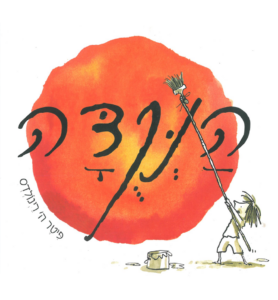
תוכלו לחלק לכל תלמיד דף נייר עם נקודה מצוירת באמצע הדף ולהציע לילדים להמשיך את הציור כראות עיניהם. את הציורים השונים ניתן להציג בתערוכה על לוח קיר "כל יצירה מתחילה בנקודה קטנה…".
על מנת לאפשר שיחה פתוחה עם התלמידים, כדאי לקרוא את הספר בקבוצות קטנות. תוכלו לעצור את הקריאה במקום בו עמליה אומרת "אני פשוט לא יודעת לצייר" ולחשוב יחד: מה תעשה עמליה? איך אפשר לעזור לה? האם קרה לכם דבר דומה?
כולנו מסוגלים להרבה יותר ממה שנראה לנ.ו. בעקבות הסיפור כדאי לשוחח על תחומים בהם כל אחד מרגיש שהוא מצליח. התלמידים יכולים להציג בפנטומימה את תחומי החוזק שלהם, ועל חבריהם לנסות לנחש מהו הדבר. אפשר גם לשתף אחד את השני באתגרים ודברים שאתם רוצים ללמוד. פותחים במשפט "הבעיה שלי שאני פשוט לא יודע/ת ל…", ויחד מעלים רעיונות, הצעות ומילות עידוד.
אפשר לשוחח על "סוד הקסם" שעזר לעמליה להאמין ביכולת שלה לצייר. מה גרם לה להאמין בעצמה, ואיך היא עזרה לילד שהיא פגשה בתערוכה להאמין בכישרונו? מה לדעתכם קרה אחרי שהילד חתם על הציור שלו? תוכלו לנסות להמשיך את הסיפור.
הסיפור מדגים את כוחן של מילות עידוד וחיזוק. אפשר להכריז בבית על "מבצע עידוד": גוזרים פתקים בצבעים ובגדלים שונים, וכל בני הבית כותבים עליהם מילים ומשפטים מעודדים. את הפתקים תולים במקומות שונים בבית: על המקרר, על הראי באמבטיה, בתוך הילקוט, מתחת לכרית… כשהביטחון העצמי יורד והחששות עולים, צריך רק להרים את העיניים ולהיזכר שמאחורי כל אחד מאיתנו עומדת להקה של "מעודדים צמודים".
כל ציור מתחיל בנקודה:
אפשר לקחת דף חלק וצבעים ולצייר ציור משותף – ההורה מתחיל ומצייר נקודה, אחריו הילד מוסיף פרט, ואחריו ההורה, וכך הלאה. לבסוף יתקבל ציור משותף שכל אחד מכם תרם לו מעט, והכול התחיל מ… נקודה.
כל יצירה, גם קטנה כמו נקודה, יכולה לגדול ולהתפתח לתערוכה שלמה. כדאי לבקר עם ילדיכם בתערוכת ציורים בגלריה, בהיכל תרבות או במוזיאון, לבחור יצירה שאהבתם ולנסות להיכנס לנעליו של האמן שיצר את היצירה:: מאיזו נקודה הוא התחיל? מה ביקש להביע בציור?
מתגברים על קשיים:
"רק תעשי סימן ותראי מה יקרה," אומרת המורה לעמליה. אתם יכולים להיזכר יחד בהישגים שלכם ושל ילדיכם, שפעם נראו בלתי אפשריים. כיצד הצלחתם להתגבר על הקשיים שבדרך? האם מישהו עודד אתכם? כדאי לשתף את ילדיכם בדמות שעודדה אתכם להאמין בעצמכם.
כל טיפוס על הר גבוה מתחיל בצעד קטן. מה הם היכולות והכישרונות שאתם רוצים לפתח? האם מישהו מבני המשפחה יכול לעזור לכם לפתח אותם או חלק מהם? מה אתם יכולים כבר כיום ללמד אחרים? את מי אתם יכולים לעודד?
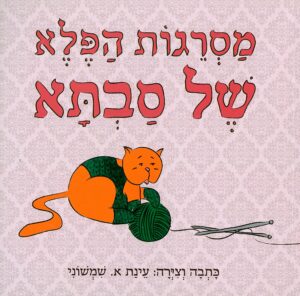
הסיפור מלא הומור. האם באמת אפשר לסרוג לאדנית מעיל ? או לאף מחמם אף? הסתכלו על האיורים העשויים צמר וחפשו את הדברים המצחיקים שסבתא סרגה. עיינו באיור בעמודים 12-13. למה האנשים שעומדים בתור זקוקים, ומה לדעתכם סבתא תסרוג להם? את זאת אפשר רק לנחש. הניחו שקף (או נייר חצי שקוף, כמו נייר אפייה או פרגמנט) על הדף שבו מצויר תור האנשים. העתיקו בטוש את דמויות האנשים המחכים בתור (יש לעזור בכך לילדים). כעת עזרו לסבתא: ציירו לכל אחד בגדים מתאימים ומחממים.
אם תקשיבו היטב, כלומר תעשו אוזניכם כאפרכסת, תגלו כי הסיפור כתוב בחרוזים. לאחר שתכירו את הסיפור, תוכלו לשחק: אמרו את המילה הראשונה, ותנו לילדיכם למצוא מילה המתחרזת עמה.
כתבו וציירו מילים מתוך הסיפור על לוח משחק. את המילים המתחרזות זו בזו כתבו או ציירו על כרטיסים. על ההורה להחזיק כרטיס ולהכריז על מילה, ועל הילדים להניח את הכרטיס על המשבצת של החרוז שלה בלוח המשחק שלהם.
סבתא סורגת לכל מי שבא אליה בגד בעזרת זוג מסרגות וחוט צמר. היא קושרת את החוטים זה בזה, ובתוך כך נקשרים גם יחסים בינה ובין האנשים שמקבלים ממנה את הבגדים החמים. חשבו את הלב של מי אתם הייתם רוצים לחמם. חשבו על דרכים לעשות זאת, למשל ביצירה, בשירה, בריקוד ובמחווה. הורים, האם אתם זוכרים מילדותכם את המשחק "סבתא סורגת"? במשחק "סורגים" בעזרת הידיים צורות שונות בחוט צמר ומעבירים אותן לחבר. מכירים את המשחק? אתם מוזמנים ללמד את הילדים.
אפשר ליצור תמונה בעזרת חוטי צמר. ציירו ציור בעזרת דבק פלסטי. הניחו חוט צמר בדיוק על פסי הדבק שציירתם. כאשר הדבק יתייבש, תישאר תמונה עשויה מחוטי צמר צבעוניים.
סבתא עוזרת לכולם, אך אולי גם סבתא זקוקה לעזרה? חשבו מה היה מחמם את לבה של הסבתא. חשבו איך אנחנו יכולים לחמם את לבם של חברים ובני משפחה, שאולי מרגישים לפעמים בודדים.
"לחכם לב נקרא נבון" כיצד מרגיש ילד אחר? הילדים יושבים במעגל, ילד אחד יוצא החוצה. הגננת מורה לו בסוד באיזה "מצב רוח" הוא צריך לחזור אל המעגל. (שמח, נרגש, חסר-שקט, עצוב, כואבת לו הבטן, מהורהר, מסתגר, חברותי וכו'). הילד חוזר אל המעגל ומציג את מצב הרוח שהתבקש. הילדים מנחשים איך הילד "מרגיש היום".
איזה "פלא" יש במסרגות אלה? שאלו את הילדים, וודאי תקבלו תשובות מעניינות. אחת האפשרויות: המסרגות יוצרות אפודות ומעילים, ותוך כך נוצרים גם קשרים של ידידות, כמו חוטים דימיוניים, בין סבתא לבין אנשי השכונה.
כדור הצמר עובר. ילד מחזיק פקעת של חוטי צמר. הוא משאיר בידו את קצה החוט, ומעביר לילד אחר את הצמר, עפ"י הנחיית הגננת. הילד הבא מחזיק את החוט, ומעביר לילד אחר את כדור הצמר. מי שמחזיק בחוט, לא עוזב אותו. רק הפקעת עוברת הלאה. בסופו של דבר נמצאת בידי כל ילדי הגן רשת של חוטים, המדגימה את "רשת" הקשרים שיש בינינו.
א. גזרו שתי טבעות קרטון והצמידו אותן זו לזו. (ללא דבק). ב. לפפו חוט של צמר סביב הטבעות, מן החלק הפנימי כלפי חוץ. המשיכו בפעולה עד שיווצרו כמה שכבות של צמר. ג. כעת, גזרו את חוטי הצמר ברווח שבין הטבעות. ד. קשרו את חבילת חוטי הצמר בעזרת חוט נוסף, ברווח שנוצר בין שתי הטבעות. ה. הוציאו את טבעות הקרטון, ועצבו את חבילת הצמר הקטנה לפונפון עגול. תוכלו לקשט עם הפונפון כובע צמר, גומיה לאיסוף שיער, מחזיק מפתחות או לתלות אותו מתחת למראה ברכב.



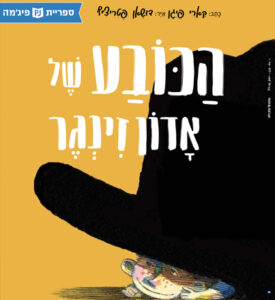 הכובע של אדון זינגר
 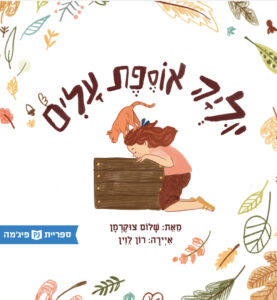 יוליה אוספת עלים
 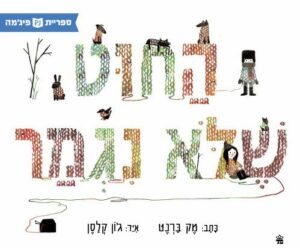 החוט שלא נגמר
 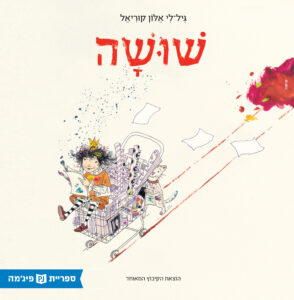 שושה
שושה 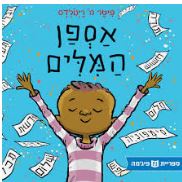 אספן המילים
  הנקודה
  מסרגות הפלא של סבתא