ילדים וילדות מגלים סקרנות רבה בכל הקשור לטבע ולעולם הצומח. סיפורים על עצים ועל צמחים ועל הקשר שלנו איתם, מחזקים את הזיקה שלנו לסביבה ומעשירים אותנו בידע ובהזדמנויות להכיר, לחקור ולגלות.
בכל ספר יש משהו לאהוב: המתח שבסיפור, הדמויות ואולי האיורים או המילים המיוחדות? בתום הקריאה כדאי לשאול את הילדים מה הם אהבו בסיפור, ולשתף מה אהבתם אתם, ההורים. אפשר גם לספר זה לזה אילו ספרים אהובים עליכם במיוחד ולמה.
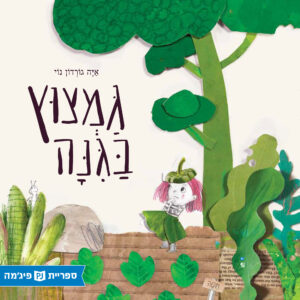
פיץ וגמצוץ נמצאים יחד. היא מגדלת את הירקות והוא שומר עליהם. בינתיים הם מפטפטים, שרים ופשוט נהנים ביחד. אפשר לשוחח ולשאול את הילדים מה הם אוהבים לעשות עם חבריהם? כיצד הם מבלים יחד? זו הזדמנות להיזכר ולשתף את הילדים בחוויות עם חברי הילדוּת שלכם, ההורים.
מי אתה בעצם, גמצוץ? – צפייה בסרטון תכיר לכם את הגמצוצים שמופיעים בארץ, בכל חורף מחדש. רוצים ללמוד עוד? לכו יחד לספרייה או שוטטו ברשת וחפשו מידע על גמצוצים ופטריות אחרות.
אפשר לגדל ירקות גם אם אין חלקת אדמה: תוכלו להשרות בכלי שקוף עם מים ראש גזר חתוך, שיני שום, או את חלקם התחתון של חסה או סלרי. חכו בסבלנות, הוסיפו מים אם צריך, ולאט לאט תגלו שצומחים שורשים ועלים. תוכלו לגזום ולאכול אותם, או לשתול בעציץ, להשקות ולחכות לירקות החדשים שיגדלו.
בגינה של פיץ קורה משהו בלתי צפוי. בתחילה היא מתקשה לקבל זאת וכועסת: למה דווקא בגינה שלה?! מצבים לא צפויים – חיי ילדים בגן ובבית הם לרוב שגרתיים ומוכרים. עם זאת, בחייהם מופיעים מצבים לא צפויים ומפתיעים, חוויות וחברויות חדשות; הדבר נכון עוד יותר בשנה מאתגרת ולא שגרתית זו. גמישות מחשבה ופתיחות לחוויות חדשות – הופעתו של הגמצוץ גורמת לפיץ להיפתח, להתגמש, לחשוב על פתרונות, ולהתחבר אליו. גמישות מחשבה היא מיומנות חברתית המאפשרת להתמודד עם החדש והלא מוכר, ולהבין וכיצד להתמודד עם החידוש הלא צפוי. חשבנו שלא וגילינו שכן: בדומה לפיץ, ילדים רבים נוטים להתקומם או לחשוש כשהם נתקלים בדבר חדש. היכולת להתגמש שונה מילד לילד, אך היא חלק מכישורי החיים שכדאי ורצוי לפתח ולסייע לילדים להתמודד עם חידושים ושינויים. תוכלו לשלב את הספר בכל פעם שתרצו להעצים ו גמישות ופתיחות לחוויות. קשר עם חברים וחברות – הספר יכול להוות ליווי לכניסה של ילד או ילדה חדשים לגן, למקרים של אתגרים חברתיים ולעידוד ההיכרות בין חברים חדשים. משהו חדש שרציתי לשתף – תוכלו לקיים סדירות קבועה בה ילדות וילדים משתפים בחוויות ראשוניות ובדברים חדשים שניסו.
כדאי לקרוא את הסיפור בקבוצות קטנות כשלכל ילד וילדה עותק אישי. כך אפשר לעקוב אחר הסיפור ואחר האיורים המרהיבים של איה גורדון נוי. מפגש חוזר עם ספר – לאחר שקוראים את הסיפור לראשונה ברצף, כדאי לקרוא אותו שוב ולהשתהות על האיורים שיכולים לסייע להבנה, לידע ולהנאה מהספר, כמו לזהות ירקות ולהבחין בפרטים הקטנים שבאיורים.
לאחר הקריאה תוכלו לשאול שאלות לקידום הבנת הסיפור – מדוע פיץ נבהלה?
מהו גמצוץ? מדוע פיץ התרגזה כשראתה את הגמצוץ? כיצד הגיב גמצוץ? מה הוא הרגיש עם התייחסות למשפט: "ובלבו גמצוץ הרהר: אלו רק צצתי במקום אחר". מה קרה כשהם שיתפו פעולה? איזה תפקיד קיבל הגמצוץ? מדוע הוא נעלם?
להבין רגשות – הרגשות של הדמויות משתנים ומתפתחים: מחשדנות ועד שתוף פעולה וחברות. כדאי לעקוב אחרי השינויים באמצעות המלל והאיורים. אפשר לשאול: מה הרגישה פיץ כשהגמצוץ נעלם? האם היא הופתעה? האם היא שמחה או עצובה? איך אנחנו יכולים לדעת? מדוע היא הרגישה כך? האם הוא ישוב לדעתכם?
הרגשות שלנו – האם גם לכם קרה שהרגשתם שנהניתם רק אחרי שהחוויה הסתיימה? האם הייתם עצובים שהחוויה נגמרה או שמחתם מכך שנהניתם? ואולי גם וגם?
תחזור מהר – אילו דברים מגיעים רק פעם בשנה ואנחנו מחכים שישובו? אולי יום ההולדת? עונה מסוימת? או ביקור משפחתי ?
חברות וקבלת השונה – פיץ אומרת לגמצוץ "אתה לא דומה לשום דבר" תוכלו לשאול: מה שונה בגמצוץ לעומת שאר הירקות? מה גרם לפיץ ולגמצוץ להנות יחד? האם יש להם גם דברים משותפים, לדעתכם?
מה משותףבינכם לבין החברים שלכם? ומה שונה? האם אתם נהנים יחד מהמשותף או מהשונה? ואולי גם וגם…?
יצורי טבע ודמיון – ניתן להגיש חומרים שונים מהטבע ולאפשר ליצור יצורי טבע כיד הדמיון.
הֶדְבֵּק [קולאז'] – האיורים בסיפור נוצרו בטכניקת הקולאז' בשילוב ציור, מילים וטקסטורות: עיתון, עלים, קרטון, ועוד. בהשראת האיורים תוכלו להכיר יחד את הטכניקה, ולהציע לילדים ליצור הֶדְבֵּק [קולאז']. מומלץ לאפשר להם לגעת ולחקור מרקמים שונים, לגזור או לקרוע, להדביק ולשלב צבעים.
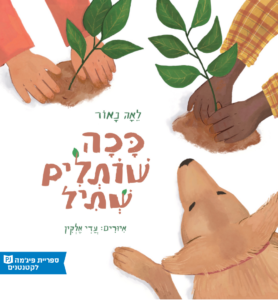
"איך שותלים שתיל? לא לאט ולא מהר". אפשר להשתעשע במהירות או באיטיות: "עכשיו הולכים… מהר. ועכשיו…. לאט!", "מגלגלים ידיים… לאט. ומגלגלים… מהר!", ומה עוד תוכלו לעשות מהר ולאט?
אחרי הקריאה וההדגמה כדאי לתת לפעוטות להתנסות בעצמם בשתילת שתיל ולהרגיש את המגע של האדמה.
בכל פעם כדאי להיזכר יחד בשלב הבא על ידי המחשה של הגננת והתבוננות ברצף האיורים שבספר.
החגיגה בעזרת החושים מפתחת את הפעוטות מוטורית, רגשית וחברתית: שותלים יחד, חופרים, ממששים, חשים את האדמה, מביטים בצמח ומשקים יחד תוך מגע במים. כל אלה מבטאים את המיוחד שבחג ותורמים לתחושת המסוגלות.
שותלים ומצלמים – מומלץ לצלם את השתילה, להכין בגן לוח נושא ומדי פעם להוסיף תמונות שמתעדות את גדילת השתיל וצמיחתו.
לא רוצים לחכות לצמיחה?– מנביטים זרעים! משרים במים זרעי חומוס או עדשים, שוטפים ומסננים, מניחים במקום קריר ושוטפים מדי פעם. בתוך יומיים-שלושה הזרע מתחיל לנבוט.
אפשר להביא לגן סלסילה עם מכסה ולהחביא בתוכה ירקות שצמחו בגינה (או ירקות מהחנות😊): עגבנייה, מלפפון, פלפל, בצל, כרוב ועוד. כל פעוט או פעוטה מכניסים את היד לסלסילה, ממששים ומנחשים מה הירק שמתחבא בה.
הפעוטות צועדים בגן בזוגות לצלילי "כך הולכים השותלים". כשהמנגינה נפסקת, עוצרים "לשתול": הפעוטות הם ה"שתילים", הצוות "משקה" אותם, וכך הם גדלים. אפשר גם להניח ציור של פרח בתוך חישוק ובכל סבב לבקש מהפעוטות "להשקות" את הפרח.
שיחה בעקבות הפעילות – איך אנחנו גדלים? מה אנחנו צריכים בשביל לגדול?
שיתוף משפחות – כדאי לפנות למשפחות ולבקש שישלחו תצלומים משפחתיים ועצות בנושא זה. את התצלומים והעצות מצמידים ללוח שכותרתו "איך אנחנו גדלים?" ומציבים בגן.
ומה מאחלים ההורים לילד שגדל? – כדאי לעודד את ההורים לכתוב איחול על דף בצורת עלה, ליצור עץ איחולים בגן ולשתף את הפעוטות באיחולים שההורים שלחו להם.
בשיר מופיעים הפכים, כמו מהר – לאט, ישר – הפוך, גבוה – נמוך.
תוכלו לשחק במשחקי הפכים:
מהר – לאט / גבוה – נמוך: הפעוטות מסתובבים במעון. כשאומרים "לאט" הם הולכים לאט, וכשאומרים "מהר" הם הולכים במהירות; כשאומרים "גבוה", הם עומדים על קצות האצבעות, וכשאומרים "נמוך" הוא מתכופפים.
ישר – הפוך: המטפלת מניחה חפצים במהופך, למשל תמונה שתלויה הפוך או כיסא שרגליו למעלה. הפעוטות מסתובבים בגן ומחפשים יחד אלו חפצים מונחים במהופך.
משפחות עולים– לתשומת ליבכן – משפחות שאינן דוברות עברית יכולות להצטרף לחוויית הספר באמצעות הקשבה לשיר והתבוננות משותפת באיורים: מה עושים הילדים? היכן מופיע שתיל? היכן ישנם פרטים ירוקים בספר?
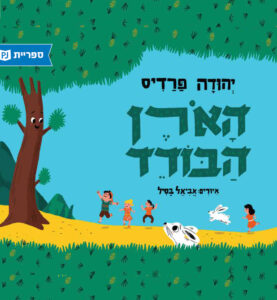
האם גם אתם, כמו האורן, מרגישים לפעמים שאתם לבד? האם ראיתם פעם ילד או ילדה שנראו לכם קצת בודדים? תוכלו לשוחח על התחושה הזאת של 'להיות לבד' ועל מה שאפשר לעשות כשאנחנו – או מי שבסביבתנו – מרגישים כך.
"אורן ירושלים", מין עץ האורן הגדל בישראל, נפוץ באזור הכרמל והרי יהודה. עם התחדשות היישוב, החלו לטעת בארץ יערות אורן נרחבים. עץ האורן מכיל שרף ובאביב הוא פורח באצטרובלים צפופים. רוצים לדעת עוד על עץ האורן? חפשו במרשתת תצלומים ומידע.
מה יקרה לאחר שיצמחו העצים ויהיו ליער? האם הם יהיו חברים של האורן? האם יגיעו עוד חברים לבקר? ומה יעשו הילדים ביער החדש? – תוכלו לספר מה יהיה הפרק הבא, להמחיז או לצייר יחד.
האם אני רוח נושבת? גשם מטפטף? ואולי ארנבת שמקפצת? אפשר לשחק במשחק פנטומימה: כל אחד ואחת מהמשתתפים מציגים בתורם דמות מהסיפור והאחרים צריכים לנחש מי הדמות.
אפשר לבחור עץ מבין העצים שבסביבה ולטפל בו: לנקות סביבו, לפרוס תחתיו מחצלת, ולעקוב אחר בעלי החיים הקטנים שבסביבתו. אם תתבוננו בו היטב, אולי תצליחו לראות שהוא מחייך.
אפשר להביא למפגש ענף של עץ אורן, אצטרובל או תצלום של עץ אורן, ולספר על עץ האורן. במידת האפשר רצוי לצאת למרחבי החיים: להתבונן בעץ האורן ולחוש את הגזע שלו, את הענפים, את הפירות ואת המחטים.
חשוב: יש לשים לב כי האורן אינו נגוע בזחל תהלוכן האורן.
שיחה – מהי בדידות – המילה "בודד" מתייחסת להרגשה של האדם כאשר הוא לבדו.
בעקבות הסיפור ניתן להרחיב את השיח על תחושת הבדידות:
למה האורן היה עצוב?
מה הוא רצה?
האם גם אתם מרגישים לפעמים בודדים?
האם לפעמים זה גם יכול להיות נעים להיות לבד?
תוכלו לשוחח עם הילדים על רגשותיהם וגם לעודד תשומת לב לאחר: ראיתם פעם ילד שהיה נראה לכם בודד?
כיצד לדעתכם הוא הרגיש?
כיצד ניתן לסייע לו?
הצעה: ספסל חברים
להקצות מרחב בגן שאליו יוכל לגשת כל מי שמרגיש לבד ורוצה לשחק עם חבר או חברה. נעודד ילדים להזמין חבר שנמצא בספסל החברות להצטרף למשחק. ספסל החברים יכול, בנוסף, לסייע לגננת לקבל אינדיקציה נוספת על ילדים שמרגישים בודדים.
הסופר יהודה פרדיס משתמש ב'האנשה', ומייחס לעץ תכונות אנושיות בכך שמציג את תחושת הבדידות של העץ.
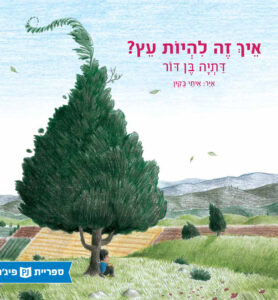
בשיר "איך זה להיות עץ" מאת דתיה בן דור מציגה המשוררת עץ בעל נקודת מבט שונה על עצמו, שממנה הוא "מצליח" להתבונן על חצי הכוס המלאה במצבו, למרות היותו נטוע לבד במקומו.
ניתן להקריא לילדים את השיר ולשוחח על נקודות המבט השונות של העצים בשתי היצירות. חשוב להעניק לגיטימציה לשתי נקודות המבט. כדאי לשוחח על כך שמצב אחד יכול לעורר אצל אנשים שונים רגשות שונים, וזה בסדר גמור!
הסיפור "האורן הבודד" כתוב כמחזה. אפשר לחשוף את הילדים לסוגה הייחודית, ולהראות להם את הכיתוב בתחילת כל שורה שבו מופיע שם הדמות המדברת בסיפור.
התנסות בהצגה – אפשר להציע לילדים להעלות יחד הצגה: העלאת הצגה דורשת חשיבה משותפת, הכנות, יצירת תפאורה ואביזרים, עידוד בחירה של תפקידים כולל יצירת תפקידים נוספים מעבר לתפקידי הדמויות, לדוגמה: במאים, תפאורנים, מעצבי כרזות, מעצבי תלבושות, סדרנים ומוכרי כרטיסים. במהלך ההצגה אפשר לבחור קטעים מוזיקליים מתאימים
לוח השנה ככלי ארגוני – ט"ו בשבט, שחל בחמישה עשר בחודש שבט, יכול לזמן שיח ולמידה על לוח השנה ככלי לסימון מאורעות וארגון זמן. ניתן לסמן על הלוח בגן מועדים וחגים וגם את ימי ההולדת של הילדים וכך להיערך לקראתם. במקרה זה נציין את יום ההולדת לאילנות.
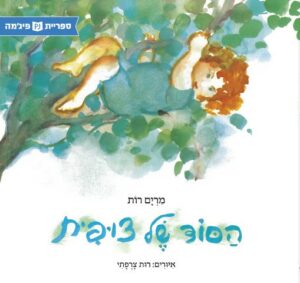
"אבל לצופית לא אכפת, נעים לה לשבת כך לבד": האם לדעתכם צופית באמת נמצאת לבדה? מה אתם עושים כשאתם נמצאים עם עצמכם? היכן אתם אוהבים להיות לבד? תוכלו לטייל בין דפי הספר ולשוחח על החוויות שעוברת צופית כשהיא נמצאת בחברת העץ. איזו מבין החוויות שעוברות על צופית מוצאת חן בעיניכם?
הספר עשיר בצבעים ובפרטים שמשתנים עם שינויי עונות השנה. תוכלו להציע לילדים לדפדף ולחפש פריטים שונים: עלים, עננים, פירות או בעלי חיים. אפשר לחפש צבעים מרכזיים בעמודים השונים: עמוד אדום או עמוד ירוק, ולצייר ציורים בהשראת איורי הספר: ציור ירוק, ציור צהוב או ציור בכל צבעי הקשת.
עד כמה אתם טובים בניחוש סודות? – אפשר לשחק במשחק הניחושים: כל משתתף ומשתתפת בוחרים בתורם "סוד", לפי נושא שתחליטו עליו: בעל חיים, ספר או פריט מהטבע. המשתתפים האחרים צריכים לנחש מהו ה"סוד", על ידי הצגת שאלות שהתשובה עליהן היא "כן" או "לא".
אפשר לצאת החוצה ולחפש עץ הקרוב לביתכם: איך נראה העץ? מה צבע העלים שלו? ואולי העץ עירום, ללא עלים? האם הוא נושא פירות? אם כן, זהירות! לא כל הפירות ראויים למאכל. תוכלו ללטף את הגזע ולשים לב לציפורים ולבעלי חיים בקרבת העץ. כדאי לחזור לבקר אותו ולראות האם וכיצד הוא משתנה במהלך השנה. בהשראת צופית – איזו מתנה תרצו להעניק לעץ שאימצתם?
למה צופית בוחרת לשבת לבד? למה הילדים ממשיכים לקרוא לה? איך הילדים קוראים לצופית? האם היא אוהבת לדעתכם את השם "צופית צפצופית"? מה היא מרגישה לדעתכם כשהיא על העץ?
עונות השנה – כדאי לעקוב אחר העונות כפי שהן מובעות במילים ובאיורים שבספר וכפי שהן במרחבי החיים: אילו בעלי חיים וצמחים אופייניים לכל עונה? האם הם משתנים על פי העונות? הַציעו לילדים לתעד את המעקב במגוון חומרים: ציור, צילום, קולאז' ועוד.
חבק עץ
למפגש הילדים עם עצים, עם חורשות ועם יערות תורם רבות ללמידה חווייתית במרחבי החיים. המיזם "חבק עץ" מציע לצאת עם הילדים מהגן, להכיר עצים ולטפחם בסביבה הקרובה ובחלקת יער או בחורשה בקרבת מקום.
האומנית רות צרפתי איירה את הסיפור בצבעי מים. כדאי להתבונן יחד באיורים ולגלות את המיוחד בצבעי המים: כתמי הצבע, משיכות המכחול, ערבוב הצבעים. בהמשך כדאי לתת לילדים להתנסות בציור בצבעי מים.
אפשר להתבונן באיורים ולגלות את שינוי הגוונים לפי חילופי העונות ולהתייחס לשימוש בצבעים "קרים" ו"חמים". ניתן להציע לילדים ליצור בצבעים "חמים"
(אדום, כתום, צהוב, חום) ובצבעים "קרים" (ירוק, כחול, סגול) וללוות את היצירה במוזיקה מתאימה, למשל "ארבע העונות" מאת אנטוניו ויוַלדי.
הספר "הסוד של צופית" הוא פרי עטה של סופרת הילדים המוערכת, מרים רות (2005-1910). זו הזדמנות לגלות עם הילדים את ספריה ולהיזכר בספרים מוכרים ואהובים שכתבה: "הבית של יעל", תירס חם, "מעשה בחמישה בלונים", "מגפיים" ו"המעיל של סבתא".
גוזרים דפי נייר בצורת עלים. כל בן ובת משפחה מקבלים כמה עלים וכותבים הצעות למעשים מתחשבים במשפחה. למשל, להשאיר לאחרים מים חמים במקלחת; להאכיל את האוגרים או לומר 'בוקר טוב' עם חיוך. הכינו את העץ שלכם כציור או כיצירה מחומרים ממוחזרים או ענפים שאספתם, וחברו אליו את העלים.
כדאי לנסות וליישם את ההחלטות שלכם. אפשר להחליט שבכל יום מנסים הצעה אחת. ואם לא כל כך הצלחנו – מחר יום חדש…
הצעות ודוגמאות בפינטרסט של ספריית פיג'מה – "עץ המיץ".
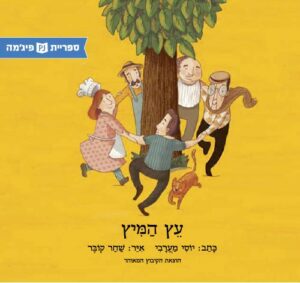
תושבי הכפר צריכים לשתף פעולה כדי שעץ המיץ יוסיף להצמיח עלים. משחק הוא דרך מהנה לשיתוף פעולה משפחתי: גזרו עלה מנייר ועמדו בשוּרה. מוכנים? – התחלנו!
עליכם להעביר את עלה הנייר ממשתתף למשתתף בלי לגעת בו בכפות הידיים. אם מישהו מהמשתתפים מתקשה, אפשר לעזור לו בעצה ובקריאות עידוד. עם סיום המשחק אפשר לחגוג עם המשקה שאתם הכי אוהבים.
לחיי שיתופי פעולה שהיו ועוד יהיו!
הסיפור נגמר כאשר מר מילי לא אומר דבר. הוא מחייך ומסייע להשקות את העץ. ומה קרה אחר כך? – אפשר לנסות להמשיך את הסיפור מנקודה זו : מה מר מילי חשב כשחייך כך בשקט? מה קרה לעץ המיץ ולתושבים בכפר? האם המשיכו התושבים לקטוף רק עלה אחד? ואולי קרו דברים מפתיעים בהמשך?
תושבי הכפר רצו לשתות עוד ועוד מהמשקה הטעים ולא חשבו על התוצאה של מעשיהם. תוכלו לשוחח עם התלמידים ולשאול: האם גם לכם קרה שרציתם משהו עוד ועוד? מתי מועיל לרצות עוד ומתי השאיפה ליותר עלולה לגרום נזק? מה אנחנו יכולים לעשות כדי שהעולם יהיה מקום טוב יותר עבורנו?
הספר מעלה מחשבות על דברים שהיו יכולים להיאמר בין העץ לבין תושבי הכפר: מה היה אומר העץ העירום לתושבים? ומה הם יכולים היו להשיב לו? אפשר לבקש מהתלמידים לכתוב את חילופי הדברים האלו באמצעות קומיקס, ציור או מכתב. אפשר גם להציע להם להמחיז את השיחה בין העץ לבין כל אחד מהתושבים.
בעקבות העץ הפלאי והמיץ שיוצא מהעלים שלו אפשר להכין יצירות דמיוניות. תוכלו להזמין את התלמידים ליצור עץ אישי משלהם ולטמון בין עליו את כל מה שהם היו חולמים עליו ורוצים שהוא יצמיח.
תוכלו גם להזמין את התלמידים לדמיין ממה מורכב המיץ הכי טעים בעולם, לצייר את המרכיבים שלו ולצרף הוראות הכנה
האם חשבתם על שמו של גיבור הסיפור, מר מילי? הלל הזקן אומר: "אם אין אני לי מי לי, וכשאני לעצמי – מה אני?" (אבות, א' י"ג) תוכלו להציג לתלמידים את הפתגם, ללמוד מה משמעותו ולדון האם וכיצד הוא קשור לסיפור שקראתם.
אפשר לקרוא את הספר בחוץ, תחת עץ, ולשים לב לציוץ הציפורים, לתנועת העלים ברוח, לצל שמטיל העץ, לשורשיו, לבעלי החיים שחיים לצידו ועוד.
כדאי להזמין את הילדים לעיין מקרוב באיורים. האם הם מצאו את הדוכיפת שמופיעה בכל עמוד? אילו פריטים מוטמנים תחת האדמה בין שורשי העץ? האם הם הבחינו בסוגים השונים של העצים? האם הבחינו בפרצופים שהוסיף להם המאייר?
איך זה להיות פרח שנקטף? איך מרגישה אבן בגשם? איך זה לעוף גבוה כמו דוכיפת? ואיך מרגישה חפרפרת מתחת לאדמה? הספר מספק הזדמנות להתבונן בסביבה ברגישות. אפשר לשחק משחק שבו הילדים "מרגישים" כמו כל מיני חיות, צמחים או חפצים בסביבה הקרובה אליהם. אתן מוזמנות לסרוק את קוד ה-QR בגב הספר ולצפות בסרטון העוסק בנושא זה. הזמינו גם את ההורים לצפות בסרטון.
נולדה בשנת 1944 באלכסנדריה שבמצרים ועלתה לארץ בגיל שנה. בראשית דרכה המקצועית עסקה בן דור בחינוך מוזיקלי, וכתבה תסריטים ושירים לתוכניות טלוויזיה רבות לגיל הרך: 'פרפר נחמד', 'רחוב סומסום' ועוד. רבים משיריה לפעוטות וספריה לילדים ידועים ואהובים, כגון 'אני תמיד נשאר אני', 'דגדוגים', 'אותיות מפטפטות', ו'ככה זה בעברית'. דתיה בן דור זכתה באותות הוקרה על תרומתה לספרות הילדים, בהם פרס אקו"ם ופרס ביאליק למפעל חיים בספרות ילדים.
המאייר איתי בקין הוסיף פרטים שאינם מוזכרים במילות הסיפור. האם ילדיכם מזהים את כל הדברים שנמצאים לצד שורשי העץ, תחת האדמה? מי מופיעה שוב ושוב, מתעופפת בין דפי הספר?
העץ שמח להיות נטוע במקומו, לשמוע את הציפורים המזמרות ואת הטל היורד. אתם מוזמנים להתנסות עם הילדים במשחק 'עין טובה' – יחד מתבוננים מבעד לחלון, מחפשים דברים טובים ומשתפים זה את זה. לאחר מכן אפשר להתבונן אל הבית פנימה ולהמשיך במשחק, כל אחד בתורו אומר משהו טוב שהוא אוהב בבית ובמשפחה.
תוכלו לצאת לטיול עצים בסביבת הבית. כדאי לשים לב, אילו עצים גדלים בסביבה? האם אלה עצי נוי או עצים המניבים פרי? כיצד יודעים אם העץ צעיר או זקן? תוכלו לארוז את הספר, שמיכה וכיבוד קל, ולקרוא את הסיפור יחד בחיק הטבע, תחת עץ אהוב.
העצים מביאים לנו תועלת רבה. אפשר לעבור בין חדרי הבית ולחפש את כל הדברים שעשויים מעץ או מפירותיו, למשל: רהיטים העשויים מעצים שונים, הנייר העשוי משבבי עץ וכך גם הספרים, שמן לבישול ולמאור מעץ הזית, יין וצימוקים מהגפן וכדומה.
מחקר עצים – אילו עצים יש בסביבת הגן? תוכלו לצאת לחקר משותף: לצלם את העץ, לבדוק מהו שמו ומה מייחד אותו, להצטלם בסביבת העץ ולכתוב "ספר עץ", הכולל יצירות של הילדות והילדים תצלומים ומידע על העץ (סוגו, מקום צמיחתו, מצבו, פריחתו, עליו, צבעיו ועוד).
שמות מהטבע – האם יש בגן ילדים וילדות ששמותיהם לקוחים מעולם הצומח? תוכלי לבקש מההורים ומהילדים להסביר את מקור שמם, להביא תמונה של הצמח לגן ולהסביר מדוע בחרו דווקא בשם הזה.
ספרים ועצים – האם יש בגן ספרים נוספים העוסקים בעצים ובקשר בין אדם לטבע? ניתן להכין בגן פינת קריאה של ספרים שעוסקים בעצים, להיזכר בספרים העוסקים בנושא זה, לעיין בהם ולהקריא אותם. בין ספרי ספריית פיג'מה שעוסקים בטבע ובסביבה ישנם הספרים "אבא עץ", "סל מלא תאנים", "איך זה להיות עץ" ו"מר זוטא ועץ התפוחים".
אפשר לארוז את הספר, שמיכה וכיבוד קל ולקרוא את הסיפור מתחת לעץ אהוב בחיק הטבע. לאחר הקריאה אפשר לאסוף אצטרובלים, קליפות עץ, עלים ועוד. עם חזרתכם הביתה תוכלו להכין מהם יחד יצירה.
באובב, שסק, אשל, פקאן… גיורא מַכּיר את כל העצים בשמותיהם. אילו עצים גדֵלים בסביבת הבית שלכם? איך מזהים אותם, איך מבדילים ביניהם? תוכלו לצאת לסיור עצים, ללמוד עליהם ולהכין יחד מגדיר עצים מצויר.
כדאי לצאת לטיול רגלי בסביבת הבית. האם יש שטחים ריקים או חצרות מוזנחות? עם חברים תוכלו לנקות ולייפות את האזור. אפשר אפילו לשתול בשיתוף הקהילה גינה קהילתית.
האם אתם מכירים עוד סיפורים או שירים על עצים (למשל, "מר זוטא ועץ התפוחים" מאת אורית רז, "איך זה להיות עץ" מאת דתיה בן דור, "עץ אבא" מאת דבורה בושרי, "מה צריך בשביל…" מאת ג'יאני רודארי ועוד)? תוכלו לחפש אותם בבית או בספרייה ולקרוא אותם יחד.
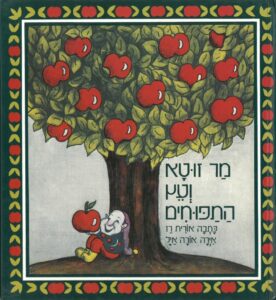
האם לעצים יש רגשות? הילדים יכולים להמחיז את הסיפור. הכיני תחפושות פשוטות ובחרי כל פעם קבוצה של 4 ילדים (3 גמדים ועץ). בזמן שחבריו של מר זוטא מציעים לו דרכים לסלק את העץ, העץ יכול לבטא בהבעות פנים את התגובה שלו למה שהוא שומע. אילו העץ היה יכול לדבר, מה היה אומר לגמדים? כיצד הוא יכול להצליח לשנות את דעתם?
יוצאים לטיול עצים: אילו עצים צומחים בחצר הגן? מה צומח במסלול אותו עוברים הילדים כל יום מהבית אל הגן? אם מתאפשר לכם, כדאי לצאת לטיול עם משפחות הגן ולחפש עצים שגדלים בסביבה. האם הילדים מכירים סוגי עצים שונים? בעקבות ההיכרות עם העצים אפשר להכין תערוכה של ציורי עצים ולתלות אותם על לוח קיר.
שותלים יחד גינה קהילתית: האם בקרבת הגן יש משטחים ריקים או חצרות מוזנחים? תוכלו לחבור לגופים קהילתיים נוספים, לנקות ולייפות את האזור. אפשר אפילו לשתול יחד גינה קהילתית.
לקראת ט"ו בשבט – חגיגה של עצים! אפשר לבקש מהילדים וההורים לחפש בבית ובספריה ספרים נוספים שעוסקים בעצים, למשל "עץ אבא" מאת דבורה בושרי, "העץ המופלא" מאת ניק בלנד וסטיבן קינג. בלחיצה על שמות הספרים תוכלו לקרוא מגוון הצעות נוספות לפעילות בגן סביב עצים.
מאכלי תפוחים: בעמוד האחרון של הספר מופיע מתכון להכנת מאפה תפוחים ופירורי בצק. כדאי לעודד את המשפחות לנסות להכין אותו בבית, או עוגות תפוחים אחרים, ולשלוח תמונות בווטסאפ של העוגות. אפשר להזמין את המשפחות לקבלת שבת מיוחדת בגן, בה תמחיזו את הסיפור, תשירו שירי ט"ו בשבט, ותתכבדו בסלט פירות ובמאפי תפוחים.
יושבים קרוב וקוראים יחד – אפשר לחפש את האיור של העץ היבש, לעצור את הקריאה ולשאול את ילדיכם, למה לדעתם העץ אינו צומח? מה חסר לו? בסוף הסיפור תוכלו לשוחח: מה גרם להתחדשות וללבלוב של העץ? האם לזה התכוון מר זוטא כשהוא שתל את הגינה?
האם לעצים יש רגשות? חפשו את הדף שבו מציעים חבריו של מר זוטא לסלק את העץ. תוכלו להמציא דו-שיח. אילו העץ היה יכול לדבר, מה הוא היה אומר למר זוטא ולחבריו?
גם אני רוצה גינה! – מר זוטא מקנא בגינות של חבריו. תוכלו לשתף, האם פעם רציתם משהו שהיה לאחר? איך הרגשתם, מה עשיתם? אם גם אתם רוצים גינה, אפשר לשתול פרחים, תבלינים או ירק בגינה או באדנית, לטפל בהם ולעקוב אחר הצמיחה.
שותלים יחד גינה קהילתית – כדאי לצאת לטיול רגלי בסביבת הבית. האם יש שטחים ריקים או חצרות מוזנחות? יחד עם חברים תוכלו לנקות ולייפות את האזור. אפשר אפילו לשתול בשיתוף עם אחרים גינה קהילתית.
ממש מתחת לאף – מר זוטא לא הבחין בשינוי שחל בעץ התפוחים, עד שחבריו התפעלו ממנו. האם קרה לכם פעם שלא הבחנתם במשהו טוב שקורה לידכם? תוכלו לטייל יחד בין חדרי הבית ובחצר ולחפש את כל הדברים היפים שצמחו או השתנו לאחרונה.
3 כפות סוכר (אפשר להוסיף כף קינמון או כף מיץ לימון, לפי הטעם).
הכנה:
מערבבים יחד את הסוכר, החמאה והקמח עד שמתקבלים פירורים בינוניים. מאחסנים שעה במקרר.
קולפים את התפוחים וחותכים אותם לפלחים.
ממיסים במחבת את החמאה ומבשלים בה את התפוחים 15-10 דקות תוך ערבוב, עד שהתפוחים רכים אך עדיין שומרים על צורתם.
מעבירים את התפוחים לתבנית, מפזרים עליהם את פירורי הבצק ואופים בחום בינוני-גבוה כ-20 דקות, עד שהפירורים זהובים.
מגישים חם או בטמפרטורת החדר. בתיאבון!
תוכלו לשחק "חפש את המטמון" עם פתקים מצוירים שרומזים למיקומים שונים בגן. הילדים יעברו מתחנה לתחנה עד שיגיעו אל התחנה האחרונה, בה יחכה להם המטמון – סלסלת פירות לכל הילדים.
אפשר להכין עם ילדי הגן מגדיר זרעים וגרעינים. אוספים גרעינים וזרעים שונים, מדביקים כל ממצא על בריסטול, מתארים את תכונותיו ומדביקים לצדו תמונה של הפרי ממנו בא או הצמח שאליו יגדל. אפשר לבקש מההורים להשתתף בהכנת המגדיר ולעזור באיסוף הגרעינים והזרעים.
אילו עצים צומחים בסביבת הגן? האם אלה עצי סרק או עצי פרי? אפשר לצאת לטיול קצר בחצר ולגלות דברים נפלאים. צורת העלים השונה, הפירות שצומחים כעת או יצמחו בעתיד. אילו חיות נהנות מהעץ? אוכלות מפירותיו מקננות, מטפסות או חיות למרגלותיו?
על טעם וריח… האם הילדים יכולים לזהות פרי בלי לראות אותו? אפשר לשחק את "נחש מה הפרי". מכסים את העיניים, מוציאים פרי מסלסלה ומנסים לגלות מה הפרי בעזרת חושי המישוש, הריח – אפילו הטעם. בודקים האם הוא גדול או קטן? מה המרקם שלו, האם יש לו ריח?
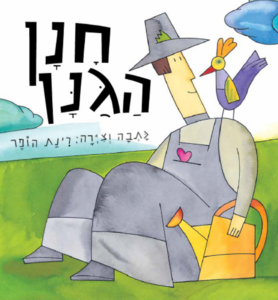
האם אתם מכירים עוד ספרים שכתבה רינת הופר? אוספים את כל ספרי הופר שיש בגן, מבקשים מהילדים להביא מהבית ספרים שיש ברשותם ומקדישים מקום בגן ל"פינת רינת הופר" וזמן לקריאת הספרים.
איפה הלב?
כדאי לדפדף יחד בספר ולעיין באיורים הצבעוניים. מה גדל על כל עץ? האם ילדיכם שמו לב שהסיפור נפתח בלב קטן בכיס של חנן הגנן ומסתיים בחמישה עצים בצורת לב? חפשו בין הדפים ונסו למצוא יחד את הציפור שמלווה את הסיפור.
פעמון ופזמון
רצוי לחזור ולקרוא את הספר כמה פעמים. הילדים יכולים להצטרף לפזמון החוזר "דין דין דון בפעמון", ולאחר כמה קריאות הם יכירו את הסיפור ויוכלו לספר אותו על-פי רצף האיורים.
משחק החושים
תוכלו לשחק יחד "מי מזהה את הפרי". מכסים את עיני הילדים במטפחת ונותנים להם פרי: האם הם יצליחו לזהות אותו? כדאי להנחות אותם להשתמש בחוש המישוש ובחוש הריח. אפשר גם לנגוס בפרי ולנסות לזהות אותו בעזרת חוש הטעם.
ספר מוביל לספר
האם אתם מכירים ספרים נוספים שכתבה ואיירה רינת הופר (למשל: "איילת מטיילת", "מפלצת סגולה")? כדאי לחפש אותם בבית או בספרייה ולקרוא אותם יחד.
הפתעה באבוקדו
גם אתם יכולים להצמיח לעצמכם מטמון! לוקחים גלעין של אבוקדו, נועצים בו ארבעה קיסמים וטומנים אותו בצנצנת, כאשר הקצה המחודד פונה כלפי מעלה והחצי הרחב שלו טובל במים. תוכלו לעקוב אחר הנביטה: האם הגלעין שלכם גדל לעץ אבוקדו?
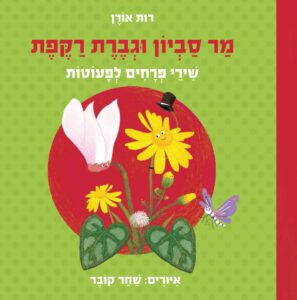
הפרח שלי כדאי לשבת בנחת ולדפדף יחד בספר. אילו שירים אתם אוהבים במיוחד? ואילו פרחים? בשונה מסיפור רציף, אוסף של שירים ניתן לקרוא בכל סדר שתרצו — לבחור בכל פעם פרח אחר ולקרוא יחד את השיר שלו.
טיול בעקבות פרחים:
אילו פרחים גדלים בקרבת הבית שלכם? תוכלו לצאת לטיול ולחפש פרחים: לטעום חמציץ, לחוש את הקוצים של הוורד, לנשוף על סביון הסב ולהריח נרקיס נפלא. האם הפרחים שראיתם דומים לציורים שבספר?
אלו פרחים צומחים סביבנו, אילו חיות קטנות אפשר למצוא בחצר או בדרך למעון? השירים מזכירים גם לנו, המבוגרים, את פלאי הטבע. כדאי לצאת החוצה ולחפש פרחים, פרפרים וחיות קטנות אחרות. אפשר לבקש מההורים לצלם את ילדיהם במפגש עם הטבע ולהציג את התמונות על קיר במעון.
לפני קריאת הסיפור עם הילדים אפשר לחלק לכל אחד עותק, לדפדף יחד ובכל עמוד לשאול "מה יש לילד ביד", "מה מצויר על השלט?", "מה לדעתכם קורה כאן?", "מי זה לדעתכם ומה הוא אומר לילד?"… בהמשך תקריאי את מילות הסיפור ותראו כמה הבנתכם את האיורים תאמה את הסיפור המילולי.
תוכלי להסב את תשומת-לב הילדים לדרך שבה המבוגרים בסיפור מטילים ספק באמונת הילד. מה בדיוק אומרים לו ההורים ומה אומר האח הגדול? אפשר לפתח שיחה על הקושי של המבוגרים להאמין שהגזר יצמח. למה לדעתם היה להם קשה להאמין שהגזר יגדל? (כדאי לרשום את תשובות הילדים על דף ולתלות את הרשימה על לוח ההורים.) תוכלו לשתף זה את זה בחוויות: האם קרה שלא האמינו לכם? איך מרגישים כשהסביבה מפקפקת במשהו שאתם בטוחים בו?
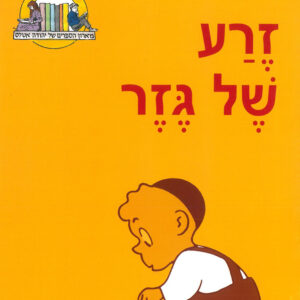
"זרע של גזר" הוא סיפור פשוט על אמונה גדולה. ילדים צעירים חושבים מחשבות על אמונה ושואלים שאלות – אך אנחנו, המבוגרים, לא תמיד מרגישים נוח לדבר על כך. הקריאה והעיסוק בסיפור "פותחים דלת" לשיחה בקבוצות קטנות אודות אמונה במה שאיננו רואים. באתר "גננת" בקישור כאן תוכלי לצפות בהרצאה של ד"ר אהרון דיטשר על העולם הרוחני של ילדים.
קשה להתאפק! הסיפור "זרע של גזר" ממחיש את הסבלנות ואת ההתמדה הדרושות לגידול ירקות. תכונות אלה נחוצות להשגת מטרות רבות בחיים. אפשר להעלות דוגמאות להישגים שאת והילדים הגעתם אליהם לאחר מאמצים ולאחר המתנה ממושכת, ולשתף זה את זה בתחושת הסיפוק שנלוותה להישגים אלה. אפשר לבקש מהילדים להעלות הצעות לדברים שעוזרים לנו להמתין בסבלנות, לצייר את הרעיונות ולתלות אותם במקום מרכזי בגן.
בעקבות הקריאה אפשר להעמיק את הבנת הילדים בנוגע לגדילת ירקות ופירות. מה צומח מזרע כמו גזר? מה גדל בתוך האדמה? ומה גדל על עצים? אפשר להנביט זרעים או לשתול גינת ירק בחצר הגן. תוכלי לבקש מהילדים לצייר שלטים שמסמלים כל ירק, כמו השלט שצייר הילד בסיפור, לעקוב ולתעד את גדילת הירק.
הילד בסיפור מכין שלט עם ציור של גזר, אשר מסמל את הירק שהוא זרע. אפשר לבקש מהילדים לערוך סיור בחדר הגן ולחפש את כל השלטים במקום. מה המשמעות של כל שלט? בהמשך אפשר להציע להם להכין שלטים נוספים, לגן או לבית, שיציינו איפה דברים שונים נמצאים.
האיורים של קרוקט ג'ונסון מתארים את המתרחש מעל האדמה. תוכלי להציע לילדים לצייר את ההתרחשות מתחת לאדמה, דף אחר דף, ויצור ספרונים שמתארים את הסיפור של הגזר. אפשר לערוך תערוכת הספרונים בגן.
בעקבות הסיפור תוכלו לערוך "סעודת גזר" בגן עם מאכלים שונים מגזרים: מיץ גזר, מרק גזר, סלט גזר, עוגת גזר ועוד! זו הזדמנות לשתף את ההורים ולבקש מהם להביא לגן מתכונים או מצרכים.
הילד בסיפור אינו אומר דבר, ואנחנו יכולים רק לשער מה הוא חושב ומרגיש כשכולם מטילים ספק בכך שהגזר יצמח. אילו היה מדבר, מה היה עונה להם, לדעתכם? אפשר לבחור בובות שיסמלו את הילד, את הוריו ואת אחיו, ולהזמין את הילדים להמציא דו-שיח בין הילד למשפחתו.
בסוף הסיפור הילד מוביל את הגזר בתוך מריצה. תוכלו לחשוב יחד על המשך לסיפור: לאן הוא לוקח את הגזר? איך מגיבים האחרים כשהם רואים את הגזר הענק? מה עושה בו הילד? אפשר לצייר או להמחיז סיפור המשך.
אלו ספרים נוספים יש בספריית הגן שלך, שקשורות לנושא? תוכלי לערוך תערוכה בפינה מיוחדת עם ספרים ושירים בעקבות "זרע של גזר". דוגמאות כוללות "אליעזר והגזר" מאת לוין קיפניס, "עוגת גזר" מאת מיריק שניר, ועוד. אם מתאים למשפחות הגן שלך, תוכלי לבקש מהילדים לחפש ספרים דומים בבית ולהוסיף אותם לתערוכה בגן.
הסיפור מזמן שיחה עם ילדים על הפוטנציאל הגלום בכל אחד מהם לעשות מעשי מנהיגות: מטרה, דחף ואמונה בצדקת הדרך. הפעולות אותן עושה הילד הקטן והדבקות המטרה למרות ספקנותה של הסביבה שלו מראות כי הסיפור הוא הרבה מעבר לגזר שצומח. מנהיגים נוצרים בעשיית מעשי מנהיגות: כך הילד הקטן: עקר עשבים, השקה, טיפח את הזרע בהתמדה ובסבלנות. עד שיום אחד "נבט הגזר" – מעשיו נשאו פרי הוא הגשים את משאלתו השיג את מטרותיו.
לפעמים הצורה לא פחות חשובה מהתוכן. "זרע של גזר" כתוב בפחות משמונים(!) מילים בעברית, ובכל זאת הסיפור מצליח להעביר לקוראים חוויה עמוקה, משמעותית ומעוררת תקווה. דברים קטנים, רגעים נקודתיים, בחיי הילדים לעתים בעלי משמעות חזקה אף יותר מאירועים מרעישים וגדולים. זה שיעור חשוב גם לנו, גם להורי הילדים.
המבוגרים בסיפור מטילים ספק בכך שהגזר יגדל. אפשר לדון עם ילדיכם בשאלות כמו: למה לדעתכם התקשו המבוגרים להאמין שהגזר יצמח? כשקראתם את הסיפור, האם האמנתם שהגזר יצמח באמת?
הסיפור הוא הזדמנות לקשר בין העלילה ובין החיים שלכם ולשתף זה את זה בחוויות שחוויתם: האם קרה לכם שלא האמינו לכם? איך מרגישים כשהסביבה מפקפקת במשהו שאתם בטוחים בו?
הילד בסיפור אינו אומר דבר, ואנחנו יכולים רק לשער מה הוא חושב ומרגיש כשכולם מטילים ספק בכך שהגזר יצמח. אילו היה מדבר, מה היה עונה להם, לדעתכם? אפשר לבחור בובות שיסמלו את הילד, את הוריו ואת אחיו, להתבונן יחד בתמונות בספר ולהמציא דו-שיח בין הילד למשפחתו.
בסוף הסיפור הילד מוביל את הגזר בתוך מריצה. תוכלו לחשוב יחד על המשך לסיפור: לאן הוא לוקח את הגזר? איך מגיבים האחרים כשהם רואים את הגזר הענק? מה עושה בו הילד?
הגזר גדל מתחת לאדמה, ולא על מדפי חנות ירקות! בעקבות הקריאה אפשר לבקר יחד בסופרמרקט או בחנות מכולת ולהסתכל על הירקות ועל הפירות השונים. מה צומח מזרע כמו גזר? מה גדל בתוך האדמה? ומה גדל על עצים? אילו מאכלים אפשר להכין מכל פרי וירק? ומה אנחנו אוהבים במיוחד לאכול?
האיורים של קרוקט ג'ונסון מתארים את המתרחש מעל האדמה. תוכלו לקרוא שוב את הסיפור ולהציע לילדיכם לצייר את ההתרחשות מתחת לאדמה דף אחר דף. כך יהיו לכם שני ספרוני תמונות עבור "זרע של גזר": האחד שיספר את הסיפור של הילד ומשפחתו, והאחר – את סיפורו של הגזר.
בעקבות הסיפור תוכלו להכין עם ילדיכם מאכלים שונים מגזרים: מיץ גזר, מרק גזר, סלט גזר, עוגת גזר ועוד! להלן מתכון פשוט להכנת סלט גזר מתוק וטעים: בקשו מילדיכם שיעזור לכם לקלף ולגרד כמה גזרים אל תוך קערה. הוסיפו מעט מיץ לימון, סוכר וחופן צימוקים וערבבו הכול יחד. אפשר לכבד את כל המשפחה במעשה ידיכם. בתיאבון!
הסיפור "זרע של גזר" ממחיש את הסבלנות ואת ההתמדה הדרושות לגידול ירקות. תכונות אלה נחוצות להשגת מטרות רבות בחיים. אפשר לשתף את ילדיכם בהישגים שהגעתם אליהם לאחר מאמצים ולאחר המתנה ממושכת, ולספר על תחושת הסיפוק שנלוותה להישגים אלה.
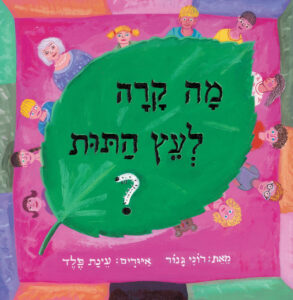
תפקידם של העצים בעולם: העצים נותנים פרי וצל, מקשטים את הסביבה ומשמשים בית לציפורים. בנוסף לכך תורמים העצים לאיכות האוויר שלנו, מפני שהם פולטים חמצן אותו אנו נושמים. במשך כמה שנים גדל עץ? ואיך יודעים בן כמה הוא? אם יזדמן לכם לראות חתך רוחב של גזע עץ, תוכלו להראות לילדים את הטבעות הולכות ומתרחבות. גילו של העץ, כמספר הטבעות שעל גזעו.
ילדי גן מרים מעלים טיעונים חשובים מדוע אין לכרות עץ. עוד בגן העדן ניתן לאדם תפקיד לשמור על העולם הסובב אותו – בלשון התורה "לְעָבְדָהּ וּלְשָׁמְרָה" (בראשית ב, טו). הוא הצטווה לעבוד ולשמור על גן העדן, על העצים והצמחים שבו. בכרמל נשרפו השנה עצים רבים מאד. מומחים מעריכים כי יחלפו עשרות שנים עד שיושלם שיקום החי והצומח בכרמל. כיצד נוכל אנו לשמור על העצים והצמחים שאנו פוגשים בסביבת המגורים ובטיולים?
סיפורי עצים: האם עומד בקרבת הגן עץ, שאתם משחקים לידו, או מכירים סיפור שקשור בו (לדוגמא: מי נטע אותו, היכן הוא נמצא וכו')? הצטלמו ליד העץ וכתבו ליד התמונה את סיפורו של העץ.
"מזחל לפרפר": עץ התות מספק מזון לזחלי המשי. הזחלים מתגלמים בקורי משי והופכים לפרפרים. בעונת האביב אפשר לראות פרפרים, ואולי גם זחלים על השיחים והעצים בקרבת הגן. אם אתם מגדלים זחלי משי בגן, תוכלו לצפות בתהליך מקרוב.
מנהגים בגן: בגן מרים גדלו והתחנכו דורות של ילדים. ילדי הגן נהגו לקטוף עלי תות, ו"לבקר" את העץ בטיולים. אילו מנהגים יש בגן שלנו? מה אנו נוהגים לעשות בגן באופן קבוע? מה אנו אוהבים בגן וגאים בו? הזמינו את הילדים לשאול את הוריהם אם זכורה להם הגננת שלהם, ומה אהבו לעשות בגן.
בסיפור מצליחים גננת אחת וקבוצת ילדים להביא לשינוי. שירו את השיר "אני ואתה נשנה את העולם" יחד בגן. הדגישו את האמונה שכל אחד, אפילו ילד, יכול להביא לשינוי.
הבשורה על כריתת עץ התות מעציבה מאד את ילדי גן מרים. גם הגננת אומרת: "קשה לי להאמין שנוכל לשנות את הגזרה". אפשר לעצור את הקריאה ולשוחח: מהי "גזרה"? חשבו אתם, מה אפשר לעשות כדי לשמור על העץ מפני הכורתים? מה דעתכם על הרעיונות השונים שמעלים הילדים בסיפור? האם אתם יכולים להציע להם רעיונות נוספים?
הגננת מרים מבקשת מילדי הגן להסביר "למה אסור לכרות את עץ התות". את הדברים היא כותבת במכתב אל ראש העיר. בשלב זה אפשר להפסיק את הקריאה, ולבקש מילדי הגן שלנו לעזור לילדי גן מרים לנסח את המכתב ולומר, מדוע חשוב לשמור על עץ התות?
ילדי גן מרים הציעו לכתוב שלטים גדולים ובהם סיסמאות הקוראות לשמור על עץ התות. חשבו על נושא אשר יקר לליבכם וחברו סיסמה שתבטא את דעתכם. נושאים לדוגמא: גאווה ושייכות לגן, שמירה על הסביבה, עזרה לזולת ועוד.
ילדי גן מרים הריעו "כיפאק לעדולם". הריעו גם אתם לאדם שעוזר לכם בגן, למשל לחשמלאי שנכנס לתקן תקלה, ועוד.
עץ התות, אותו ביקשו לכרות, נמצא ב"רְשׁוּת הָרַבִּים" – כלומר בשטח ששייך לציבור כולו. ב"רְשׁוּת הָרַבִּים" ישנם כללים שונים מאשר בבית הפרטי שלנו. אנו מתנהגים בה מתוך התחשבות באנשים אחרים, ומה שנמצא שם שייך לכולם ואינו שייך לאדם אחד בלבד. מה עושים כאשר אנחנו רואים ב"רְשׁוּת הָרַבִּים" דבר מרגיז או מצער? איך אפשר להשפיע על החלטות שנוגעות לכולם? ילדי הגן כותבים מכתב לראש העיר, אך ודאי קיימות גם דרכים נוספות.
אילו מקומות ש"שייכים לכולם" יש בשכונה או בעיר שלכם? בחרו מקום ציבורי בסביבת הגן. איך מתנהגים ב"רְשׁוּת הָרַבִּים"? צאו אל המקום והתבוננו כיצד מתנהגים האנשים שנמצאים בו. חשבו על "כללי התנהגות" מקובלים במקום שבחרתם: מה עושים בו, ומה לא עושים בו.
אילו דרכים עומדות לרשותנו כדי להשפיע על הסביבה, או כדי לתקן דבר שעלול להפריע ב"רְשׁוּת הָרַבִּים"? אם קרה לכם מקרה בו הייתם שותפים לשינוי או תיקון במקום ששייך לכולם, ספרו על כך לילדים.
משחק "הטרקטוריסט החכם": ישנם מצבים במשחק או במציאות, שנדמה שאין להם פתרון. כל אחד מציג את הדעה שלו, ונראה שלא ניתן להמשיך מכאן הלאה. הילדים רצו את העץ, העירייה רצתה לכרות אותו כדי לבנות בית, ולרגע הרגישו כולם שאין פתרון למצב. בסוף הסיפור מתגלה דרך שלישית, מפתיעה וחכמה: טרקטור גדול מעביר את העץ לחצר הגן. אולי יש לכם בגן טרקטור חכם כזה, איתו תוכלו "להתייעץ" ולהציע פתרונות למצבים בהם כל אחד מתעקש על העמדה שלו.
אלו עצים נמצאים בקרבת הבית שלכם? קחו נייר וצבעים וצאו החוצה עם ילדיכם ל"טיול אמנות". טיילו בין העצים , שימו לב לסוגים השונים וציירו אותם על דף. חפשו את המאפיינים המיוחדים של כל עץ (אצטרובל ומחטים של עץ האורן, צורתו המיוחדת של הברוש, כפות הדקל של עץ הדקל וכד').
כמה תועלת אנו מפיקים מעצים בחיינו! תוכלו לעבור מחדר לחדר בבית וחפשו דברים שהופקו מעצים – למשל, רהיטים העשויים מעצים שונים, שמן לבישול ולמאור מעץ הזית, יין וצימוקים מהגפן…
אני ואתה נשנה את העולם… בסיפור גננת אחת וקבוצת ילדים הביאו לשינוי. לפעמים נדמה כאילו המעשים הקטנים שלנו אינם חשובים, למעשה הם יכולים ל"שנות עולם". אלו פעולות יכולים אנו, הורים וילדים, לעשות כדי להפוך את הסביבה שלנו לנעימה יותר, עבורנו ולהנאתם של הדורות הבאים?
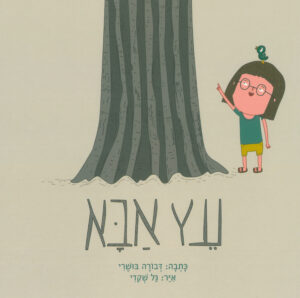
מה קורה בסוף הסיפור? בוודאי שמתם לב לעמודים האחרונים של הספר, בהם העלילה מתוארת באמצעות תמונות בלבד. רצוי לתכנן מראש כיצד "לקרוא את כל הספר עם הילדים" בהיעדר טקסט מילולי. האם ברור מה קורה אחרי שחנה נרדמת? מי הדמויות בעמוד האחרון של הספר? כדאי לזכור שעבור ילדים, האיור הוא העיקר. אפשר לבקש מהם "לקרוא את התמונות" ולגלות לנו את סוף הסיפור.
כדאי לאפשר לילדים לדפדף בספר ולהתבונן באיורים של גל שקדי, המלווים את הסיפור. האם הם שמו לב לבעלי החיים הרבים שמופיעים באיורים לצד העצים? תוכלו להשוות בין העצים השונים. כמה עצים מוזכרים בסיפור? אילו עצים הם עצי פרי ואילו עצי סרק? בעקבות האיורים, הילדים יכולים ליצור עצים בטכניקות אמנות שונות.
אפשר להזמין הורים וילדים ל"טיול עצים" בסביבת הגן. אולי גדלים בסביבה העצים שמופיעים בסיפור? ואולי עצים אחרים? תוכלו להשוות בין העצים: מה התועלת של כל עץ? אלו הם עצי נוי ואלו מניבים פרי? כיצד יודעים אם העץ צעיר או זקן?
אפשר לקרוא את הסיפור בחוץ, בחיק הטבע, תחת עץ. כדאי לצייד את הילדים בשקיות או דליים לאיסוף אצטרובלים, קליפות עץ, זרדים, עלים ועוד. עם חזרתכם לכיתת הגן הילדים יכולים להכין מהם יצירה.
העצים מביאים לנו תועלת רבה. אפשר לעבור בין פינות הגן ולחפש את כל הדברים שעשויים מעץ, למשל: רהיטים העשויים מעצים שונים, שמן לבישול ולמאור מעץ הזית, יין וצימוקים מהגפן וכדומה. אפשר לבקש מהילדים לחפש חפצי עץ בבית, לצייר או לצלם אותם ולערוך בגן תערוכה של דברים העשויים מעץ.
כדאי לשאול מגננות בגני טרום חובה את הספר "מה צריך בשביל…", שחולק ברשימת הצעירים בתחילת השנה, ולקרוא אותו עם הילדים. אפשר להכין יצירות וקולאג'ים בהשראת ספר זה.
במסורת היהודית נהוג לנטוע עץ כדי לציין אבני דרך חשובות בחיים. אפשר לבקש מהילדים וההורים לספר על מסורות משפחתיות הקשורות לעצים. האם גם הם נוטעים עצים לרגל לידה או בשל אבני דרך נוספות במהלך החיים? האם נטעו עבורם עץ ביער של קרן קיימת לישראל? אם כן, אולי אפשר להראות לילדים דוגמה של תעודה שמציינת את הנטיעה, או הקופה הכחולה של קק"ל.
אפשר לקשר את הסיפור לנושא שנת השמיטה. במסורת היהודית יש ערך רב לנטיעה ולשמירה על העולם לטובת הדורות הבאים. השנה בלוח בעברי, תשע"ה, היא שנת שמיטה, שבה נהוג להעניק לאדמה ולעצים "מנוחה" ולאפשר לאדמה להתאושש ולהתחדש. גם השמיטה מבטאת את הרעיון של דחיית הנאה מיידית וההשקעה למען העתיד.
אפשר לחפש בספריית הגן, ולבקש מהילדים לחפש בבית או בספרייה, ספרים נוספים אודות עצים (למשל: האגדה על חוני ועץ החרוב שמופיעה כאן, השיר "איש העץ" מאת שלומית כהן-אסיף, "מר זוטא ועץ התפוחים" מאת אורית רז ועוד). תוכלו לקרוא את הספרים בגן ולערוך תצוגה של "סיפורי עצים".
האם ילדי הגן מכירים ביטויים או פתגמים סביב עצים (למשל, "צדיק כתמר יפרח" – אותו אפשר גם לשיר יחד, "איש תחת גפנו ותחת תאנתו , "לא דובים ולא יער"…)? בעקבות הסיפור תוכלי להסביר את הביטויים לילדים ואף להציע להם להמציא ביטויים חדשים.
סיפורי עצים: האם עומד בקרבת הגן עץ שאתם משחקים לידו, או מכירים סיפור שקשור בו (לדוגמא: מי נטע אותו, היכן הוא נמצא וכו')? אנו מזמינים אתכם להצטלם ליד העץ ולכתוב ליד התמונה את סיפורו של העץ. נשמח לפרסם את התמונות וסיפורי העצים באתר ובדף פייסבוק של ספריית פיג'מה. (אם מבקשים לפרסם תמונות של הילדים יש לדאוג לאישור חתום ע"י הורי הגן.)
הסיפור נכתב בהשראת האגדה אודות חוני ועץ החרובים, המופיעה בתלמוד הבבלי, במסכת תענית כ"ג, ע"א:
פעם אחת היה [חוני] מהלך בדרך, ראה אדם אחד שהוא נוטע חרוב.
אמר לו: זה לכמה שנים טוען פירות?
אמר לו: לשבעים שנה.
אמר לו: כלום ברי לך שתחיה שבעים שנה ותאכל ממנו?
אמר לו: אני מצאתי את העולם בחרובים, כשם שנטעו אבותיי לי, כך אטע אני לבניי.
מקור מנהג נטיעת עץ לרגל לידת בן או בת
בגמרא (גיטין, נ"ז, ע"א) מסופר כי בעיר ביתר, כאשר נולד תינוק היו נוטעים לכבודו ארז; וכאשר נולדה תינוקת היו נוטעים לכבודה ברוש. כאשר היה מתחתן זוג, היו נוטלים ענף מהארז וענף מהברוש ובונים מהם חופה.
כדאי להתבונן יחד באיורים של גל שקדי, המלווים את הסיפור. שימו לב לבעלי החיים הרבים שמופיעים באיורים לצד העצים. תוכלו להשוות בין העצים השונים. כמה עצים מוזכרים בסיפור? אילו עצים הם עצי פרי ואילו עצי סרק?
האם גם לכם עץ אהוב בקרבת הבית? האם יש מאחוריו "סיפור"? אפשר לצאת ל"טיול עצים" בסביבת הבית. אולי גדלים בסביבה העצים שמופיעים בסיפור? ואולי עצים אחרים? תוכלו להשוות בין העצים: מה התועלת של כל עץ? אלו הם עצי נוי ואלו מניבים פרי? כיצד יודעים אם העץ צעיר או זקן? תוכלו לארוז את הספר, שמיכה וכיבוד קל, ולקרוא את הסיפור יחד בחיק הטבע, תחת עץ. בהמשך אפשר לאסוף אצטרובלים, קליפות עץ, עלים ועוד, ולהכין מהם יחד יצירה עם חזרתכם הביתה.
בסיפור חנה מבקשת לטפס על עץ "עכשיו", ואבא מבקש לנוח "עכשיו". המצב הזה מוכר במשפחות רבות. איך אתם מגיבים במצב של התנגשות בין רצונות בין בני המשפחה? תוכלו לשוחח יחד על דברים שרוצים מייד, על דברים שדורשים המתנה, על התחשבות ברצונות של אחרים ועל סבלנות.
העצים מביאים לנו תועלת רבה. אפשר לעבור בין חדרי הבית ולחפש את כל הדברים שעשויים מעץ, למשל: רהיטים העשויים מעצים שונים, שמן לבישול ולמאור מעץ הזית, יין וצימוקים מהגפן וכדומה.
האם אתם מכירים עוד סיפורים על עצים (למשל: האגדה על חוני ועץ החרוב שמופיעה כאן, השיר "איש העץ" מאת שלומית כהן-אסיף, "מר זוטא ועץ התפוחים" מאת אורית רז, או "מה צריך בשביל…" מאת ג'יאני רודארי)? תוכלו לחפש את היצירות בבית או בספרייה ולקרוא אותן יחד
במסורת היהודית נהוג לנטוע עץ כדי לציין אבני דרך חשובות בחיים. כיצד המשפחה שלכם מציינת אירועים או אנשים חשובים? האם גם אתם נוטעים עצים לרגל לידה או בשל אבני דרך נוספות במהלך החיים?
במקורות שונים האדם משול לעץ. אפשר לשוחח עם ילדיכם על השורשים שלכם, על הזרעים שאתם זורעים למען העתיד, על ענפי המשפחה שלכם ועוד. בהמשך אפשר לשרטט יחד "אילן יוחסין" של המשפחה שלכם, מדור הסבים עד דור הילדים.
כמו העצים, גם בני-אדם זקוקים לבסיס יציב על מנת לצמוח. בעקבות הסיפור אפשר לשוחח עם ילדיכם על דברים שחשובים לכם – ערכים, מעשים, מסורות ואמונות – שמחזקים את "בסיס" העץ של המשפחה שלכם ותומכים בצמיחתכם.
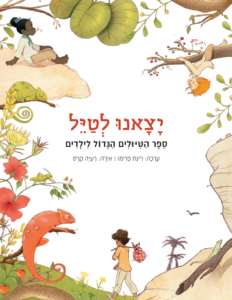
לאן מטיילים? כדאי לאפשר לילדים לעיין בספר ולגלות מה מיוחד בו. האם הם הבינו כי יש בו יותר מסיפור אחד? מה הם מזהים באיורים? אפשר לשוחח: לאן ניתן לטייל ברגל, ואלו מסלולים דורשים תחבורה ממונעת? האם הילדים מכירים את המקומות השונים, האם הם כבר ביקרו בפרדס, במושב, בים?
יוצאים לטיול, ב'כאילו': לא תמיד ניתן לצאת החוצה לטבע, אבל אפשר לשחק ב"כאילו" בתוך הגן! תוכלי להכין פינת הטיול ובה אביזרים מתאימים (כובע, בקבוק מים, משקפת…) ודוגמאות לדברים שפוגשים בטבע (תפאורה של ים, פרדס, הרים, בובות חיות, יצירות של ילדים…), אפילו לצייר מסלול או "גשר צר" בעזרת נייר דבק על הרצפה. מה כדאי להוסיף לפינה? אלו חיות פוגשים בדרך, האם המסלול קשה לטיפוס? הילדים יכולים לתרגל כישורים חברתיים כגון מנהיגות, שיתוף פעולה, זהירות ועוד, ולפליג עם הדמיון למקומות השונים.
שיתוף הורים: עם חלוקת הספר לבתים רצוי לצרף להורים מכתב אישי שמסביר את הייחוד של הספר וממליץ להם לחזור אליו לאורך השנה. הציעי לילדים ולהוריהם להביא לגן צילומים מטיולים משפחתיים ולהעשיר בכך את פינת הטבע והטיול. ניתן גם להכין 'מחברת מטיילת' העוברת בחופשות וסופי שבוע בין משפחות הגן, כאשר כל משפחה מוסיפה לה דף עם צילום או ציור והסבר על טיול שערכה.
ילדים, יוצאים היום לטיול! האם את מרבה לצאת עם הילדים לטיולים קצרים בסביבת הגן הקרובה, כמובן תוך שמירה על בטחון הילדים? אלה הזדמנויות לטפח ערכי פליאה מהעולם, סקרנות וחקר, וכן כבוד לטבע ושמירה על הסביבה. כמו אורי שהשאיר את כובעו למגורי האפרוחים בסיפור 'מעשה בכובע' מאת לוין קיפניס, כך ניתן ליהנות עם הילדים מהשארת צלוחית מים לחתול הצמא או מבניית פינת האכלה לציפורים בחצר הגן.
מה אוספים בדרך ומה משאירים במקום? מרוח השיר 'מציאה' של לאה גולדברג בו מספר הילד על הנאה ממציאת 'חתיכה של שמים' בשלולית המים, אפשר ללמוד על ההנאה מהטבע במקומו 'הטבעי'. כדאי לזכור להשיב את השבלולים והצב למקום בו מצאנו אותם, וכמו באיור הסוגר את הספר לאסוף 'במידה' אבנים, ענף שקד, שיבולים או עלי שלכת כדי לאפשר המשכיות של החוויה והלמידה בגן.
איפה המבוגרים? באיוריה של רעיה קרס מופיעים הילדים ללא מבוגרים. המבוגר המלווה והשומר עליהם בחוף הים, כשמטפסים על עץ גבוה או כאשר מדליקים מדורה במדבר, נותר מחוץ לספר. כך הספר מעודד את הילדים "להפליג" בעת הקריאה למקומות קרובים ולמחוזות רחוקים ואף דמיוניים בחברת ילדים כמותם.
"אנשים טובים באמצע הדרך": את מי פוגשים בדרך, ומה הם עושים? זו הזדמנות להרחיב את עולמם של הילדים ולהכיר להם אנשים חדשים ובעלי מלאכה שונים: מנקה הרחוב, הגנן, מוכרת הירקות, טכנאי הרכב, הבנאי והקשישה היושבת על הספסל בקרבת הגן.
על המפה: אם בגנך תלויה מפת הארץ תוכלי לסמן בה אתרי טיול עליהם ילדים ממליצים בעקבות טיוליהם. צבעים מסמלים במפה הרים, ים, מדבר ועוד. בספר מעניקים הצבעים רקע ואוירה לאתרי הטיול השונים. האם שמת לב לצבעי הרקע של השערים בספר שונים – הפרדס, הים, המדבר …
לפעמים הדרך היא היעד: כמו בטיולי הגן בהם הילדים פוגשים בדרך עולם ומלואו, גם בסיפור 'מרים והים' מתארת מיריק שניר מסע של חיפוש וגילוי שבו הדרך היא חלק מהמטרה. אם הילדים מכירים ספר זה באיוריה של גיל-לי אלון קוריאל הם יגלו שמאיירים שונים מדמיינים ומציירים בדרכים שונות את מרים, כך תוכלי לעשות במגוון של יצירות ספרותיות שמופיעות באיורים שונים.
טיול משפחות הגן: האם התחלת לחשוב על מסיבת סוף שנה בגן? אולי תרצו לחגוג אותה הפעם בחיק הטבע, ולשלב בה טיול משפחות? תוכלו להכין יחד ספר "יצאנו לטייל" שלכם, כולל תמונות של "מה לקחת", "מה נראה" ו"מה נעשה" – מזכרת ייחודית אליה ישמחו הילדים לחזור גם בעתיד. נשמח לפרסם את החוויות והספרים באתר של ספריית פיג'מה.
קחי 'חלום לא כבד מדי' וצאי לדרך בהנאה!
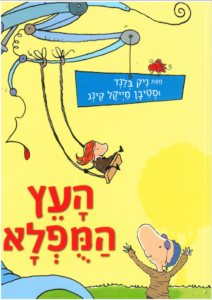
הסיפור עשוי להיות מקור להשראה ליצירתיות וליוזמות של צוות הגן וכמובן- לעשייה של כל ילד וילדה בהתאם לתחומי העניין הייחודיים, להתנסות של קבוצה קטנה בעלת עניין משותף ושל כל ילדי הגן כקהילת לומדים. כך למשל:
כמו סבא ובוני, גם ילדי הגן הם "סטארטאפיסטים" שנהנים לדמיין, ליזום ולבצע כשהצוות החינוכי מלווה, מתעניין ומעורב בעשייה. כדאי לשתף את ההורים ביוזמות הילדים באמצעות צילום ותיאור ולעודד אותם לשתף אותך ביוזמות של הילד בביתו.
סבא ובוני יוצרים הכל במו ידיהם. כך גם ילדי הגן המשתמשים בגרוטאות ובחומרי מחזור ויוצרים מהם עולם ומלואו בעזרת כלי עבודה מתאימים- מספריים, דבק, פטיש ומסמר.
שם המשחק: סבלנות! בוני וסבא עבדו במשך שנה- מהקיץ, דרך הסתיו והחורף- כל אחד עם הרעיון שלו כדי להגיע למטרה המשותפת. כשהמטרה חשובה והדרך אליה מעניינת גם ילדים לומדים לדחות את הרצון בסיפוק מידי- כך כשהם בונים מבנה מורכב בלגו או בגרוטאות בחצר, מכינים בצק לחלות וזורעים ירקות בגינת הגן.
ילדי גן נוטים לעיתים להשוות את עצמם לאחרים וליצור אווירה תחרותית. סיפור זה וסיפורים נוספים בהם הגיבורים משתפים פעולה, עוזרים אחד לשני ומפרגנים זה לזה עשויים לסייע לך ביצירת אקלים גן מיטבי.
בעקבות הסיפור:
במפגש עם סבים וסבתות (או כל בן משפחה/חבר מבוגר), ניתן להציג את הסיפור , לזמן פעילות מהנה משותפת, להזמין סבא סבתא לשתף בעשייתם בדרך חווייתית ועוד.
העץ המופלא של בוני הוא העץ שהטבע יצר, העץ שבו מרגישות גם הציפורים בבית. תוכלי להזמין ילדים לשתף בחוויותיהם עם "העץ שלי"- להצטלם ליד העץ שלהם ולספר עליו: עץ התפוזים שבחצר ביתם או הבית על העץ שבנו עבורם סבא וסבתא, הפיקוס עליו הם אוהבים לטפס בגנה השכונתית או הערבה שבחצר הגן.
תוכלו להמציא, לתכנן ולבנות "עץ מופלא" משלכם ממשחק הרכבה, מלגו או מקוביות, או מחפצים שונים שתמצאו בבית או בחצר. האם גם ביצירה שלכם "כל מיני דברים בולטים החוצה"? שלחו לנו תמונה של העץ המופלא שלכם, ונשמח לפרסם אותה באתר.
בוני וסבא הבינו שציפורים נמשכות לעצים וחיפשו רעיון שיעודד את הציפורים לבקר אותם. בעקבות הסיפור תוכלו להכין יחד מתקן להאכלת ציפורים: שוטפים היטב בקבוק גדול וריק, גוזרים באחד מצדדיו פתח גדול, תולים אותו במרפסת או על עץ בקרבת הבית ומניחים בו פירות חתוכים, גרעינים ופירורי לחם. עקבו אחר הציפורים, התבוננו מרחוק ובשקט ותראו איך הן באות לאכול ממנו.
"לבוני ולסבא תמיד היו המון רעיונות…" לעיתים קרובות לילדים קטנים יש רעיונות גדולים ומחשבות מקוריות. אפשר לספר לילדיכם על ממציאים גדולים, בארצנו ובעולם כולו, ולהזכיר שגם הם היו פעם ילדים שופעי רעיונות. יחד תוכלו לחשוב על מצב בחיים שלכם שהייתם רוצים לשנות ולהעלות הצעות. האם ניתן ליישם את הרעיונות שלכם?
"כשם שאין פרצופיהם שווים זה לזה, כך אין דעותיהם שוות זו לזו" (ע"פ מדרש במדבר רבה כא): בני משפחה וחברים לא תמיד חושבים או פועלים באותה הדרך, ולעיתים הפערים בסגנון ובאופי מפריעים לנו. כדאי להיזכר בכישרונות ובנטיות השונים של בני הבית שלכם ולציין את התרומה הייחודית של כל אחד.
האם כמו בוני, גם לילדיכם יש קשר מיוחד עם סבים או דודים? מה הם אוהבים לעשות יחד? אפשר להושיב את ילדיכם עם קרוב משפחה אהוב ולהציע להם משימה שמזמינה שיתוף פעולה, למשל משחק הרכבה או אפילו אפיית עוגה. איך הם עבדו יחד? האם היו להם רעיונות דומים או שונים? זכרו, כל זה לא באמת חשוב, העיקר שנהנים יחד!



 גמצוץ בגינה
  ככה שותלים שתיל
  האורן הבודד
  הסוד של צופית
  עץ המיץ
  איך זה להיות עץ
  האיש שאהב עצים
  מר זוטא ועץ התפוחים
  חנן הגנן
  מר סביון וגברת רקפת
  זרע של גזר
  מה קרה לעץ התות
  עץ אבא
  יצאנו לטייל
  העץ המופלא