אילו תפקידים ממלאים איורים בספרי ילדים? האם ייתכן שספר ילדים ייכתב בשפה נמוכה ובסלנג ובכל זאת ייחשב איכותי? מה עומד ביסוד ההזדהות של ילדים עם דמויות ספרותיות? לקריאת המאמר לחצו!
ספרים המתארים חוויות מוכרות מחיי הילדים הם הזדמנות להצצה לעולמם. בזמן הקריאה כדאי לשים לב מה תופס במיוחד את תשומת ליבם של הילדים, אילו שאלות הם שואלים, עם איזו דמות הם מזדהים. לפעמים דווקא הספר הוא זה שמאפשר לדבר יותר בקלות על דברים שקורים בחיים האמיתיים.
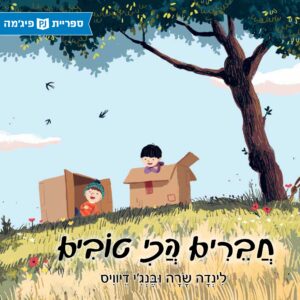
שוחחו עם הילדים ושאלו אותם: איך לדעתכם הרגיש ברט כששון הצטרף למשחק? האם גם לכם קרה ששיחקתם עם חבר או עם חברה וביקשו להצטרף אליכם? האם ביקשתם פעם להצטרף לילדים אחרים?
עם חברים טובים גם קופסה פשוטה יכולה להפוך לארמון, לספינה או לחללית. תוכלו להציע לילדים להזמין חבר אחד או יותר לזמן משותף של יצירה בקרטון. ואולי הם יגלו למה עוד יכול להפוך ארגז – עם קצת דמיון, מספריים, טושים ובעיקר עם הרבה ביחד.
משחקי תיאטרון הם דרך נהדרת ללמוד על החוויה של האחר ולהביע תחושות ורגשות. תוכלו להציג את הסיפור בעל-פה, בעזרת בני משפחה שונים או עם בובות. בכל פעם התחלפו בתפקידים, וכך תזכו לחוות את הסיפור מעיניהן של הדמויות השונות.
שפה ואוריינות –
שימוש במילים לא שגרתיות או מופשטות: בַּסיפור, המציג סיטואציה מוכּרת ורלוונטית מחיי הילדים, משולבות מגוון מילים מופשטות. חלק מהן ניתנות להבנה מתוך הקֶשר לעלילה, וחלק מהן מיוצגות על ידי האיורים. דוגמאות למילים מופשטות בסיפור: "אומץ", "נועזים", "מעופים", "פטפוטים".
דוגמאות לפעלים לא שגרתיים בסיפור: "צופים", "רוטן", "מתעלם".
דוגמאות לתארים מיוחדים: "סגרירי", "זוהֵר", "ענק".
הבנת הטקסט ולשון הספר –
הבנת מסרים סמויים וגלויים: עלילת הסיפור קרובה לעולמם של הילדים, והסיטואציה המתוארת בו מוכּרת ורלוונטית. הילדים יכולים להזדהות עם הגיבורים וללמוד על קונפליקטים ועל התרתם. האיורים מסייעים לקוראים להבין את העלילה. קריאה חוזרת, התבוננות באיורים ושיח עליהם יאפשרו לילדים להעמיק את הבנת העלילה ולהשלים פערים בסיפור.
קריאה בספר מאפשרת לילדים לפגוש גיבורים שהם יכולים להזדהות איתם ועם מה שקורה להם. באמצעות שיח רגשי ניתן לפתח אצלם מוּדעות לתהליכים פנימיים שעוברים עליהם והכרה בנטיותיהם ובמאפייניהם האישיים.
התנהלות חברתית – הסיפור מציג מערכת יחסים מתגמלת שבה החברים לא מוותרים על החבר הכועס והנוטש וממשיכים להציע לו להצטרף. הם קוראים לו לשתף פעולה ואף מכינים לו "הפתעה" שתקל עליו להצטרף.
חשיבה יצירתית – לאורך הסיפור כולו ניכרים החשיבה היצירתית והדמיון של הגיבורים. גם את הקונפליקט החברתי הם מצליחים לפתור ביצירתיות.
ערכים חברתיים – הסיפור מציג מערכת יחסים מתגמלת המבוססת על ראיית האחר, על אמפתיה ועל התחשבות.
ערכים סביבתיים – הילדים בסיפור עושים שימוש חוזר בקרטון בדרך יצירתית ומהנה.
אהבת הספר וחדוות הקריאה – הסיפור מותאם לילדים צעירים, רלוונטי, מאפשר הזדהות ומציג קושי ואתגר שמטופלים על ידי פתרון יצירתי. כל אלה מקדמים את אהבת הספר ומטפחים את חדוות הקריאה.
הספר עוסק בתופעה נפוצה בחיי הילדים – קושי לוותר על משחק אישי עם חבר קרוב בעקבות הצטרפות חברים נוספים. ילדים צעירים מתנסים כל העת בשכלול מיומנויות חברתיות ועשויים להזדהות עם הסיפור.
הספר נותןתוקף לרגשות שונים, כמו קנאה, דחייה או בדידות, שעלולים להתעורר במקרים כאלה, ולצד זאת מציג אפשרות של שינוי חיובי בעקבות הרחבת מעגל החברים.
מרכיב רב-משמעות נוסף בספר הוא האמפתיה של החברים לרגשות הקשים של בֶּרְט, החשיבות שהם מייחסים לחברות עימו והדרך שלהם לצרף אותו ולא לוותר עליו.
כל אילו יכולים להיות הזדמנות מצוינת לשיח אורייני מורחב בגן שמתמקד ברגשות.
הטרמה – "הספר נקרא 'חברים הכי טובים'. למה הוא נקרא כך, לדעתכם? על מה יספר הספר?"
ניבוי – אפשר לעצור את הקריאה כאשר שון מצטרף למשחק ולהפנות את תשומת הלב של הילדים לאיור שבו ברט יושב בתוך הארגז תוך שהוא מפנה את גבו לחברים, ולשאול: "מה, לדעתכם, יקרה עכשיו?".
כדאי לקרוא את הספרבקבוצות קטנות כשלכל ילד עותק משלו. כך יתאפשר לכל ילד וילדה לעקוב אחרי העלילה והאיורים.
לאחר הקריאה הראשונה כדאי לשאול שאלות שמסייעות להבנת הסיפור ולהשתלשלות האירועים בו: "מה עושים ברט וארצ'י על הגבעה בכל יום?"; "לְמה הם 'הופכים'?"; "מה הכוונה במשפט: 'הם נעים בקצב של שניים'?"; "לָמה שון חיפש קופסה לעצמו?"; "מה קרה כששון ביקש להצטרף לברט ולארצ'י?"; "למה ברט הרס את הקופסה שלו?"; "מה עשו שון וארצ'י כשברט הפסיק לשחק איתם?"; "למה ברט התעלם כששון וארצ'י קראו לו?"; "מה שון וארצ'י הכינו לברט?"; "למה הוא חזר לשחק איתם?".
שיח רגשי – "איך ברט הרגיש כשרק הוא וארצ'י היו יחד?"; "למה ברט הרגיש מוזר כששון הצטרף?"; "איך ברט הרגיש כשאבא שלו אמר לו להיות בשקט?"; "למה ברט נשאר בבית אף על פי שהתגעגע לחבריו?"; "מה, לדעתכם, הרגישו שון וארצ'י כשברט הפסיק לבלות איתם?"; "למה שון וארצ'י המשיכו להציע לברט להצטרף אליהם ולא ויתרו עליו?"
להיות חברים הכי טובים – "ברט וארצ'י חברים הכי טובים. מה זה אומר? איך מרגישים כשנמצאים עם חבר או חברה טובים?"; "כשיש חבר או חברה הכי טובים, אפשר לשחק עם עוד חברים?"
(הַקפידו לגעת בנושא ברגישות, שכן לא לכולם יש חבר או חברה הכי טובים.)
הצטרפות למשחק – "איך, לדעתכם, הרגיש שון כשביקש להצטרף אל ברט וארצ'י?"; "ביקשתם פעם להצטרף למשחק? מה קרה? איך הרגשתם?"; "ספרו על פעם שהציעו לכם להצטרף למשחק. איך הגבתם?"; "איך הרגשתם כשמישהו ביקש להצטרף לשחק איתכם?"; "מה משתנה כשמישהו מצטרף למשחק?"; "מה מרוויחים כשמצרפים חבר למשחק?"
אפשר לשאול: "הייתם רוצים לשחק לפעמים עם חברים שאתם לא רגילים לשחק איתם?". אם הילדים ישיבו בחיוב, אפשר להמשיך ולשאול: "איך אנחנו יכולים לבקש מחבר או מחברה לשחק יחד?"; "האם אנחנו חייבים לקבל כל הזמנה למשחק?".
מומלץ לומר לילדים שאם בוחרים שלא לצרף מישהו למשחק או לא להצטרף לאחרים, כדאי לענות בדרך שלא תפגע בחבר או בחברה ולומר, למשל: "כרגע אני לא פנוי/פנויה."
כאשר נבחין בניצני חברויות חדשות בגן, אפשר להזמין את הילדים לספר על ההתנסות.
בתחילת הסיפור ברט נהנה לנוע בקצב של שניים ובהמשך גם בקצב של שלושה. אפשר להזמין את הילדים לחשוב על פעילויות שמתאימות למקצב של שניים, למשל להתנדנד יחד בנדנדה עולה ויורדת, ולעומתן – על פעילויות שעושים בשלושה, למשל קפיצה בחבל, כאשר שניים אוחזים בחבל והשלישי קופץ. אפשר לנסות ולבדוק מה היתרון של פעילות שכוללת כמה ילדים על פעילות בזוג, למשל נגינה משותפת בכלֵי נגינה, ארגון הגן לאחר משחק, משחק מחבואים ועוד ועוד.
משחק מוזיקלי – תוכלו להזמין שני ילדים לתופף על הברכיים או במקלות הקשָה בקצב אחיד. בכל פעם הזמינו ילד או ילדה נוספים להצטרף תוך ניסיון לשמור על הקצב. אפשר גם לערוך תרגיל דומה בהליכה שבו מנסים לעקוב אחרי קול רקיעות הרגליים.
הילדים בסיפור משחקים בארגזי קרטון והופכים אותם לחללית, לספינה ועוד. זאת הזדמנות מצוינת לעיסוק בקרטון בדרכים יצירתיות. ניתן להזמין את הילדים להביא ארגזי קרטון ולייחד מרחב בגן ל"קרטונייה" לשֵם יצירה ומשחק. כדאי להתייעץ עם הילדים ולבדוק איך היו רוצים שהמרחב ייראה, לברר איתם לְמה הם זקוקים, מה יהיו הכללים במרחב וכו'.
ילדים וילדות מזדהים עם גיבורי הספר, וכך מבינים טוב יותר את מי ששונה מהם, ומפתחים אמפתיה ויכולת הסתגלות למצבים חדשים. בזמן הקריאה כדאי להתבונן בהבעות של גיבורי הספר ולשאול: מה לדעתכם הם מרגישים? ומדוע?
מה מתאים לכם לעשות יחד? – תוכלו לשוחח ולשאול: עם מי אתם אוהבים לשחק ובאילו משחקים? מה לדעתכם כדאי לעשות כשכל אחד רוצה לשחק במשחק אחר? אילו פתרונות נוכל להציע?
לשבת, לקפוץ ואולי להתכופף? – בכל פעם אחד המשתתפים בוחר עמוד מהספר, ומציג תנועה דומה לזו של גיבורי הספר. המשתתפים מחקים את התנועה ומחפשים את העמוד המתאים. הצלחתם? – זה הזמן להחליף תפקידים.
כִּתבו על דפים את שמות המשחקים שאתם אוהבים לשחק יחד, והוסיפו ציור שמתאר את המשחק: כדור, מחבואים ואולי תופסת? – הכניסו את הדפים לקופסה, ובכל יום שִלפו פתק ובדקו: האם תרצו לשחק יחד במשחק? – אם לא, תמיד תוכלו לשלוף פתק אחר או להוסיף משחק חדש לקופסה.
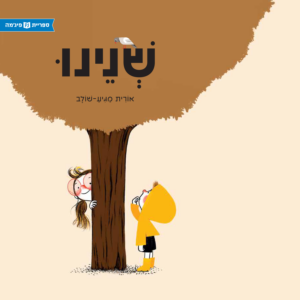
ילדים לומדים בהדרגה לשחק ביחד: עד גיל שלוש לערך ילדים משחקים לרוב במקביל ופחות יחד. לאחר מכן, בגילאי הגן, הם לומדים לשחק יחד. חלקם מעדיפים להוביל את המשחק, ויש שבוחרים להיות מובלים על ידי אחרים וגם כך הם מרגישים שייכים ורצויים. ישנם כמובן ילדים שיחושו תחושות שונות במצבים חברתיים שונים וישנם ילדים שמבקשים לשנות או לרענן את תפקידם החברתי ואינם יודעים כיצד להשתלב באופן אחר מזה שנוצר . הספר "שנינו" נותן הזדמנות להאיר על ילדים "נוחים" כמו נוחולהעצימם! הספר יכול גם לעזור לילדים דומיננטיים להבחין ברגשות של חבריהם למשחק. ילדים יכולים להזדהות עם דמותו של נוח ושיחה על העלילה והמסרים הסמויים בסיפור עשויים לסייע בפיתוח הבנה חברתית וכישורים חברתיים.
כדאי לקרוא את הסיפור בקבוצות קטנות כשלכל ילד וילדה עותק אישי, כך שיתאפשר לילדים להתבונן באיורים ולהבין טוב יותר את המבע של הדמויות ואת הרצף הסיפורי. זאת בעיקר משום שהספר שופע באיורים צבעוניים המשלימים את הכתוב ומדגישים את נקודות המבט השונות של הדמויות ואת החוויה השונה שלהן בפעילויות המשותפות. קריאה ראשונה – כדאי לשאול שאלות שיעסקו שינטרו בהבנת העלילה: במה משחקים הילדים? מי העומד? מי המתנדנד? איפה הסתתר נוח? מדוע הילדה נבהלה?
קריאות בקבוצות קטנות – הקריאות הבאות הן הזדמנות להעמקה בסיפור, להבנת הצד הרגשי של הדמויות ולטיפוח כישורים חברתיים ורגשיים: הילדה בסיפור חוזרת ואומרת לנוח שהם "פשוט מתאי…מים! ", תוכלו לבקש מהילדים לעיין באיורים ולשאול: האם לדעתכם גם נוח הרגיש שהם מתאימים? האם הוא נראה מרוצה במהלך המשחקים? מה נראה שלא התאים לו? מה קורה לדעתכם לילדה כשהיא לא מוצאת את נוח? מה השתנה במשחק אחרי שמצאה אותו? בסוף הסיפור, האם נוח עצוב או מוטרד? כיצד מתאים לו לשחק עכשיו? להתבונן באיור – אפשר להתבונן יחד באיור בו הילדה משתמשת במרבד כגלימה ונוח מחזיק את גלימתה, ולשאול: מה לדעתכם מרגישות הדמויות שבאיור? עולמם של הילדים – בשלב הבא, תוכלו לעסוק בחיי הילדים ולשאול: מה מתאים להם כאשר הם משחקים עם חברים? איך שמים לב לרצונות של חברים גם אם לא אמרו זאת במפורש? אפשר לבקש לשתף במקרים של אי הסכמה בין חברים: כיצד הרגישו? כיצד נהגו? כיצד התנהגו החברים? כיצד הם הרגישו? האם אפשר היה להתנהג אחרת? תוכלו לחזור אל הספר במצבים חברתיים שונים בהם תבחינו בילדים וילדות שאינם מרגישים שותפים למשחק, בהם ילדים "נגררים" אחר אחרים, או במצבים בהם הם אינם מצליחים לבטא מה מתאים להם.
הסופרת בחרה לקרוא לילד "נוח", שם שמרמז על היותו מתחשב ומשתף פעולה. תוכלו להעמיק בהבנת השם שנבחר: אפשר לחפש יחד את הפירוש למילה "נוח" ולהקריא לילדים ובעקבות כך לשאול: מדוע לדעתכם בחרה הסופרת לקרוא לילד בשם הזה?
בהמשך אפשר להרחיב את ידע העולם ולהכיר את משמעותם של שמות נוספים, של ילדי וידות הגן למשל. להעשרה – הערך "נוח" באתר מילוג
בתחילת הסיפור הילדה מובילה את נוח בידה אל משחק המחבואים ואילו בסופו – נוח מוביל אותה. כדאי לאתר יחד את שני האיורים המציגים זאת. כהמשך לכך תוכלו לשחק משחק זוגות – ולאפשר לילדים לבחון את עצמם פעם כך ופעם כך: להוביל – ניתן לסמן מסלול מנקודה אחת לאחרת ולבקש מהזוגות לעבור את המסלול כשאחד מוביל מלפנים ואחד הולך בעקבותיו. אפשר להשתמש בעזרים כמו חישוק ששניהם אוחזים בו. ואפשר להשתמש בדמיון ולעבור אותו כקטר וכקרון. בתום המסלול הצמדים יתחלפו בתפקידים. בשלב האחרון, כל זוג פועל בשיתוף: הולכים במסלול זה לצד זה. להחליט – ניתן לבקש מהזוגות לעמוד אחד מול השני – כמו מול ראי. כשבכל פעם רק אחד מבני הזוג מחליט על תנועה, והשני מחקה אותה . אחרי מספר תנועות, ניתן להתחלף. בשלב האחרון כדאי להציע לילדים רצף קצר של תנועות שעליהם לבצע יחד. כדאי לשוחח בעקבות הפעילות – מה הייתה החוויה שלכם בכל אחד מהמצבים? האם ביקשתם דבר מה מהחבר – לעצור, למהר? האם הוא התייחס לבקשותיכם? האם נהניתם יותר כשהייתם המציג או כשהייתם הראי? ואולי בשני התפקידים?
שפה ואוריינות – קידום ניצני קריאה – גילוי של מילים החוזרות על עצמן באמצעות אופן הכתיבה המיוחד, כגון: "אני", "אתה", "נֹחַ". התמצאות בספר ובמוסכמות הכתב – שילוב של גוֹפנֵי כתב עם האיורים נותן משנה תוקף למילים ולאיורים כאחד: כאשר הילדה קוראת לנח שנעלם בשמו, השם "נח" כתוב באותיות "רועדות" ומדגים את המושג "קול רועד".
פירוק והרכבה של מילים – מילים אחדות בספר מחולקות להברות, למשל: "מתאי-מים".
בועיות דיבור – מסייעות להבין מיהו הדובר.
סימנים מוסכמים בכתב – בעמוד שבו הילדה מחפשת את נח מופיע בבירור סימן שאלה – ? – לצד סימן קריאה – !. כדאי להפנות את תשומת לב הילדים לסימני פיסוק אלה ולמשמעותם.
ידע מתמטי – במהלך משחק המחבואים אפשר לספור מ-10 עד 100 בדילוגים של 10.
מודעות עצמית והכְוונה עצמית – הנעה עצמית וחוֹסן: עם התפתחות העלילה נח מגלה יכולות של קבלת החלטה ושל אסֶרטיביות וכך מחזק את תחושת החוסן שלו.
מודעות והתנהלות חברתית – התנהלות חברתית טובה ומְתַגמלת, אמפתיה וראיית צורכי האחר, התחשבות ושיתופי פעולה.
אוריינות מתמטית – משחק המחבואים מְזַמן שימוש במונחים מתמטיים בחיי היומיום. בועיות הדיבור שבאיורים משלבות את הסְפָרות 1, 2, 3 ואת שם המספר הכתוב בספירת הדילוגים בעשרות.
צדק חברתי וערבות הדדית – מערכת היחסים בסיפור מציגה "דגם מוקטן" של התנהלות במערכות יחסים חברתיות ומאפשרת לפתח שיחה על ערכים, כמו התחשבות באחר, ראיית הזולת, כבוד הדדי, ערבות הדדית, אמפתיה והגינות.
פעוטות אוהבים להיות חלק מהסיפור: לחזור על מילים ועל צלילים שבספר או להציג את המעשים של גיבורי הספר. כך הם מזדהים עם הסיפור, מעשירים את עולמם הרגשי ורוכשים אוצר מילים ומושגים. לכן בזמן קריאה משותפת כדאי "לנגן" בחצוצרה, "לתופף" יחד בתוף בעזרת הידיים ו"לנצח" על מקהלה.
גילי מוצאת תפקיד שמתאים לה ומנצחת על התזמורת. בעקבותיה תוכלו לשוחח על התפקידים של הפעוטות בבית: מה הם יודעים ורוצים לעשות – לאסוף צעצועים? לטאטא רצפה? לעזור לערוך שולחן לארוחה?
לנגן ביחד כמעט כל חפץ יכול להיות כלי נגינה: אפשר למחוא כפיים יחד בקצב השיר או לאסוף כלי נגינה, קשקשנים וכלים שתמצאו. סיר עם כפות יכול להיות תוף, גליל נייר יכול לשמש כחצוצרה. אפשר גם לנסות להקיש על חומרים שונים ולבחון: אילו צלילים עולים מהקשה על עץ? על אריח רצפה? על מתכת? תוכלו להחליט על שיר אהוב ולנגן אותו יחד.
לנצח על תזמורת מי מנצח ומי מנצחת? – בזמן האזנה משותפת למוזיקה אהובה תוכלו להוסיף מקל קטן ו"לנצח" על הנגנים. אפשר לרקוד לצלילי המוזיקה ולהציג את הכלים השונים, ומדי פעם להתחלף בתפקידים.
מפגש ושיחה במעון לפני הקריאה – מי מנגן ומי מאזין? – כדאי להביא למפגש כלִי נגינה. הוא יכול להיות כלי צעצוע, כלי שהכנתם מסיר ומכפות, למשל, או כלי נגינה אמיתי שאחת מכן יודעת לנגן עליו. כדאי להאזין יחד למוזיקה ולאחר האזנה קצרה לשלב את כלי הנגינה ולהאזין לו משתלב בנגינה. בחירה – חשוב לשים לב שהמוזיקה מרגיעה ומהנה כדי לאפשר גם לפעוטות שרגישים לרעשים ליהנות מההאזנה. מי בא היום לכיתה? – בעקבות ההתנסות כדאי לספר כי היום מגיע ספר מיוחד המספר על… מוזיקה! המחשת הסיפור – בזמן קריאת הסיפור תוכלו להדגים את כלי הנגינה בעזרת תנועות ידיים: כך מכים על תוף וכך מנצחים על תזמורת. צלילים – כדאי להדגיש את הצלילים המופיעים בספר: "בים בם בום" לתוף, "פלינג פלנג פלום" לגיטרה, "טו טו" לחצוצרה. פעוטות שותפים לנגינה – גם הפעוטות יכולים לנצח כמו גילי ולפרוט על גיטרה כמו איתן, גם אם אין להם כלי נגינה. כדאי לעודד את כל הקבוצה "לנגן" בעזרת הידיים: לתופף, לחצרץ או לפרוט על גיטרה "בכאילו".
מוזיקה בחיי הכיתה מוזיקת מעבר – ניתן להשתמש בקטעי מוזיקה קבועים כדי לציין מעבר בין פעילויות, למשל לקראת ארוחת הבוקר או לקראת חזרה מהחצר לכיתה, וכך להקל על הפעוטות את המעברים. לפתיחת שעת סיפור אפשר לבחור בפתיח לפסקול של ספרי ספריית פיג'מה. מוזיקה ומצב רוח – מוזיקה היא העדפה אישית, מבטאת לא פעם את מצב הרוח ומשפיעה עליו. תוכלו להתאים אותה למצבים שונים בגן. אפשר לשאול את הפעוטות (ולהיעזר לשם כך בהורים) מה המוזיקה האהובה עליהם ולהשמיע אותה במפגש או בפעילות בקבוצות קטנות. מוזיקה או רעש? – כאמור, ישנם פעוטות הרגישים לצלילים גבוהים או רועשים. כדאי להתאים את הצלילים ואת העוצמה להעדפות רבות ככל האפשר.
כלי נגינה תוכלו להכיר כלי נגינה שמנגנים בהם במעון, כמו: משולש, תוף, מצילתיים, חלילית ומפוחית, להביט בהם ולבחון את צורתם, את החומר שהם עשויים ממנו ואת הצלילים שניתן להפיק מהם. איך מנגנים? – איברי גוף – אפשר לקשר בין כלי נגינה לאיבר שבעזרתו מנגנים: בתוף אנו משתמשים בידיים, בחלילית – בידיים ובפה, ובאילו איברים אנחנו משתמשים לנגינה במשולש או במפוחית? לאט-לאט – פעוטות מגלים את העולם ויכולים להשתהות ולבחון כלי נגינה אחד לאורך זמן, אפילו לאורך יותר ממפגש אחד. כדאי לאפשר להם לבחון שוב את החומר ואת הצורה של כלי הנגינה, למשש אותו, להאזין לו ולהפיק ממנו צליל. להעשרה – סרטון היכרות עם כלי נגינה. מנגנים בחפצים – בקבוק מים ריק עם אבנים קטנות יכול לשמש רעשן, מקל יכול לשמש מקל מנצחים, ומכסי סירים יכולים להפוך למצילתיים. אני מנגן וגם את מנגנת – כדאי לעודד שיתוף פעולה בעזרת השיר "אני מנגן על…" ולאפשר לפעוטות להחליף ביניהם כלי נגינה. מומלץ להעצים כל אחד מהנגנים ומהנגניות. השיר "אני מנגן" בביצוע עוזי חיטמן.
תזמורת במעון בעקבות הסיפור תוכלו לחלק לפעוטות כלי נגינה וליצור תזמורת שמחנכת מנצחת עליה. כדאי להתנסות בקבוצות קטנות וכך לאפשר לכל הפעוטות להיות גם מנצחי התזמורת, אם רצונם בכך. ניתן למחוא כפיים בקצב הניצוח ולהפסיק או להמשיך את המחיאות על פי הוראה של המנצחת על התזמורת. להעשרה – משחקים מוזיקליים – ילד מוזיקה – משחקים מוזיקליים
ביחד ולחוד בתחילת הסיפור הילדים מנגנים לבדם, ולאחר מכן הם מנגנים ביחד. כדאי ללמד את הפעוטות את המושגים "ביחד" ו"לבד" ולבחון איתם מה עוד עושים במעון לבד ומה עושים ביחד. לבד וביחד בחיי הכיתה – ביום-יום כדאי לשלב את המושגים "ביחד" ו"לבד", לדוגמה: "עכשיו כולנו עושים קבלת שבת ביחד"; "עכשיו כל אחד רוקד לבד, ועכשיו רוקדים ביחד".
אני יכולה! אני יכול! גילי לא רוצה לנגן, אבל מוצאת לעצמה תפקיד חשוב: להיות מנצחת על תזמורת! כמו גילי, לעיתים פעוטות לא מצטרפים לפעילות. לפעמים היא לא מוצאת חן בעיניהם, ולפעמים הם מחפשים לעצמם תפקיד שיתאים להם ושהם מרגישים שהם יכולים לבצע אותו. בעקבות הסיפור תוכלו לבקש מהפעוטות לספר מה הם יכולים לעשות: "אני יכולה לאסוף צעצועים", "אני יכול לעזור לסדר צלחות לארוחה", "אני יכולה להציע משחק לחבר"…
Toddlers like to be part of the story: Repeating words and sounds found in the book, or dramatizing the actions taken by the different characters. It is their way of identifying with the story, enriching their emotional worlds, and acquiring vocabulary and concepts. That is why, when reading together, you could “play” the trumpet, “beat” on a drum using your hands, and pretend you’re a choir conductor.
Gilly finds a job that suits her as the conductor of the orchestra. Following her decision, you too can discuss your toddlers’ roles at home: What can they do and what do they want to do? Pick up their toys? Sweep the floor? Help set the table for dinner?
Almost any item can become a musical instrument: You could clap together to the rhythm of the song, or collect any instruments, rattles, and utensils you can find. A pot with spoons can be a drum, a used roll of paper towels can be a trumpet. You could even try to tap various materials to find out what kinds sounds tapping wood makes? And what about tapping the floor? Or metal? You may enjoy picking one of your favorite songs and playing it together.
Are your toddlers conductors? While listening to your favorite music together, you could hold a small stick and “conduct”. Perhaps you could dance to the music, acting out the various instruments, and switch roles from time to time.
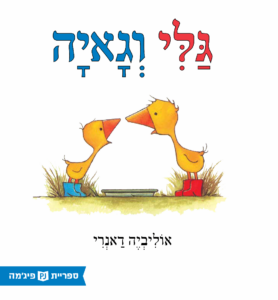
גלי וגאיה אוהבות לעשות דברים יחד, אבל גם לחוד: תוכלו לשוחח ולגלות: מה הפעוטות אוהבים לעשות עם אח, עם חברה או איתכם, ההורים? ומה הם אוהבים לעשות בעצמם, לבד?
משחק תנועה כמו גלי וגאיה, אפשר לצעוד ביחד: תוכלו להכין בבית שביל ולסמן אותו בחבל או בחפצים שונים, וללכת בטור – זה אחר זה ואולי יחד, זה לצד זה. אפשר גם להתחלף, כשכל פעם המוביל קורא: "בואו אחריי!"
או במעון – המחנכת הולכת בכיתת המעון, והפעוטות הולכים אחריה. מדי פעם המחנכת עוצרת ועושה פעולה מסוימת, והפעוטות מחקים אותה: נוגעים באף, קופצים כמו צפרדע, עפים כמו פרפר, נוגעים בחפצים שונים בכיתה ואומרים את השמות שלהם: שולחן, כיסא או ספר.
כדאי ללוות את ההקראה בתנועות שמסבירות את המילים: כשגלי אומרת "בואי אחריי", סמנו עם היד תנועה של "לבוא". כשגלי לא באה, סמנו עם הראש ועם היד תנועה של "לא". המחשה והצגה המחשה – בארגז הספרים מחכָּה לכן המחשה של גלי וגאיה במהלך הקריאה. להציג יחד – שתי מחנכות מציגות את גלי וגאיה: מה הן עושות יחד, ומה הן עושות לחוד. שיחה כדאי להתחיל בשאלות על תוכן הספר: מה גלי וגאיה עושות יחד? מה הן לא עושות יחד? מה עושה גלי, ומה עושה גאיה? בשלב הבא תוכלו לשאול את הפעוטות על עצמם: מה אתם עושים עם חברים וחברות: משחקים יחד? אוכלים יחד? ומה עוד?
תוכלו למצוא את בעלי החיים באיורים שבספר ולציין את שם החיה: ברווז, חיפושית, פרפר, צפרדע, כבשה. אתן והפעוטות יכולים להשמיע את הקול שלה ולהציג כיצד היא הולכת וזזה: "איפה הכבשה? בואו נִפְעֶה כמו הכבשה: מֶה מֶה מֶה." "איפה הצפרדע? איך מקרקרת צפרדע? בואו נקפוץ כמו צפרדעים!"
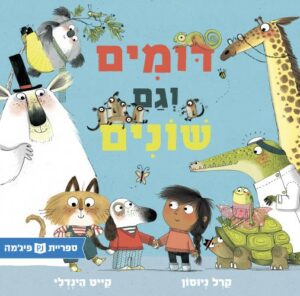
פתחו את הספר באופן מקרי והביטו יחד באיורים: למי מהדמויות אתם דומים? מאילו דמויות אתם שונים?
במה אתם דומים לדמות שבחרתם, ובמה אתם שונים ממנה? איזו דמות בספר כל אחד ואחת מכם הכי אוהבים?
שימו לב – בכל קריאה אפשר לשאול מחדש את השאלות. ייתכן, למשל, שהיום נרצה להיות לבד, ומחר נעדיף דווקא להיות בחבורה…
תוכלו להכין תמונה משפחתית שלכם יחד ולהוסיף לה את הדברים שבהם אתם דומים וגם שונים:
צלמו את עצמכם יחד או לחוד. אוהבי הציור יכולים לוותר על הצילום ולהכין דיוקן אישי. הדפיסו את התמונות, הדביקו על נייר עבה וצבעו את התצלומים. כעת תוכלו להוסיף ליצירה ציור או להדביק גזירי עיתון עם פרטים שמציגים את הדמיון ואת השוני ביניכם: האם אתם אוהבים לשחק באותו המשחק? תוכלו להוסיף אותו, או להוסיף את המשחקים השונים שכל אחד אוהב. האם אחד מכם מעדיף רעש והשני אוהב שקט? האם אתם מהירים או אטיים? האם אתם צוחקים מאותן בדיחות? מה עוד תוסיפו לתמונה המשפחתית?
“משחק המראה” הוא הזדמנות להביט זה בזה ובעצמנו, לזהות דמיון ושוני ולצחוק.
מהלך המשחק:
יושבים עם הילדים מול מראה, מתבוננים זה בזה ומחפשים דמיון ושוני:
האם צורת הגבות שלכם דומה לצורת הגבות של ילדכם?
האם לשתיכן יש נמשים? ואולי תלתלים?
מפרצפים – אחד יכול לעשות פרצוף מצחיק, והשני ינסה לחקות אותו. האם הצלחתם להצחיק זה את זה?
האם צחקתם מאותו הפרצוף או מפרצופים שונים?
רוצים לזוז? – לפניכם הצעה לפעילות תנועה עם תנועות דומות וגם שונות. בכל סבב אחד מבני המשפחה מניע את הגוף: מנופף ביד, קופץ, מסתובב או נוגע באוזניים. הבא בתור זז גם הוא: אם הוא אוהב את התנועה שהמציא השחקן שלפניו, הוא יזוז באופן דומה. ואם לא – הוא יבחר לעשות תנועה אחרת שהוא אוהב. מה גרם לכם הנאה – לחזור על תנועה או להמציא תנועה משלכם?
כדאי לבחור לכל מפגש מספר מצומצם של איורים שקשורים לחיי החברה העכשוויים בגן. כך הספר יכול ללוות את חיי החברה לאורך השנה, גם לאחר שהספרים האישיים הוענקו למשפחות.
המְחזה – אפשר לעבוד בהזדמנויות שונות עם קבוצה קטנה על איור מסוים ולהמחיז את האיורים של כל קבוצה לפני הגן כולו.
משחק בקבוצות קטנות – בכל סבב ילד או ילדה בוחרים פרט שמייחד אותם, ועל שאר הקבוצה לנחש מה הפרט המיוחד, למשל: "אני נועלת נעליים, וכל שאר הילדים והילדות נועלים סנדלים."
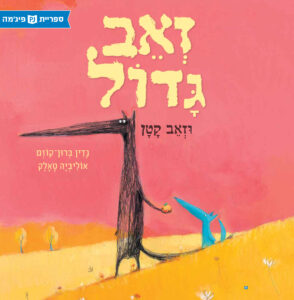
כדאי לשבת קרוב ולהתבונן יחד באיורים. מה עושה הזאב הגדול לפני בואו של הזאב הקטן? תוכלו להציע לילדיכם לדפדף בספר ולספר את הסיפור במילים שלהם. תוכלו גם לנסות לספר את הסיפור מנקודת המבט של הזאב הקטן.
תוכלו לבקש מילדיכם לחפש את התמונות שבהן הזאב הגדול עוזר לזאב הקטן. מה הוא עושה למענו במהלך הסיפור? חשבו יחד על החברים שלכם והיזכרו בדברים שאתם עושים זה למען זה.
אפשר לחבר בשרוך שני גלילי נייר טואלט ולהכין יחד משקפת. תוכלו לטפס על גבעה ולנסות לאתר דברים דרך המשקפת שהכנתם. מה הדבר הרחוק ביותר שכל אחד מכם יכול לראות?
כשזאב גדול רואה את זאב קטן לראשונה, זאב קטן הוא רק נקודה קטנה באופק. אפשר לקחת דף חלק וצבעים ולצייר ציור משותף – ההורה מתחיל ומצייר נקודה, אחריו הילד מוסיף פרט, ואחריו ההורה, וכך הלאה. לְמה הפכה הנקודה שלכם?
זאב קטן הגיע משום מקום, והוא כמעט שלא מדבר לכל אורך הספר. אוזניים וזנב מארגז התחפושות יעזרו לילדי הגן להפוך לזאב קטן ולדמיין מה הוא מרגיש וחושב. ניתן לשאול את זאב קטן שאלות, כמו: מה הוא מרגיש כשזאב גדול נותן לו רק חלק קטן מהשמיכה? למה הוא רוצה להתעמל כמו זאב גדול? לאן הלך כשנעלם? במהלך המחזת הסיפור אפשר להחליף זאבים, כך שלכל אחד מהילדים תהיה הזדמנות להיות זאב קטן או זאב גדול.
"אפילו דבר קטן מאוד בכל זאת תופס מקום בלב". ומה ממלא את הלב של ילדי הגן שלכם? האם בני המשפחה? אולי חבר טוב? משחק אהוב? אפשר לצייר לב גדול ולהזמין את הילדים לצייר בתוכו דברים שממלאים את ליבם בשמחה.
זאב גדול מחכה לזאב קטן הרבה מאוד זמן, ובינתיים העונות חולפות. תוכלו לזהות באיורי הספר היפים את הגוונים השונים של כל עונה, את השלבים השונים של עלי העץ, את צבע השמיים המתחלף. ניתן לפרושׂ נייר ענקי על הרצפה, לחלק אותו לארבעה חלקים, רבע לכל עונה, להזמין את ילדי הגן לבחור את העונה החביבה עליהם ולצייר אותה ברבע המתאים.
כמה כיף לזאב גדול שיש לו במי לטפל, וכמה נעים לזאב קטן שיש לו חבר גדול שדואג לו. זו הזדמנות מצוינת להזמין את ילדי הגן הסמוך אליכם למשחק משותף ורב-גילאי. כדאי לבקש מהילדים לשים לב מה מיוחד במשחק עם ילדים קטנים מהם או בוגרים מהם.
אפשר לחפש את הדפים שבהם הארנב והחתול אוכלים. אילו צלילים משמיעות החיות בזמן שהן אוכלות? נסו להקשיב לצלילים שנשמעים כשאנחנו שותים מקשית, מלקקים גלידה או אוכלים תפוח.
האם כל בני המשפחה אוהבים לאכול את אותם מאכלים? מי שותה מבקבוק, מי לוגם קפה חם מספל? כדאי להציע לילדיכם להתנסות מדי פעם במאכלים שונים. האם הם אהבו אותם? זכרו, על טעם וריח אין להתווכח!
"בוא אמור שלום!" הסיפור נפתח במפגש בין שניים. אפשר לשחק יחד משחק מפגשים: שימו מוזיקה קצבית ותנו לילדים לנוע בחופשיות בחדר. כשהמוזיקה נעצרת נעמדים מול בן זוג, מביטים בעיניים, מחייכים ואומרים "שלום"! משחקים מספר פעמים. בכל עצירה של המוזיקה נעמדים מול חבר אחר.
גב אל גב: החתול והארנב בסיפור עומדים גב אל גב כאשר הם נעלבים, ואז מסתובבים זה אל זה. אפשר לשחק משחק "גב אל גב". מתחלקים לזוגות. כשמכריזים "נעלבתי!" הילדים מפנים גב זה לזה ומרימים כתפיים (תנועה של "לא רוצה"), וכשמכריזים "חברים טובים!", הילדים פונים זה אל זה ומחייכים.
הפכים: הארנב אוהב לאכול גזר קשה, החתול אוהב ללקק שמנת רכה. בעזרת צעצועים, מאכלים או כרטיסיות אפשר לעסוק בהפכים: גדול וקטן, קשה ורך, גבוה ונמוך… תוכלו גם להתנסות בהפכים בתנועה: לצעוד לאט ומהר, קדימה ואחורה, ללכת בגב זקוף או כפוף…
מה טעים לי? בשיתוף ההורים תוכלו ליצור ספר מתכונים של ילדי המעון: לכל ילד יוקדש עמוד עם תמונה ומתכון של המאכל האהוב עליו. הספר יכול להתאים כמתנת סוף שנה.
כל דמות בסיפור מתגוררת בבית שונה; בבית אבן מוקף חומה, בבית בנוי באדמה, בבקתת עץ, במאורה. אפשר לתת לילדים לצייר את הבית שלהם בחומרים שונים. בצבעי מים גואש או פנדה. אפשר להניח בפניהם גם בדים, גזירי נייר מקלות ארטיק ומגוון חומרים שונים כדי לעצב מהם את הבית שלהם. איך החומר שבחרו מתאים לאופיו של הבית שלהם?
הרגע בו שלושת החברים משלימים ומחזיקים ידיים הוא הרגע בו הם מתאחדים כדי לעזור לשועל. נדיבות ועזרה לזולת הם דבק מחבר. ניתן ליזום פעילות התנדבותית משותפת של ילדי הגן שגם תחבר ביניהם, למשל קישוט של קיר חיצוני בגן לשמחת העוברים והשבים, הכנת עוגיות ומשלוח שלהן בקופסה יפה לבית אבות, או הכנת משחק יפה אותו אפשר לתרום למחלקת ילדים בבית חולים.
אילו ספרים נוספים העוסקים בנושאי חברות ומריבות מכירים הילדים? תוכלו לקבץ יחד ספרים בנושא ולרכז אותם בתוך סלסלה או על מדף בפינת הספר. אפשר גם לבקש מהילדים
וההורים להביא ספרים מהבית ולקרוא אותם יחד. ספרי ספריית פיג'מה מומלצים כוללים : "אגדת גשר", "בצד השני של העולם", "דב מצב-רוח טוב", "קרמר החתול יוצא אל היער"
ועוד.
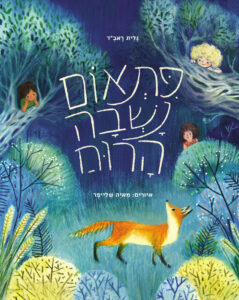
איוריה של מאיה שלייפר ממקמים את הסיפור בנוף גלילי מוריק. אפשר לבקש מהילדים להביט באיורים ולאפיין את הבוסתן הגלילי, במה מראה הגליל שונה ממראה השכונה שלהם? (האם אתם גרים בגליל?) כעת אפשר להביא את הבוסתן אל הגן: פורשים יריעת נייר גדולה על אחד מקירות הגן, והילדים מציירים עליה עצים, צומח, שמיים כחולים והרבה ירוק.
הסיפור גדוש בחרוזים נפלאים אפשר להכין מהם משחק זיכרון. מכינים כרטיסיות עם תמונות של חרוזים מתוך הסיפור, כרטיסייה לכל מילה: בית/זית, ארמון/רימון, קוץ/בוץ (ויש עוד חרוזים רבים בסיפור) בכל פעם ילד מרים שתי כרטיסיות וצריך למצוא את התמונה והחרוז שלה.
האיורים המרהיבים מוסיפים רובד נוסף לסיפור, וכדאי לעיין בהם מקרוב. מה עושה השועל בכל עמוד? איך משתנות הבעות הפנים של הילדים לאורך העלילה? האם שמתם לב כיצד בריכת המים משתנה במהלך הסיפור? תוכלו לבחור קטע אהוב מתוך הספר ולצייר אותו כיד הדמיון הטובה עליכם.
אפשר לשחק במשחק תפקידים שבו אתם ההורים של אחד הילדים בסיפור: שעת ערב מגיעה, והילדים חוזרים הביתה מלאי התרגשות. תוכלו לשאול אותם מה עבר עליהם היום בבוסתן ולבקש שיתארו לכם את חוויותיהם במילים שלהם.
בדמיון הכול אפשרי: חרוב הופך לחרב, זית – לסלט טעים, ורימון חצוי נהיה כתר מלכותי! אפשר לשחק משחק: כל אחד בתורו בוחר חפץ ומדגים, בפנטומימה, מה ניתן לעשות בו. המשתתף השני מנסה ְ לנחש למה הפך החפץ, ויחד ממשיכים להעלות רעיונות לשימושים נוספים.
רבים ומשלימים: בעקבות הסיפור תוכלו לשוחח על מריבות בין חברים ולשתף זה את זה במריבה ובפיוס שחוויתם. בסיפור, לאחר המריבה, כל אחד מהילדים משחק עם עצמו. אפשר לשוחח עם ילדיכם מתי נעים ונוח להיות לבד ומתי מהנה יותר לשחק עם חברים.
האם בקרבת ביתכם יש בוסתן, פרדס או יער? כדאי לטייל בהם יחד! כמו הילדים בסיפור, גם אתם יכולים לאסוף זיתים ולסחוט מהם שמן, לשחק בחרובים או להתחבא מאחורי עצים. אפשר לאסוף עלים בכל מיני צבעים, לחזור הביתה, לקחת דף חלק ולמעוך ביד את העלים. העלים יפרישו נוזל צבעוני, וכך תוכלו לצייר ציור בצבעי הטבע.
כדאי לערוך מפגש חגיגי להורים וילדים לרגל פתיחת התכנית. לאחר קריאה משותפת של הסיפור מזמינים כל צמד הורה-ילד לגזור תמונות מתוך עיתונים של דברים משמחים וליצור מהן "קולאז' מצב רוח טוב" של קהילת הגן.
מה עושה לילדי הגן מצב רוח טוב ומה משמח כל אחד מאיתנו? במפגש בוקר תוכלי להחזיק כדור בידיים ולשתף את הילדים במשהו שעושה לך מצב רוח טוב. גלגלי את הכדור לכיוון אחד הילדים, התופס מונה דבר שעושה לו מצב רוח טוב ומגלגל את הכדור הלאה לחבר או חברה. תוכלי לרשום את התשובות שהילדים נותנים ולתלות בגן – גם ההורים ישמחו לדעת מה אמרו ילדיהם!
אפשר להכריז על "יום מצב רוח טוב" בגן: מגיעים לגן מחופשים לחיות שבסיפור, ממלאים את ארגז התחפושות באביזרים מצחיקים. אפשר להכין עם הילדים "שטוזים" (שירי שטות בחרוזים) מצחיקים, לשיר שירים משמחים ולערוך מסיבת ריקודים. אפשר להכין יחד כריכים בצורת חיות ולערוך ארוחת עשר משמחת וחגיגית.
כך מכינים כריכים בצורת חיות: כריך חתול, כריכי פיל, גמל ועוד ולקינוח – לאכול עוגיות חיוכים.
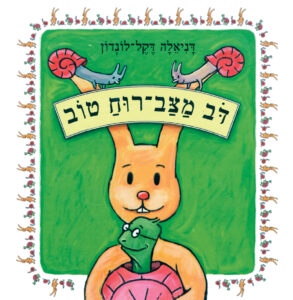
כדאי לעיין יחד באיורים המשעשעים שציירה דניאלה דקל־לונדון ולעקוב אחר ההתרחשות בסיפור. מה החיות אוהבות לעשות יחד? האם מצאתם את שלוש הנמלים הבורחות? האם הצלחתם לזהות את החיות השונות המסתתרות בתוך דוב מצב־רוח טוב?
אתם יכולים להמחיז יחד את הסיפור. מי יהיה הדוב ואיך תתחפשו? ומי יציג את הדמויות האחרות? בסוף המחזה אפשר להכין יחד כריכים ולאכול אותם בארוחת חברים מיוחדת.
יש דרכים רבות לשפר את מצב הרוח: לשחק עם חברים, לשיר ולרקוד, לחבק. תוכלו לשוחח על הדברים הגורמים לכם לשמוח ולבחור משהו שעושה לכם טוב בלב – למשל לשיר ולרקוד יחד, לצאת לטיול בשכונה או לקרוא יחד ספרים אהובים!
הדוב בסיפור מַכּיר חברים חדשים, והחבורה נהנית מאוד לבלות יחד. בעקבות הסיפור תוכלו להזמין הביתה חבר חדש ולנסות לעשות יחד דברים חדשים. האם זכיתם לחברות חדשה? האם הבילוי רומם את מצב הרוח שלכם?
"מְשַׁעֲמֵם לִי וְאֵין לִי עִם מִי לְשַׂחֵק!" כמו הדוב, כל אחד מרגיש לעיתים עצוב או משועמם, ולא תמיד יש חברים בסביבה. אפשר להכין יחד "ערכת מצב־רוח טוב": מקשטים קופסת נעליים ומכניסים לתוכה הפתעות קטנות: מדבקות, צבעים, משחק קטן ועוד. את הקופסה שומרים בצד ומוציאים אותה בעת הצורך.
גם אתם וילדיכם יכולים להתחפש לדובים, לחיות אחרות, אפילו לבן משפחה. אפשר להכין סלסילת תחפושות ואביזרים (בדים, כובעים, משקפיים, חפצי בית). מתחפשים, מנסים לנחש מה התחפושת של האחר, ומרוממים את מצב הרוח!
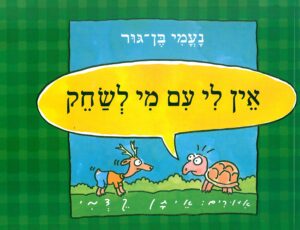
פִּיצִי וצְבִיצִי מחפשים חבר, אבל כל החברים עסוקים. רק צְבִיצִי, שהגיע ראשון הביתה, ופִּיצִי, שאף פעם לא יוצא מהבית, נמצאים בבית. הסיפור מְזַמן שיחה על שִעמום, על בדידות ועל חברות. מה אתם אוהבים לעשות לבד, ומה אתם אוהבים לעשות עם חברים? מי יוזם מפגשים בין חברים, הילדים או ההורים?
הכינו "דומינו חברים מכל מיני סוגים". קחו קלפי קרטון קטנים וציירו קו לרוחב כל קלף. בכל חלק ציירו חבר אחר. וכך מתנהל המשחק: כל משתתף מקבל חמישה קלפים, ואת השאר מניחים בקופה. מניחים קלף ראשון מהקופה במרכז. את המשחק מתחיל המשתתף הצעיר ביותר והוא מניח קלף שאחד מצדדיו צבוע בַּצבע של הקלף שבמרכז. התור עובר למשתתף השני, והוא ממשיך את הרצף באחד מצִדי הדומינו. מי שאין בידו קלף מתאים, לוקח אחד מהקופה. את קלפי המשחק אפשר לגזור מקרטון של קופסת דגני-בוקר גדולה או מכרטיסי מגנט שמקבלים לפעמים כפרסומת. דומינו שקלפיו עשויים מכרטיסי המגנט אפשר לשחק גם על המקרר או על הדלת.
"גדול השלום שכל הברכות כלולות בו" "גדול השלום, שכל הברכות כלולות בו" (ויקרא רבה ט ט). משמעות אִמרה זו היא שהמילה "שלום" כוללת בתוכה את כל הברכות שאנשים מברכים זה את זה.
חִשבו על כמה ביטויים הכוללים את המילה "שלום", למשל "שלום וברכה", דרישת שלום", "שבת שלום". מתי אומרים כל ביטוי? חידון בפנטומימה: משתתף אחד מציג בפנטומימה (בתנועות בלבד, ללא מילים) ביטוי שכולל את המילה "שלום". הצופה צריך לזהות את הביטוי.
פִּיצִי וצְבִיצִי לא יכלו להיות חברים כי לא הבינו זה את זה. כל אחד מהם עובר ליד השני כל כך מהר, שהוא מספיק לשמוע רק חצי ברכה. משחק "טלפון שבור": בני משפחה וחברים יושבים במעגל. הראשון במשחק חושב על מילה ולוחש אותה לזה שיושב לצדו. השני לוחש את המילה באוזן של השלישי, וכך הלאה. כשהאחרון לוחש מילה באוזן של המשתתף הראשון, מתברר בדרך כלל כי לא זו המילה שהניעה את המשחק!
יש שירים רבים הכוללים את המילה "שלום". בליל שבת שרים שיר שבו מברכים את מלאכי השלום המגיעים עם השבת: "שָׁלוֹם עֲלֵיכֶם, מַלְאֲכֵי הַשָּׁרֵת, מַלְאֲכֵי עֶלְיוֹן / מִמֶּלֶךְ מַלְכֵי הַמְּלָכִים, הַקָּדוֹשׁ בָּרוּךְ הוּא. בּוֹאֲכֶם לְשָׁלוֹם, מַלְאֲכֵי הַשָּׁלוֹם, מַלְאֲכֵי עֶלְיוֹן / מִמֶּלֶךְ מַלְכֵי הַמְּלָכִים, הַקָּדוֹשׁ בָּרוּךְ הוּא". (מחבר הפִּיוּט לא ידוע). האם אתם מכירים שירים נוספים הכוללים את המילה "שלום"? השיר יכול להיות בשפה העברית או בשפות אחרות.
כל אחד רוצה לזכות בברכת שלום לבבית מהחבר שלו. היכנסו אל הגן בבוקר וברכו את הגננת בחיוך ובברכת שלום מכל הלב. שימו לב איך תגיב. יש אנשים שאתם תמיד פוגשים בדרך לגן: השומר בכניסה לגן, המוכרים בחנויות, ועוד. ברכו גם אותם והתבוננו בפנים שלהם. בערב ברכו ב"שלום" נעים את בני המשפחה החוזרים הביתה. שאלו אותם איך הרגישו למשמע הברכה, ומדוע חשוב להם לשמוע ברכה כשהם נכנסים.
"גדול השלום שכל הברכות כלולות בו" קשטו קיר בגן עם ביטויים שיש בהם המלה "שלום", למשל: שבת שלום, דרישת שלום, הברכה "שלום עליכם", והתשובה "עליכם השלום", עושה שלום במרומיו, שלום על ישראל, להקדים שלום ולהשיב שלום, מה שלומך?…
משחק "מצב הרוח" אחד מילדי הגן יוצא רגע מהחדר, ונכנס אל תוכו עם הבעת פנים מיוחדת: שאר המשתפים חוזרים על אותה הבעת פנים. אחר-כך כל אחד אומר איזה מצב רוח לפי דעתו, מביעה הבעת הפנים.
העמידי את הילדים בזוגות זה מול זה. המשתתף הראשון עושה פרצופים ותנועות. המשתתף השני מחקה את התנועות ומנסה להידמות לו כמי ראי. אחר כך מחליפים תפקידים. תוכלי להעזר בשיר של דתיה בן דורמ"פרפר נחמד" – "בדיוק אותו דבר" – עם פנטמימה של חיקוי תנועות)
"כַּמַּיִם הַפָּנִים לַפָּנִים, כֵּן לֵב הָאָדָם לָאָדָם" (משלי כז,יט) הפסוק כתוב בשפה של שיר, ששונה מעט מהשפה בה אנחנו מדברים. הוא אומר שכמו שהמים הם מראה לַפָּנִים, לצד החיצוני שלנו, כך הלב של החברים הוא מראה לפנימיות שלנו. אנו "רואים" דרך הלב שלהם איך אנחנו מתנהגים. כשאנחנו שמים לב ל"לב" של החבר או החברה, כלומר לרגשות שלהם, אנחנו יכולים לראות איך ההתנהגות שלנו משפיעה עליהם. אם המשחק איתנו נעים להם, או אולי כדאי לשנות אותו. שוחחי עם הילדים על כך שמאור פנים ויחס חיובי מביא תגובת ראי המצד השני. פִּיצִי וצְבִיצִי רבו בתחילה על הפנים המשתקפים במים, אך בהמשך למדו שניהם להסתכל גם ב"ליבו" ורגשותיו של החבר ולראות דרך ההתנהגות שלו אם המשחק נעים לו. כך מצאו שניהם סוף סוף עם מי לשחק.
עלילת הסיפור מתאימה מאוד למשחק סוציו-דרמטי: תוכלי להכין עם הילדים תחפושות של צבי (קרניים?) וצב (שריון?) או להשאיר כמה סטים בארגז תחפושות. הסיפור מזמן עבודה בתנועה – קצב מהר/לאט, זוגות משקפים את תנועות האחר….
פיצי וצביצי מחפשים חבר, אבל כל החברים עסוקים. סיטואציה זו מוכרת היטב לילדי הגן, בפרט בכניסה לגן בבוקר ובזמן משחק חופשי. שימי לב ליוזמות ונסיונות הצטרפות למשחק, בעיקר בזמן משחק חופשי בתוך הגן ובחצר.



 חברים הכי טובים
  שנינו
שנינו  מוזיקה
  גלי וגאיה
  דומים וגם שונים
  זאב גדול וזאב קטן
  סיפור על טיול של ארנב וחתול
  פתאום נשבה הרוח
  דב מצב רוח טוב
  אין לי עם מי לשחק