כִּשּׁוּרֵי חַיִּים
אמפתיה
אמפתיה היא היכולת להבין את רגשות האחר. ספרים בנושא אמפתיה יכולים לסייע בפיתוח שיח רגשי ובהבנת סיטואציות חברתיות בעיניים מכילות, ויש בהם כדי לעורר השראה ממעשים המבטאים רגישות והבנה את האחר. לפניכם ספרים שונים על אמפתיה שיסייעו לכם לפתוח שער נוסף אל עולמם הרגשי של הילדים והילדות.


סְּפָרִים
Book-Related Family Activities
טיפ לקריאה: חזרה והצטרפות
בספרים רבים יש חזרות ופרטים חדשים נוספים בהדרגה. בספר זה, בכל פעם דמות אחרת אוספת את הבצלים, והאישה חוזרת ואומרת “תודה”. החזרתיות נותנת לפעוטות הרגשת ביטחון ומאפשרת להם לעזור “לספר” את הסיפור ולקחת חלק פעיל בו. תוכלו להדגיש את המשפטים החוזרים בקריאה, להשתהות מעט לפני שדמות חדשה מצטרפת ולהזמין את הפעוטות להשתתף.
עזרה בדרך
הגשת עזרה לאחרים, גם בדברים הקטנים ביותר, תורמת לפיתוח אמפתיה ורגישות. תוכלו לשוחח על כך בעקבות הספר – איך הרגישה האישה כשנפלו הבצלים מן הסל שלה? איך היא הרגישה כשעזרו לה? עזרתם פעם למישהו? עזרו לכם?
בצלים רבותיי, בצלים
כמה בצלים מופיעים בכל עמוד בספר? תוכלו לחפש ולמנות אותם יחד. אחרי כן תוכלו למלא סל או שקית ולבדוק כמה בצלים נכנסים בלי ליפול. ואם אין בצלים בבית? החליפו אותם בתפוחים, בכדורים או בכל פריט מתאים אחר.
מגלגלים מלמעלה למטה
באיורי הספר מופיעים מקומות שונים בעיר ההררית חיפה וממחישים את הנפילה מלמעלה למטה. חפשו גם אתם מקומות בסביבתכם כמו גבעה או מדרגות ונסו לגלגל בהם כדורים מגבהים שונים. באיזה אופן מתגלגל הכדור? האם הוא קופץ? מהיר? איטי?
האזינו לשיר!
עם כמה סלים אפשר לעלות לאוטובוס? האזינו וגלו את התשובה בשיר “גברת עם סלים” מאת חיה שנהב, בביצוע אריק איינשטיין.
Tip for Family Reading
After reading this book, you should discuss how the characters felt and coped with the situations in the story. You can discuss how you were inspired by them. Children identify with the characters, will be exposed to different perspectives, and will learn from them about emotions and behaviors that are familiar to them from their own lives.
It was a good idea to let him go first
After reading the story, you can discuss, share, and ask: How do we feel when we wait in line? Have we ever felt that our turn was more urgent than the others’? In your opinion, how did Dog feel when the others were considerate toward him? How did Monkey and the others who were waiting in line feel after giving up their turn? Try to recall an incident together in which you were considerate toward others, or others were considerate toward you.
Who is next in line?
Monkey, Giraffe, Elephant, and Alligator try to establish a principle that would determine the order among those waiting in line. They can inspire you to play an amusing game with your whole family, during which you can form a line while following a different order each time. For instance, you can stand according to your age from youngest to oldest, or by the color of your shirts from the lightest to the darkest, or by how much you love ice cream. You can come up with different, amusing characteristics together and find out who is next in line this time?
Waiting around and having fun
How does Monkey end up passing the time while waiting in line? He chats with those who are waiting alongside him, coming up with ideas on how to determine the order, and meeting new friends. You can also think together and raise ideas that would help you pass the time while you are waiting for something. You can come up with a funny song to sing while you wait, or a game involving moving your fingers, or even prepare aids that will help you pass the time – a storybook, coloring book, puzzle, or squishy ball, or any other amusing idea with which you can come up.
QR Code
Would you like to find out what Monkey sounds like? Or what Dr. Tzviya sounds like? Scan the code and listen to the story.
Family reading advice
Illustrations are an integral part of books, completing details that are not always found in the text itself. For instance, the building blocks Taylor uses only appear in the illustrations. Did you discover any other details through the illustrations? Sometimes, it’s worth trying to read a story “over again” using the illustrations and seeing what else we can discover about.
Discussion – When things fall apart
Sometimes, things we put a lot of time and effort into fall apart or fail. We can discuss that by asking – Has anything similar to what happened to Taylor ever happened to you? How did you feel? When you’re upset or frustrated – what helpscheer you up? Which of the animals in the book would you have called out to for help?
Listening exercises
Listening exercises can help us sharpen our senses and notice new things: Try speaking to one another while sitting back-to-back, and then face-to-face. How did you feel each time? Another exercise is: Close your eyes for one minute, be completely silent and still, and try only to listen to the sounds around you. When the time is up, tell the others what you heard.
Animal mimicking
What does the ostrich look like when it buries its head in the sand? What does the elephant do with its trunk when it remembers? And what does the bear look like when it is angry? Try mimicking each of the animals in the book by copying its movements, sounds and suggested solutions.
Family reading advice
Books that describe familiar experiences in children’s lives are an opportunity for a glimpse into their world. While reading, you should pay attention to what the children notice most, the questions they ask, and the characters with which they identify. Sometimes, books make it easier to discuss things that happen in real life.
Discussion – Joining the game
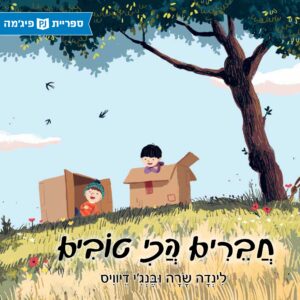
Discuss with and ask the children: how do you think Birt felt when Shu joined their game? Have you ever played with a friend and had another person ask to join in? Have you ever asked to join other children?
Arts & crafts with friends
Good friends can make a simple box into a palace, boat, or spaceship. You can suggest inviting one or several friends over for some joint arts & crafts time. Perhaps they will discover what else a box can turn into – with a little imagination, a pair of scissors, some markers, but most importantly – lots of togetherness.
Now Birt, then Shu, then Etho
Playacting is a great way of learning about the experience of others while expressing feelings and sensations. You can act this story out with the help of various family members or toys. Take turns playing each role, so that you can experience the story from the different characters’ perspectives.
Tips for family reading
This is a special book that delicately addresses coping with a friend’s complex physical or emotional state. We recommend that parents read this book before reading it together with their child in order to adjust the reading and discussion to the book’s unique content, and the child’s unique world.
“And I found a way”
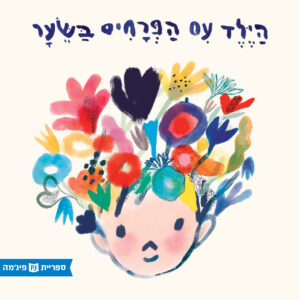
David’s friend immediately notices when David’s behavior changes. You can discuss and share: Have you ever noticed when someone you have been close began to act differently? What did you do? What do you think about what Davd’s friend did?
Paper flowers – a kind gesture and a good word
Invite your child to make a colorful floral crown that would bring joy to your family. Suggest that your child cut out paper flowers and decorate them, and then write a kind word about each .family member
A “just in case” box
What comforts and cheers you up during difficult times? A kind word? A touching book? Perhaps a toy? You can make a box filled with “just in case” ideas: Items that cheer you up, encouraging messages, and kind words.
A hug in a letter
Does your child have a friend or family member who is coping with a complex physical or emotional condition? You can suggest that your child write that friend or relative a letter of encouragement. Use supportive words, such as: I’m here for you; you’re strong; we’re your friends; and we love you. You can add a drawing that will put a smile on their face too.
Family reading advice – From book to life
Books can help us cope with challenging situations: Toddlers identify with book characters and, as a result, learn about emotions, behaviors and challenges that exist both in books and in real life. In situations that are similar to those presented in the book, you can remind your toddlers of the book characters, and suggest that they be inspired by them and behave in a similar way: “Do you think we can maybe shift a little on the bench, and make room for our friends, just like the bears in the book did?”
מה קורה בסיפור?
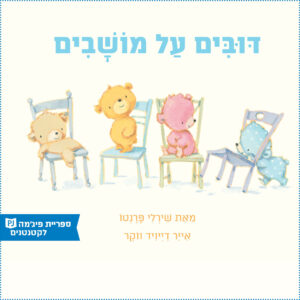
You can discuss what is happening in the book with your toddlers – which problem did the bears encounter? Why didn’t the bear have anywhere to sit? What did the other bears do? You can also address the feelings that emerge from the book: How did the bear feel when he had nowhere to sit? Was he happy, sad, or perhaps surprised or confused?
Reading the illustrations
You can learn, play, and have fun using the illustrations. You can look for a different detail in them every time – can you spot the pink bear? Where’s the spotted bear? Where is the big bear and where is the little bear?
You can swap roles, and let your toddlers beckon you to search for details in the illustrations.
Like a bear
You can turn the pages of this book and pause at a different page each time to look at the bears and try to copy their movement, sitting posture, and facial expressions so that yours are exactly like the ones depicted in the illustration.
You can find more activities and special ideas on the Sifriyat Pijama for Toddlers Pinterest page.
Connections
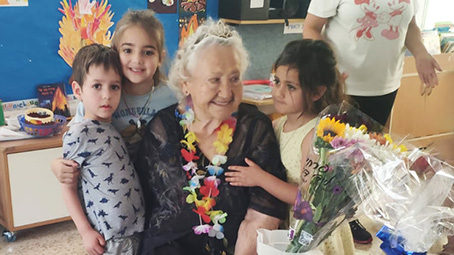
You can talk about older people you know or knew in the past: Who are they? What is your connection to them? What do you like doing with them now? What memories do you, the parents, have of older figures from your childhood?
Story time
Want to listen to the story? Scan the QR code and you can listen to the story together while turning the pages, at home, in the car or whenever you have time.
Hello Your Majesty
Amira suggests playing a game she played as a child – so can you! How do you play? One participant is the king and the rest are his children coming for a visit. They greet him with “Hello, Your Majesty”. The king replies: “Hello my dear children? Where have you been and what have you been doing?”
The children must explain where they were and what they did in mime, and the king must guess correctly. Then they switch roles.
Party time
Alma is planning a magic party with a magic hat and a magic potion, and invites witches and wizards to join. You can plan a magic party as well, with your own magical ideas. And maybe it will be a “resting” party? Or a game party? Or another themed party of your choice?
Real or imaginary?
Telling and listening to stories is great fun. The shared experience makes everyone feel good. Discuss and think together – when is the right time for story-telling and letting your imagination run wild. When is it best to tell the story like it is — without adding or leaving out any details? Who would you feel comfortable confiding in when you face dilemmas?
What happened to me yesterday
Who can remember what happened yesterday? Can you tell it like a story? You can use this opportunity to share experiences. You can also play: One of the participants will tell a story, while the others try to figure out what is true and which parts are made up.
Here is where we listen
Whenever Shahar wants to share or consult, she sits on the bench with Herzl, the security guard, and he always listens. Choose a spot at home where you can always speak and be heard. Whenever you need to share, sit there, tell your story, and seek advice.
Let me tell you a story
Do you want to listen to Shahar’s stories too? Scan the QR code and listen away.
Family reading advice
Reading a book together can evoke thoughts, feelings and emotions in children: Like the young bird, they can feel small and fragile; like Efrat, they can feel misunderstood, or determined to go on doing what they believe is right. We recommend sitting close together, and accompanying the reading with a soothing stroke: Touch brings parents and children closer together, and strengthens children’s faith that they have someone who supports them, and is attentive to the feelings that the book evokes in them.
Getting bigger
Little Peanut is getting bigger, and Efrat, who is discovering independence and responsibility, is getting bigger too. You can discuss and ask your children what makes them bigger and more responsible than they were before – are they taking care of a pet, for example? Doing things on their own? Helping their friends and around the house? We recommend always reminding children about the areas in which you, as parents, see that they have made progress and grown. Doing so makes children feel good, and bolsters their self-confidence.
Helping animals
You can also help the animals in your surroundings: You can make a feeding station for birds containing crumbs; place a water bowl for cats; make a sign protecting an anthill, or think of your own ways of helping the animals in your surroundings.
Where are the animals?
The illustrations in this book depict various animals – some are stuffed, drawn or playthings, some are real, while others appear in the children’s thoughts. Can you find them?
Jumping, skipping, flying
Do you like to move? Look at the page on which Little Peanut learns how to fly, and try to move along with the story: You can grow wings, hop, skip, or even try to pretend to fly.
Pinterest – Crafts, songs and other activities on the “Elik Belik” book page in Sifriyat Pijama on Pinterest
Reading Together
Do you also have little friends visiting your home? Are they imaginary friends, or maybe a beloved doll? It is worthwhile to talk about it with the toddlers and hear what do they like doing with the little friend. You can “bring in” the little friend to join and read the story.
How to Read the Story?
The story is slightly longer than usual, and in order to arouse interest and curiosity it is recommended telling it in a variety of voices: a voice for Dad, a voice for Yaeli and a different voice for Mom and for Elik Belik. You can look together at the illustrations and invite the toddlers to participate in the identification of details and repeat the words “Elik Belik”.
Hide and Seek
Where’s the doll? On the table? maybe underneath it? And where’s the ball? You can hide various objects, look for them and then say: “The ball is on the chair”, “The ball is under the bed”. You can also hide yourselves and look for each other.
From Small to Big
Dad has big shoes, Mom’s shoes – they are less big, Yaeli has little shoes, and Elik Belik’s? Tiny shoes! Go on a journey throughout the house, collect items of the same type and arrange them from the smallest to the biggest.
Discussion
Unpleasant things happen to all of us – but do they only ever happen to us? You may want to discuss the feelings that emerge when something unpleasant happens, and help each other think of people who can help, as well as how to cheer each other and ourselves up.
Illustrations tell a story
The illustrations in this book tell us what happened to Winston’s friends without using words. Only Winston doesn’t notice. Pick one illustration, look closely at Winston’s friend, and tell their story as if you were them: What are they feeling? What are they thinking? What about this particular illustration caught your attention?
Lucky it happened to me!
You may want to try looking on the bright side! At the end of each day, share something good that’s happened to you with your family – make sure that both parents and children share news about their day.
Who amuses me? And who surprises me?
Look at the illustrations together and search for details that amuse you – what did each of you find amusing? Did any of the details surprise you?
Reading the illustrations
Randomly open the book and look at the illustrations together:
Which character is similar to you? Which character are you different than?
What makes you similar to or different than the character you have chosen?
Which is your favorite character in the book?
Note – these questions may be asked every time the book is read. There are days, for example, when we prefer to be alone, whereas on others we choose to spend time together.
Playing – What can we see in the mirror?
The mirror game presents an opportunity to look at one another as well as ourselves, notice similarities and differences, and laugh.
Instructions:
Sit in front of the mirror with your child, look at each other, and find similarities and differences between you:
Are your eyebrows arched the same way as your child’s?
Do you both have freckles? Or curly hair?
Pulling Faces – one of you could pull a funny face, while the other tries to mimic it. Were you able to make each other laugh? Was it the same funny face that made you both laugh, or different ones?
Doing some arts & crafts – Similar but different
You could make a family picture together, and add your similarities and differences to it:
Take photographs of yourselves together or separately. If you prefer, you could draw self-portraits instead of taking pictures. Print the photos out, paste them on some cardboard, and paint them. Add drawings or newspaper scraps to your pictures with details representing the similarities and differences between you. Do you enjoy playing the same games? How about adding it, then? You could add the different games that each of you like to play. Perhaps one of you prefers quiet, while the other prefers noise. Are you fast or slow? Do you find the same jokes funny? What else would you add to your family photo?
Moving similarly – Moving differently
Would you like to be active? Here are some suggestions for physical exercises that consist of both similar and different movements.
In each round, one of your family members moves their body: eaves their hand, jumps, turns around, or touches their ears.
The person next to them then moves too: if they like the gesture made by the previous participant, they can move in a similar way. If not, they can choose a different movement they like better.
What did you enjoy? Repeating the same movement, or choosing your own?
Scan this code to download a family game we have prepared especially for you.
בדיוק אותו דבר – דתיה בן דור – מתוך "פרפר נחמד"
בדיוק אותו דבר – דתיה בן דור – מתוך “פרפר נחמד”
הכנת קיפוד מנייר – סרטון הוראות הכנה
A recipe for Tali's Grandma's apple pie
Ingredients
2 eggs, whisked
2 apples, peeled and diced
2 tablespoons of brown sugar
1 tablespoon of cinnamon powder
I cup of self-raising flower (or 1 cup of regular flour and a teaspoon of baking powder)
2/3 cup of white sugar
½ cup of oil
A pinch of salt
Method
Pre-heat the oven to 180 degrees.
Mix the diced apples with the cinnamon and brown sugar.
Whisk the eggs and white sugar together, and add the rest of the ingredients.
Mix the batter well.
Bake for 30-40 minutes until the pie is firm and golden.
Serve hot next to a scoop of vanilla ice cream.
Proposed Family Activities:
- You may want to look at the illustrations closely together. You could ask your child to pick a character, and tell the story from his/her perspective.
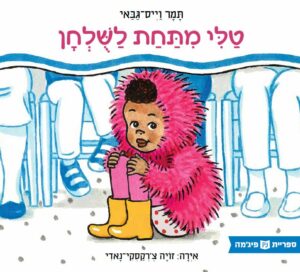
- Perhaps you could ask your child what Shira did by joining Tali under the table. You could share ideas for ways out of situations in which you feel angry, sad, or upset. You may want to share an experience in which you helped cheer someone up.
- It is not always easy to discern how others are feeling. You may enjoy standing with your child in front of the mirror, taking turns to make faces, as the other guesses which emotion those faces are designed to convey.
מה עשתה שירה
אפשר לשאול את ילדיכם מה עשתה שירה כשהיא הצטרפה לטלי מתחת לשולחן. אפשר גם לשתף זה את זה בשאלה מה עוזר לכל אחד מכם לצאת ממצבי כעס, עצב או עצבנות. תוכלו להיזכר בפעם שעזרתם למישהו ושיפרתם את מצב הרוח שלו.
לא תמיד קל לזהות את הרגשות של האחר
לא תמיד קל לזהות את הרגשות של האחר. תוכלו לעמוד עם ילדיכם מול המראה, כל אחד בתורו יעשה פרצוף מול המראה, והשני ינסה לנחש איזה רגש הוא מביע.
Proposed Family Activities
- You may want to pause as you read and ask your child: Where do you think the cat is rushing off to? Why is Mr. Goat blocking the way? Will the vixen eat all the raspberries that she has picked herself?
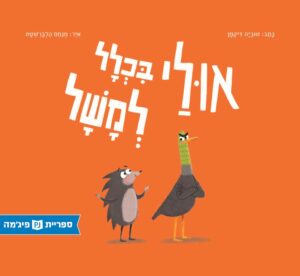
- Perhaps you would enjoy taking a look at the illustrations in this book together: Have you noticed Duck’s and Porcupine’s special eyebrows? Can you discern who is angry and upset, and who is happy and relaxed judging by their eyebrows alone? You may want to sit one opposite the other and take turns to cover your face, leaving nothing but your eyebrows visible. Now, pull a face – happy, surprised, angry, or sad – and ask the other to guess which emotion you were trying to express by your eyebrows alone.
- You could make a finger theater using eyeliners and lipsticks: draw needles on the back of your finger, and a nose and mouth on the front – and you have got yourself a porcupine; paint the thumb and forefinger of your other hand red with some lipstick, so that their tips form a bill – and you have got yourself a duck. Use both hands to perform a show based on this book. Which hand is quick to judge? Which hand gives others the benefit of the doubt?
- Perhaps you could share a story with your child about a time when, like the duck in this book, you were quick to jump to conclusions about others’ actions. When something unpleasant happens, we can try to adopt the “porcupine” approach, and repeat the phrase “maybe, possibly, perhaps” together.
Proposed Family Activities:
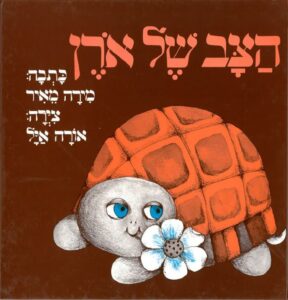
- You may want to suggest that your child leaf through the book. What is Oren holding upon returning from his walk with his father? Which toys did the children bring the turtle? You could also look for Oren in the illustrations throughout the book. In which of them does he seem happy, and in which does he look sad? Can you explain why?
- Perhaps you would enjoy taking a short walk near your home. You could take turns looking up, down, to your right, and to your left, and announcing what you see. For instance: “I see an ant!”, or “I see a pinecone!”. Do you notice the same things?
- Does your child know what every animal likes to eat? And where it lives? You may want to discuss the right way to treat animals with your child. Together, you can think which animals can be suitable pets, and how to care for them. Even small children can take part in caring for a household pet.
- You may want to make a turtle shell using a pinecone, a disposable plate, or a finished toilet paper roll. Attach four legs and a head made of cardboard to it, paint it, and have fun owning a pet turtle! You can also use it to act this story out.
- At the end of the book, Oren wishes for his mother to find the turtle again. Together, you could write a sequel to this story. What do you think happened? Where did the turtle go? Did Oren run into it again while taking a walk in the woods? Do you think the turtle remembered him? Did they become friends?
Mira Meir 1932–2016
Mira Meir was born in Lodz, Poland, and relocated to Tel Aviv at the age of 5 along with her family. After completing her military service, she moved to Kibbutz Nahshon. Meir was an author and poet who wrote for both adults and children, and engaged in editing and translating as well. She won many awards for her literary work, including the Zeev Prize for Lifelong Achievement, the Minister of Culture Award, and the Hebrew Authors’ Prize. Among her well-loved children’s prose and poetry books are: Shluly [Puddley]; Maʹaseh She-Haya Kah Haya [Once Upon a Time]; and Paʹam Haya Yeled Shelo Ratzah Lishon Levado [The Boy Who Wouldn’t Sleep Alone].
Ora Ayal 1946–2011
Ora Ayal wrote and illustrated more than 70 children’s books. She illustrated many books written by top Israeli children’s authors, such as Miriam Roth (Tale of Five Balloons [Maʹase Ba-Chamisha Balonim], Hot Corn [Tiras Ham], and Yael’s House [HaBayit Shel Yael]), David Grossman (the book series on Itamar), and Ronit Haham (Five Witches Went for a Walk [Hamesh Mekhashefot Halkhu Letayel]). Among the books Ora Ayal both wrote and illustrated are: One Tuesday Morning [Boker Bahir Ehad]; Ugbu; and The Great War [HaMilhama HaAdira]. Her well-loved books have been a source of delight for Israeli children, and she has won many awards, among them the Andersen Children’s Literature Award, and the Ben-Yitzhak Award.
להציג לילדים את כריכת הספר
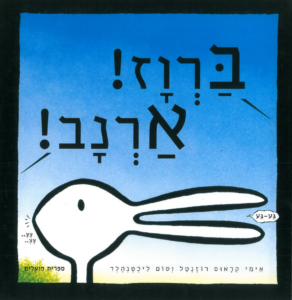
כדאי להציג לילדים את כריכת הספר ולשאול אותם: איזו חיה רואים בתמונה – ברווז או ארנב? האם כולם ראו אותה חיה? אפשר לבקש מהילדים לנסות להסביר לחבריהם כיצד לזהות את הברווז או הארנב. האם הצליחו לשכנע את חבריהם? אילו הייתם צריכים להכריע כקבוצה, מה הייתם קובעים: האם זה ברווז או ארנב? האם ההכרעה הקבוצתית חשובה או משמעותית?
אפשר לילדים לקרוא את הספר יחד בזוגות
כדאי לאפשר לילדים לקרוא את הספר יחד בזוגות, ללא התיווך שלך, ולהשתעשע בו. האם הספר הצחיק את הילדים? האם הוא הצחיק אותך?
מה מסתתר בקשקוש
האם אפשר לראות משהו שאחרים אינם רואים, או שאינם מפרשים כמוך? אפשר לשחק “מה מסתתר בקשקוש”: הילדים מתחלקים לזוגות. כל אחד בתורו משרבט ציור מופשט, ועל המשתתף השני לזהות בתוך התמונה דמות או עצם מוּכּרים, להוסיף פרטים חסרים ולצבוע אותם בצבע.
שיעור באיור - ברוז וארנב!
ברוז? ארנב? למדו לצייר גם ברוז וגם ארנב – יחד עם נעם נדב!
איך לצייר ברוז:
איך לצייר ארנב:
מגוון שיעורים באיור עם נעם נדב בעמוד היוטיוב שלנו, לצפייה לחצו >>
איך משכנעים מישהו להסתכל על המציאות דרך העיניים שלנו?
בסוף הסיפור מתחלפות נקודות המבט. מי שקודם לכן ראה ברווז מאמין עכשיו שזהו ארנב, ולהפך. אפשר לשוחח עם הילדים, להזכיר להם חוויות משותפות ולשתף אותך בניסיון החיים שלכם: האם פעם שיניתם את דעתכם בעקבות זווית הראייה של האחר? איך משכנעים מישהו להסתכל על המציאות דרך העיניים שלנו?
ליצור צלליות ידיים בצורה של ארנב (או ברווז!)
אפשר ליצור צלליות ידיים בצורה של ארנב (או ברווז!): מחשיכים את החדר ומאירים קיר אחד בפנס או במנורת קריאה חזקה. ממקמים את הידיים ליד מקור האור ויוצרים באמצעות האצבעות צורה של חיה. האם ניתן לזהות את החיה לפי הצלליות שעל הקיר? האם זהו ארנב או ברווז? בהמשך תוכלו ליצור חיות נוספות בעזרת כפות הידיים.
לצאת החוצה ולהביט בשמיים: מה רואים בעננים?
בכריכה הפנימית של הספר מצוירים עננים. האם הילדים מזהים צורה של חיה בתוך העננים? אפשר לצאת החוצה ולהביט בשמיים: מה רואים בעננים?
איך מרגישים כשהאחר אינו מצליח (או אינו מוכן) לראות את מה שאנחנו רואים?
איך מרגישים כשהאחר אינו מצליח (או אינו מוכן) לראות את מה שאנחנו רואים? תוכלו להציג לילדים תמונות של תעתועי ראייה או אשליות אופטיות, ולבקש מהם לספר מה הם רואים. שתי דוגמאות נודעות לתמונות “מבלבלות” הן תמונת האישה הזקנה והעלמה, והתמונה של כוס היין ושני הפרצופים.
תעתועי ראייה של חיות
הידעתם? סיפור הילדים “ברווז! ארנב!” מבוסס על תעתוע ראייה שצייר פסיכולוג אמריקני בשם ג’וסף ג’סטרו ב- 1899, ופרסם במאמר מדעי על הקשר בין המוח לבין ראייה. מאז פורסמו תמונות נוספות של ברווז-ארנב, כמו זו, וכן תעתועי ראייה של חיות אחרות כמו חמור-כלב ים, וברבור-סנאי .
איזו חיה ראיתם – ברווז או ארנב?
כשקראתם לראשונה את הספר, איזו חיה ראיתם – ברווז או ארנב? האם גם ילדיכם ראו את הדברים באותו אופן? האם הצלחתם בקלות לראות בכל פעם את בעל החיים באופן אחר? אילו הייתם צריכים להכריע, מה הייתם קובעים: האם זה ברווז או ארנב?
האם אפשר לראות משהו שאחרים אינם רואים, או שאינם מפרשים כמוך?
האם אפשר לראות משהו שאחרים אינם רואים, או שאינם מפרשים כמוך? אפשר לשחק “מה מסתתר בקשקוש”: כל אחד בתורו מצייר ציור מופשט, ועל המשתתף השני לזהות בתוך התמונה דמות או עצם מוּכּרים, להוסיף פרטים חסרים ולצבוע אותם בצבע.
להציג לילדיכם תמונות של אשליות אופטיות
איך מרגישים כשהאחר אינו מצליח (או אינו מוכן) לראות את מה שאנחנו רואים? תוכלו להציג לילדיכם תמונות של אשליות אופטיות ולבקש מהם לספר מה הם רואים. שתי דוגמאות נודעות לתמונות “מבלבלות” הן תמונת האישה הזקנה והעלמה, והתמונה של כוס היין ושני הפרצופים (ניתן למוצאן באינטרנט אם תחפשו “תעתועי ראיה”) – מה אתם רואים כשאתם מביטים בתמונות?
האם פעם שיניתם את דעתכם בעקבות זווית הראייה של האחר?
בסוף הסיפור מתחלפות נקודות המבט. מי שקודם לכן ראה ברווז מאמין עכשיו שזהו ארנב, ולהפך. האם פעם שיניתם את דעתכם בעקבות זווית הראייה של האחר? איך משכנעים מישהו להסתכל על המציאות דרך העיניים שלנו?
ליצור צלליות ידיים בצורה של ארנב (או ברווז!)
אפשר ליצור צלליות ידיים בצורה של ארנב (או ברווז!): מחשיכים את החדר ומאירים קיר אחד בפנס או במנורת קריאה חזקה. ממקמים את הידיים ליד מקור האור ויוצרים באמצעות האצבעות צורה של חיה. האם ניתן לזהות את החיה לפי הצלליות שעל הקיר? האם זהו ארנב או ברווז? בהמשך תוכלו ליצור חיות נוספות בעזרת כפות הידיים.
מה רואים בעננים?
בכריכה הפנימית של הספר מצוירים עננים. האם זיהיתם צורה של חיה בתוך העננים? אפשר לצאת החוצה ולהביט בשמיים: מה רואים בעננים?
Family Activities
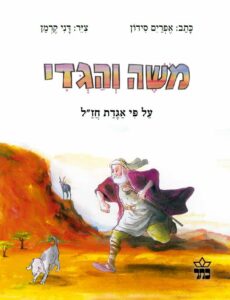
- Have your children “read” the pictures and tell you the story, using the illustrations as their guide. You could pay particular attention to Moses’ facial expressions, and ask your children why they think he didn’t give up on one little kid, despite the fact that he had an entire large flock with plenty of goats?
- Even young children can be “big” and responsible! Help your children recall occasions when they were helpful to other children or small animals. Point out that even small, seemingly unimportant acts of kindness can be very meaningful for those in need; they also serve as a personal example for the entire “flock.” Afterwards, you could draw a picture together depicting one of the times when your children helped others.
- The story of Moses and the kid takes place in a desert. Are your children familiar with desert life – the different kinds of flora and fauna, the wells and oases, etc.? Have you ever visited a desert? Or perhaps you live in a desert area? You might go on a field trip, and compare the climate and scenery on your trip to that in the story.
- Look for the illustration that shows Moses carrying the little kid on his shoulders. Ask your children if they ever felt so tired that they asked to be picked up. Children often ask to be carried, even after they are big enough to walk on their own. You could discuss the times you carried them and the times they were able to walk independently. You could play piggy-back around the house, pretending to be Moses with the little kid.
- Many of our leaders started out as shepherds. Discuss the work that a shepherd does, and the qualities that go into making a shepherd. You could think together about how working as a shepherd helped Moses, when the time came, to lead the Israelites in the wilderness. Try to recall other shepherd-leaders in Jewish tradition (for example, King David and Rabbi Akiva).
- Moses struggles to catch up with the fleet-footed little kid. You could play “catch” together. First, you might play the role of Moses and call to the kid, “Little kid, stop. Little kid, come back!” while your children play the kid that “runs faster and faster.” Then switch roles. Who ran faster – you, or your children?
- What other stories and tales about Moses do your children know? After reading this book, you could tell the story of the Exodus from Egypt and the Israelites’ wanderings in the wilderness, and talk about the figure of Moses.
Activities to Do Together at Home:
- Notice the things Matan and Noah like to do together before they quarrel. Ask your children what they like to do with their friends, and when do they help one another?
- Examine Matan’s and Noah’s facial expressions in the illustrations. When do they look happy? When do they look sad, or angry?
- If Matan and Noah were friends of yours, what would you suggest that they do to prevent the quarrel from occurring, or to make up afterwards?
- Ask your children if anyone has ever helped them to make up with a friend after a quarrel. How would you want to be helped to make up after a quarrel? You could create a little book –write your own story and illustrate it together.
- You could brainstorm together and come up with an ad or slogan that promotes peace between people. Create a poster featuring your ad or slogan and hang it up in your home.
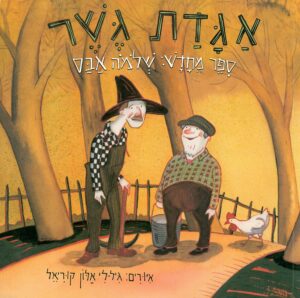
- The bridge that Elijah the carpenter built was made of boards and nails. Ask your children what bridges they know, and what are they made of? You could also build a bridge out of popsicle sticks or Lego blocks. After you finish building the bridge, you could use it to stage a play about the story, using dolls or Lego figures.
- Do you know the song, “The whole world is one narrow bridge”? If you do, you can sing it together with your children.
Family Activities:
“A time to embrace, and a time to refrain from embracing” (Ecclesiastes, 3:5)
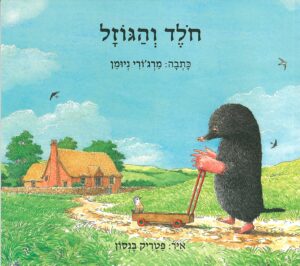
- Perhaps you would enjoy looking at the illustrations together and finding examples of the help Mole had given to the baby bird. When did Mole’s care meet the baby bird’s needs, and when did it not? What changed with the baby bird, requiring a subsequent change in care, and why was it so difficult for Mole to let it go?
- Young children develop their sense of independence but still need our protection as parents. As it says in the Book of Ecclesiastes, at certain times and situations it is appropriate to be nearby and “embrace”, and at others, free trial and error is best. It may be interesting to ask your child which areas they felt they had become stronger and experienced growth in over the last 12 months, and whether there are any new things they would like to do on their own, and have us, as parents, allow them to do.
- This story describes a parting process. How do you say goodbye in the morning? Do you have a “hug & goodbye” ritual? You may enjoy some role-play – you can be the kindergarten child, and your child can say goodbye to you and “go to work”. After some activity in your “kindergarten”, and when your child’s “workday” is over, you can meet again… and hug!
“Greetings upon your return, lovely bird” (H.N. Bialik)
- Birds “speak” using whistles and tweets. You may enjoy stepping outside and listening to the birds. You could try mimicking different tweets, and “speaking” the language of the birds.
- The baby bird in the story stands in its cage and says nothing. If we were able to understand bird language, what would it have told us?
- You could also care for birds! To do so, make a bird-feeder. Take a large, empty bottle, and wash it well. Cut a large opening into one end of it. Hang it in the balcony or on a tree near your home, and place pieces of fruit, seeds, and breadcrumbs in it. Watch from afar as birds come and eat from it.
Family Activities
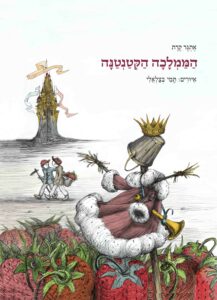
- This story is a fairytale, a work of fiction that comes to life through magical illustrations. The illustrator chose to place the kingdom inside a book, and have the characters be children playing “pretend” – making up the story about the imaginary kingdom. You may enjoy making a paper crown, cardboard scepter, and glamorous cape using a tablecloth or large scarf, and act out the story together.
- Perhaps you’d like to invent your own imaginary kingdom: What would it contain? What would it be made of? Would it have a king or queen? Would it also be teeny-tiny? You could write a story about your kingdom, or draw it.
- My own private palace: Using a simple, large cardboard box, you could create your own teeny-tiny kingdom. You could cut out doors and windows, and add (by drawing or using other accessories) towers and drawbridges to nyour heart’s content. Small toys can serve as king, advisors, and subjects. Who would you like to invite into your palace?
- The king chose to “change the rules of the game”: he stepped down, and left the comfort of palace life to win a friend. You may want to discuss your child’s friends with them. What sort of effort does your child put into their friendships? What do they like to do with their friends? Have they ever given anything up in order to stay friends with someone? You could share your own friendship experiences with your child.
- A kind deed for a friend: This story is full of longing. The subject misses his friend, the advisor misses the king… and the king misses his advisor… Do you also have a friend of the family or distant relative whom you miss? Perhaps you would like to send them a letter, e-mail, or picture by phone, or anything else that might make them happy. It could be a reminder of your true friendship, one that can overcome the physical distance between you.
- Do you know any other tales of kings and queens, princes and princesses? Perhaps you would enjoy inviting a friend over and reading those stories together.
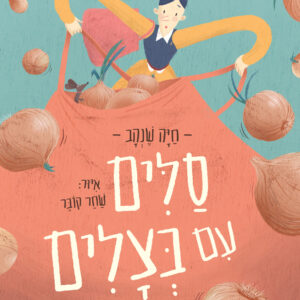
Baskets of Onions
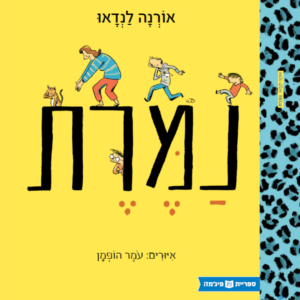
Next in Line
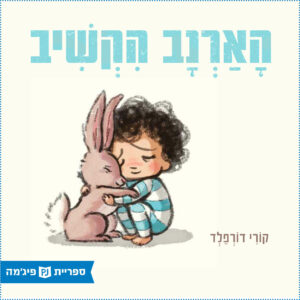
The Rabbit Listened
Best Friends
The Boy with Flowers in His Hair
Bears on Chairs
It’s Our Birthday
Let Me Tell You a Story
Little Peanut
Elik Belik
Winston was Worried
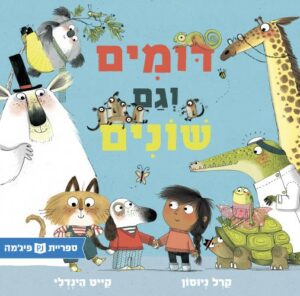
The Same but Different
Tali is under the Table
Maybe, Possibly, Perhaps
Oren’s Turtle
Duck! Rabbit!
Moses and the Baby Goat
The Bridge Tale
Mole and the Baby Bird
The Teeny-Tiny Kingdom