ציור, נגינה, שירה, ריקוד – אמנויות שממלאות את עולמנו בצבע, בטעם ובעניין. כל אלו ועוד, נמצאים בספרים קסומים ויפהפיים אשר מבליטים באופן מעורר השראה את המשמעות של האמנות והמוזיקה בחיינו, ואת גודל שכרם של העוסקים בהן.
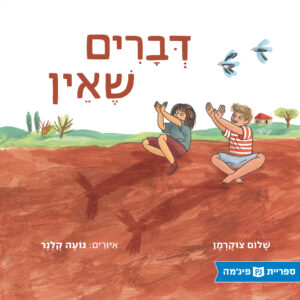
אפשר לבקש מהילדים לרווח את האצבעות ולהתבונן ברווחים ביניהן ואז לשאול: מה אתם רואים ברווח שבין האצבעות? תוכלו לדמיין שמה שאתם רואים שונה ממה שזה באמת? מה למשל? קרה לכם שהבטתם במשהו – לדוגמה בצורות שונות של עננים, בבורות או בשלוליות מים – והפכתם אותו בדמיונכם לדבר אחר?
גם אתם יכולים ליצור באור וצל. חפשו מקום שטוף שמש והניחו בו חפצים שונים, כמו עלים או צעצועים קטנים. תוכלו לצייר סביב קווי המתאר של הצל ובתוכם או להפוך את הצל לדברים שונים. צל של עלה, לדוגמה, יכול להפוך גם לציור של דרקון.
מעודדים חשיבה יצירתית: תוכלו לאסוף יחד כמה אבנים מהקרקע, להתבונן בהן ולחשוב למה הן יכולות להפוך. לאחר מכן כל אחד בתורו יוכל לסדר אותן כרצונו וליצור מהן משהו חדש.
בהשראת הספר תוכלו לבדוק יחד מה הם היסודות של דברים שאתם מכירים. בחרו בחפץ, חולצה למשל, חקרו: ממה היא נוצרה? (מבד) וממה נוצר הבד? (מכותנה), וגלו: גוש כותנה יכול להפוך לחולצה!
כיצד נראה העולם מעיניים של אמן?
זהו ספר מלא השראה, המתאר את חוויית ההתרשמות של ילד מדודו האמן. ואכן את הספר כתב אחיינו של האמן שלום צוקרמן מתוך זיכרונותיו על ביקור בבית דודו, התבוננות ביצירתו והקשבה לנאמר ולזה שלא. דרך הסיפור יכירו הילדים את האמן מיכה אולמן, ויחשפו לדרך היצירה האמנותית הייחודית שלו וההסתכלות שלו על העולם והחיים. הילדים יגלו היכן האמן מוצא השראה, מדוע הוא מתבונן בפרטים, כיצד נראה תהליך העבודה שלו על יצירתו, וההתרגשות של האנשים אל מול האמנות.
הספר יכול לפתח חשיבה גמישה ויצירתית ולסייע בהבנת רעיונות מופשטים.
– מה היה המקצוע של הדוד בסיפור? – באילו חומרים הוא השתמש? – איך הוא יצר את העבודות שלו? – אילו דברים מופיעים באיורים של הספר ברווח של היצירות באיורים של הספר? – מה יש ברווח שבין האצבעות? – למה כשהדוד מביא אבנים גדולות בהתחלה לא מבינים מה הוא עושה? מתי כן מבינים? – למה האותיות מאור וצל מתארכות ומתקצרות או נעלמות ומופיעות? – למה קוראים לספר "דברים שאין?" – איך הדוד רואה בבור, בית? מהיכן הוא מסתכל? – מה עושים הילדים בזמן שהדוד מסדר את האותיות?
עצירות לניבוי:
כדי לסייע לילדים להבין את האמנות של מיכה אולמן העוסקת ב"דברים שאין" כדאי לעצור בעמוד בו נראה בית הפוך באיור. בעת הקריאה כאשר כתוב שהדוד אומר "תראו זה"… ולאפשר לילדים להשלים. למקרה שמתקשים אפשר להציע לילדים להפוך את הספר ולנסות להבחין בצורה.
עצירה נוספת לניבוי מתאימה במשפט: "ודף לבן? גם הוא דבר שאין" – אפשר לעצור ולשאול-מה הדף יכול להיות? למה אפשר להפוך אותו? אפשרו לילדים להעלות הצעות לפני שתמשיכו ותגלו מה מציע הדוד.
מפגשים חוזרים עם הספר:
במפגשים חוזרים בקבוצות קטנות אפשר לשוב אל הספר ולהרחיב את ההתבוננות והשיח בכל פעם על נושא אחר. באופן זה ניתן להעמיק את הבנת המסרים הסמויים והגלויים בסיפור ולהרחיב את ידע העולם של הילדים.
– לדוגמה: אפשר לחזור אל העמוד בו הדוד יוצר את פסל האותיות – אפשר להפוך את הספר ולראות – אילו אותיות מזהים? בהמשך אפשר להציג לילדים את התצלומים של הפסל (לאחר הכניסה לקישור יש לגלול מטה לגלריית התמונות) ולנסות לזהות עוד אותיות.
מה דעתנו?
– מה לדעתכם הכוונה ב"הזמן עובר מעצמו"?
– האם לדעתכם החול שהיה בבור מתגעגע לשוב במקומו
– בספר כתוב "את הדברים שהוא אוהב הוא מצייר ומפסל ואנשים באים להסתכל, לא מפסיקים להתפעל" הציעו לילדים לחזור לאיורי הספר אל האיורים המספרים על יצירתו של מיכה אולמן להתבונן היטב ולשאול ממה אתם מתפעלים ומדוע? -. לאחר השיח כדאי להיכנס לאתר המלווה את הספר ולגלות כיצד היצירות נראות במציאות.
חושבים יצירתי
מה אתם רואים בצורה שהתקבלה ממנח הידיים של הילדים במשחק האור והצל?
התייחסו לדוגמאות מהסיפור: אילו דברים נוספים שאין אתם מכירים? קרה ששיחקתם או יצרתם פעם ממשהו שאין?
אילו עוד דברים שיכולים להיות אתם מכירים? ניסיתם פעם לתפוס רוח? אילו דברים נוספים שאי אפשר לתפוס אתם מכירים?
אומנות
– מה לדעתכם יותר מהנה, ליצור באבנים, באדמה ובחפירת בורות או ליצור מאור וצל? – אם הייתם פוגשים את מיכה אולמן מה הייתם שואלים אותו?
קשר משפחתי
– מה לדעתכם הילד חושב על הדוד שלו? האם הוא קרוב אליו? מה הוא לומד ממנו? – גם לכם יש בני משפחה שאתם אוהבים לבלות איתם ולומדים מהם דברים?
פרופ' מיכה אולמן (נולד ב-11 באוקטובר 1939) הוא אמן ופסל ישראלי. חתן פרס ישראל לשנת התשס"ט (2009). עבודותיו, העוסקות בזיכרון ובהיסטוריה האנושית וכן ביחס בין האדם לטבע, משתמשות בתצורות אמנותיות שונות מתחומי הפיסול. פסל אותיות האור –
אותיות אור הוא פסל סביבתי של מיכה אולמן. הפסל מוצב בגן המקיף את הבניין החדש של הספרייה הלאומית שבקריית הלאום בירושלים. יצירת האמנות המוצגת מתחת לאדמה ומעליה, עשויה 22 אותיות, כמו מיליוני הספרים וכתבי-היד שבספרייה הלאומית: מספר קטן של סימנים, שצירופיהם השונים מבטאים את אינסופיותה של המחשבה האנושית.
כדאי להמליץ לילדים ולמשפחות לבקר את פסל האור המיוחד בגינת הספרייה הלאומית בירושלים. אפשר להצטלם ליד האות בה מתחיל השם הפרטי או שם המשפחה.
בכדי להעמיק את החוויה מהתבוננות ב"דברים שאין" אפשר להציע לילדים לצייר ציור. לאחר שהציור מוכן מניחים עליו שקף ומזמינים את הילדים בעזרת טוש שאינו מחיק לסמן את החללים בין הפרטים בציור שלהם ולמלא אותם. כאשר מזמינים את הילדים להתבונן בשתי היצירות יחד. אפשר לשאול – גילתם משהו שלא חשבתם עליו? אולי משהו הפתיע אתכם?
ניתן להזמין ילדים שרוצים לגזור את הצורות שנוצרו וליצור מהם הדבק (קולאז'), מרצדת(מובייל) או כל דבר אחר אשר ירצו.
• מה זה לפסל? לאחר שהילדים עונים, אפשר לסכם: פסל הוא יצירת אמנות שיש לה נפח ורואים אותה מכיוונים שונים.
• מה היה יכול להיות לכם מעניין להתנסות בו?- יצירה באבנים, באדמה, בחפירת בורות, ליצור מאור וצל, ואולי משהו אחר?- לאחר השיח נאפשר לילדים להתנסות, ליצור ולפסל בעצמם בדרכים הנ"ל.
הצל של ילדי הגן – במשחק יצירתי זה מתחלקים לזוגות. אחד הילדים עומד בשמש כשהצל מולו, והשני מצייר את הצל שלו. כל ילד וילדה יכולים לעמוד בתנוחה שונה. בתום הפעילות תוכלו להתבונן בכל הציורים של הצל של ילדי הגן מזוויות שונות – למה כל אחד יכול להפוך? הצל שלי ואני – ניתן לצאת אל החצר ביום שמש ולבדוק – האם אפשר לתפוס את הצל שלי? איך אפשר לשנות אותו? מה אפשר ליצור ממנו? תופסת צללים – ביום שמשי אפשר לצאת לחצר הגן. לחלק את הילדים לשתי קבוצות. קבוצה אחת של "תופסים" וקבוצה נוספת של "בורחים" (כדאי לאפשר לילדים לבחור את התפקיד) התופסים רצים אחרי הבורחים ומנסים "לתפוס" את הצל שלהם על ידי דריכה על הצל. ילד שהצל שלו "נתפס" הופך גם הוא לתופס. כך עד שכל הצללים נתפסים.
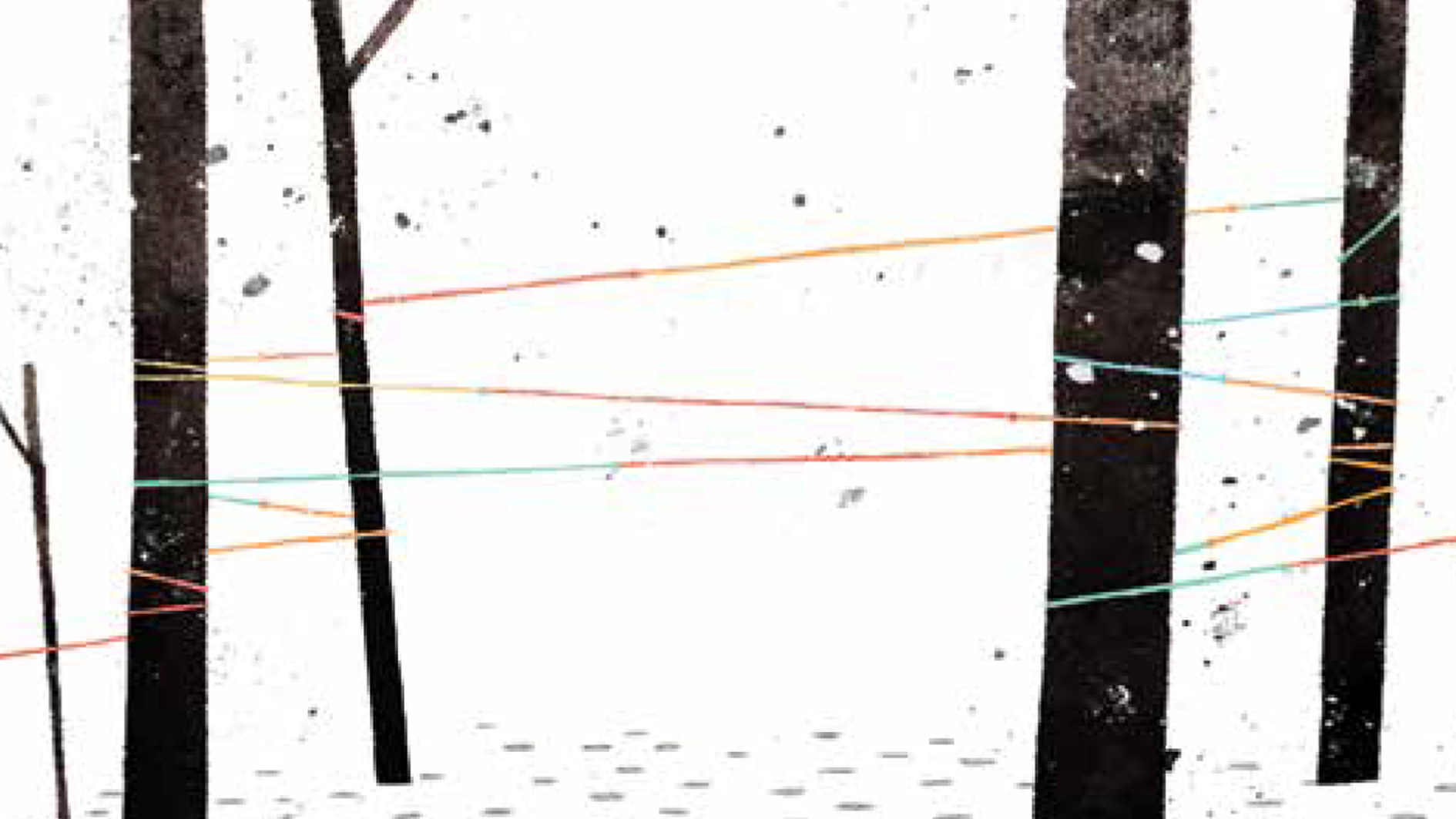
במפגש חוזר עם הספר אפשר לחזור לעמוד בו כתוב "ובן פסים של צל יש אור וכך רואים גם את הזמן." לפני עיסוק בסיפור מומלץ להעמיד מקל במקום מסוים החשוף לשמש. לצאת עם הילדים לחצר בשעות שונות של היום ולבדוק מה קורה לצל של המקל. אפשר לשאול את הילדים איך נוכל לזכור מה האורך?- לאפשר להם להציע דרכים שונות- לדוג' מדידה בסרגל, ציור על דף, שורת אבנים, חוט. כך מגלים כי מיקום השמש בשמים בשעות היום משפיעה על הצל. לאחר ההתנסות אפשר לחזור לעמוד בספר להתבונן באיור ולגלות יחד את שעון השמש המאויר. אפשר להסביר לילדים כי בעבר כאשר לא היו שעונים אנשים מדדו את הזמן בעזרת השינוי של הצל בכל חלק של היום.
להעשרה סרטון קצר המתאר מהו שעון שמש.
הילד מספר כיצד דודו רואה את היסודות – דברים פשוטים המתחברים. בהשראתו, תוכלו לבדוק יחד מהם היסודות של הדברים שאתם מכירים. הילדים יבחרו חפץ – למשל חולצה, כעת אפשר לחקור: ממה נוצרה החולצה? מבד. וממה נוצר הבד? מכותנה -ולגלות: גוש כותנה יכול להפוך לחולצה! בהמשך שאלו – האם יש דברים נוספים שהתחברו ויצרו משהו אחר?
מיני הדרכה לצוותים – ספר 4 לכיתת הבוגרים במעון, תשפ"ו – "דברים שאין"
כיצד לשלב את הספר באופן חווייתי עם ילדי וילדות הגן? מגוון רעיונות והעמקה שיהפכו את הקריאה לקסם!
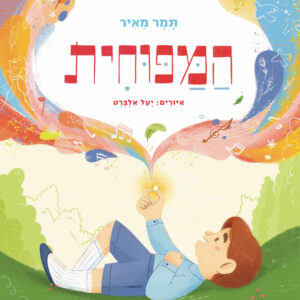
"גם בזמנים קשים מאוד – שמולק יכול לסמוך על המפוחיות שלו" – ומה עוזר לכם ברגעים קשים? תוכלו לשוחח ולשתף ברעיונות לעידוד כשקשה או עצוב: זו יכולה להיות מנגינה, חלום או אולי חיבוק ממישהו אהוב.
אילו מנגינות אהובות עליכם? כדאי לחפש ולהאזין ביחד למנגינות שנעים לכם לשמוע כשאתם עצובים או שמחים, מנגינות של בוקר, או כאלה שעוזרות להירדם. אפשר ליצור פסקול משפחתי של מנגינות אהובות ולהאזין לו כשמתחשק.
שמולק מניח את השיניים שנשרו בקופסה ואוסף אותן. גם אתם יכולים להכין קופסה, לקשט אותה ולהניח בה חפצים היקרים לליבכם, כמו אוצרות שמצאתם, או ציורים של חלומות שתרצו לממש בעתיד.
בית היתומים של יאנוש קורצ'אק וסטפה וילצ'ינסקה פעל שנים רבות לפני מלחמת העולם השנייה והיה מרכז חינוכי עשיר ומפותח שהשפעתו על החינוך נמשכת גם בימינו.
"לילד זכות לרצות… זכות להתפתח ולהבשיל, ולאחַר שהבשיל, להניב פירות."
[יאנוש קורצ'אק, "רגעים חינוכיים", כתבים, כרך א, "יד ושם", "הקיבוץ המאוחד" ו"בית לוחמי הגטאות", 1996, עמ' 119]
במרכז הספר עומד מסעו של ילד להגשמת חלומו. ההתמדה והנחישות שהוא מגלה לצד תמיכתם של מבוגרים מיטיבים מסייעות לו בהגשמתו.
להעשרה למורה – על דמותו של יאנוש קורצ'אק ועל משנתו החינוכית, משרד החינוך דמותה של סטפה וילצ'ינסקה ובית היתומים – סרטון "מורשת"-"בית עדוּת" סטפה וילצ'נסקה – המכון החינוכי הישראלי ע"ש יאנוש קורצ'אק.
שיתוף ההורים – כדאי ליידע את ההורים על קבלת הספר, לספר להם במה הוא עוסק – מסעו של ילד להגשמת חלומו – לשתף אותם בנעשה בכיתה ולעדכן אותם שהספר בדרכו הביתה.
הערה – בשל גילם של הילדים כדאי להתמקד בעולמו של הגיבור ולהימנע מלעסוק ביתמות, בשואה ובסופו הטרגי של בית היתומים; נושאים אלה נלמדים בכיתות גבוהות יותר, עם התבגרותם של הילדים.
בחירה – כדאי לבחור ממגוון הפעילויות את אלה המתאימות למורה ולכיתה.
"גם בזמנים קשים מאוד – שמולק יכול לסמוך על המפוחית שלו" – היכולות והחוסן ששמולק מגלה מסייעים לו להתמודד עם אתגרי החיים, מעוררים הזדהות איתו ומהווים השראה: הצבת מטרות, התמדה ונחישות מסייעות בפיתוח חוסן וביצירת משמעות. דמות מבוגר משמעותי ומיטיב – מבוגר שמאזין לילדים, מכבד את חלומותיהם ותומך בהם. מוזיקה לנפש – למוזיקה כוח מרפא, מרגיע ומשמח. היא נותנת ביטוי לרגשות ומעודדת תנועה. דחיית סיפוקים – בדומה לשמולק, שחסך כסף כדי לקנות מפוחית, ילדים לומדים לדחות סיפוקים בחיי היום-יום, בכיתה, עם חברים או בבית.
מידע מקדים – בית יתומים – כדאי לתווך לתלמידים את המושג ולספר כי בית היתומים שבסיפור היה מקום שגדלו בו ילדים שלא היו להם הורים, אבל יאנוש, סטפה וכל צוות העובדים דאגו להם לבגדים, לאוכל, לעזרה בלימודים, לחיבוק ולעידוד וחינכו את הילדים לאחריות, לעזרה בתחזוקת הבית ולערבות הדדית בין גדולים לצעירים מהם. מומלץ להציג בפני התלמידים את הדיוקנאות של המחנכים ושל שמולק כדי לתת תוקף לפן ההיסטורי של הסיפור. דיוקן שמואל גוגול
הטרמה – אפשר להשמיע לתלמידים נעימת מפוחית ולשאול אותם: האם אתם מזהים את כלי הנגינה? איך הכלי הזה נראֶה לדעתכם? אילו תחושות מעוררת בכם המוזיקה הזו? אפשר גם להראות להם תמונה של מפוחית או מפוחית אמיתית ולהתנסות בנשיפה.
קריאה ראשונה – כדאי לקרוא את הסיפור בקבוצות קטנות, כשלכל תלמיד עותק אישי משלו. כך יתאפשר לכל אחד לעקוב אחר הדמויות ולהבין אילו חלקים בסיפור מתרחשים במציאות ואילו בדמיון.
אפשרויות לקריאת הספר: קריאה רציפה בשני חלקים בשל אורכו. כדאי לקרוא עד החלק שבו שמולק חולם על מפוחית משלו, אך אינו יודע כיצד ישיג את הכסף. כאן תוכלו לעצור ולנהל דיון ניבוי: מה, לדעתכם, יעשה שמולק? ולמוחרת כדאי להיזכר בְּסיפור המעשה עד כה בהשתתפות התלמידים. לאחר הקריאה תוכלו לשאול שאלות הבנה – מה רצה שמולק ומדוע? היכן הוא חי? מי היה יאנוש קורצ'אק? ומי הייתה סטפה וליצ'נסקה? מה עשה שמולק למען הגשמת החלום שלו?
שיח רגשי – אילו רגשות עלו בכם כששמולק חלם על מפוחית? האם חשבתם שיצליח להגשים את חלומו? מדוע? מה הרגשתם כאשר הוא קיבל שתי מפוחיות? מדוע, לדעתכם, הוא קיבל שתי מפוחיות? אילו רגשות מעלה בכם הספר?
"שמולק ממשיך לחלום" – הַזמינו את התלמידים להתבונן באיור ושאלו: איך מרגיש שמולק ולמה? איך שמולק הרגיש, לדעתכם, עד שהצליח לחסוך מספיק כסף?
"הוא מנגן כשהוא שמח, הוא מנגן כשהוא עצוב, הוא מנגן לעצמו, הוא מנגן לאחרים. הוא מנגן כשטוב, הוא מנגן אפילו כשרע." תוכלו לכתוב את המשפט על הלוח ולהזמין את התלמידים לחפש אותו בספר. אפשר לשוחח ולשאול: מהי רואה שמולק במוזיקה? איך היא משפיעה עליו? איך היא משפיעה על מצב הרוח שלו? איך זה בא לידי ביטוי בכתוב ובאיור?
מוזיקה כהשראה – אפשר להשמיע לילדים מוזיקה בסגנונות שונים ולתת להם לצייר בזמן ההאזנה. אפשר גם לייחד זמן להאזנה דוממת ולבדוק יחד אילו תחושות מעוררת בהם ההאזנה, ואם הם מעוניינים להמשיך ולשלב מוזיקה בשגרת היום בכיתה.
שיתוף במנגינה אהובה – אפשר להזמין בכל בוקר תלמיד או תלמידה שישמיעו לכיתה שיר בעל משמעות עבורם ויספרו מדוע בחרו בשיר זה.
בהשראת שמולק, הזמינו את התלמידים לחשוב על חלום שיש להם והגשמתו תלויה בהם – משהו חדש שהם רוצים ללמוד או להכין (ולא חלום שהגשמתו אינה תלויה בהם, למשל, שיקנו להם משהו).
הזמינו אותם לצייר או לכתוב על דף את החלום ומסביבו את הדברים שכדאי, לדעתם, לעשות בשביל להגשים אותו. תיבת חלומות – אפשר להכין יחד תיבת חלומות שניתן לקחת הביתה ולהציע לתלמידים לרשום בתוכה את החלומות שלהם.
אפשרות נוספת היא לערוך בכיתה תהליך ארוך טווח ולבדוק מדי פעם אם החלום לקראת הגשמתו, אם הוא כבר התגשם, ואולי אם הילדים מעוניינים להחליף אותו בחלום חדש. כדאי לשתף בזוגות או בקבוצות קטנות.
פעוטות אוהבים להיות חלק מהסיפור: לחזור על מילים ועל צלילים שבספר או להציג את המעשים של גיבורי הספר. כך הם מזדהים עם הסיפור, מעשירים את עולמם הרגשי ורוכשים אוצר מילים ומושגים. לכן בזמן קריאה משותפת כדאי "לנגן" בחצוצרה, "לתופף" יחד בתוף בעזרת הידיים ו"לנצח" על מקהלה.
גילי מוצאת תפקיד שמתאים לה ומנצחת על התזמורת. בעקבותיה תוכלו לשוחח על התפקידים של הפעוטות בבית: מה הם יודעים ורוצים לעשות – לאסוף צעצועים? לטאטא רצפה? לעזור לערוך שולחן לארוחה?
לנגן ביחד כמעט כל חפץ יכול להיות כלי נגינה: אפשר למחוא כפיים יחד בקצב השיר או לאסוף כלי נגינה, קשקשנים וכלים שתמצאו. סיר עם כפות יכול להיות תוף, גליל נייר יכול לשמש כחצוצרה. אפשר גם לנסות להקיש על חומרים שונים ולבחון: אילו צלילים עולים מהקשה על עץ? על אריח רצפה? על מתכת? תוכלו להחליט על שיר אהוב ולנגן אותו יחד.
לנצח על תזמורת מי מנצח ומי מנצחת? – בזמן האזנה משותפת למוזיקה אהובה תוכלו להוסיף מקל קטן ו"לנצח" על הנגנים. אפשר לרקוד לצלילי המוזיקה ולהציג את הכלים השונים, ומדי פעם להתחלף בתפקידים.
מפגש ושיחה במעון לפני הקריאה – מי מנגן ומי מאזין? – כדאי להביא למפגש כלִי נגינה. הוא יכול להיות כלי צעצוע, כלי שהכנתם מסיר ומכפות, למשל, או כלי נגינה אמיתי שאחת מכן יודעת לנגן עליו. כדאי להאזין יחד למוזיקה ולאחר האזנה קצרה לשלב את כלי הנגינה ולהאזין לו משתלב בנגינה. בחירה – חשוב לשים לב שהמוזיקה מרגיעה ומהנה כדי לאפשר גם לפעוטות שרגישים לרעשים ליהנות מההאזנה. מי בא היום לכיתה? – בעקבות ההתנסות כדאי לספר כי היום מגיע ספר מיוחד המספר על… מוזיקה! המחשת הסיפור – בזמן קריאת הסיפור תוכלו להדגים את כלי הנגינה בעזרת תנועות ידיים: כך מכים על תוף וכך מנצחים על תזמורת. צלילים – כדאי להדגיש את הצלילים המופיעים בספר: "בים בם בום" לתוף, "פלינג פלנג פלום" לגיטרה, "טו טו" לחצוצרה. פעוטות שותפים לנגינה – גם הפעוטות יכולים לנצח כמו גילי ולפרוט על גיטרה כמו איתן, גם אם אין להם כלי נגינה. כדאי לעודד את כל הקבוצה "לנגן" בעזרת הידיים: לתופף, לחצרץ או לפרוט על גיטרה "בכאילו".
מוזיקה בחיי הכיתה מוזיקת מעבר – ניתן להשתמש בקטעי מוזיקה קבועים כדי לציין מעבר בין פעילויות, למשל לקראת ארוחת הבוקר או לקראת חזרה מהחצר לכיתה, וכך להקל על הפעוטות את המעברים. לפתיחת שעת סיפור אפשר לבחור בפתיח לפסקול של ספרי ספריית פיג'מה. מוזיקה ומצב רוח – מוזיקה היא העדפה אישית, מבטאת לא פעם את מצב הרוח ומשפיעה עליו. תוכלו להתאים אותה למצבים שונים בגן. אפשר לשאול את הפעוטות (ולהיעזר לשם כך בהורים) מה המוזיקה האהובה עליהם ולהשמיע אותה במפגש או בפעילות בקבוצות קטנות. מוזיקה או רעש? – כאמור, ישנם פעוטות הרגישים לצלילים גבוהים או רועשים. כדאי להתאים את הצלילים ואת העוצמה להעדפות רבות ככל האפשר.
כלי נגינה תוכלו להכיר כלי נגינה שמנגנים בהם במעון, כמו: משולש, תוף, מצילתיים, חלילית ומפוחית, להביט בהם ולבחון את צורתם, את החומר שהם עשויים ממנו ואת הצלילים שניתן להפיק מהם. איך מנגנים? – איברי גוף – אפשר לקשר בין כלי נגינה לאיבר שבעזרתו מנגנים: בתוף אנו משתמשים בידיים, בחלילית – בידיים ובפה, ובאילו איברים אנחנו משתמשים לנגינה במשולש או במפוחית? לאט-לאט – פעוטות מגלים את העולם ויכולים להשתהות ולבחון כלי נגינה אחד לאורך זמן, אפילו לאורך יותר ממפגש אחד. כדאי לאפשר להם לבחון שוב את החומר ואת הצורה של כלי הנגינה, למשש אותו, להאזין לו ולהפיק ממנו צליל. להעשרה – סרטון היכרות עם כלי נגינה. מנגנים בחפצים – בקבוק מים ריק עם אבנים קטנות יכול לשמש רעשן, מקל יכול לשמש מקל מנצחים, ומכסי סירים יכולים להפוך למצילתיים. אני מנגן וגם את מנגנת – כדאי לעודד שיתוף פעולה בעזרת השיר "אני מנגן על…" ולאפשר לפעוטות להחליף ביניהם כלי נגינה. מומלץ להעצים כל אחד מהנגנים ומהנגניות. השיר "אני מנגן" בביצוע עוזי חיטמן.
תזמורת במעון בעקבות הסיפור תוכלו לחלק לפעוטות כלי נגינה וליצור תזמורת שמחנכת מנצחת עליה. כדאי להתנסות בקבוצות קטנות וכך לאפשר לכל הפעוטות להיות גם מנצחי התזמורת, אם רצונם בכך. ניתן למחוא כפיים בקצב הניצוח ולהפסיק או להמשיך את המחיאות על פי הוראה של המנצחת על התזמורת. להעשרה – משחקים מוזיקליים – ילד מוזיקה – משחקים מוזיקליים
ביחד ולחוד בתחילת הסיפור הילדים מנגנים לבדם, ולאחר מכן הם מנגנים ביחד. כדאי ללמד את הפעוטות את המושגים "ביחד" ו"לבד" ולבחון איתם מה עוד עושים במעון לבד ומה עושים ביחד. לבד וביחד בחיי הכיתה – ביום-יום כדאי לשלב את המושגים "ביחד" ו"לבד", לדוגמה: "עכשיו כולנו עושים קבלת שבת ביחד"; "עכשיו כל אחד רוקד לבד, ועכשיו רוקדים ביחד".
אני יכולה! אני יכול! גילי לא רוצה לנגן, אבל מוצאת לעצמה תפקיד חשוב: להיות מנצחת על תזמורת! כמו גילי, לעיתים פעוטות לא מצטרפים לפעילות. לפעמים היא לא מוצאת חן בעיניהם, ולפעמים הם מחפשים לעצמם תפקיד שיתאים להם ושהם מרגישים שהם יכולים לבצע אותו. בעקבות הסיפור תוכלו לבקש מהפעוטות לספר מה הם יכולים לעשות: "אני יכולה לאסוף צעצועים", "אני יכול לעזור לסדר צלחות לארוחה", "אני יכולה להציע משחק לחבר"…
Toddlers like to be part of the story: Repeating words and sounds found in the book, or dramatizing the actions taken by the different characters. It is their way of identifying with the story, enriching their emotional worlds, and acquiring vocabulary and concepts. That is why, when reading together, you could “play” the trumpet, “beat” on a drum using your hands, and pretend you’re a choir conductor.
Gilly finds a job that suits her as the conductor of the orchestra. Following her decision, you too can discuss your toddlers’ roles at home: What can they do and what do they want to do? Pick up their toys? Sweep the floor? Help set the table for dinner?
Almost any item can become a musical instrument: You could clap together to the rhythm of the song, or collect any instruments, rattles, and utensils you can find. A pot with spoons can be a drum, a used roll of paper towels can be a trumpet. You could even try to tap various materials to find out what kinds sounds tapping wood makes? And what about tapping the floor? Or metal? You may enjoy picking one of your favorite songs and playing it together.
Are your toddlers conductors? While listening to your favorite music together, you could hold a small stick and “conduct”. Perhaps you could dance to the music, acting out the various instruments, and switch roles from time to time.
כדאי לשוחח ולשתף זה את זה בחוויות הזכורות לכם מרגעים בהם גיליתם יכולת חדשה: כתיבת השם הפרטי, ציור מיוחד שציירתם, ומה עוד? אילו יכולות חדשות תרצו עוד לגלות?
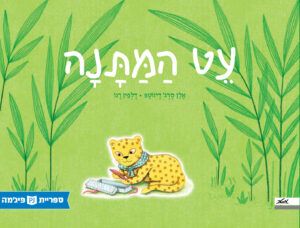
האיורים בספר "עט המתנה" מזמינים אותנו, הקוראים, "להיכנס" לספר ולעולמו של לאו: איזו חיה מלווה את לאו? אילו בעלי חיים מופיעים באיורים? אילו פרטים בסיפור לקוחים מעולם הילדים ואילו מעולם בעלי החיים? ואולי תרצו לצייר ציור משלכם בעקבות ציוריו של לאו?
אילו דברים נפלאים מחכים בעט שלכם? אפשר להקדיש מחברת לציורים, להעתקה של מילים ולכתיבה של מילים אהובות. זו יכולה להיות מחברת משפחתית בה כל אחת ואחד מכם מוסיפים איורים ומילים.
איזה עולם מסתתר בעט שלכם? – בעזרת דף ועט תוכלו לגלות! מישהו מבני המשפחה מתחיל בציור וכל אחת ואחד בתורם מוסיפים פרט לציור – קו, עיגול, דמות או פריט כלשהו – ויחד יוצרים יצירה שלמה שיצאה מתוך עט אחד!
כהטרמה לסיפור כדאי להביא עט, להראות אותו לילדים ולילדות ולשאול: מה זה? מה עושים בו? מה יש בו?
במהלך ההקראה תוכלו לעצור ולשאול: אילו דברים נפלאים אתם חושבים שיש בתוך העט?
בעקבות הסיפור תוכלו לשוחח על הגילוי של לאו:
אילו דברים נפלאים לאו גילה בתוך העט?
אילו דברים תרצו אתם להוציא מעט?
איורים – כדאי להתייחס לאיורים המיוחדים שבספר, המשלבים פרטים מעולם החי, סגנון איור אפריקני ופרטים מעולמם של בני האדם, ולשאול: אילו פרטים מגיעים מעולמם של בעלי החיים? אילו פרטים מגיעים מעולמנו, עולם בני האדם?
ניתן להתבונן באיורים אפריקניים נוספים ובתצלומי בדים מאפריקה, להשוות לאיורים שבספר ולהתנסות באיור בסגנון זה.
" מתוך העט שלו יוצא כל העולם" – תוכלו לשוחח עם ילדי הגן על עולמם ולשאול: מה כולל העולם שלכם? מה אתם אוהבים בו?
אפשר להניח בעמדת החומרים מגוון של עטים בצבעים ובעוביים שונים ולאפשר לילדים ולילדות להתנסות וליצור.
יצירה משותפת – אפשר ליצור יצירה משותפת בהשראת האיור שלאו מצייר בסוף הסיפור: כל ילד וילדה מציירים בעט את מה שהם אוהבים בעולם. לאחר מכן מחברים את כל היצירות לעולם מלא שאפשר לתלות בגן ולשתף בו את בני המשפחה.
יצירת משחקים – אפשר להציע לילדים ולילדות להכין משחקים שמשולבים בהם כתיבה וציור בעט, למשל: משחקי זיכרון או רביעיות.
כדאי לשוחח ולשאול: במה עוד אפשר לכתוב? במה אפשר לצייר? תוכלו לתת לילדי הגן להתנסות בכתיבה ובציור בדרכים שונות: בחול, בנוצה, בדיו או בקצף. רצוי לשתף בתחושות ובמחשבות בעקבות ההתנסות: במה אהבתם לכתוב או לצייר? האם זהו כלי כתיבה נוח לשימוש? האם הוא עדיף על שימוש בעט לדעתכם? מדוע?
לאו כותב עם אימו רשימת מילים. אפשר להציע לילדות ולילדים להתנסות בכתיבה שימושית בגן, למשל ליצור רשימת קניות, להכין כרטיסים למופעים או לחבר סיפור. אפשר לשוחח ולשאול את ילדי הגן איפה וכיצד ירצו להשתמש בעט בגן, לאילו מרחבים היו רוצים להוסיף עטים, ועל פי תשובותיהם להוסיף עטים שיוכלו לשמש אותם במשחק וביצירה.
לֵאוֹ הוא נמר. המילה "נמר" בלועזית היא "לֶפֵּרְד", ומכאן שמו. פרוותו של הנמר מכוסה כתמים הנקראים חֲבַרְבּוּרוֹת. המאיירת דֶלְפִין רֶנוֹ שילבה כִּתמי נקודות לאורך הספר באיורים השונים. אפשר לבדוק עם הילדים היכן הכתמים שציירה מופיעים.
תוכלו להציע לצוותי בתי הספר שהילדות והילדים יעברו ללמוד בהם להשתמש בספר כספר מעבר ולהביא אותו איתם לכיתה החדשה. נוסף על תחושת הביטחון שספר מוּכר מקנה, גם תוכן הספר מתאים לקריאה משותפת בתחילת כיתה א'.
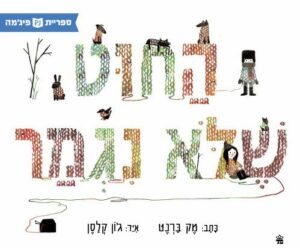
אנבל הייתה ילדה מאושרת. מה, לדעתכם, גרם לה אושר? כיצד אתם מרגישים כשאתם נותנים לאחרים? האם תוכלו לחשוב על דברים כמו החוט של אנבל – דברים שאתם יכולים לתת לאחרים פעמים רבות?
חוט הוא דרך ליצור משחק מסלול עם כלל אחד – "לא נוגעים בחוט!" איך משחקים? – יוצרים חוט ארוך מחבלים, משרוכים ומחוטים ומלפפים אותו סביב רהיטים וחפצים בבית. כך יוצרים מסלול מכשולים שצריך לעבור בלי לגעת בחוט: אפשר לדלג מעליו, לזחול מתחתיו או לבחור בכל דרך יצירתית אחרת.
אנבל סרגה עוד ועוד ויצרה אופנה צבעונית ומשמחת לכל תושבי הכפר. בעקבות אנבל תוכלו ליצור יחד בגד או פריט שהוא אופנה משפחתית משלכם. חִשבו איזה בגד מיוחד תרצו ליצור: זו יכולה להיות חולצה בצבע מסוים, סיכה מעניינת, צמיד או כובע מקושט, גרביים מיוחדים או בגד אחר שיהיה מקובל על כולכם.
אנבל אוהבת לסרוג. האם יש מלאכות שאתם – הורים וילדים – אוהבים לעשות במו ידכם? ואולי אחד מכם אוהב לבשל והאחרת אוהבת לפסל בפלסטלינה? כדאי לפנות לבני משפחה שונים ולשאול אותם על מלאכות שהם אוהבים ולבקש להצטרף אליהם ולהתנסות איתם במלאכות הללו.
הצעות למלאכה ויצירה עם חוטים תוכלו למצוא באתר ובדף ספריית פיג'מה בפינטרסט.
כדאי לשאול את התלמידים: מדוע החוט של אנבל אינו נגמר לעולם? מה מייצג החוט לדעתכם? אילו עוד דברים בעולם דומים לחוט של אנבל? למה כשהדוכס פתח את התיבה היא הייתה ריקה? אם הייתם מוצאים תיבה כזו – מה הייתם עושים בה? האם הייתם מוכרים לדוכס את התיבה שלכם?
ניתן ליצור חוט מקשר בכיתה: הָביאו כדור צמר לכיתה ובקשו מהתלמידים להעביר אותו לתלמיד הבא תוך כדי אמירת מילה טובה. לבסוף כולם יהיו קשורים זה לזה בחוט של צמר ובמילים טובות. כעת יש לשתף פעולה כדי לפרום את הסבך שנוצר…
כדי להמשיך באווירה חיובית אפשר לבקש מהתלמידים לכתוב על פתקית הצעות למעשים שיעשו טוב לחברים, לתלות את הפתקיות על חוט ארוך ולהזמין את התלמידים לקרוא אותן וליישם רעיונות שיבחרו.
כדאי לדון בשאלות הבאות: איך מחוללים שינוי? איך מוסיפים צבע לחיים? מה באפשרות כל אחת ואחד מאיתנו לעשות כדי להיטיב עם האחרים?
תוכלו לבקש מהתלמידים ומהתלמידות לחבר היגדים על נתינה או למצוא כאלה ברשת ולבקש מהם להביע את דעתם על נכונות כל היגד על ידי הרמת פתק "נכון" או "לא נכון"' ולהסביר אותה.
ניתן להביא לכיתה חוטים מסוגים שונים ובמרקמים שונים, לחוש אותם, להתנסות במגוון סוגי קשירה, לחשוב יחדיו למה החוטים משמשים (תפירה, רקמה, הכנת חבל), להדגים זאת ואף להזכיר ביטויים שיש בהם שימוש במילה "חוט", כמו "קצה חוט", "כחוט השַּׂערה" ו"חוט המחשבה".
הכירות עם סגנונות יצירה – בעקבות הסיפור אפשר ללמוד על ציירים מפורסמים מהארץ ומחו"ל. הילדים יכולים להתוודע לסגנונות היצירה של האומנים השונים, להשוות ביניהם ולחוות דעה אישית: איזה סגנון הם אוהבים יותר ואיזה פחות.
חגיגת מגוון הכישרונות של ילדי הגן! אפשר להכין לכל ילד כרטיסייה בצורת כבשה ולהזמין את ההורים לכתוב בהן על כישרון או על תכונה מיוחדת של ילדם. את הפתקים מקריאים בגן ומשתפים זה את זה בכישרונות הטמונים בכולנו. ניתן לתלות את הכרטיסיות על לוח קיר ולהוסיף להן כותרת, למשל: "הגן שלנו – עדר של כישרונות!" או "בתוך כל אחד מאיתנו יש שושה!"
משפחה מורחבת – איזה כיף לשושה בבית של סבתא! האם גם ילדי הגן אוהבים לבלות אצל הסבים או הדודים? במה הבילוי אצלם שונה מהבילוי בבית? אפשר לדבר על הקשרים המיוחדים הנרקמים עם המשפחה המורחבת )לפעמים גם חברים של ההורים הופכים להיות כמו משפחה(. אפשר להציע לילדים לצייר מכתב לסבים או לדודים ולשלשל את המכתבים יחד לתיבת הדואר.
הורה מתארח – האם אתם מכירים ציירים או מאיירים? אולי אחד מהורי הגן עוסק באומנות? זאת הזדמנות להזמין אותו לגן ולשמוע על חוויותיו ועל תהליך היצירה. לקראת הביקור הילדים יכולים להכין שאלות על החיים ועל העבודה של האומן האורח.
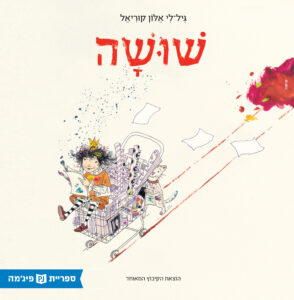
תיאטרון צלליות – הצללית של שושה נראית בעיניה כמו כבשה שחורה. אפשר להכין תיאטרון צלליות משלכם: מכינים דמויות של צלליות ומצמידים אותן למקלות ארטיק. תולים סדין לבן או מסך, מדליקים אור קטן ומציגים הצגה באמצעות צלליות. הנחיות תיאטרון צלליות לדוגמה תמצאו כאן.
ציור קיר משותף – הילדים וההורים יכולים לצייר יחד ציור גדול, שייווצר לאט-לאט במהלך שבוע בגן: מכסים לוח קיר בבריסטולים לבנים ומציבים לידו סלסילה עם צבעים מסוגים שונים. לאורך השבוע, כאשר ההורים מגיעים לגן בתחילת היום או בסופו, הם וילדיהם מוזמנים לצייר ציורים כיד הדמיון עד שהקיר מתמלא. ביום שישי אפשר לערוך קבלת שבת משותפת, ובתום המפגש לוקחים הביתה את הספרים לקריאה בחיק המשפחה.
איזה כיף לשושה בבית של סבתא! מה ילדיכם אוהבים לעשות עם הסבים או הדודים? אפשר לדבר על הייחודיות של הקשר עם כל אחד מקרובי המשפחה, ולתכנן ביחד את המפגש הבא שלכם.
ציירו ציור קיר משפחתי! לרוב לא ניתן לצייר על קירות, כפי שעושה שושה, תוכלו להצמיד לקיר או לדלת בבית גליון בריסטול ולצייר עליו. בכל הזדמנות תוכלו להוסיף עוד פרטים לציור הגדול, ואט אט תיצרו ציור קיר מיוחד של המשפחה שלכם.
כדאי לבקר עם ילדיכם בתערוכה בגלריה או במוזיאון. אֵילו ציורים מוצאים חן בעיניכם? האם אתם וילדיכם אוהבים אותן יצירות? תוכלו לבחור יצירות שאהבתם וללמוד על חייהם של האמנים שציירו אותן.
גלו איך זזות הצלליות שלכם. שושה מנופפת לשלום והכבשה בעקבותיה. תוכלו לצייר בגיר את הצללית של ילדיכם בחצר או על המדרכה, לחזור כעבור שעה ולעמוד שוב באותו מקום. כיצד הצללית זזה ומתארכת עם שקיעת השמש?
איך נוצרות הצלליות בלילה? שושה רואה בצללית שלה כבשה שחורה. אפשר לכבות את האור בחדר, להדליק מנורה קטנה ולבדוק אֵ ילו צלליות נוצרות על הקיר כאשר מציגים בינו לבין המנורה אצבעות או חפצים.
הסיפור כתוב בסגנון בלשי. סבתא אינה מגלה לנכדה אורי לאן הולכים, ולאורך הדרך הסופרות מפזרות רמזים מסקרנים. כדאי לקרוא את הסיפור בקול, לעצור את הקריאה באמצע ולשאול את הילדים מה לדעתם קורה. מומלץ להתייחס גם לעניינים הבאים: באיזה שלב בסיפור הילדים מבינים לאן סבתא ואורי הולכים? מי הם האנשים בחליפות השחורות? ומה יש בתוך המזוודות?
הרבה השתנה במדינת ישראל מאז הקונצרט הראשון בחולות תל-אביב. כדאי להתבונן יחד באיורים ולהשוות אותם למראה העיר כיום. האם התלמידים שמו לב לסוס ולגמל ברחובות תל-אביב? אפשר לבקש מהם למצוא את השוטרים הבריטיים ואת האוטובוסים מהעבר. האם הם גילו באיורים עוד רמזים לתקופה זו? כמו סבתא בסיפור, תוכלו להביא לכיתה גזוז בטעם משמש ולמזוג לילדים כוס משקה בטעם של פעם.
כדאי לשתף את המורה למוזיקה ולתכנן יחד פעילויות בעקבות הספר. אפשר להתמקד בכלי הנגינה, במבנה התזמורת וביצירות שנוגנו בהופעה הראשונה של התזמורת הפילהרמונית. רצוי לשאול בכיתה אילו ילדים לומדים לנגן, ולהציע לערוך קונצרט בכיתה או בפני כיתות אחרות בבית הספר. (כדאי למַנות סדרנים, להכין תוכנייה, להדפיס כרטיסים וכדומה כדי להבטיח שלכל ילדי הכיתה יהיה תפקיד בקונצרט.)
הסיפור של ברוניסלב הוברמן אינו מוכר לרבים, ואנחנו שמחים שנפלה בחלקנו ההזדמנות להכיר אותו לדור הצעיר! אנשים רבים עשו מעשים גדולים שדרשו אומץ לב רב, וסיפורם טרם סופר. אפשר להציע לילדים לחשוב עם הוריהם על דמות שהם מעריצים ולהכין בַּבית ספרון קצר עליה. את הספרונים ניתן להציג בתערוכה בכיתה או במסדרון בבית הספר. כאן ניתן להוריד תבניות מעוצבות להכנת ספרים אישיים.
סבתא ואורי יוצאים לבילוי משותף. לעיתים קרובות נוצר חיבור מיוחד בין סבים וסבתות לנכדים, השונה מהקשר בין הורים לילדיהם. בעקבות הסיפור אפשר לערוך מפגש עם סבים, סבתות ודודים, ולקראתו אפשר לבקש מהמשפחות להביא חפצים משנים עברו, תצלומים ישנים וסיפורים על בילוי משותף. כדאי להציע שלמפגש יוזמנו גם דודים וחברי משפחה מבוגרים כדי להבטיח שלכל משפחה יהיה ייצוג באירוע.
בעקבות הטיול של סבתא ואורי ברחובות תל-אביב הקטנה תוכלו להמציא משחק "חפש את המטמון" עם רמזים לאורך הדרך הקשורים לספרי ספריית פיג'מה שקראתם השנה ("גינה על חמור", "אספן המילים" ו"קונצרט בחולות"). בסוף המסלול אפשר לחלק לילדים מתנה – עותקים אישיים של "קונצרט בחולות". את העותק האישי ייקח כל ילד הביתה ויקרא עם ההורים.
כדאי לקרוא בספר יחד, לעצור את הקריאה ולשאול את ילדיכם, "מה לדעתכם קורה כאן?" באיזה שלב בסיפור הבנתם לאן הולכים הסבתא והנכד, מי האנשים בחליפות השחורות, ומה יש בתוך המזוודות?
הסבתא והנכד בסיפור יוצאים לבילוי משותף. לעיתים קרובות נוצר חיבור מיוחד בין סבים וסבתות לנכדים, שהוא שונה מהקשר בין הורים וילדים. האם אתם זוכרים בילוי משותף עם סבא או סבתא שלכם? אפשר לשתף את ילדיכם בזיכרונות הילדות שלכם ולשוחח איתם על הקשרים שלהם עם הסבים והסבתות או הדודים.
המחברות מתארות את הקונצרט בחולות באמצעות סיפור בלשי, שבו סבתא אינה מגלה לנכד לאן הם הולכים. בעקבות הקריאה תוכלו להציע משחק שבו ילדיכם מובילים אתכם לטיול, ואתם לא יודעים את היעד. ילדיכם יכולים להכין רמזים לאורך הדרך, בדומה למשחק 'חפש את המטמון'.
בקונצרט הראשון של התזמורת נוגנו יצירות קלאסיות של שוברט, ברהמס, מנדלסון ואחרים. לאיזו מוזיקה אתם אוהבים להאזין? האם בני המשפחה שלכם לומדים נגינה או מנגנים? בעקבות הסיפור תוכלו ללכת יחד לקונצרט ואף לערוך הופעה קטנה משלכם בחיק המשפחה. לקונצרט המשפחתי דרושים תפקידים רבים: נגנים, מנצח וגם קהל.
הסיפור של ברוניסלב הוברמן אינו מוכר לרבים. אנשים רבים עשו מעשים גדולים של אומץ לב וסיפורם טרם סופר. נסו לחשוב על אישיות היסטורית שהכרתם או ששמעתם עליה, שאת סיפורה הייתם רוצים לחלוק עם הילדים. תוכלו להכין ספר קצר על הדמות ולשלוח אלינו.
המלצת הסופרת – יצירת ספרונים "נפגשים באמצע הדרך": שהם סמיט ממליצה גם לתלמידים ליצור ספרים על חברות ויצירה. לוקחים שלושה דפים בגודל A4 ומקפלים אותם לשניים. כל אחד מתאר מפגש מקרי והידידות, האהבה או היצירה שצמחו מהמפגש (למשל, שני ילדים שנפגשו בגן והפכו לחברים טובים, היכרות עם חבר או חברה בחוג או בקייטנה, אפילו על גבר ואשה שהגיעו כל אחד מארץ אחרת, נפגשו ויצרו משפחה). קו האמצע של הספרון משמש חייץ בין חיי הדמויות, לפני ואחרי המפגש ביניהם.
שרים יחד: כאן
תמצאו קישור לביצוע שלו, עם תמונה של השיר כפי שהוצא לאור לראשונה, בעיתון "דבר לילדים", בפברואר 1940. כדאי ללמוד את מילות השיר ולשיר אותו יחד!
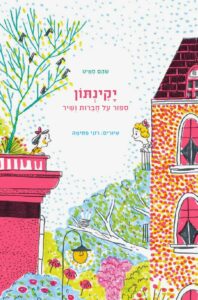
הסיפור מאחורי השיר: כדאי לצפות עם התלמידים בראיון עם רבקה גווילי (החל מהדקה 19.50 בתוך הקלטה), בו מספרת רבקה על הידידות שלה עם לאה גולדברג ועל השיר "פזמון ליקינטון". סקרנים לשמוע עוד הסיפורים שמאחורי השירים? תכלו למצוא עוד דוגמאות באתר התכנית "שיר של יום" של משרד החינוך.
חקר על הפרח יקינתון: היקינתון המזרחי פורח בימים אלה ממש בגליל העליון והתחתון, בכרמל בחרמון. אולי אחד התלמידים ראה אותו בטיול? כדאי לעודד פעילות חקר על הפרח. מידע בוטני, וסיפורי עמים מעניינים על הפרח תוכלו למצוא באתר צמח השדה
מציירים בהשראת הכריכה: באיורי הספר בולט השימוש בטכניקה של נקודות צפופות. בשיתוף עם המורה לאומנות אפשר להציג לתלמידים ציורים של אמנים שיצרו בסגנון זה, הנקרא בלועזית "פוינטליזם". גם התלמידים יכולים להתנסות בציור בסגנון: מציירים בעזרת עיפרון ציור, ואחר כך בעזרת צבעי מים ומקלות אוזניים צובעים את הציור בטכניקה של נקודות, נקודות. תוכלו לתלות תערוכה על הקיר בעקבות הספר.
בחיבור לנושא השנתי: "שומרים על האחדות שומרים על הייחודיות", הצטרפו למיזם השנתי: "הסיפור שלי הסיפור של כולנו!"
"לילה לילה": האם שרו לכם את השיר "פזמון ליקינתון" מילדותכם? אילו שירים שמעו ילדי הכיתה לפני השינה? אפשר להזמין את ההורים והתלמידים לערב שירי ערש, בו ישירו יחד שירי ערש מארצות שונות, של פעם ושל היום. תוכלו גם לבקש מכל משפחה לתרום שיר ערש וליצור יחד שירון של הגן. כאן
תוכלו להוריד תבנית מעוצבת לספר שירי ערש של הכיתה. אל תשכחו להוסיף בו גם את השיר שלכם!
כדאי לחפש באיורים רמזים להבדלים ולדמיון בנסיבות החיים של לאה ורבקה. תוכלו לקרוא או לספר את הסיפור יחד ולחלק ביניכם תפקידים: אחד מספר רק את סיפור חייה של לאה, והשני – את של רבקה.
לאה ורבקה שלטו בשפות רבות, ובהן שפת המוזיקה ושפת הציור! אפשר לבחור מילה, רגש או חפץ ולחשוב על דרכים שונות בהן ניתן לבטא אותם – במילים, בתנועה או בציור.
מה יודעים ילדיכם על שנות הילדות שלכם? אפשר לקבוע זמן ל"מפגש היכרות מחדש" ולהזמין את הילדים לשאול אתכם שאלות. תוכלו להכין ספרון ביוגרפי משותף ובו ציוני דרך במסלול החיים שלכם ושל ילדיכם..
האם אתם מכירים יצירות נוספות שכתבה לאה גולדברג? אפשר לחפש בבית או בספרייה עוד סיפורים שלה, כמו "המפוזר מכפר אז"ר", "מר גוזמאי הבדאי", "ניסים ונפלאות", ועוד.
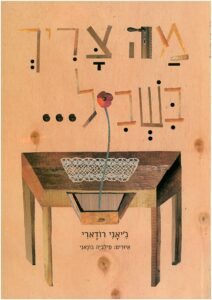
רצוי להציג את הספר בקבוצות קטנות. בטרם קריאת הספר כדאי להתייחס לכריכה. האם שמתם לב לפרח שצומח בתוך שולחן העץ? מה בא קודם, הפרח או השולחן? כדי להרגיש בדרך נוספת את המחזוריות של הטבע, ניתן לקרוא את הספר הפוך, מהסוף להתחלה.
כדאי לאפשר לילדים להתבונן לבד באיורים המיוחדים ולגלות אט-אט את הפרטים הרבים בדפי הספר. ניתן לכוון אותם לעיין מקרוב: מה מצולם ומה גזור? האם הם מכירים את כל החפצים שבתמונות? ניתן להציע להם לחפש את כל הדברים שעשויים מעץ. למשל, האם הם שמו לב לצורת האותיות?
אילו עצים נמצאים בסביבת הגן? אפשר להזמין את ההורים לטיול משפחות ולהתפעל יחד מיופי הבריאה והטבע. בדרך אפשר לאסוף זרדים ועלים מיוחדים, מהם ההורים והילדים יוכלו ליצור ספרונים מעשי ידיהם שמתארים "מה צריך בשביל…".
אפשר לשוחח עם הילדים על צמחייה, ועל העצים שהם מכירים. אילו עצים יפים בעיניהם? אילו עצים מניבים פרי ואילו לא? אפשר לשוחח על הדרכים השונות שבהן ניתן ליהנות מזנים שונים של עצים.
אפשר לשחק משחק "ממה עשוי…?": כל אחד בתורו חושב על חפץ בחדר (רהיט, כלי מטבח, צעצועים…) ומצהיר: "אני חושב/ת על משהו שעשוי מ…". על הילדים האחרים לנסות לנחש מהו החפץ.
לעתים קרובות ילדים צעירים שואלים שאלות כמו "מה צריך בשביל…?". אנחנו לא תמיד יודעים את התשובות, ולפעמים שאלות הילדים אינן נוחות לנו – ובכל זאת, רצוי לעודד אותם לשאול. עצם השאלות התמימות של הילדים, עצם ביטויי הפליאה שלהם, מזכירים גם לנו המבוגרים להאט את הקצב, להתבונן סביב וליהנות מהטבע והיצירה.
"מה צריך בשביל…" הוא הספר הראשון לשנה זו. כמו כל הספרים שיחולקו השנה, כדאי לדאוג לזמינות של עותקי הספר שנמסרים לספריית הגן כדי שאת והילדים תוכלו לחזור אליהם. בפרט רצוי להיזכר בו ובברכת האילנות עם בוא האביב בחודש ניסן. אפשר לקרוא עוד על ברכת האילנות כאן.
כדאי לשבת עם ילדיכם ולגלות יחד אט-אט את הפרטים הרבים בדפי הספר. האם שמתם לב לאותם הפרטים? האם גיליתם משהו מפתיע או מצחיק בתמונות? אפשר לשאול את ילדיכם האם הם מכירים את כל החפצים שבתמונות? מה מצולם ומה גזור? ניתן לדפדף בספר ולחפש את כל הדברים שעשויים מעץ. למשל, האם שמתם לב לצורת האותיות?
כדאי להתייחס גם לכריכה של הספר. האם שמתם לב לפרח שצומח בתוך שולחן העץ? מה בא קודם, הפרח או השולחן? כדי להרגיש בדרך נוספת את המחזוריות של הטבע, ניתן לקרוא את הספר הפוך, מהסוף להתחלה.
ברכת האילנות מזכירה לנו לעצור וליהנות מהטבע. אפשר לשוחח יחד על צמחייה, ועל העצים שאתם מכירים. אילו עצים יפים בעיניכם? אילו עצים מניבים פרי ואילו לא? אפשר לשוחח על הדרכים השונות שבהן ניתן ליהנות מזנים שונים של עצים.
גם אתם יכולים להכין ספרון שמספר את הסיפור "מה צריך בשביל…": גוזרים או קורעים יחד תמונות וצילומים מתוך עיתונים או שבועונים ישנים. מדביקים את גזרי התמונות על דפים לבנים, מחוררים ומקשרים את הדפים בחוט, ומרכיבים מהם ספרון. האם גם בספרון שלכם יש פרחים ועצים?
האם ילדיכם יודעים ממה עשויים המאכלים שהם אוכלים, הבגדים שהם לובשים, הספרים והצעצועים שלהם? בעקבות הספר כדאי לעודד ולאפשר שאלות על מקורם של חפצים יומיומיים. עיסוק בתהליך היצירה – גם אם לא תמיד אנו יודעים את התשובה – עשוי להרחיב את עולם הידע ולהגביר את מידת ההערכה וההוקרה של הילדים – וגם שלנו!
אפשר לשחק משחק משפחתי "ממה עשוי…?": כל אחד בתורו חושב על חפץ ביתי (רהיט, כלי מטבח, צעצועים…) ומצהיר: "אני חושב/ת על משהו שעשוי מ…" על האחר לנסות לנחש מהו החפץ.
אנו מאחלים לכם קריאה מהנה ושיחה נעימה!
כמו גיבורת הסיפור, גם ילדי הכתה מצפים לתחפושת שתאפשר להם להרגיש מלכים ליום אחד ותעניק להם הזדמנות להגשים חלום. ניתן לשוחח עם התלמידים על התחפשות ועל חלומות.
אפשר לבקש מהילדים לשוחח עם הוריהם על חג פורים בצעירותם. האם זכורה להם תחפושת מיוחדת? האם התחפושות נתפרו במיוחד, או נרכשו בחנויות? מה היו התחפושות הפופולריות? אפשר לבקש מההורים לשלוח תמונות של עצמם כילדים בתחפושת פורים. הכיתה יכולה גם ליזום שוק קח-תן של תחפושות.
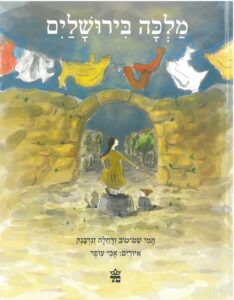
מלכה נכנסת לבצלאל ומתגלה לעיניה עולם קסום של יצירה: אריגה, פיסול, תפירה, ציור, צורפות ועוד! כדאי לעבוד יחד עם המורה לאמונות ולהעניק לתלמידים הזדמנות להתנסות בסוגי יצירה שונים, למשל אריגה עם חוטי צמר, או צורפות באמצעות חוטי מתכת.
את יצירות הילדים ניתן להציג בתערוכת אמנות בכיתה או בחלל פתוח בביה"ס.
אפשר להזמין אומן או יוצר למפגש עם התלמידים. כדאי לברר בקרב הילדים, האם יש הורים או סבים שעוסקים באמנות? אולי הם אפילו למדו ב"בצלאל"? אפשר להזמינם לשתף את הכיתה בשיחה ופעילות.
כמו בצלאל המקראי, בוריס שץ היה "חכם לב": בזמן שעסק בסיתות הוא הבחין במלכה ובעיניו הטובות עודד אותה ודאג לעזור להגשים את חלומה. ניתן לשוחח עם התלמידים על אנשים חכמי לב, ולזהות את "חוכמת הלב" שבחבריהם. יושבים במעגל, כל אחד בתורו מעביר לב (מבריסטול, או כל חומר אחר) לחבר שיושב לצידו ומציין מעשה שעשה שמעיד על חכמת לב.
בעמוד האחרון של הספר מופיעה תמונה של המפגש בין מלכה לאמה, שצייר בוריס שץ. התלמידים יכולים להתבונן בציור ולהציג בזוגות המשך לסיפור – איך מגיבה אמא של מלכה כשהילדה חוזרת הביתה לבושה בבגדי מלכה?
הסיפור מתרחש על רקע העיר ירושלים. איזה מאפיינים של ירושלים ניתן לראות באיורים? האם ירושלים נראית כך גם היום? מה השתנה בה? לאורך הדורות ציירו אמנית את העיר ירושלים. ניתן להעמיד תערוכה של ציורי ירושלים בחלל מרכזי (או להציגם בכתה במצגת), ולערוך שיח-גלריה עם התלמידים על פניה השונות של ירושלים בעיני אומנים שונים.
ילדים רבים אוהבים להתחפש, ולא רק בפורים! אפשר להכין תחפושות מבגדים, צעיפים ואביזרים שיש בבית ולערוך מסיבת תחפושות משפחתית. האם זכורה לכם תחפושת מיוחדת מילדותכם? אולי גם אתם התחפשתם למלך או למלכה? תוכלו לשתף את הילדים. אפשר לדפדף באלבומים ישנים ולהיזכר בתחפושות העבר של ההורים, האחים והילדים.
גם היום יש ילדים רבים שזקוקים לתחפושות לקראת פורים. האם יש אצלכם בבית תחפושות שאין בהן צורך? תוכלו לתרום אותן או לארגן בבית הספר או בשכונה יריד תן-קח של תחפושות יד-שנייה.
הרבה השתנה ברחובות ישראל מאז הוקם בית הספר "בצלאל". כדאי להתבונן יחד באיורים ולהשוות אותם להווי החיים של היום: האם היום מותר לטייל לבד בחוץ? האם במקום מגוריכם עדיין יש שבילים ללא מכוניות או רמזורים? כדאי לדבר עם הילדים ולהדגיש בפניהם שהסיפור הוא דמיוני. תוכלו להסביר כי ספרים, כמו סרטים, לרוב שונים מהמציאות, ושאסור לילדים ללכת לטייל עם אדם זר.
מלכה מגלה בבניין של "בצלאל" אמנים העוסקים בסוגי אמנות שונים: אריגה, צורפות, ציור. באילו אמנויות אוהבים ילדיכם לעסוק? בסיפור כל אחד מהציירים מצייר את מלכה בסגנון קצת אחר. אתם יכולים לנסות לצייר דיוקנאות של בני המשפחה שלכם. האם גם לכם קשה לא לזוז? האם אתם מזהים את עצמכם בדיוקנאות שציירתם?
בית הספר "בצלאל" מוכר וידוע היום בישראל, אבל את שמו של בוריס שץ לא כולם מכירים. אנשים רבים עשו מעשים גדולים ולא תמיד זוכרים אותם. נסו לחשוב על אישיות היסטורית שהכרתם או ששמעתם עליה, ואת סיפורה הייתם רוצים לחלוק עם הילדים. תוכלו להכין ספר קצר על הדמות ולשלוח אלינו.
כדאי לעודד את הילדים לחלום, ובגדול! אפשר לשאול את ילדיכם מהם החלומות שלהם, ולשתף אותם בחלום שאתם הגשמתם, או בחלום שאתם עדיין שואפים להגשים. אולי, כמו הילדה מלכה וכמו בוריס שץ, גם החלומות שלכם יתגשמו!
אנו מאחלים לכם קריאה מהנה ושיחה נעימה!
בצלאל בן אורי קיבל מאת משה רבנו את משימת תכנון המשכן. הוא מתואר כאיש "חכם-לב", מלא "רוּחַ אֱלֹהִים, בְּחָכְמָה וּבִתְבוּנָה וּבְדַעַת וּבְכָל-מְלָאכָה" (שמות ל"א). בוריס שץ קרא על שמו לבית הספר לאמנויות שהקים בירושלים.
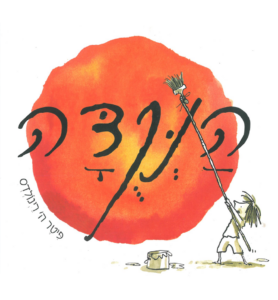
תוכלו לחלק לכל תלמיד דף נייר עם נקודה מצוירת באמצע הדף ולהציע לילדים להמשיך את הציור כראות עיניהם. את הציורים השונים ניתן להציג בתערוכה על לוח קיר "כל יצירה מתחילה בנקודה קטנה…".
על מנת לאפשר שיחה פתוחה עם התלמידים, כדאי לקרוא את הספר בקבוצות קטנות. תוכלו לעצור את הקריאה במקום בו עמליה אומרת "אני פשוט לא יודעת לצייר" ולחשוב יחד: מה תעשה עמליה? איך אפשר לעזור לה? האם קרה לכם דבר דומה?
כולנו מסוגלים להרבה יותר ממה שנראה לנ.ו. בעקבות הסיפור כדאי לשוחח על תחומים בהם כל אחד מרגיש שהוא מצליח. התלמידים יכולים להציג בפנטומימה את תחומי החוזק שלהם, ועל חבריהם לנסות לנחש מהו הדבר. אפשר גם לשתף אחד את השני באתגרים ודברים שאתם רוצים ללמוד. פותחים במשפט "הבעיה שלי שאני פשוט לא יודע/ת ל…", ויחד מעלים רעיונות, הצעות ומילות עידוד.
אפשר לשוחח על "סוד הקסם" שעזר לעמליה להאמין ביכולת שלה לצייר. מה גרם לה להאמין בעצמה, ואיך היא עזרה לילד שהיא פגשה בתערוכה להאמין בכישרונו? מה לדעתכם קרה אחרי שהילד חתם על הציור שלו? תוכלו לנסות להמשיך את הסיפור.
הסיפור מדגים את כוחן של מילות עידוד וחיזוק. אפשר להכריז בבית על "מבצע עידוד": גוזרים פתקים בצבעים ובגדלים שונים, וכל בני הבית כותבים עליהם מילים ומשפטים מעודדים. את הפתקים תולים במקומות שונים בבית: על המקרר, על הראי באמבטיה, בתוך הילקוט, מתחת לכרית… כשהביטחון העצמי יורד והחששות עולים, צריך רק להרים את העיניים ולהיזכר שמאחורי כל אחד מאיתנו עומדת להקה של "מעודדים צמודים".
כל ציור מתחיל בנקודה:
אפשר לקחת דף חלק וצבעים ולצייר ציור משותף – ההורה מתחיל ומצייר נקודה, אחריו הילד מוסיף פרט, ואחריו ההורה, וכך הלאה. לבסוף יתקבל ציור משותף שכל אחד מכם תרם לו מעט, והכול התחיל מ… נקודה.
כל יצירה, גם קטנה כמו נקודה, יכולה לגדול ולהתפתח לתערוכה שלמה. כדאי לבקר עם ילדיכם בתערוכת ציורים בגלריה, בהיכל תרבות או במוזיאון, לבחור יצירה שאהבתם ולנסות להיכנס לנעליו של האמן שיצר את היצירה:: מאיזו נקודה הוא התחיל? מה ביקש להביע בציור?
מתגברים על קשיים:
"רק תעשי סימן ותראי מה יקרה," אומרת המורה לעמליה. אתם יכולים להיזכר יחד בהישגים שלכם ושל ילדיכם, שפעם נראו בלתי אפשריים. כיצד הצלחתם להתגבר על הקשיים שבדרך? האם מישהו עודד אתכם? כדאי לשתף את ילדיכם בדמות שעודדה אתכם להאמין בעצמכם.
כל טיפוס על הר גבוה מתחיל בצעד קטן. מה הם היכולות והכישרונות שאתם רוצים לפתח? האם מישהו מבני המשפחה יכול לעזור לכם לפתח אותם או חלק מהם? מה אתם יכולים כבר כיום ללמד אחרים? את מי אתם יכולים לעודד?
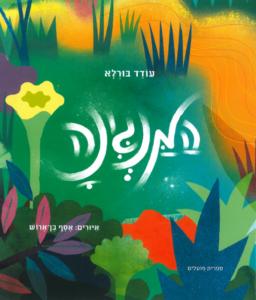
כל אחד יחיד ומיוחד: כמו המנגינה, כולנו רוצים שיאזינו לנו, ירצו בנו ויכירו בערכנו ובייחודיות שלנו. הסיפור יכול להוות מפתח לשיחות עם ילדי הגן על הרגשות, הקשיים וההצלחות הקשורים בחיפוש אחר קשר עם אחרים. כדאי לקרוא את הספר בקבוצות קטנות, כדי לעודד שיחה חופשית בנושאים שעשויים להיות רגישים עבור חלק מהילדים.
יש לי ניגון מיוחד משלי – ספר המנגינות של הגן: ניתן להכין אלבום שבו לקט של שירים אהובים על ילדי הגן ומשפחותיהם. כדאי לשתף את ההורים ולהזמין אותם לבחור עם ילדיהם את אחת היצירות שאהובות עליו ולכתוב עליה: מי שר אותה בבית, מתי וכד. ניתן לצרף קישור ליוטיוב או לכתוב את השורות האהובות על הילד, והילד יוכל לקשט את הדף.
המחזת הסיפור: העלילה הפשוטה של הסיפור מזמנת המחזה במגוון דרכים: תאטרון בובות ומגוון דרכי הצגה של ילדי הגן בקבוצות קטנות או במליאה. תוכלי להזמין את הילדים להמציא מגוון דמויות נוספות אותן פוגשת המנגינה בחיפושיה.
שיר ערש, המנגינה שבלב: אפשר להזמין את הילדים לחפש את התמונה בסוף הספר בה מצויירים אמא עם תינוק. האם הורי הילדים שרים לילדים שירי ערש לפני השינה? האם את זוכרים שירי ערש ששרו לך בילדותך, או ששרת עם ילדייך? אפשר להזמין הורים או סבים לבקר בגן ולשיר עם הילדים שירי ערש מרגיעים – גם בשפות שונות!
תזמורת של ילדי הגן: המנגינה בסיפור מנגנת ללא ליווי, אבל לעתים רבות מוסיקה נעשית באמצעות כלי נגינה. בעקבות הספר אפשר להכין כלי נגינה מחומרים שונים ולערוך קונצרט סוף השנה להורים. האם בקרב המשפחות יש הורים או אחים שמנגנים בכלי או שרים במקהלה? אפשר להזמין אותם לגן.
איך שיר נולד: תוכלי להעשיר את ילדי הגן בשירים וסיפורים העוסקים בשירה ונגינה, כמו 'מקהלה עליזה' (לאה נאור ונורית הירש), 'איך שיר נולד' (יהונתן גפן ויוני רכטר) ואחרים.
בעברית מילים רבות הקשורות לשיר: מנגינה, לחן, זמר, מזמור, וגם- נעימה, פזמון, ניגון, שירה ועוד. ריבוי המילים מעיד על חשיבות המוזיקה לחיינו. אפשר לשוחח עם הילדים על העדפות במוסיקה, על סגנונות שונים, על שירים עם מילים וניגונים ללא מילים. הספר מזמן חשיבה מחודשת על מקומה של מוסיקה בגן: אלו שירים אנו שרים ומתי, האם את משמיעה מוסיקת רקע במהלך היום? מיהם הילדים בגנך שעבורם המוזיקה היא הערוץ העיקרי להנאה ושמחה, לתקשורת עם אחרים וללמידה משמעותית?
סופר, משורר, צייר ומאייר ישראלי. נולד בירושלים למשפחה ספרדית שחיה יותר משלושה-עשר דורות בארץ. אביו, יהודה בורלא, כתב ספרים למבוגרים וזכה בפרסים רבים. עודד בורלא למד בבית הספר החקלאי במקווה ישראל ולאחר מכן בבית הספר לאמנות בצלאל. ספרו הראשון התפרסם כשהיה בן 45 ומאז כתב ואייר יותר משבעים ספרי ילדים, שבהם מופיעים, לדבריו, 346 בעלי חיים שונים! בורלא מכונה אבי הנונסנס (אי-גיון) בספרות הילדים העברית. ספריו מלאים הומור מתוחכם וצירופי לשון מפתיעים ומשעשעים. עודד בורלא זכה בפרסים על יצירתו: פרס זאב, פרס אקו"ם ופרס ביאליק.
איך מציירים מנגינה? כדאי לשים לב כיצד בחר המאייר אסף בן ארוש לאייר את המנגינה, כיצד היא משתנה לאורך הסיפור. הציעו לילדיכם לצייר יחד איתכם את המנגינה שלכם.
עודד בורלא כתב ואייר ספרי ילדים רבים, בהם האוסף "חיוך בכל פינה" ו"הספר הגדול של עודד בורלא". כדאי לחפש בספרייה וברשת האינטרנט יצירות מפרי עטו וליהנות מהן ביחד.
הסיפור פשוט וקל להמחזה. תוכלו להציג אותו יחד עם ילדיכם. הילד משחק את המנגינה ובני הבית מציגים את היצורים השונים. אפשר לשלב בהצגה דו-שיח שבו מסבירה המנגינה ליצורים השונים מדוע כדאי להם לשיר.
שירת העשבים. ההר בסיפור לא רוצה את המנגינה כי "הרים לא שרים". לעומת זאת העצים בסיפור אומרים למנגינה: "יש לנו שירים משלנו". לפי ר' נחמן מברסלב: "כל עשב ועשב יש לו שירה". כלומר, לכל יצור בעולם יש קול ומנגינה משלו. נעמי שמר חיברה שיר נפלא על פי "ניגון העשבים" של ר' נחמן מברסלב. מומלץ להקשיב לו ולשיר אותו.
סופר, משורר, צייר ומאייר ישראלי. נולד בירושלים למשפחה ספרדית שחיה יותר משלושה-עשר דורות בארץ. אביו, יהודה בורלא, כתב ספרים למבוגרים וזכה בפרסים רבים. עודד בורלא למד בבית הספר החקלאי במקווה ישראל ולאחר מכן בבית הספר לאמנות בצלאל. ספרו הראשון התפרסם כשהיה בן 45 ומאז כתב ואייר יותר משבעים ספרי ילדים, שבהם מופיעים, לדבריו, 346 בעלי חיים שונים! בורלא מכונה אבי הנונסנס (אי-גיון) בספרות הילדים העברית. ספריו מלאים הומור מתוחכם וצירופי לשון מפתיעים ומשעשעים. עודד בורלא זכה בפרסים על יצירתו: פרס זאב, פרס אקו"ם ופרס ביאליק.



 דברים שאין
  המפוחית
  מוזיקה
  עט המתנה
  החוט שלא נגמר
  שושה
שושה 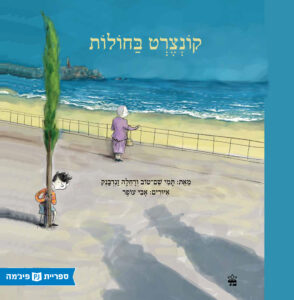 קונצרט בחולות
  יקינתון
  מה צריך בשביל
  מלכה בירושלים
  הנקודה
  המנגינה