"כי בלי חיות - איך אפשר לחיות?" שאל ע. הלל, ואכן, בצד האהבה והשמחה בחיות, ישנה גם דאגה לשלומן ולקיומן. ספרים אשר עוסקים באימוץ של בעל חיים או טיפול בחיה פצועה יכולים להרחיב את הלב ולעודד אמפתיה ואחריות כלפי עולם החי הסובב אותנו.
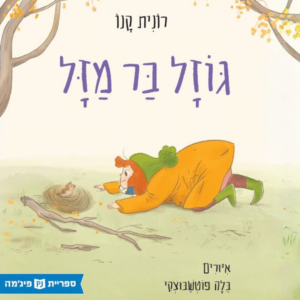
מה עושה בעיניכם מישהו בר מזל? במה אתם בני מזל? תוכלו לבחור זמן קבוע (למשל אחרי הקריאה או בארוחת הערב), ובו יספר כל בן משפחה מה גרם לו להרגיש בר מזל היום.
שחקו משחק דמיון, ובו כל אחד אומר משפט שמתחיל ב"איזה מזל!" נסו לשלב התרחשויות מפתיעות ומשעשעות כמו "איזה מזל, החלקתי מהנדנדה, וככה מצאתי חרוז נוצץ בחול!"
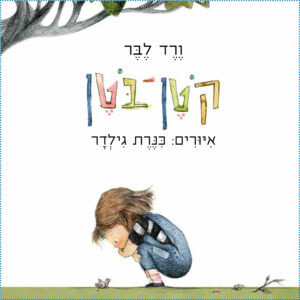
קריאה משותפת בספר יכולה לעורר בילדים מחשבות רגשות ותחושות: כמו הגוזל, הם יכולים לחוש קטנים ושבריריים; וכמו אפרת, הם עלולים להרגיש שלא מבינים אותם, או להיות נחושים להמשיך ולעשות את מה שנכון בעיניהם. כדאי לשבת יחד קרוב, וללוות את הקריאה במגע מלטף ומרגיע: המגע מקרב בין הילדים להורים ומחזק אצל הילדים את האמונה שיש מי שתומך בהם וקשוב לרגשות שהספר מעלה בהם.
קוטן בוטן גדל, ואפרת, שמגלה עצמאות ואחריות, גדלה גם היא. תוכלו לשוחח ולשאול את הילדים במה הם גדולים ואחראים יותר משהיו בעבר – האם, למשל, הם מטפלים בבעל חיים? מבצעים פעולות בעצמם? עוזרים בבית ולחברים? תמיד כדאי להזכיר לילדים תחומים שבהם אתם, ההורים, רואים שהם התפתחו וגדלו, וכך לתת לילדים הרגשה טובה ולחזק את תחושת הביטחון שלהם.
גם אתם יכולים לעזור לבעלי החיים בסביבתכם: אפשר להכין תחנת האכלה לציפורים ובה פירורים, להניח קערת מים לחתולים, להכין שלט שמגן על קן נמלים, או לחשוב יחד על עזרה משלכם לבעלי החיים שבסביבה.
הטרמה – לפני הקריאה כדאי לשאול את הילדים: מה ההבדל בין גוזל לציפור? ולהסביר שגוזל הוא כמו התינוק של הציפור. כשהוא נולד הוא עוד לא עצמאי והוא צריך שיאכילו אותו ושישמרו עליו. תוכלו להראות תמונה של גוזל של ציפור דרור, הציפור שבסיפור.
כדאי לקרוא את הספר בקבוצות קטנות כשלכל ילד וילדה עותק משלהם, כך הם יוכלו לעקוב אחרי העלילה והאיורים.
היכרות עם מילות מפתח – בספר מופיעות מילים בעברית "גבוהה". אפשר לבחור מראש כמה מילים: "כדי סדק", "פת", "מכמיר", "מזלפת" ולשלב אותן בפעילות שמדגימה את משמעותן, בטרם הקריאה.
שימוש בתנועות גוף ומחוות ידיים יכול גם לעזור להבין מילים חדשות: במילה "מצטנף" תוכלו לכווץ את הגוף ולחבק אותו עם הידיים.
הבנת הרצף הסיפורי – תוכלו לשאול: מה עושה אפרת? איך היא מטפלת בקוטן בוטן? מה חשבו החברים והמשפחה שלה על כך שהיא מטפלת בו? מה קרה בסוף הסיפור? למה החתול מחכה?
הבעת דעה – למה לדעתכם אפרת החליטה לטפל בגוזל? מה דעתכם על ההחלטה שלה? למה המשפחה של אפרת חשבה שזה רעיון לא טוב? למה אבא התכוון כשאמר שלאפרת "יישבר הלב"? אם הגוזל היה יכול לדבר מה הוא היה אומר לדעתכם?
שיח רגשי המחבר לחייהם של הילדים – מה הרגישה לדעתכם אפרת כלפי הגוזל? איך הרגיש הגוזל כשאפרת טיפלה בו? האם טיפלתם פעם בבעל חיים בבובה או באח קטן? יש לכם בעל חיים בבית? איך הרגשתם כשטיפלתם בו? מה לדעתכם הרגישה אפרת כשהגוזל גזל והפך לעצמאי?
תוכלו להזמין את הילדים לצייר את קוטן בוטן כמו שהם מדמיינים אותו או ליצור אותו מחומרי יצירה שונים. מסביב לקוטן בוטן תוכלו לכתוב משפט עידוד שכל ילד יבחר ולשתף את ההורים במילות העידוד שבחרו ילדיהם.
בעקבות הספר אפשר ללמוד על ציפורים שונות שיש בסביבת הגן: תוכלו לצאת לצפות בציפורים ולהיעזר בתמונות ובמקורות מידע על מנת לאפיין את התכונות של כל ציפור. אפשר גם ללמוד על חלקי הציפור השונים ולחפש אותם באיורים שבספר.
להעשרה –
פינת ציפורים בחצר הגן
זיהוי ציפורים במראה ובקול, המרכז לטיפוח ציפורי הבר
כאשר מוצאים גוזל או חיה פצועה ישנם ארגונים שונים שיכולים לסייע בטיפול. במידה ויש עמותה או ארגון בעלי חיים בקרבת מקום אפשר לספר על כך לילדים ואף ליזום מפגש או ביקור.
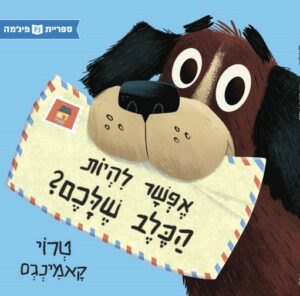
הכמיהה לחברים ולשייכות קיימת בעולמם של ילדים וילדות, וסיפורו של ארפי מציג את הנושא על המורכבות וכאבי הלב שלעיתים מלווים אותו. עם זאת, ארפי הוא כלב בעל עוצמה פנימית, הלוקח את גורלו בידיו: סיפורו מאפשר לשוחח ברגישות על חברות ועל הדרך שמובילה אליה. תוכלו לשאול את הילדים: מדוע, לדעתכם, ארפי כותב מכתבים שונים לאנשים שונים? האם הייתם רוצים להיות חברים של ארפי, ומדוע? מה הייתם עושים במקומו של ארפי?
עמודים רבים בספר מכילים איורים ללא מילים, שממחישים את רגשותיו של ארפי. מה מספרים האיורים? אילו איורים מעלים בכם חיוך, ולמה? מה מרגיש ארפי? מה הוא חושב?
בעקבות המכתבים שבספר ניתן לכתוב זה לזו פתקים. תוכלו להחביא מכתבים עם מסרים מעודדים או מצחיקים מתחת לכרית, בתוך התיק, או בכל מקום אחר שיפתיע את בני המשפחה.
כל אחד מאיתנו יכול לפקוח את העיניים ולפתוח את הלב לבעלי החיים שבסביבתו – בדאגה לשתייה ביום חם, בהקמה של מקום מסתור, או בכל דבר אחר שיסייע לרווחה של בעלי החיים וישפיע לטובה על העולם שבו אנו חיים.
שיחה על בעלי חיים: האם אתם אוהבים בעלי חיים? למה? אילו בעלי חיים אתם אוהבים במיוחד? האם יש לכם חיית מחמד? אם כן, איך היא הגיעה אליכם?
שיחה על היחס לבעלי חיים: איך, לדעתכם, מרגישים חתול רחוב, עורב או נמלה? מה נוכל לעשות למען בעלי החיים בסביבתנו?
שיחה על חברוּת: מה אפשר ללמוד מהסיפור על ההתנהגות הרצויה כלפי חברים שלנו? איך אפשר לעזור לחבר שמרגיש בודד? איך מסרבים לבקשה של חבר בצורה מכובדת ולא פוגענית?
בעקבות חלופת המכתבים בסיפור תוכלו להפנות את התלמידים לפעילות חקר בנושא מכתבים: למה פעם כתבו מכתבים רבים? מהו בול? לְמה הוא משמש? כיצד נעשה תהליך שליחת המכתבים וקבלתם? מה מתרחש בדואר?
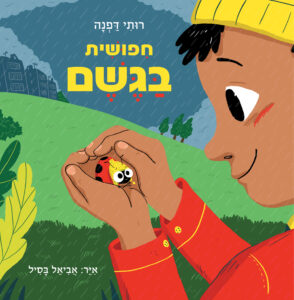
תוך כדי קריאת הסיפור אפשר להיעזר בבובות של הדמויות השונות: חיפושית, נמלה, עכביש וחתול. תוכלי ללמד את הילדים, לפני הקריאה, את שירתו של הגשם: "טיף טף, טיף טיף טף", ובמהלך הקראת הסיפור הילדים יכולים להצטרף בכל פעם שהגשם מטפטף.
הילדים יכולים לגלם את הדמויות בספר ולהמחיז את הסיפור. כדאי גם להוסיף לפינת התחפושות מחושי נמלה, זנבות או אזני חתולים, תחפושות של עכביש וחיפושית, וכך יוכלו הילדים לשלב את הסיפור במשחק הסוציו-דרמטי שלהם.
אפשר לצאת לחצר ולחפש חיפושיות. ואולי יש לכם פינת חי בגן? הטיפול בחיות נותן לילדים הזדמנויות לתרגל עזרה וחמלה. הילדים יבינו שיש כל מיני דרכים לעזור, לא כל חיה צריכה ליטוף או טיול בחוץ, חשוב להביט היטב ולהבין מה הצרכים של כל אחת.
בעקבות הסיפור תוכלי לשלוח להורים ציור של חיפושית ולבקש מהם לכתוב בו דוגמא כיצד הילד עוזר בבית, לאחים או לחיית מחמד. אפשר להציג את "חיפושיות העזרה ההדדית" על לוח בגן.
להתחבא מפני הגשם יכול להיות משחק נהדר. אפשר להשמיע בגן אחד משירי הגשם האהובים, בכל פעם שהופכים מקל גשם והוא משמיע קולות של טפטוף, הילדים רצים לחפש מחסה במקומות שונים בגן.
מה אמרה הנמלה?
כדאי להתבונן יחד באיורים ולחפש לאורך הסיפור את המפגש של החיפושית עם כל אחת מהחיות: הנמלים, העכביש והחתול. תוכלו לבקש מילדיכם לספר את הסיפור במילים שלהם ולשוחח על ההבדל בין התגובה של עידו לתגובתן של החיות.
מה עושה החיפושית?
תוכלו לצאת לחצר או לגן השעשועים ולחפש חיפושיות. אולי תמצאו אחת בין העלים או, כמו בסיפור, בארגז חול? אפשר להניח את החיפושית בעדינות על היד. האם היא מדגדגת את כף היד? האם היא נשארת לנוח או מיד פורשת כנפיים ועפה לדרכה? חשוב כמובן להחזיר את החיפושית לטבע.
חיפושיות מאבנים קטנות
תוכלו לאסוף אבנים עגולות וחלקות בגדלים שונים, לצבוע אותן בצבע גואש אדום, ולאחר שהצבע מתייבש לסמן עליהן קו חוצה בצבע שחור ונקודות לבנות. והנה יש לכם משפחה של חיפושיות!
מדגדגים את הדמיון
דמיינו איך הרגיש עידו כשהחיפושית דיגדגה בידו ואיך הרגישה החיפושית הקטנה. אפשר לבקש מהילדים לקער את ידם ולדגדג להם את היד הקעורה. תוכלו לדמיין את החיפושית מטיילת על הבטן ולהמשיך לדגדג בנעימות זה את זה.
מסתתרים מהגשם
החיפושית מצאה מחסה בידו של עידו. תוכלו לשוחח עם ילדיכם כיצד אנחנו מסתתרים מפני הגשם. אפשר לחפש בבית מטריות, כובעים או כל חפץ אחר שיכול להגן עלינו בגשם. כדאי גם לצאת החוצה ולהצביע על מבנים, תחנות אוטובוס וכניסות לחנויות בדרך לגן. האם גם הם מספקים מחסה מהגשם?
אפשר להתבונן בחתולים ברחוב. איך הם הולכים? אילו קולות הם משמיעים? מה הם אוכלים? האם אלה חתולי רחוב או חתולי בית? תוכלו להציב קרטון ריק בחצר. אולי יבוא חתול לישון בו?
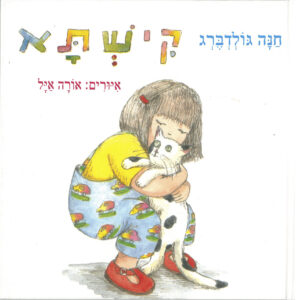
החיים מזמנים לילדים מעברים רבים – למיטה של גדולים, לחדר שינה חדש, לגן אחר. אנו מקווים שהשמחה בחברוּת הנרקמת בין מאיה לקישתא תלווה את ילדיכם במעברים שלהם.
האיורים בספר גדולים ותופסים את רוב המרחב בדף. היחס בין תמונה לטקסט מחייב אותנו להמתין יותר זמן בכל עמוד, כדי לאפשר לילדים (ולנו!) לגלות את פרטי האיורים.
כמו ביל, ילדים רבים שמים לב לפרטים שאנחנו, המבוגרים, לא רואים. אפשר לשוחח עם הילדים ולהעלות דוגמאות מחיי הגן. תוכלו לשאול אותם למה לדעתם הם רואים דברים שאנחנו לא, ואיך הם מרגישים כשזה קורה?
כדאי לשוחח עם הילדים על התפקיד של ההורים של ביל בסיפור. אפשר לשאול: אלו דברים הילדים עושים בכוחות עצמם, ומתי נדרשת התערבות או עזרת מבוגר? כדאי להעלות דוגמאות מחיי הגן והבית.
הסיפור מזמן למידה אודות ציפורים. בנוסף לספרי מדע, מידע רב נמצא באתרי אינטרנט, למשל http://www.yardbirds.org.il/. אפשר לערוך יחד רשימה של שאלות על דברים שמעניין את הילדים לדעת על ציפורים. אם מתאים לכן תוכלו לבקר עם הילדים במרכז לצפרות או בגן החיות. ניתן גם להמליץ למשפחות לבקר בחנות לחיות מחמד.
האם יש לכם פינת חי או חוג טבע בגן? האם אחד מהורי הגן מכיר את העולם של ציפורים? אפשר להזמין אדם מבחוץ להסביר לילדים מה אוכלות ציפורים, כיצד מטפלים בהן, באילו מצבים מביאים אותן לרופא וטרינר ועוד.
כדאי לעיין בעמוד בסיפור שבו ביל משחרר את הציפור. אפשר לשאול את הילדים: איך לדעתם הרגיש ביל בשחרור הציפור? לו יכלה הציפור לדבר, מה היא היתה מספרת לחברותיה אחרי שהחלימה וחזרה אליהן? אפשר להמחיז את השיחה בין הציפור לחברותיה בעזרת בובות.
קל להכין מתקן להאכלת ציפורים לחצר הגן: לוקחים בקבוק גדול וריק, שוטפים אותו היטב וגוזרים באחד מצדדיו פתח גדול. תולים אותו על עמוד או על עץ בחצר ומניחים בו פירות חתוכים, גרעינים ופירורי לחם. כדאי להתבונן מרחוק (ובשקט!) ולצפות בציפורים שבאות לאכול ממנו.
חשוב מאוד לעודד ילדים צעירים לגלות אמפתיה וחמלה כלפי בעלי חיים, אך גם להסביר להם שלא תמיד צריך להתערב. זו הזדמנות להסביר שאם הם מטיילים בחוץ ורואים גוזל או חתלתול, אסור לגעת בו. אולי אמא שלו בסביבה והיא תחזור אליו בקרוב.
בוב גרהם הוסיף לאיורים פרטים נוספים, שאינם מופיעים בסיפור עצמו. נסו לעיין יחד בתמונות ולגלות כיצד ביל והוריו מטפלים בציפור הפצועה. מה עושה כל אחד מהדמויות?
אפשר לערוך יחד רשימה של שאלות על דברים שמעניין אתכם לדעת על ציפורים. אפשר לחפש תשובות בספרי מידע או באינטרנט, או לבקר בחנות לחיות מחמד, במרכז לצפרות או בגן החיות. במקומות האלה בוודאי ישמחו להסביר לילדיכם מה אוכלות ציפורים, כיצד מטפלים בהן, באילו מצבים מביאים אותן לרופא וטרינר ועוד.
כדאי לעיין בעמוד בסיפור שבו ביל משחרר את הציפור. אפשר לחשוב עם ילדיכם: איך הרגיש ביל בשחרור הציפור? לו יכלה הציפור לדבר, מה היא היתה מספרת לחברותיה אחרי שהחלימה וחזרה אליהן? אפשר להמחיז את השיחה בין הציפור לחברותיה בעזרת בובות.
כיצד נוכל אנחנו לעזור לציפורים? קל להכין מתקן להאכלת ציפורים: לוקחים בקבוק גדול וריק, שוטפים אותו היטב וגוזרים באחד מצדדיו פתח גדול. תולים אותו במרפסת או על עץ בקרבת הבית ומניחים בו פירות חתוכים, גרעינים ופירורי לחם. כדאי להתבונן מרחוק (ובשקט!) ולצפות בציפורים שבאות לאכול ממנו.
חשוב מאוד לעודד ילדים צעירים לגלות אמפתיה וחמלה כלפי בעלי חיים, אך גם להסביר להם שלא תמיד צריך להתערב. זו הזדמנות להסביר לילדיכם שאם הם מטיילים בחוץ ורואים גוזל או חתלתול, אסור לגעת בו. אולי אמא שלו בסביבה והיא תחזור אליו בקרוב.
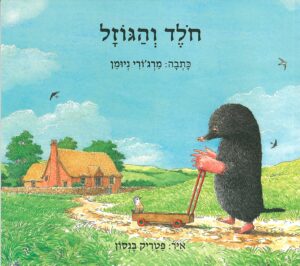
אפשר לעיין יחד עם הילדים באיורים ולחפש דוגמאות לעזרה שהעניק חולד לגוזל. תוכלו לח־ שוב יחד: מתי הטיפול של חולד התאים לצרכים של הגוזל, ומתי לא? מה השתנה אצל הגוזל שדרש טיפול מסוג אחר? למה היה לחולד כל כך קשה לשחרר את הגוזל?
אפשר להסביר לילדים את ההבדל בין חיות מחמד וחיות בר. מי מטפל בחיות מחמד, מי בחיות בר? לאיזה טיפול זקוקות חיות שונות? אם יש בגן שלכן חיות )אוגרים, דגים, ציפורים או אחר(, כיצד אתם מטפלים בהם? מי דואג להם בשבתות וחופשות? ילדים עשויים לתהות, מי יטפל בהם בחופשת הקיץ? הסירו דאגה מליבם ותארו את המשך הטיפול גם אחרי שהילדים יעזבו את הגן.
אפשר לחבר את הסיפור עם הסיפור על יעל ביום העצמאות. הגוזל, כמו יעל, ביקש להיות עצמאי. פיתוח תחושת העצמאות מאפיין את שלב ההתפתחותי של ילדי הגן. עם זאת, הילדים עדיין זקוקים להגנה שלנו, המבוגרים. כדברי קהלת, יש מצבים בהם מתאים "לחבק" ולהיות קרובים מאוד, ובזמנים אחרים נכון לאפשר התנסות חופשית. סוף השנה בגן מעניק הזדמנות לערוך "סקירת מלאי" של הכישורים והיכולות של הילדים, ולהשוות אותם עם היכולות בתחילת השנה. כדאי לשאול את הילדים איפה הם מרגישים בוגרים ומסוגלים. באיזה תחומים הם התחזקו וגדלו בשנה החולפת? אלו דברים חדשים הם היו רוצים לעשות, תחומים בהם הם מקווים להצליח בשנה הבאה?
אפשר לספר את הסיפור מזווית הראיה של הציפור. ניתן לשער: איך הרגיש הגוזל הקטן כשחולד אסף אותו וטפל בו? איך הוא הרגיש כשחולד בנה עבורו כלוב? כשהוא פרס כנפיים ועף בסוף הסי־ פור, האם הוא שמח? פחד? גם וגם?
ניתן להכין מתקן להאכלת ציפורים ולהציב אותו בחצר הגן. אפשר לקחת בקבוק גדול וריק. שטפו אותו היטב. גזרו באחד הצדדים שלו פתח גדול. תלו אותו במרפסת או על עץ בקרבת הבית, והניחו בו חתיכות של פירות, גרעינים ופירורי לחם. התבוננו מרחוק אם הציפורים באות לאכול ממנו.
כדאי לעיין יחד באיורים ולחפש דוגמאות לעזרה שחולד הושיט לגוזל. מתי הטיפול של חולד התאים לצרכים של הגוזל ומתי לא? מה השתנה אצל הגוזל ודרש טיפול מסוג אחר, ולמה היה לחולד כל כך קשה לשחרר את הגוזל?
ילדים צעירים מפתחים את תחושת העצמאות שלהם אך עדיין זקוקים להגנה שלנו, ההורים. כדברי קהלת, יש מצבים וזמנים שבהם מתאים "לחבק" ולהיות קרובים מאוד, ויש מצבים וזמנים שבהם נכון לאפשר התנסות חופשית. מעניין יהיה לשאול את הילדים באילו תחומים הם התחזקו וגדלו בשנה החולפת, ואם יש דברים חדשים שהיו רוצים לעשות בעצמם ושאנחנו, ההורים, נאפשר להם.
הסיפור מתאר תהליך של פרידה. איך אתם נפרדים בבוקר? האם יש לכם "טקס" חיבוקים ופרידה? תוכלו ליצור משחק תפקידים שבו אתם תהיו ילדי הגן, וילדיכם ייפרדו מכם ו"יצאו לעבודה". לאחר פעילות ב"גן" שלכם ולאחר "יום העבודה" של ילדיכם אפשר להיפגש שוב… בחיבוק!
גם אתם יכולים לטפל בציפורים! הָכינו לשם כך מתקן להאכלת ציפורים. קחו בקבוק גדול וריק ושטפו אותו היטב. גזרו באחד מצדדיו פתח גדול. תלו אותו במרפסת או על עץ בקרבת הבית והניחו בו פירות חתוכים, גרעינים ופירורי לחם. התבוננו מרחוק וראו אם הציפורים באות לאכול ממנו.



 גוזל בר מזל
  קוטן בוטן
  אפשר להיות הכלב שלכם?
  חיפושית בגשם
  קישתא
קישתא 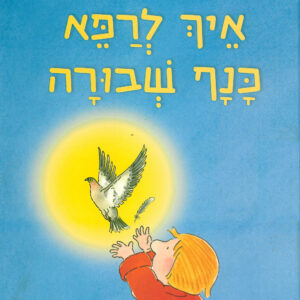 איך לרפא כנף שבורה
  חולד והגוזל