כִּשּׁוּרֵי חַיִּים
מחלוקת והסכמה

לא תמיד אנחנו מסכימים עם אחרים. לעיתים קרובות יש חילוקי דעות אפילו בנושאים פשוטים ויומיומיים כמו במה לשחק? מי ראשון? ועוד... סיפורים על מחלוקת מול הסכמה מסייעים לקוראים להבין נקודות מבט שונות ולהזדהות עם הדמויות המתמודדות איתם. לפניכם סיפורים אשר מזמנים מפגש עם מצבים שונים של קונפליקט, ובחינת דרכים שונות לפתרונו, באופן מכבד והוגן.
סְּפָרִים
Book-Related Family Activities
Fighting and Reconciling
Talk with your children and ask: How do you feel when you fight with a friend or family member? How do you both behave during a quarrel? Can anything help you reconcile? How can we help friends who are fighting reconcile?
QR code
Scan the code to listen to a special episode on quarreling from the podcast Yarden and Didi in Pajamas.
Making Peace
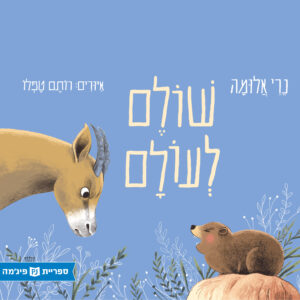
This book can inspire you to take two puppets, toy cars, or any pair of items; you can even put a pair of socks on your hands. Invite your children to imagine and make up a “real fight” – what are they fighting about? How do they reconcile? Do they reconcile on their own or do they need help doing so? Now you are ready to put on a show.
Exploring and Discovering
Hyraxes and ibexes are desert animals that live in Israel. This book provides a wonderful opportunity to explore and discover! What do they look like in real life? What characterizes them? What do they enjoy eating? What other interesting facts would you like to know about them?
Arts & crafts, songs, and other activities can be found on the Sifriyat Pijama Pinterest page.
Actions Speak Louder than Words
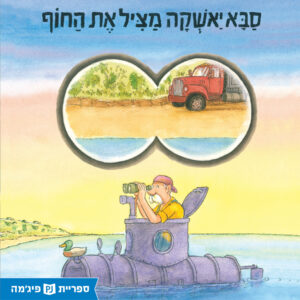
You can discuss Yashka’s statement: “Words won’t help, we need to convince them with actions”. Ask what he means by it and what your opinion is. When is it best to speak and discuss things first, and under which circumstances would you prefer to convince with actions?
QR Code
Scan the code to watch a special video with Yossi Abolafia, the author and illustrator of this book.
For our Environment
Do you have a favorite public place in your vicinity? When you visit it, take a moment to think about what makes it pleasant, how it contributes to the environment, and how it can be protected. For example, you can initiate a cleaning up or cultivating spree with your family and friends.
Original Inventions
Yashka makes special inventions such as a night light that turns off when you fall asleep and an underwater bird observatory. What helpful and special inventions would you like to invent? You can imagine them, draw sketches of them, or build special inventions from whatever is lying around your house.
Family reading advice
After reading, you should go back and spend time looking at the illustrations. Notice the small details that are not directly related to the text, and share your discoveries with one another.
Being considerate
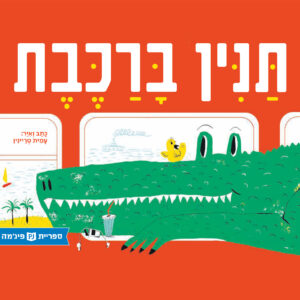
At home, we also need to get along in the same “railroad car”. You can discuss and think together with your child: Which home situations require us to be considerate? Why is it important to speak up and discuss things that make us uncomfortable or that we find inconsiderate? How should we go about it?
Animals and attributes
The tortoise is slow, the owl is wise, and the rabbit is fast. You can go back to the book and check – what other animals appear in it? What are their special attributes and characteristics? Do they have the same characteristics in real life too?
Roleplay
You can dramatize this book – sit together on a “train” – parents can be the crocodile, taking up the entire railroad car, and children can be chicks. How will you go about asking the crocodile to make some room for you? Will you end up messing around and having some friendly fun together? Now, you can switch roles.
Family reading advice
Books help children recognize feelings, name them, identify and empathize with the characters, and, subsequently, do the same with friends and people in general. While reading, you can look at the characters’ facial expressions and discuss: How do you think they feel? Are they angry? Sad? Perhaps happy and relaxed?
Fighting and making up
Sometimes we fight with friends, and sometimes with our siblings. You can discuss and share an argument you had: What caused it? How did you feel? Who helped you to calm down? Did you make up, and how?
A play with a broom
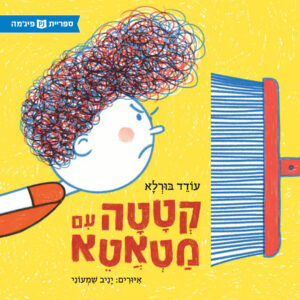
The child in the story fights with everyone, but how can you fight a broom or a faucet? Try picking an inanimate object and acting out an amusing interaction with it – how about a game for two with a stuffed animal, a conversation with a toy car, or an argument with a coat?
Singing with a broom – QR code
Would you like to sing and dance with a broom and perhaps clean the room while you’re at it? Scan the code and join Oded Burla’s song about a broom.
Moving like…
You can open the book to a random page and move like the things described on it: You can fly like the wind, drip like a faucet, open and close like a door, or soar like an airplane.
Proposed Family Activities:
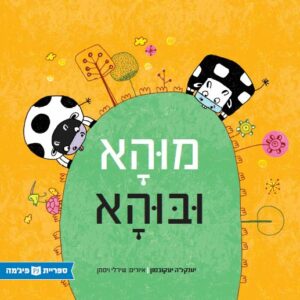
- You may want to leaf through the book together, and look at the special illustrations. Perhaps you could ask your child to notice the different perspectives and angles from which the illustrator chose to draw Mooha and Booha: up close and from afar, from down below or high above, from the front and back. You may enjoy picking an object at home, and trying to draw or photograph it from various angles.
- How about acting the story out together using puppets? You could suggest that your child try to convince the cows to stop bickering, and enjoy their grass.
- It is often difficult to admit that we are jealous of others. Perhaps you could share an incident with your child in which you were jealous of someone else when you were growing up, and how you coped with that feeling.
- Mooha and Booha cannot enjoy their own grass, because they focus solely on what the other has. You may want to toss a ball between you, and have each of you say something good that makes them happy as you take turns catching the ball.
- Seasons change, the green grass turns yellow, and the cows cannot stop fighting. Perhaps you could make a “grass head” using old stockings, some soil, and grass seeds. Take care of the grass head together, and discover how long it takes for the grass to grow at its top.
Proposed Family Activities
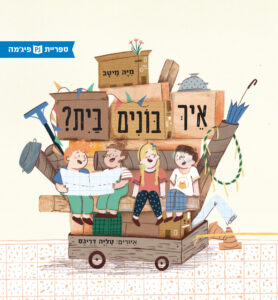
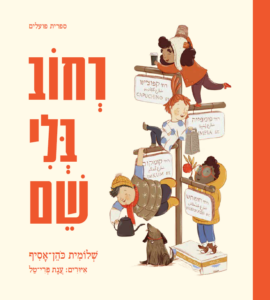
- You may want to look closely at the illustrations. Were you able to find all the people and objects that went missing on their way to the nameless street? Was there anything about the illustrations that you found particularly funny?
- Does your street have a name? Do your children know it? Who or what is it named after? Sometimes streets are named after typically Israeli flowers, leaders, or historical events. You may want to research the source of your street, and adjacent streets’, names together.
- You may want to look for street signs in the illustrations. What do the street signs in your neighborhood look like? On many street signs, the name of the street appears in three languages. Can you read all the names? You could make signs for various rooms in your house, and design them in the form of street signs.
- Perhaps you would enjoy strolling around the neighborhood, and getting to know the names of the streets and their meanings. You may want to look for different things, such as: are there lampposts, benches, nice-looking trees? Is there a bus stop on your street? Where are the crosswalks? Maybe you could draw a map of the neighborhood and its streets together.
- It is very difficult to explain how to get from one place to another without using street names. Try describing how you would get from your house to school without using street names, only landmarks. You could then draw a map of the route and walk/drive according to it. Did you get lost along the way?
- We can all change things for the better – even in our own homes or neighborhood. You could hold a family discussion, or share your thoughts with your neighbors, about anything that might require improvement or repair. You could even take a vote, choose one issue to take care of, and go ahead and fix it.
- And perhaps there are some problems you cannot solve, and you would like to contact your mayor about? You could find the e-mail address for public petitions, and send an e-mail containing your request or suggestion. Maybe the mayor will pay you a visit too!
- You may want to think about how streets get their names. Think about the discussions, selection, and decisions reached. What is your opinion on the way the decision was made? Is that how all decisions are made? When is it a suitable way, and when is it not?
The breathtaking illustrations add another level to the story
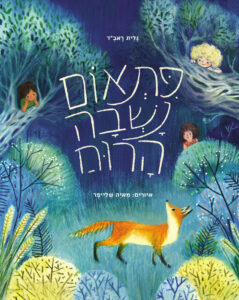
The breathtaking illustrations add another level to the story, and you may want to take a closer look at them. What is the fox doing on each page? How do the children’s facial expressions alter throughout the story? Have you also noticed how the pond changes as pages are turned? Perhaps you would like to select your favorite part of the book, and draw it whichever way you like.
pretending to be one of the children's parents
You may enjoy role-playing, pretending to be one of the children’s parents. It’s night-time, and the children return from the orchard in high spirits. Perhaps you could ask them how their day at the orchard had been, and let them describe their experiences in their own words.
Anything's possible when you use your imagination
Anything’s possible when you use your imagination: carobs become swords, olives turn into delicious salads, and half a pomegranate serves as a royal crown! You may want to play the following game: pick an item and pretend to do something with it using nothing but gestures, no speaking allowed. Your child should try to guess what the item has become, and think up other uses for it when they have. Take turns picking items and guessing.
Fighting and making up
Fighting and making up: after reading the story, you may want to discuss quarrels among friends, and share stories of fights and make-ups you have experienced. After fighting, each of the children in the book played on their own. You may wish to speak with your child about times when being alone is pleasant and desirable, and other times, when it is more fun to play together.
Do you have an orchard, vineyard or forest nearby?
Do you have an orchard, vineyard or forest nearby? You could take a walk in them together! Just like the children in the book, you could also pick olives, and squeeze oil out of them, play with carobs, or hide behind trees. You may also enjoy collecting leaves of all colors, and crushing them onto a sheet of paper when you return home. Discover the different color liquids that come out of them, and use them to paint naturally colored paintings.
להציג לילדים את כריכת הספר
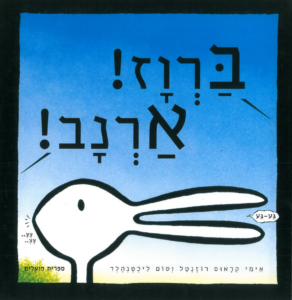
כדאי להציג לילדים את כריכת הספר ולשאול אותם: איזו חיה רואים בתמונה – ברווז או ארנב? האם כולם ראו אותה חיה? אפשר לבקש מהילדים לנסות להסביר לחבריהם כיצד לזהות את הברווז או הארנב. האם הצליחו לשכנע את חבריהם? אילו הייתם צריכים להכריע כקבוצה, מה הייתם קובעים: האם זה ברווז או ארנב? האם ההכרעה הקבוצתית חשובה או משמעותית?
אפשר לילדים לקרוא את הספר יחד בזוגות
כדאי לאפשר לילדים לקרוא את הספר יחד בזוגות, ללא התיווך שלך, ולהשתעשע בו. האם הספר הצחיק את הילדים? האם הוא הצחיק אותך?
מה מסתתר בקשקוש
האם אפשר לראות משהו שאחרים אינם רואים, או שאינם מפרשים כמוך? אפשר לשחק “מה מסתתר בקשקוש”: הילדים מתחלקים לזוגות. כל אחד בתורו משרבט ציור מופשט, ועל המשתתף השני לזהות בתוך התמונה דמות או עצם מוּכּרים, להוסיף פרטים חסרים ולצבוע אותם בצבע.
שיעור באיור - ברוז וארנב!
ברוז? ארנב? למדו לצייר גם ברוז וגם ארנב – יחד עם נעם נדב!
איך לצייר ברוז:
איך לצייר ארנב:
מגוון שיעורים באיור עם נעם נדב בעמוד היוטיוב שלנו, לצפייה לחצו >>
איך משכנעים מישהו להסתכל על המציאות דרך העיניים שלנו?
בסוף הסיפור מתחלפות נקודות המבט. מי שקודם לכן ראה ברווז מאמין עכשיו שזהו ארנב, ולהפך. אפשר לשוחח עם הילדים, להזכיר להם חוויות משותפות ולשתף אותך בניסיון החיים שלכם: האם פעם שיניתם את דעתכם בעקבות זווית הראייה של האחר? איך משכנעים מישהו להסתכל על המציאות דרך העיניים שלנו?
ליצור צלליות ידיים בצורה של ארנב (או ברווז!)
אפשר ליצור צלליות ידיים בצורה של ארנב (או ברווז!): מחשיכים את החדר ומאירים קיר אחד בפנס או במנורת קריאה חזקה. ממקמים את הידיים ליד מקור האור ויוצרים באמצעות האצבעות צורה של חיה. האם ניתן לזהות את החיה לפי הצלליות שעל הקיר? האם זהו ארנב או ברווז? בהמשך תוכלו ליצור חיות נוספות בעזרת כפות הידיים.
לצאת החוצה ולהביט בשמיים: מה רואים בעננים?
בכריכה הפנימית של הספר מצוירים עננים. האם הילדים מזהים צורה של חיה בתוך העננים? אפשר לצאת החוצה ולהביט בשמיים: מה רואים בעננים?
איך מרגישים כשהאחר אינו מצליח (או אינו מוכן) לראות את מה שאנחנו רואים?
איך מרגישים כשהאחר אינו מצליח (או אינו מוכן) לראות את מה שאנחנו רואים? תוכלו להציג לילדים תמונות של תעתועי ראייה או אשליות אופטיות, ולבקש מהם לספר מה הם רואים. שתי דוגמאות נודעות לתמונות “מבלבלות” הן תמונת האישה הזקנה והעלמה, והתמונה של כוס היין ושני הפרצופים.
תעתועי ראייה של חיות
הידעתם? סיפור הילדים “ברווז! ארנב!” מבוסס על תעתוע ראייה שצייר פסיכולוג אמריקני בשם ג’וסף ג’סטרו ב- 1899, ופרסם במאמר מדעי על הקשר בין המוח לבין ראייה. מאז פורסמו תמונות נוספות של ברווז-ארנב, כמו זו, וכן תעתועי ראייה של חיות אחרות כמו חמור-כלב ים, וברבור-סנאי .
איזו חיה ראיתם – ברווז או ארנב?
כשקראתם לראשונה את הספר, איזו חיה ראיתם – ברווז או ארנב? האם גם ילדיכם ראו את הדברים באותו אופן? האם הצלחתם בקלות לראות בכל פעם את בעל החיים באופן אחר? אילו הייתם צריכים להכריע, מה הייתם קובעים: האם זה ברווז או ארנב?
האם אפשר לראות משהו שאחרים אינם רואים, או שאינם מפרשים כמוך?
האם אפשר לראות משהו שאחרים אינם רואים, או שאינם מפרשים כמוך? אפשר לשחק “מה מסתתר בקשקוש”: כל אחד בתורו מצייר ציור מופשט, ועל המשתתף השני לזהות בתוך התמונה דמות או עצם מוּכּרים, להוסיף פרטים חסרים ולצבוע אותם בצבע.
להציג לילדיכם תמונות של אשליות אופטיות
איך מרגישים כשהאחר אינו מצליח (או אינו מוכן) לראות את מה שאנחנו רואים? תוכלו להציג לילדיכם תמונות של אשליות אופטיות ולבקש מהם לספר מה הם רואים. שתי דוגמאות נודעות לתמונות “מבלבלות” הן תמונת האישה הזקנה והעלמה, והתמונה של כוס היין ושני הפרצופים (ניתן למוצאן באינטרנט אם תחפשו “תעתועי ראיה”) – מה אתם רואים כשאתם מביטים בתמונות?
האם פעם שיניתם את דעתכם בעקבות זווית הראייה של האחר?
בסוף הסיפור מתחלפות נקודות המבט. מי שקודם לכן ראה ברווז מאמין עכשיו שזהו ארנב, ולהפך. האם פעם שיניתם את דעתכם בעקבות זווית הראייה של האחר? איך משכנעים מישהו להסתכל על המציאות דרך העיניים שלנו?
ליצור צלליות ידיים בצורה של ארנב (או ברווז!)
אפשר ליצור צלליות ידיים בצורה של ארנב (או ברווז!): מחשיכים את החדר ומאירים קיר אחד בפנס או במנורת קריאה חזקה. ממקמים את הידיים ליד מקור האור ויוצרים באמצעות האצבעות צורה של חיה. האם ניתן לזהות את החיה לפי הצלליות שעל הקיר? האם זהו ארנב או ברווז? בהמשך תוכלו ליצור חיות נוספות בעזרת כפות הידיים.
מה רואים בעננים?
בכריכה הפנימית של הספר מצוירים עננים. האם זיהיתם צורה של חיה בתוך העננים? אפשר לצאת החוצה ולהביט בשמיים: מה רואים בעננים?
Family Activities
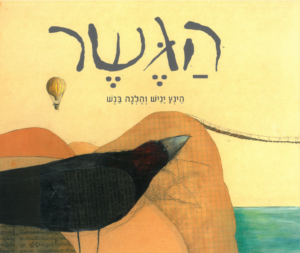
- Look through the book together and examine the unusual illustrations that accompany the text. Notice the various perspectives the illustrator used in creating these pictures. Which pictures show the action from above—and which from the side? Talk with your children and ask them why they think the illustrator chose to portray the events on the bridge as she did.
- Sometimes, before we arrive at a good idea, we first have to try (and discard) some not-so-good ideas. Together with your children, go back over the various solutions which the bear and the giant proposed in the story. What are the upsides and downsides of each idea?
- Every child has experienced the clash of wills. Sometimes one family member wants to play music while the other wants quiet, or one wants to read in bed while the other wants to turn out the light and go to sleep. Or a child might be deep in a game when her parents inform her that it’s time to leave the house. … After reading the story with your children, talk about how all of us have differing desires at times, and recall any creative resolutions you and your family may have reached.
- Do you know the song, “The Whole World is One Narrow Bridge”? You can sing it with your children.
- Look around your neighborhood for a low wall, or a playground with ropes, slides, and ladders, and try (carefully!) to cross them at the same time from opposite sides. Do you, too, find yourselves forced to “dance” while hugging each other, just like in the story?
- After reading the story, you could start investigating the different kinds of bridges where you live. You could also build toy bridgesout of blocks, Legos, or other construction toys. Once your bridge is complete, you can use it to stage a little play based on the story, using dolls or Lego characters.
- Do you know other stories that feature a bridge? You can look at home, at your children’s kindergarten, or at your local library for more books and stories about bridges, including “The Bridge” by ShlomoAbass, “The Treasure” by Uri Shulevitz, and many more, and read them with your children.
Activities to Do Together at Home:
- Notice the things Matan and Noah like to do together before they quarrel. Ask your children what they like to do with their friends, and when do they help one another?
- Examine Matan’s and Noah’s facial expressions in the illustrations. When do they look happy? When do they look sad, or angry?
- If Matan and Noah were friends of yours, what would you suggest that they do to prevent the quarrel from occurring, or to make up afterwards?
- Ask your children if anyone has ever helped them to make up with a friend after a quarrel. How would you want to be helped to make up after a quarrel? You could create a little book –write your own story and illustrate it together.
- You could brainstorm together and come up with an ad or slogan that promotes peace between people. Create a poster featuring your ad or slogan and hang it up in your home.
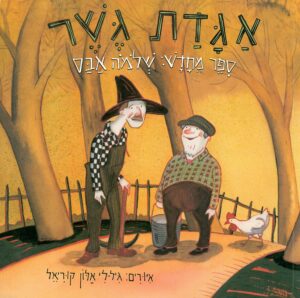
- The bridge that Elijah the carpenter built was made of boards and nails. Ask your children what bridges they know, and what are they made of? You could also build a bridge out of popsicle sticks or Lego blocks. After you finish building the bridge, you could use it to stage a play about the story, using dolls or Lego figures.
- Do you know the song, “The whole world is one narrow bridge”? If you do, you can sing it together with your children.
Family Activities
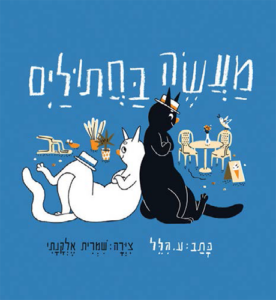
• Flip through the pages of the book with your child and look closely at the delightful illustrations by Shimrit Elkanati. Is this how you had envisioned the cats in the poem? You and your child can draw your own cats and make a special family version of the book.
• Using old socks, fabric and buttons, you can make hand puppets to enact the story – once using your own words, and once reciting the rhyming verses of the original poem.
• The poem is set in rhyme and is easy to recite. Your child can try to learn the words by heart and recite it out loud to you.
• Did you ever want to be like someone else? Did you perhaps dream of hair of a different color or more or less curly, or wish to be taller or shorter? After reading the poem, you can dress up in costume and try to experience looking like someone else. After this game, you could discuss with your child the beauty and beloved traits of everyone in your family, and encourage your child to be happy with who they are.
• You can explain the meaning of the saying “May the honor of your friend be as precious to you as your own” and discuss friendship. Who are your friends? Do you argue at times? How do you reconcile? Together you can draw two pictures: one picture showing friends arguing, and the other depicting the reconciliation.
• When the cats in the poem are offended, their fur stands on end and they arch their backs, and they stop talking to one another. You might talk with your children about feeling offended. How can we tell if we offended a friend or family member? What can we do when this happens? And how should we respond if somebody insults or offends us?
• Do your children know any other poems or stories by O. Hillel? The poem “A Tale of Two Cats” also appears in an anthology of his poems by the same name, accompanied by illustrations by Alona Frankel. You might look for the book at home or in the library, compare the illustrations in the two versions and enjoy reading together all the poems in the anthology.
Proposed Family Activities
- You may enjoy looking at the illustrations together. Which toys do Noam and Elad play with? What does your child enjoy playing with – be it with their siblings, friends, or on their own?
- “Noam didn’t mean to fight with Elad, Noam didn’t mean to slap his hand”: You may want to ask your child how it is that Noam did not mean to fight and slap? Have you ever had a similar experience?
- We all make mistakes sometimes. You may want to share an incident with your child in which you felt the need to say you’re sorry. Was it difficult for you to do? How did you feel after apologizing?
- You may enjoy looking at the final illustration, and reflect together about the final lines of the story. Why are both brothers happy? Who, in your opinion, is happier?
- Noam and Elad are brothers, but they’re also best friends. Who is friends with your child? What do they enjoy doing together? After reading this story, you may want to invite a friend of your child’s over to play.
Peace to the World
Saba Yashka Saves the Beach
A Crocodile Gets on a Train
A Fight with A Broom
Mooha and Booha
A Street with no Name
At the Heart of the Orchard
Duck! Rabbit!
The Bridge
The Bridge Tale
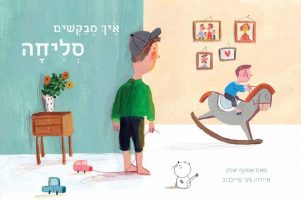
How do you say “I’m sorry”?