מְקוֹרוֹת וְתַרְבּוּת
התחלה
כל סוף הוא התחלה חדשה! התחלה חדשה יכולה להלהיב ולרגש, אך לרוב היא מלווה בסיום של מצב מוכר ובטוח, בפרידה, באתגר או בהסתגלות מדורגת. סיפורים על התחלה חדשה חושפים בפנינו קשת רגשות רחבה ויכולים לסייע לילדים הזקוקים לכך, תוך הזדהות רגשית עם הדמויות ועם המתרחש איתן בסיפור.

סְּפָרִים
Book-Related Family Activities
Transitions
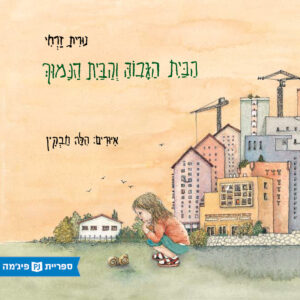
You can share experiences from your own transitions with your child, or recall a shared transition together. You can ask the children how they think the girl felt when she first arrived at the short house, how they would have felt in her shoes, and what they would have told her had they met her.
Following the animals
Take a short walk near your home, during the day or in the evening, try to be as quiet as you can and notice – Do we see any animals around? Can we hear any special sounds? What is the difference between the animals we see and hear in daytime, and those who come out at night?
Drawing a house
Draw a house together, taking turns to add details to your drawing. Let your imagination and creativity run wild, anything is possible in this house. Perhaps the windows in your house will be star-shaped? Maybe the door will be made out of flowers? You can even have a waterslide sticking out of the roof! When you finish, you can imagine what it will be like to live in this new house you have created.
Arts & crafts, inspirations, and other surprises are waiting for you on the Sifriyat Pijama Pinterest page.
Tip for Family Reading
Sometimes toddlers decline the offer to have a book read to them for various reasons. How can we get them to take an interest in books? We can trigger their curiosity if we leaf through a book ourselves, and remark on details that catch our eye or amuse us. Books should be placed openly and within reach, and you should find the right time for reading, when you and your children are free to comfortably sit together.
For more ideas, look up “How to get children interested in books” on the Sifriyat Pijama website.
When we don’t get what we want
In your opinion, how did the boy feel when he received a cat instead of a dog? Have you ever really wanted something, but received something else instead? What can we do when we do not receive exactly what we wanted?
QR code
Would you like to meet another mischievous cat? Scan the code and listen to the song Hayo Haya Hatul Shovav [There Once Was a Mischievous Cat]
Observing Animals
In this book, the boy discovers the cat’s special qualities: It hops onto your lap, licks you, its fur stands on end, and it purrs. You can observe animals in your vicinity together, and try to identify the unique qualities of each – how does it move? Which sounds does it make? And how does it respond to humans?
Miming and Guessing
The boy received a surprise cat – what other surprising animals can we “bring” home? How does an alligator sit on the couch? How does a snake slither across the carpet? You can play the following game: Take turns miming an animal and have the other players guess which one you are.
Reading advice: Befriending a book
Reading books from a young age contributes greatly to toddlers’ development. Starting to read slowly and gradually is recommended. At first, toddlers may be allowed to connect to the book in their own way: Touch it, open and close it, look at the illustrations, and become curious. Later, you can read: Read a little each day, patiently and calmly. Some toddlers will prefer to be read a single page, get familiar with it until – hey – books have become their friends!
What happens along the way
We can make interesting discoveries if we only pay a little attention. You may enjoy discussing what you see as you walk or take a drive: “Here is a red car!” “I see clouds. What do you see?” You can also share experiences with your toddler: “On my way to work today, I saw a lady walking her dog. What did you see on your way or back from daycare?”
Why read with toddlers?
Scan the QR code to discover how books’ contribute to toddlers’ development.
Morning ritual
Like the boy in the book, all toddlers enjoy rituals that generate a fixed routine, calm them down, and help them start their day feeling good and happy. You can also have your own morning ritual. For example, you can encourage your toddler to say good-bye a beloved stuffed toy: “Teddy, Teddy, I’m going to Kindergarten, goodbye!”, while you parents reply on behalf of the bear: “Goodbye! See you later! Have a safe journey!”
Encountering animals
Many animals appear in the book. You can look at them together, and state their names, make the relevant sounds, and mimic their movements: Crow like a rooster, hop like a bunny, or gallop and neigh like a horse. You can also look at the illustrations on the final page, cover one of the animals each time, make the relevant sound or mimic its movements, and have your toddler guess which animal it is.
Reading with Toddlers
How do we turn books into friends? Reading from a young age contributes greatly to toddlers’ development. We suggest starting slowly, gradually, and age-appropriately: Some toddlers will want to touch the book, open and close it, or even “taste” it. You can then read a little, patiently and enjoyably. You can start by reading one page, and, as you get used to it, add more pages, until, hey – books have become friends!
Reading together – Good Morning
While reading, you can emphasize the words good morning using a special voice and welcoming gesture. Invite toddlers to join in, follow the story, and take an active part in the reading. You can create your own good morning greetings: “Good morning kitchen chair!” “Good morning tree on our street!”, “Good morning, Bobby the dog!”
Observing the world
For toddlers, everything can be a teachable moment. Time spent together going to or from daycare provides an opportunity to observe what attracts toddlers’ attention: Is it ants walking in a row? A large truck? Or perhaps a flock of birds?
Reading, Singing and Moving
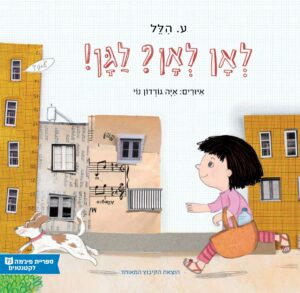
Let the toddler complete the repeating sentence: “Where to, where to? To kindergarten!”
You can add movements, clap hands or use musical instruments.
Our Morning Ritual
A fixed set of morning actions helps toddlers start the day well:
Prepare the clothes together, sing an encouraging song, collect leaves or a twig along the way, or say goodbye with a fixed, encouraging greeting.
Illustrations "Tell a Tale"
Look together and let the toddler find: Where is the bird? Is it on additional pages? Who accompanies the child to kindergarten? How do we get to kindergarten – by bicycle, walking or some other way? Who wears a hat and where is the dog?
Look at the last page and ask: “What are the children in kindergarten doing? What do you like to do at the nursery?”
Game: Where to?
Ask: Where to, where to? And each time choose a different place: To… The bath, the balcony, or to… The playground? Go together to the place you’ve chosen, hug each other and then say aloud: Where to, where to? To… the next place!
Words of emotion
The letters in the story describe feelings: missing someone, loving someone, feeling happy…
How about making some cards with words of emotion, as well as phrases that describe these emotions, and connecting each word with the sentence describing it?
Missing someone: I wish we could see each other again
Loving someone: It feels good when we’re together
Feeling happy: This tune makes me want to jump up and dance
Feeling thankful: I’m so glad we met! Thank you for coming round!
Having a party
Would you like to party like Rosalinda and Aaron? You could use the invitation they made to write an invitation of your own, prepare one of the dishes they had at their party, play some party music, and dance together.
You could even take some photos during your party, and save them in an envelope inside the book you’ve received.
Discussion
How do you prepare for Pesach? Do you have a family tradition that has been passed on from one generation to the next? Perhaps you would like to discuss it with your child. You could tell them how you, parents, celebrated Pesach when you were growing up, sharing a family custom or story with them that has stayed with you all these years.
About a dish
Do you have a dish at home that is associated specifically with Pesach? How about looking at it together, and telling its story: Where did it come from? Why was it kept by your family? What is it used for during Pesach?
Illustrations tell stories
What can we learn from the illustrations in this book? Do they help us imagine Workito’s and Almaz’s lives in Ethiopia? You may enjoy choosing a certain illustration, looking at it together and discussing which character you would be interested in chatting with, what you would ask this character, and whether you would like to join him/her.
In with the new
Following Workito’s story, you may want to touch up items you love that are now tattered or torn. You could draw on an old t-shirt, color an old hat, cover an old planter with a mosaic, decorate some kitchenware, or create a completely new item from a broken dish. Do you like the way it turned out?
Proposed Family Activities:
- This book is based on a true story. Perhaps your child could read it with a member of an older generation, such as a grandparent, uncle or aunt. Wouldn’t it be wonderful if by doing so, you will learn some family stories you had not heard before? It may be advisable to make an audio, video or hand-written record of them!
- You may enjoy leafing through the book together and pointing out signs of the time that have been incorporated into the illustrations. Perhaps you could look for old photographs of family members at home, and focus on the clothes, hair styles, and various objects they had back in their homelands.
- Where has your family come from? How many generations has your family been living in Israel? You may want to open an atlas, place some tracing or parchment paper on top of the world map, and draw arrows on it to mark the journey made by your family before coming to Israel. You could also use online software, such as Google Maps, to take a virtual tour of your family members’ homelands.
- Do you also have a personal or family dream? It may be fun for each member of your family to write down their dream on a piece of paper, insert it into an empty bottle, and seal it with a cork or top. You can return to your bottles in a year, and check whether the dreams you wrote came true.
- The new olim in this book have different customs, languages, and clothes. Sometimes, different customs, clothes, and traditions can be found within the same family. How about teaching your children some words in their grandparents’ mother tongue? Or reminding one another of your special family traditions and songs.
- The two new olim in the book sing a liturgic song together, originating in Psalms and found in the Hallel prayer:
“בצאת ישראל ממצרים בית יעקב מעם לועז…”
Do you know the tune to this song? How about singing it together? You could also look up other tunes online at www.zemereshet.co.il.
מסיבת פיג'מות בגן
כדאי לערוך מסיבת פיג’מות בגן, יחד עם ההורים אחרי שעות הגן או עם הילדים בלבד בשעות הבוקר, ולקרוא יחד את הסיפור. אפשר לקשט את הגן עם תפאורה של כוכבים וירח ולהזמין את כולם להתכרבל יחד, ליהנות מהאיורים הרכים שמלווים את הסיפור ולעקוב אחר מסע ההתבגרות של נינה.
לשוחח עם הילדים על ההבדלים בין חלום ומציאות
“עכשיו לילה, אבל נינה חושבת שהיא ערה”. אפשר לשוחח עם הילדים על ההבדלים בין חלום ומציאות: האם גם לכם קרה פעם שלא הייתם בטוחים אם אתם ערים או ישנים? מה יכול לקרות בחלום ולא במציאות? אפשר לתת דרור לדמיון ולצייר ציור שכולו חלום.
להשוות את הסיפור
אפשר להשוות את הסיפור עם להיזכר בספר אחר שחולק השנה, “אמיליה” מאת נעמה בנזימן, שגם הוא מתאר עלילה דמיונית.
חבריה הצעצועים של נינה
חבריה הצעצועים של נינה חושבים שהיא מוכנה למעבר מזחילה להליכה, אבל נינה לא בטוחה בכך. בכל רגע בחייהם הילדים עומדים בפתח הישג חדש (למשל, מעבר לגן חדש או לכיתה א’, רכיבה על אופניים, עצמאות גוברת בפעולות יומיומיות). אפשר לשוחח על כך ולשאול אלו כוחות דרושים כדי לצלוח את המעבר, האם הם חוששים?
להמציא המשך לסיפור
הסיפור מסתיים בצעדים הראשונים של נינה. תוכלו להמציא המשך לסיפור: לאן נינה הולכת? האם היא גם מועדת ונופלת? איך מגיבים בני המשפחה והחברים כשהם רואים את נינה הולכת? הציעו לילדים לצייר ולכתוב יחד עמוד המשך לספר.
לשוחח עם הילדים על דברים ש'בוגרים' עושים ו'קטנים' עדיין לא
אפשר לשוחח עם הילדים על דברים ש’בוגרים’ עושים ו’קטנים’ עדיין לא. אפשר לערוך רשימה של הישגים ויכולות: מה יודעים הילדים לעשות היום שלא יכלו לעשות בתחילת השנה, ומה הם רוצים ללמוד לעשות כשיהיו בוגרים יותר.
להביא לגן תמונות שלהם כתינוקות
בעקבות הסיפור אפשר לבקש מהילדים להביא לגן תמונות שלהם כתינוקות, ולהציג אותן על לוח יחד עם תמונות שלהם מהשנה. כך כולם יכולים להתגאות ולהתרשם ממסע ההתבגרות של הילדים – וגם להיזכר בצעדים ראשוניים שלהם.
להכין יחד עם ילדיהם אלבום של "צעדים ראשונים"
תוכלו להפנות את ההורים לאחת ההצעות בסוף הספר – להכין יחד עם ילדיהם אלבום של “צעדים ראשונים”: צילומים של הילדים כתינוקות בזרועותיהם, ובהמשך זוחלים, הולכים, מבקרים לראשונה בגן… ולהציע להשאיר דפים ריקים להמשך ההתפתחות (המעבר לכיתה א’, לימוד קרוא וכתוב ועוד הרבה!).
סיפורים ושירים לילדים
נורית זרחי כתבה עשרות סיפורים ושירים לילדים. כדאי לחפש אותם ולקרוא אותם יחד, ולערוך פינה בגן של היוצרת ויצירותיה.
לשוחח עם ילדיכם על ההבדלים בין חלום ומציאות
“עכשיו לילה, אבל נינה חושבת שהיא ערה”. אפשר לשוחח עם ילדיכם על ההבדלים בין חלום ומציאות: האם גם לכם קרה פעם שלא הייתם בטוחים אם אתם ערים או ישנים? מה יכול לקרות בחלום ולא במציאות? אפשר לתת דרור לדמיון ולצייר יחד ציור שכולו חלום.
חבריה הצעצועים של נינה
חבריה הצעצועים של נינה חושבים שהיא מוכנה למעבר מזחילה להליכה, אבל נינה לא בטוחה בכך. האם ילדיכם עומדים בפתח הישג חדש? (למשל, מעבר לגן חדש או לכיתה א’, רכיבה על אופניים…) אפשר לשוחח על כך ולשאול אלו כוחות דרושים כדי לצלוח את המעבר, האם הם חוששים?
לצייר ולכתוב יחד עמוד המשך
הסיפור מסתיים בצעדים הראשונים של נינה. תוכלו להמציא המשך לסיפור: לאן נינה הולכת? האם היא גם מועדת ונופלת? איך מגיבים בני המשפחה והחברים כשהם רואים את נינה הולכת? הציעו לילדיכם לצייר ולכתוב יחד עמוד המשך לספר.
לשוחח עם ילדיכם על דברים ש'בוגרים' עושים ו'קטנים' עדיין לא
אפשר לשוחח עם ילדיכם על דברים ש’בוגרים’ עושים ו’קטנים’ עדיין לא. אפשר לערוך רשימה של הישגים ויכולות של ילדיכם: מה הם יודעים לעשות היום שלא יכלו לעשות לפני שנה, ומה הם רוצים ללמוד לעשות כשיהיו בוגרים יותר.
להיזכר בצעדים ראשוניים של ילדיכם
ילדים רבים אוהבים לשמוע סיפורים על ילדותם המוקדמת. לאחר הקריאה אפשר להתכרבל יחד ולהיזכר בצעדים ראשוניים של ילדיכם. האם אתם זוכרים באיזה גיל הם התחילו לזחול, ללכת, אולי לעמוד על רגל אחת בלי ליפול? אפשר לחפש תמונות ישנות ולהכין יחד אלבום של “צעדים ראשונים”: צילומים של ילדיכם כתינוקות בזרועותיכם, ובהמשך זוחלים, הולכים, מבקרים לראשונה בגן… אל תשכחו להשאיר דפים ריקים להמשך ההתפתחות (המעבר לכיתה א’, לימוד קרוא וכתוב ועוד הרבה!)
לצאת ל"טיול לילה"
כמו נינה וחבריה, גם אתם יכולים לצאת ל”טיול לילה”. האם הסביבה המוכרת נראית שונה בלילה? מה אתם רואים, אלו קולות אתם שומעים? כדאי לקחת שמיכה ועותק של הספר, לשכב על הדשא ולהביט בשמים. יחד אפשר לחפש את הירח (האם הוא “ורוד ושוטף את העצים באור כסף בהיר”, כמו בסיפור?), לִספוֹר כוכבים וללחוש סודות.
לילה טוב וקריאה נעימה מספריית פיג’מה!
Family Activities:
- You can flip through the book together with your children, looking at OraAyal’s heartwarming illustrations and pointing out each of the occasions on which the blanket helped Maya. You might ask your children what they think made the blanket change its size as the story went along.
- Like Maya, many children have a “lovey” (rag, blanket, pacifier, stuffed animal, or doll) that they take with them everywhere. Talk with your children about the strong attachment Maya feels for her “Blankie,” and share your own experiences: When you were young, did you have a favorite object to which you were particularly attached? Do your children have one? Perhaps you, too, want to embark on a “journey” with the item and do some growing with its support.
- Maya really wants to be four years old already. You could ask your children if there are things “big kids” do that “little kids” don’t. Together you could make an illustrated listof your children’s achievements and capabilities: things they know how to do today andcouldn’t do a year ago, and what they would like to be able to do when they are older.
- You might discuss special occasions throughout the year: holidays, the first or last day of school, important events in the life of your family. How do you mark all these occasions? Do you recite the Shehehiyanublessing, and if so – when?
- How does your family celebrate birthdays? Maya’s story underlines the point that maturity is measured not only by how old you are, but also by your actions. After reading the story, you might add a new custom to your family birthday celebrations—one that will give your children a chance to display their new-found maturity. You could suggest that they choose a toy, an item of clothing, or a doll or stuffed animal that they no longer need “because they’re big,” and give it away to a younger child.
- You could also hold a birthday party for one of your children’s dolls or stuffed animals – plan the party, make decorations, sing songs… everything you do for a birthday!
- Young children’s perception of time is not yet fully developed, and many children, like Maya, ask, “When will…?” Working together, you could design a weekly calendar showing all the days of the week, and then mark each passing day with a small picture or sticker.
The Tall House and the Short House
A Cat is Not a Dog!
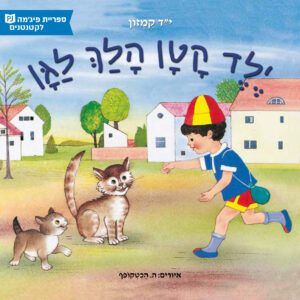
A Young Boy Went to Kindergarten
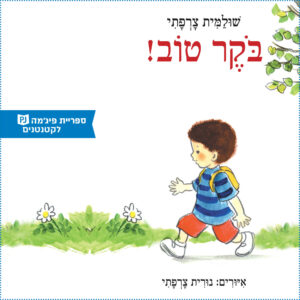
Good Morning!
Where to, Where to? To kindergarten!
Rosalinda
Workito Breaks the Dishes
Barefoot in the Sand
Nina Walks
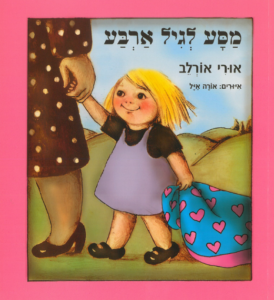
Journey to Age Four