המאייר עומר הופמן הוסיף בתמונות חן והומור לסיפור על השועל. כדאי לחלק את עותקי הספרים לילדים ולאפשר להם לדפדף לבד בספר, "לקרוא" אותו על-פי רצף התמונות ולהבחין בפרטים. אפשר לשאול אותם אם האיורים הצחיקו אותם, על מה לדעתם חולם השועל, אלו חיות נוספות מופיעות בתמונות שאינן מוזכרות בסיפור?
בתום קריאת המשל תוכלו לשוחח יחד על מעשיו של השועל: האם לדעתכם כל זה היה כדאי לו? האם עמדה לפניו דרך אחרת לפעול, מבלי לצום ולרזות פעמיים? מה דעתם על מעשיו של השועל שהתגנב דרך פרצה בגדר אל תוך הכרם?
זו הזדמנות להסביר לילדים מהו משל ולהכיר להם משלים נוספים. הסיפור המקורי על השועל והכרם מופיע במדרש קהלת רבה, ועובד על ידי ביאליק בספרו הגדול "ספר האגדה" בו כונסו אגדות רבות מהתלמוד והמדרשים. אפשר לבקש מהילדים וההורים לחפש בבית או בספרייה משלים וסיפורי חז"ל נוספים ולערוך בגן תערוכה. אפשר למצוא עוד משלים וסיפורי חז"ל באתר האינטרנט "ספר האגדה לילדים".
השועל "מככב" במשלים ומעשיות רבים. אפשר לשוחח עם הילדים על הערמומיות אשר מאפיינת את השועל ולהכיר להם סיפורים נוספים אודות שועלים, לדוגמה, "התרנגולים והשועל" מאת ח"נ ביאליק (שחולק בעבר במסגרת ספריית פיג'מה), או "משלי שועלים".
אפשר לדפדף בספר ולבקש מילדיכם לספר לכם את המשל על-פי רצף התמונות. כדאי לשים לב לפרטים שהוסיף המאייר. למשל, על מה חולם השועל? אלו חיות נוספות מופיעות בתמונות שאינן מוזכרות בסיפור?
האם אתם מכירים משלים נוספים? הסיפור המקורי מופיע במדרש קהלת רבה, ועובד על ידי ביאליק בספרו הגדול "ספר האגדה" בו כונסו אגדות רבות מהתלמוד והמדרשים. שפע של משלים וסיפורי חז"ל אפשר למצוא גם באתר "ספר האגדה לילדים". אתם מוזמנים לדפדף שם ולספר אותם לילדיכם.
השועל "מככב" במשלים ומעשיות רבים. אפשר לשוחח עם ילדיכם על הערמומיות אשר מאפיינת את השועל. האם אתם מכירים סיפורים נוספים אודות שועל (לדוגמה, התרנגולים והשועל מאת ח"נ ביאליק, או משלי שועלים)?
"מוזר, מה קורה כאן?" שואל הקבצן. כדאי לשאול את ילדכם למה לדעתם איש אינו מזמין את הקבצן לביתו פנימה. תוכלו להמחיז את הסיפור. דמיינו שאתם והילד דופקים עם הילד על דלתות בני העיירה ושואלים אותם: "מה שלומכם? מדוע אינכם פותחים את הדלת לקבצן?"
פתיחת הדלת לקבצן, או לכל אדם זר, אינה מתאימה לילדים צעירים, ועלינו להזהיר את ילדינו לבל יפתחו את הבית לאנשים זרים. אבל כן נוכל לפתוח את הלב! אפשר לשוחח על הדרכים שבהן אתם עוזרים למישהו, ולהיזכר במקרה שבו קיבלתם עזרה מאחרים.
לאחר אכילת המרק בני העיירה שרים, צוחקים ורוקדים – ויש די מרק לכולם. כדאי לקרוא יחד שוב מה תרמו אנשי העיירה למרק, איש איש בתורו, ולחשוב מה הם "הרוויחו" מתרומתם, שכה שימחה אותם. נסו להיזכר במקרה שבו נוצר משהו חדש וטוב יותר כאשר כל אחד תרם משהו משל עצמו.
מכינים מרק כפתורים (ללא הכפתור!): ממקל גזר ניתן להכין רק גזר, מבצל אחד – פשוט בצל, ומראש כרוב? נכון, ראש כרוב! אבל כשמכניסים את הירקות לסיר ומבשלים אותם יחד, נוצר דבר שונה, שערכו רב מערכו של כל מרכיב בנפרד. אפשר להזמין הביתה חברים של ילדכם, ולבקש מכל אחד להביא תרומה לתבשיל. בזמן שהמרק מתבשל תוכלו לצפות בשינויים בצורה ובטעם של כל המרכיבים, וגם לקרוא יחד את הסיפור.
הכירו את הקהילה שלכם: אפשר לטייל עם ילדכם בשכונה ולפרט את המקומות והאנשים שחולפים על פניהם בדרך – ספרייה, בית-כנסת, מתנ"ס, גן, מגרש משחקים. האם אנשים עוזרים זה לזה במקומות אלה? אילו פעילויות נערכות במקומות האלה ואי אפשר לעשותן לבד? בשובכם הביתה אפשר לשרטט תמונה של השכונה, ולכלול בה את המקומות והאנשים שפגשתם.
תוכלי לספר לילדים את האגדה המספרת שבאוהלו של אברהם אבינו היו ארבעה פתחים. כל פתח פנה לכיוון אחר על מנת שכל אורח, לא משנה מהיכן הוא מגיע ירגיש בנוח ויכנס.
כדאי לשוחח עם הילדים על הכנסת אורחים: האם הם אירחו חברים או בני משפחה בפסח? האם התארחנו אצל אחרים? תוכלו לדון בתפקידים השונים של המארח ושל האורח, ולהעלות יחד רעיונות כיצד נעזור לאורח להרגיש בנח. אפשר גם לשאול מה קורה כשלהורים באים אורחים מבוגרים או לאח/ות קטן או גדול מגיע אורח.
הכנסת אורחים היא חלק מחיי היום יום של הילדים, אולם לפעמים קשה להם לארח מפני שאינם יודעים מה אפשר לעשות עם החבר, או שקשה להם להתחלק בחפצים. תוכלו להשתמש בהזדמנות זו לשיחה אודות הדרכים לסייע לאורח להרגיש בנח.
מקורה של מצוות הכנסת אורחים היא דווקא בהזמנת אדם שזקוק להזמנה. אפשר לערוך בגן מבצע בו יזמין כל ילד חבר חדש, כזה שעדיין לא היה אצלו בבית. זו הזדמנות מצויינת ליצור קשרים חדשים בין ילדים ולסייע לילדים שמתקשים חברתית.
למושג "קהילה" פנים רבות. על מנת לקרב אותו לילדים רצוי להתחיל בשיחה על קהילת הגן: מי שותף לה, מה אנחנו אוהבים לעשות יחד, מה אנו עושים יחד שאין אפשרות לעשות לבד, איזה ערך מוסף יש לכך שאנו קהילה ולא כל אחד לבד בבית שלו וכן הלאה.
הצענו להורים לערוך טיול בשכונה, לשים לב למוסדות הקהילתיים בה (מתנ"ס, ספרייה, בית ספר, בית כנסת, וכו') ולאחר מכן לצייר אותם. שאלו את הילדים האם ציירו מקומות כאלו ובקשו שיביאו אותם. אפשר ליצור דגם של הקהילה ומוסדותיה אמיתיים או דמיוניים על הקיר בעזרת הציורים או לבנות מקוביות גדולות, לגו וכד'.
חמישה כפתורים יכולים להאיר עיירה שלמה! תוכלי לחלק את הילדים לשתי קבוצות. קבוצה אחת תצייר תמונות של העיירה החשוכה (בתים, תושבים) אליה הגיע הקבצן בתחילת הסיפור, וקבוצה אחרת תצייר תמונות של העיירה אחרי שאכלו יחד מרק כפתורים. אפשר לתלות את התמונות על לוח קיר כדי להבליט את השינוי.
כדאי לקרוא את הסיפור בקבוצות קטנות. האם ילדי הגן מצפים יחד עם שלושת האחים למצוא באדמת השדה אוצר במובן המוכר של המילה – אוצר פיזי בדמות מטבעות זהב? אפשר לשאול אותם מה הם היו שמחים למצוא בשדה. כדאי להשוות את תגובותיהם בהאזנה הראשונה לסיפור ובקריאות חוזרות.
כדאי להתבונן יחד עם הילדים באיוריה הנפלאים של מאיה איש-שלום ולעקוב אחר בעלי החיים שמופיעים במקומות מעניינים לאורך הסיפור. לאחר הקריאה הילדים יוכלו גם הם לצייר תמונות בגווני צהוב, זהב וחום.
ילדים רבים עסוקים בנושא "אוצרות". תוכלי להכין ולקשט עם הילדים תיבות אוצרות מחומרים ממוחזרים, בהן יוכלו לשמור חפצים קטנים. אפשר גם להזמין אותם להביא לגן "אוצרות" מן הטבע אותם מצאו בחוץ, ולהקדיש להם פינה מיוחדת.
הסיפור מלמד כי אוצר אינו תמיד חפץ. תוכלי להזמין את הילדים לציין את הדבר המייחד, או ה"אוצר", שבחברים בגן. אפשר לשבת במעגל ולבקש מכל אחד לאמר משהו יקר ומיוחד בחבר שיושב לצידו. תרשמי את דברי הילדים זה על זה, ואל תשכחי לפרסם את "רשימת אוצרות הגן" על לוח ההורים!
"זה מה שאבא היה עושה": במשפט זה שנאמר על ידי האחות הנבונה גלומה החכמה העתיקה של למידה מניסיונם של מי שקדמו לנו – הורים, סבים ודורות קודמים. אפשר להציג תערוכה בגן של פתגמים וסיפורי משפחות שעברו מדור לדור.
בעקבות הסיפור אפשר לזרוע חיטה ולעקוב אחר הגידול, ולהמשיך את התהליך בקציר, טחינת גרגרי החיטה הבשלים לקמח ואפייה. (באתר גנ-נט ובאתרים נוספים אפשר להתרשם מחוויות אלה וללמוד מניסיונן של גננות רבות).
במשך שנה, מסוף הקיץ לסוף הקיץ, האחים עובדים ומצפים לצמיחת החיטה ולשובו של אביהם. גם בספר "העץ המופלא" פגשו ילדי הגן בערכים דומים: הרווח שיש בשיתוף פעולה ובדחיית סיפוק ועשייה סבלנית. תוכלי לחזור להצעות לפעילות בספר זה ובספרים נוספים כמו "זרע של גזר".
כדאי להתבונן יחד באיורים, שם מופיעים פרטים רבים שאינם מוזכרים בסיפור. מה האחים אוהבים לעשות בזמן שאביהם עובד בשדה? מה עושות החיות בסיפור? אפשר לחפש את האיור שבו האבא מספר כי אינו זוכר איפה טמון האוצר. מה מדמיינים הילדים שימצאו שם? תוכלו לשאול את ילדיכם מהו "אוצר" בעיניהם ומה הם היו מקווים למצוא בשדה, לו הבטיחו להם אוצר?
ילדיכם יכולים לעבוד את האדמה, אפילו בבית! תוכלו להנביט יחדיו זרעים או לשתול פקעות, גלעין אבוקדו או תפוח אדמה בתוך עציץ או באדמה. משקים, מטפחים ועוקבים אחר הצמיחה. זה דורש מאמץ ושיתוף פעולה, אך כמו בסיפור – אולי בסוף גם בעציץ שלכם יצמח לו "אוצר"?
אוצר בבית! תוכלו להציע לילדים להכין קופסת אוצרות משלהם. אפשר להחביא את האוצר באחד מחדרי הבית ולשחק "חפש את המטמון". מכינים פתקים עם רמזים ומפתק לפתק הילדים מתקרבים אל האוצר שהחבאתם.
"עובד אדמתו ישבע לחם" (משלי כח 19): בשדה האחים חורשים, זורעים, קוצרים… בשפה העברית יש הרבה מילים המתארות את עבודת האדמה! תוכלו לעיין באיורים, לזהות יחד איזו פעולה מתבצעת בכל תמונה ולהשוות בין כלי העבודה – אז והיום.
הסיפור מתאר לנו את עונות השנה המתחלפות: האם ילדיכם יודעים איזו עונה הכי מתאימה לזריעה ולקציר? איזו עונה אהובה עליכם ועל ילדיכם ומדוע? הציעו לילדים לצייר את עצמם בעונה האהובה עליהם.



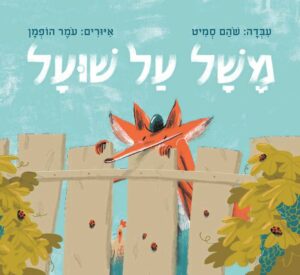 משל על שועל
 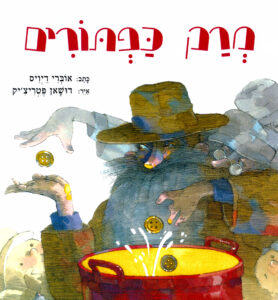 מרק כפתורים
 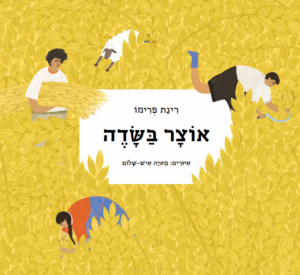 אוצר בשדה