קריאות עידוד: אפשר לחלק את התלמידים לקבוצות ולבקש מכל קבוצה לעצב על בריסטול קריאת עידוד כיתתית )למשל, ”המנסה הוא המנצח!“, ”בכיתה שלנו שאלות ּ מתקבלות בברכה!“, ”אם לא תשאל, איך תדע?“ ועוד(. כדאי לתלות את הכְרזות על קירות הכיתה.
גינה של שאלות: כמו הגינה על גב החמור בסיפור, גם את הסקרנות של התלמידים כדאי לטפח, להפריח ולהצמיח! אפשר ליצור עם התלמידים קיר כיתתי מלא בפרחי נייר. בכל פעם שנשאלת בכיתה שאלה מעניינת, אפשר לכתוב אותה במרכז אחד הפרחים. אפשר גם לרשום דברים שהילדים רוצים ללמוד. בוודאי תצמח לכם גינה מפוארת ומלאת עניין!
מציגים את זה! הסיפור ציורי והתפקידים בו רבים: בשוק, בכיתה ובבית של רחל ורבי עקיבא. אפשר להיעזר בתפאורה, במוזיקה ובתחפושות ולהעלות הצגה של הסיפור לפני תלמידי בית הספר או ההורים.
תוכלו לבקש מילדיכם לחפש את האיור של החמור שעל גבו גינה. לו ידע לדבר, מה הוא היה אומר? כיצד הוא מרגיש ומה הוא חושב? אפשר להמציא דו־שיח בין רחל לבין החמור. הציעו לילדיכם לבחור את הדמות שהם רוצים לייצג, ושתפו זה את זה בשיחה דמיונית שבה רחל והחמור מביעים את רגשותיהם ואת כוונותיהם.
האם קרה שנמנעתם מלימוד של תחום חדש כי התביישתם? האם גם אתם למדתם משהו בגיל מבוגר, למשל שפה חדשה, לנגן בכלי נגינה, מקצוע חדש? כדאי לשתף את ילדיכם. אפשר לבקש מילדיכם ללמד אתכם דבר מה שהם מתמצאים בו היטב. ואולי תרצו לצאת וללמוד יחד דבר חדש – כי אין הביישן למד!
סיפורים רבים נכתבו על רחל ורבי עקיבא. אפשר לחפש בבית, בספרייה או באינטרנט עוד אגדות על אודותיהם ולהרחיב את ההיכרות עם דמויות מופת אלו. אם אתם מכירים את המנגינה, תוכלו גם לשיר יחד .
לפני הצגת הספר בגן כדאי לקחת עותק הביתה, לקרוא אותו בשקט ולעיין לעומק באיורים. איפה את מתחברת לסיפור, מה מעוררים בך האיורים? שתפי את חברות הצוות, וחשבו יחד על הילדים השונים בגן שלך ועל הדרכים שמתאימות לקריאת הסיפור.
רצוי לתת לילדים זמן להתבונן באיורים המופלאים שבספר. אפשר לספר לילדים שנעמה בנזימן כתבה את טקסט הסיפור וגם איירה אותו. בעקבות העיון בתמונות ניתן לפתח שיחה – מה דעתם של הילדים על האיורים? מה הקשר בין התמונות והסיפור? האם שמתם לב לדמיון בין הדמויות ב"יער התכלת מתחת לאדמה" לבין השטיח בגן? אפשר לעצור בעמוד בו אמיליה ניגשת לשלוש המדרגות בכניסה לגן ולעקוב אחר השינויים במבע הפנים שלה.
אפשר לשוחח עם הילדים על דמיון ומציאות, על חלומות, על דברים ורגשות שקשה לתאר במילים. בקבוצות קטנות ניתן להמציא יחד סיפור פרי דמיונכם ולהציע לילדים לצייר אותו.
לאמיליה היה חשוב להיכנס לגן לבד, "בְּלִי בְּעָיוֹת וּבְלִי עִנְיָנִים". אפשר להסתכל בתמונה הראשונה בספר, כאשר אמיליה נפרדת בה מאמא, ולהשוות את הכניסה שלה לגן עם הכניסה של הילדים לגן שלכם. מה עוזר לילדים להיפרד בבוקר? מה תפקיד החברים שנמצאים כבר בתוך הגן? האם יש לילדים מסוימים טקס פרטי או דרך אחרת שמקלה את הפרֵדה בבוקר?
אפשר לבקש מהילדים לעצום עיניים ולדמיין חפץ שמשתנה בדמיון. בעקבות הסיפור תוכלי לשאול "אם אני לא מטאטא, אני…", "אם אני לא מריצה, אני…". בהמשך הציעי לילדים לצייר חפץ שהשתנה בדמיונם.
איך מצוירים הכניסה, החצר ופנים הגן של אמיליה? מה דומה ומה שונה בהשוואה לגן שלכם? אפשר להסתכל מקרוב על הכניסה לגן שלכם: האם גם לכם מדרגות שמובילות אל הדלת? האם גם לכם מכסה לביוב? איפה אתם מאחסנים את המטאטא שלכם? בעקבות הסיפור אפשר בשיתוף הילדים לקשט אחרת את הכניסה לגן.
כמו אמיליה, כל אחד מרגיש לפעמים גדול, לפעמים קטן. אפשר לספר שוב את הסיפור ולבחון מתי אמיליה מרגישה גדולה ומתי קטנה. תוכלי לשאול את הילדים מתי הם מרגישים גדולים או קטנים, ולהדגיש את היתרונות של כל מצב.
הספר עשוי לחזק ילדים שלפעמים מתקשים להיכנס לגן, ולסייע לך בעבודה איתם ועם הוריהם. כולנו משקיעים מאמצים להקל על ילדים בתחילת שנה, לאחר חופשה או היעדרות מהגן, כשאחד ההורים במילואים או נעדר מהבית… אך ילדים רבים מתקשים בכניסה לגן לאורך השנה, מסיבות שונות. לפעמים אנו מודעים לקשיים אלו ולעתים איננו שמים אליהם לב. אפשר לשוחח עם קבוצת ילדים על כניסתם לגן באותו בוקר – מה היה, על מה הם חשבו, מה הם ראו בדרך. בעקבות השיחה הילדים יכולים לצייר את הדרך שלהם אל הגן ועל מה חשבו.
דנה מוזכרת בסיפור בדיוק ברגע שאמיליה מרגישה לבד. תוכלי לקשר את הסיפור לנושא חברות ולדבר על החברים בגן ובבית. מה אוהבים לעשות יחד, מתי טוב לנו לבד ומתי מהנה יותר עם חברים.
בעקבות הסיפור על אמיליה תוכלו להתייחס לדברים שילדי הגן יודעים לעשות לבד ועל אלו שמצריכים עזרה. אפשר לשתף את ההורים ולבקש שישוחחו עם הילדים ויכינו איתם רשימה מצוירת של דברים שהילדים עושים בלי עזרה.
הסיפור של אמיליה אינו מוגבל לחוויית הכניסה אל הגן, הוא סיפור על התגברות על חששות. ניתן להציע להורים לשוחח עם ילדיהם על אומץ ולצייר יחד חוויה של התגברות על פחד או חששות. הילדים יכולים להסביר את התמונה שציירו לחברים בגן, ואפשר להציג את הציורים על לוח קיר.
לאמיליה היה חשוב להיכנס לגן לבד, "בְּלִי בְּעָיוֹת וּבְלִי עִנְיָנִים". אפשר להסתכל בתמונה הראשונה בספר, שאמיליה נפרדת בה מאמא, ולהשוות את הכניסה שלה לגן עם הכניסה שלכם לגן. מה עוזר לילדיכם להיפרד מכם בבוקר? האם יש לכם טקס פרטי או דרך אחרת שמקלה את הפרֵדה? אפשר להמציא דרך חדשה להיכנס לגן שתגרום גם לילדיכם להרגיש גדולים ואמיצים.
כמו אמיליה, כל אחד מרגיש לפעמים גדול, לפעמים קטן. אפשר לספר שוב את הסיפור ולבחון מתי אמיליה מרגישה גדולה ומתי קטנה. תוכלו לשאול את ילדיכם מתי הם מרגישים גדולים או קטנים, ולהדגיש את היתרונות של כל מצב.
דנה מוזכרת בסיפור בדיוק ברגע שאמיליה מרגישה לבד. תוכלו לדבר על החברים שלכם ושל הילדים. מה אנחנו אוהבים לעשות יחד, מתי טוב לנו לבד ומתי מהנה יותר עם חברים.
דנה שמחה מאוד לפגוש את אמיליה, והן משחקות יחד. גם אתם יכולים לשחק ולערוך מסיבת תה. מה תגישו במסיבת התה שלכם, מי יהיה גדול ומי קטן? אפשר לצרף למשחק בובות וחיות פרווה.
בעקבות הסיפור על אמיליה תוכלו לשוחח יחד על הדברים שילדיכם יודעים לעשות לבד ועל אלו שמצריכים עזרה. אפשר גם לשתף אותם בחוויות שאתם התגברתם עליהן לבד ובמצבים שנעזרתם בחברים או בבני משפחה.
תוכלו לשתף את ילדיכם בחוויות ילדות שלכם. האם גם אתם ביקרתם בגן, האם גם אתם התקשיתם להיפרד בבוקר מההורים? עם מי שיחקתם, מה אהבתם לעשות? במה הגן שלכם היה שונה ובמה הוא היה דומה לגן הנוכחי של ילדיכם?
אנו מאחלים לכם קריאה מהנה ושיחה נעימה!



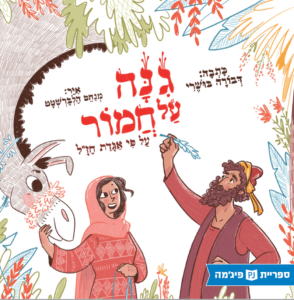 גינה על חמור
 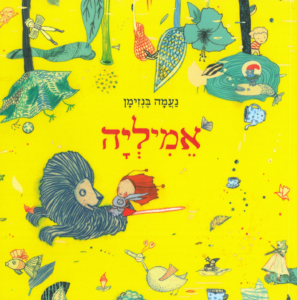 אמיליה