לשתול? לנטוע? לטפח אתר? לנקות חוף? קיימות היא היכולת לשפר ולשמר את הסביבה, את משאבי הטבע ואת ערכי הטבע כך שיהיה אפשר ליהנות מקיומם לאורך זמן ובדורות הבאים. קריאת סיפורים על קיימות וקיום פעילויות בנושאים סביבתיים, מסייעים לפתח גישה חיובית לסביבה ולהקנות הרגלי חיים ירוקים כבר בגילים צעירים.
יש מקום ציבורי בסביבה שלכם שאתם אוהבים? כשתבקרו בו תוכלו לעצור לרגע ולחשוב מה עושה אותו נעים, איך הוא תורם לסביבה ואיך אפשר לשמור עליו. תוכלו למשל ליזום מבצע ניקיון או טיפוח עם משפחה וחברים.
סבא יאשקה ממציא המצאות מיוחדות כמו מנורת לילה שנכבית כשנרדמים או מצפה ציפורים תת־ימי. אילו המצאות מיוחדות שיסייעו לכם ולאחרים הייתם ממציאים? אפשר לדמיין, לצייר או לבנות מגרוטאות המצאות מיוחדות.
הספר נוגע בדרך ייחודית ומשעשעת בנושאים שונים שאפשר לעסוק בהם בכיתה.
הדאגה לסביבה והחשש מפגיעת בני האדם בטבע שסבא יאשקה מבטא בלהט חסר פשרות יכולים לעורר השראה לפרויקטים כיתתיים לשמירת הסביבה הקרובה.
השתלשלות העניינים בספר מראה כיצד עלולות להיווצר אי-הבנות כאשר ממהרים להסיק מסקנות מאירועים, ולא מדברים עליהם, דבר שקורה פעמים רבות גם ביחסים בין חברים ובתוך הכיתה.
הקשר הבין-דורי בין אודי לתמר, הנכדים הנבונים, ובין סבא יאשקה, הממציא עם הראש המיוחד, מעורר סקרנות ויצירתיות, וניתן לעורר אותן גם באמצעות פעילויות בכיתה בהשראת הספר.
אפשר לחלק את הקריאה לשני חלקים: הראשון, עד הכנת התכסיסים. לאחר החלק הזה ניתן לקיים עצירתניבוי ולשאול: "מה לדעתכם יקרה בהמשך, כשהאנשים שמדדו את השטח יגיעו? מה הם מתכננים לעשות בו לדעתכם?".
במפגש חוזר עם הספר ניתן לפתח שיחה שבה הילדים יביעו את רגשותיהם ויספרו עם מי הם מזדהים: עם הנכדים או עם הסבא, ולשאול שאלות המתמקדות במחשבות ובהשערות – "מה חושבים הנכדים? מה חושב סבא? כיצד סבא מרגיש אחרי שנודע לו כי הבנאים לא יהרסו את החוף?" – ושאלות המתמקדות בדעות – "מה דעתכם על המעשה של סבא?".
שאלות להבנת הרצף הסיפורי – "למה סבא יאשקה מתכנן תכסיסים? מה הוא חושב שהאנשים שמודדים את השטח מתכננים לעשות? מה הם באמת תכננו לעשות?"
"דיבורים לא יועילו עם האנשים האלו, צריך לשכנע אותם במעשים" – "לְמה מתכוון סבא יאשקה במשפט הזה? מה דעתכם עליו? האם אתם מסכימים איתו? באילו מצבים אנשים ממהרים לפעול מבלי לדבר לפני כן? סבא יאשקה נחפז להסיק מסקנות לפני שבירר את הדברים לעומק. הייתם פעם במצב דומה שבו מיהרתם להסיק מסקנות? ואולי מישהו הסיק מסקנות בנוגע אליכם?"
המצאות – "אֵילו המצאות מיוחדות סבא יאשקה ממציא? מה הופך משהו להמצאה? אילו המצאות מפורסמות אתם מכירים?"
תוכלו לספר לילדים על המצאה או על ממציאים מפורסמים ולשאול: "אֵילו תכונות נדרשות כדי להמציא משהו? אֵילו שאלות כדאי לשאול כשרוצים להמציא משהו חדש? איזו המצאה הייתם ממציאים בעצמכם?"
תוכלו לתכנן ולבצע פרויקט כיתתי לשמירה על הסביבה ולטיפוחה בשטח בית הספר או במקום קרוב, לדוגמה: ניקיון, בניית ספסל אקולוגי, שתילה וגינון בתיאום עם האגף הרָשותי האחראי לתחום.
אפשר להזמין את הילדים לגייס את המשפחה לפעולה משותפת למען הסביבה שתיבחר מתוך בנק רעיונות שתעלו בכיתה, למשל: הכנת קומְפּוסְט, שימוש בקשיות רב- פעמיות, איסוף זבל מחוף הים, ולאחר מכן להציג בכיתה תמונות ולספר על הפעילות.
הציגו בפני התלמידים את ההגדרה למושג "תכסיס" – "תחבולה, תרגיל מחושב, שיטה מתוחכמת וערמומית לבצע או להשיג דבר-מה". (על פי מילון "רב-מילים ")
מכיוון שמדובר בתלמידים צעירים, חשוב להדגיש כי משמעות המושג "תכסיס" בסיפור היא חיובית, ולהבהיר להם כי לא כל מזימה היא תכסיס. אפשר לתת להם לבחון אירועים שונים ולשפוט מתי מדובר במזימה ומתי בתכסיס.
אפשר להציג בפני התלמידים דוגמאות לתכסיסים ידועים מהתנ"ך או מההיסטוריה, כמו: כיבוש יריחו וכיבוש טרויה.
ספרו לתלמידים שסבא יאשקה פונה אליהם בבקשה לעזרה: הוא הוזמן להשתתף בתחרות תכסיסים בין-לאומית, וחסרים לו רעיונות, לכן הוא מבקש את עזרת הכיתה בתכנון תכסיסים.
חלקו את הכיתה לקבוצות קטנות (4-2 בקבוצה). כל קבוצה תתכנן את התכסיס שלה ותצייר אותה על פלקט/דף גדול ולאחר מכן תציג אותו בכיתה.
"וכל מה שבראתי – בשבילך בראתי. תן דעתך, שלא תקלקל ותחריב את עולמי. שאם קלקלת, אין מי שיתקן אחריך."
מתוך מדרש קהלת רבה (פרשה ז, פסוק יג)
ציטוט זה מדגיש את האחריות שהוטלה על האדם לשמור על העולם ועל הטבע, שנמסרו לו כפיקדון, מתוך מחשבה על הדורות הבאים. הוא משקף רעיון מרכזי ביהדות המעודד מודעות ואחריות לסביבה.
תוכלו לשחק "חפש את המטמון" עם פתקים מצוירים שרומזים למיקומים שונים בגן. הילדים יעברו מתחנה לתחנה עד שיגיעו אל התחנה האחרונה, בה יחכה להם המטמון – סלסלת פירות לכל הילדים.
אפשר להכין עם ילדי הגן מגדיר זרעים וגרעינים. אוספים גרעינים וזרעים שונים, מדביקים כל ממצא על בריסטול, מתארים את תכונותיו ומדביקים לצדו תמונה של הפרי ממנו בא או הצמח שאליו יגדל. אפשר לבקש מההורים להשתתף בהכנת המגדיר ולעזור באיסוף הגרעינים והזרעים.
אילו עצים צומחים בסביבת הגן? האם אלה עצי סרק או עצי פרי? אפשר לצאת לטיול קצר בחצר ולגלות דברים נפלאים. צורת העלים השונה, הפירות שצומחים כעת או יצמחו בעתיד. אילו חיות נהנות מהעץ? אוכלות מפירותיו מקננות, מטפסות או חיות למרגלותיו?
על טעם וריח… האם הילדים יכולים לזהות פרי בלי לראות אותו? אפשר לשחק את "נחש מה הפרי". מכסים את העיניים, מוציאים פרי מסלסלה ומנסים לגלות מה הפרי בעזרת חושי המישוש, הריח – אפילו הטעם. בודקים האם הוא גדול או קטן? מה המרקם שלו, האם יש לו ריח?
האם אתם מכירים עוד ספרים שכתבה רינת הופר? אוספים את כל ספרי הופר שיש בגן, מבקשים מהילדים להביא מהבית ספרים שיש ברשותם ומקדישים מקום בגן ל"פינת רינת הופר" וזמן לקריאת הספרים.
איפה הלב?
כדאי לדפדף יחד בספר ולעיין באיורים הצבעוניים. מה גדל על כל עץ? האם ילדיכם שמו לב שהסיפור נפתח בלב קטן בכיס של חנן הגנן ומסתיים בחמישה עצים בצורת לב? חפשו בין הדפים ונסו למצוא יחד את הציפור שמלווה את הסיפור.
פעמון ופזמון
רצוי לחזור ולקרוא את הספר כמה פעמים. הילדים יכולים להצטרף לפזמון החוזר "דין דין דון בפעמון", ולאחר כמה קריאות הם יכירו את הסיפור ויוכלו לספר אותו על-פי רצף האיורים.
משחק החושים
תוכלו לשחק יחד "מי מזהה את הפרי". מכסים את עיני הילדים במטפחת ונותנים להם פרי: האם הם יצליחו לזהות אותו? כדאי להנחות אותם להשתמש בחוש המישוש ובחוש הריח. אפשר גם לנגוס בפרי ולנסות לזהות אותו בעזרת חוש הטעם.
ספר מוביל לספר
האם אתם מכירים ספרים נוספים שכתבה ואיירה רינת הופר (למשל: "איילת מטיילת", "מפלצת סגולה")? כדאי לחפש אותם בבית או בספרייה ולקרוא אותם יחד.
הפתעה באבוקדו
גם אתם יכולים להצמיח לעצמכם מטמון! לוקחים גלעין של אבוקדו, נועצים בו ארבעה קיסמים וטומנים אותו בצנצנת, כאשר הקצה המחודד פונה כלפי מעלה והחצי הרחב שלו טובל במים. תוכלו לעקוב אחר הנביטה: האם הגלעין שלכם גדל לעץ אבוקדו?
מה קורה בסוף הסיפור? בוודאי שמתם לב לעמודים האחרונים של הספר, בהם העלילה מתוארת באמצעות תמונות בלבד. רצוי לתכנן מראש כיצד "לקרוא את כל הספר עם הילדים" בהיעדר טקסט מילולי. האם ברור מה קורה אחרי שחנה נרדמת? מי הדמויות בעמוד האחרון של הספר? כדאי לזכור שעבור ילדים, האיור הוא העיקר. אפשר לבקש מהם "לקרוא את התמונות" ולגלות לנו את סוף הסיפור.
כדאי לאפשר לילדים לדפדף בספר ולהתבונן באיורים של גל שקדי, המלווים את הסיפור. האם הם שמו לב לבעלי החיים הרבים שמופיעים באיורים לצד העצים? תוכלו להשוות בין העצים השונים. כמה עצים מוזכרים בסיפור? אילו עצים הם עצי פרי ואילו עצי סרק? בעקבות האיורים, הילדים יכולים ליצור עצים בטכניקות אמנות שונות.
אפשר להזמין הורים וילדים ל"טיול עצים" בסביבת הגן. אולי גדלים בסביבה העצים שמופיעים בסיפור? ואולי עצים אחרים? תוכלו להשוות בין העצים: מה התועלת של כל עץ? אלו הם עצי נוי ואלו מניבים פרי? כיצד יודעים אם העץ צעיר או זקן?
אפשר לקרוא את הסיפור בחוץ, בחיק הטבע, תחת עץ. כדאי לצייד את הילדים בשקיות או דליים לאיסוף אצטרובלים, קליפות עץ, זרדים, עלים ועוד. עם חזרתכם לכיתת הגן הילדים יכולים להכין מהם יצירה.
העצים מביאים לנו תועלת רבה. אפשר לעבור בין פינות הגן ולחפש את כל הדברים שעשויים מעץ, למשל: רהיטים העשויים מעצים שונים, שמן לבישול ולמאור מעץ הזית, יין וצימוקים מהגפן וכדומה. אפשר לבקש מהילדים לחפש חפצי עץ בבית, לצייר או לצלם אותם ולערוך בגן תערוכה של דברים העשויים מעץ.
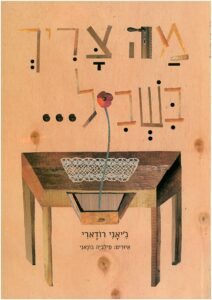
כדאי לשאול מגננות בגני טרום חובה את הספר "מה צריך בשביל…", שחולק ברשימת הצעירים בתחילת השנה, ולקרוא אותו עם הילדים. אפשר להכין יצירות וקולאג'ים בהשראת ספר זה.
במסורת היהודית נהוג לנטוע עץ כדי לציין אבני דרך חשובות בחיים. אפשר לבקש מהילדים וההורים לספר על מסורות משפחתיות הקשורות לעצים. האם גם הם נוטעים עצים לרגל לידה או בשל אבני דרך נוספות במהלך החיים? האם נטעו עבורם עץ ביער של קרן קיימת לישראל? אם כן, אולי אפשר להראות לילדים דוגמה של תעודה שמציינת את הנטיעה, או הקופה הכחולה של קק"ל.
אפשר לקשר את הסיפור לנושא שנת השמיטה. במסורת היהודית יש ערך רב לנטיעה ולשמירה על העולם לטובת הדורות הבאים. השנה בלוח בעברי, תשע"ה, היא שנת שמיטה, שבה נהוג להעניק לאדמה ולעצים "מנוחה" ולאפשר לאדמה להתאושש ולהתחדש. גם השמיטה מבטאת את הרעיון של דחיית הנאה מיידית וההשקעה למען העתיד.
אפשר לחפש בספריית הגן, ולבקש מהילדים לחפש בבית או בספרייה, ספרים נוספים אודות עצים (למשל: האגדה על חוני ועץ החרוב שמופיעה כאן, השיר "איש העץ" מאת שלומית כהן-אסיף, "מר זוטא ועץ התפוחים" מאת אורית רז ועוד). תוכלו לקרוא את הספרים בגן ולערוך תצוגה של "סיפורי עצים".
האם ילדי הגן מכירים ביטויים או פתגמים סביב עצים (למשל, "צדיק כתמר יפרח" – אותו אפשר גם לשיר יחד, "איש תחת גפנו ותחת תאנתו , "לא דובים ולא יער"…)? בעקבות הסיפור תוכלי להסביר את הביטויים לילדים ואף להציע להם להמציא ביטויים חדשים.
סיפורי עצים: האם עומד בקרבת הגן עץ שאתם משחקים לידו, או מכירים סיפור שקשור בו (לדוגמא: מי נטע אותו, היכן הוא נמצא וכו')? אנו מזמינים אתכם להצטלם ליד העץ ולכתוב ליד התמונה את סיפורו של העץ. נשמח לפרסם את התמונות וסיפורי העצים באתר ובדף פייסבוק של ספריית פיג'מה. (אם מבקשים לפרסם תמונות של הילדים יש לדאוג לאישור חתום ע"י הורי הגן.)
הסיפור נכתב בהשראת האגדה אודות חוני ועץ החרובים, המופיעה בתלמוד הבבלי, במסכת תענית כ"ג, ע"א:
פעם אחת היה [חוני] מהלך בדרך, ראה אדם אחד שהוא נוטע חרוב.
אמר לו: זה לכמה שנים טוען פירות?
אמר לו: לשבעים שנה.
אמר לו: כלום ברי לך שתחיה שבעים שנה ותאכל ממנו?
אמר לו: אני מצאתי את העולם בחרובים, כשם שנטעו אבותיי לי, כך אטע אני לבניי.
מקור מנהג נטיעת עץ לרגל לידת בן או בת
בגמרא (גיטין, נ"ז, ע"א) מסופר כי בעיר ביתר, כאשר נולד תינוק היו נוטעים לכבודו ארז; וכאשר נולדה תינוקת היו נוטעים לכבודה ברוש. כאשר היה מתחתן זוג, היו נוטלים ענף מהארז וענף מהברוש ובונים מהם חופה.
כדאי להתבונן יחד באיורים של גל שקדי, המלווים את הסיפור. שימו לב לבעלי החיים הרבים שמופיעים באיורים לצד העצים. תוכלו להשוות בין העצים השונים. כמה עצים מוזכרים בסיפור? אילו עצים הם עצי פרי ואילו עצי סרק?
האם גם לכם עץ אהוב בקרבת הבית? האם יש מאחוריו "סיפור"? אפשר לצאת ל"טיול עצים" בסביבת הבית. אולי גדלים בסביבה העצים שמופיעים בסיפור? ואולי עצים אחרים? תוכלו להשוות בין העצים: מה התועלת של כל עץ? אלו הם עצי נוי ואלו מניבים פרי? כיצד יודעים אם העץ צעיר או זקן? תוכלו לארוז את הספר, שמיכה וכיבוד קל, ולקרוא את הסיפור יחד בחיק הטבע, תחת עץ. בהמשך אפשר לאסוף אצטרובלים, קליפות עץ, עלים ועוד, ולהכין מהם יחד יצירה עם חזרתכם הביתה.
בסיפור חנה מבקשת לטפס על עץ "עכשיו", ואבא מבקש לנוח "עכשיו". המצב הזה מוכר במשפחות רבות. איך אתם מגיבים במצב של התנגשות בין רצונות בין בני המשפחה? תוכלו לשוחח יחד על דברים שרוצים מייד, על דברים שדורשים המתנה, על התחשבות ברצונות של אחרים ועל סבלנות.
העצים מביאים לנו תועלת רבה. אפשר לעבור בין חדרי הבית ולחפש את כל הדברים שעשויים מעץ, למשל: רהיטים העשויים מעצים שונים, שמן לבישול ולמאור מעץ הזית, יין וצימוקים מהגפן וכדומה.
האם אתם מכירים עוד סיפורים על עצים (למשל: האגדה על חוני ועץ החרוב שמופיעה כאן, השיר "איש העץ" מאת שלומית כהן-אסיף, "מר זוטא ועץ התפוחים" מאת אורית רז, או "מה צריך בשביל…" מאת ג'יאני רודארי)? תוכלו לחפש את היצירות בבית או בספרייה ולקרוא אותן יחד
במסורת היהודית נהוג לנטוע עץ כדי לציין אבני דרך חשובות בחיים. כיצד המשפחה שלכם מציינת אירועים או אנשים חשובים? האם גם אתם נוטעים עצים לרגל לידה או בשל אבני דרך נוספות במהלך החיים?
במקורות שונים האדם משול לעץ. אפשר לשוחח עם ילדיכם על השורשים שלכם, על הזרעים שאתם זורעים למען העתיד, על ענפי המשפחה שלכם ועוד. בהמשך אפשר לשרטט יחד "אילן יוחסין" של המשפחה שלכם, מדור הסבים עד דור הילדים.
כמו העצים, גם בני-אדם זקוקים לבסיס יציב על מנת לצמוח. בעקבות הסיפור אפשר לשוחח עם ילדיכם על דברים שחשובים לכם – ערכים, מעשים, מסורות ואמונות – שמחזקים את "בסיס" העץ של המשפחה שלכם ותומכים בצמיחתכם.
רצוי להציג את הספר בקבוצות קטנות. בטרם קריאת הספר כדאי להתייחס לכריכה. האם שמתם לב לפרח שצומח בתוך שולחן העץ? מה בא קודם, הפרח או השולחן? כדי להרגיש בדרך נוספת את המחזוריות של הטבע, ניתן לקרוא את הספר הפוך, מהסוף להתחלה.
כדאי לאפשר לילדים להתבונן לבד באיורים המיוחדים ולגלות אט-אט את הפרטים הרבים בדפי הספר. ניתן לכוון אותם לעיין מקרוב: מה מצולם ומה גזור? האם הם מכירים את כל החפצים שבתמונות? ניתן להציע להם לחפש את כל הדברים שעשויים מעץ. למשל, האם הם שמו לב לצורת האותיות?
אילו עצים נמצאים בסביבת הגן? אפשר להזמין את ההורים לטיול משפחות ולהתפעל יחד מיופי הבריאה והטבע. בדרך אפשר לאסוף זרדים ועלים מיוחדים, מהם ההורים והילדים יוכלו ליצור ספרונים מעשי ידיהם שמתארים "מה צריך בשביל…".
אפשר לשוחח עם הילדים על צמחייה, ועל העצים שהם מכירים. אילו עצים יפים בעיניהם? אילו עצים מניבים פרי ואילו לא? אפשר לשוחח על הדרכים השונות שבהן ניתן ליהנות מזנים שונים של עצים.
אפשר לשחק משחק "ממה עשוי…?": כל אחד בתורו חושב על חפץ בחדר (רהיט, כלי מטבח, צעצועים…) ומצהיר: "אני חושב/ת על משהו שעשוי מ…". על הילדים האחרים לנסות לנחש מהו החפץ.
לעתים קרובות ילדים צעירים שואלים שאלות כמו "מה צריך בשביל…?". אנחנו לא תמיד יודעים את התשובות, ולפעמים שאלות הילדים אינן נוחות לנו – ובכל זאת, רצוי לעודד אותם לשאול. עצם השאלות התמימות של הילדים, עצם ביטויי הפליאה שלהם, מזכירים גם לנו המבוגרים להאט את הקצב, להתבונן סביב וליהנות מהטבע והיצירה.
"מה צריך בשביל…" הוא הספר הראשון לשנה זו. כמו כל הספרים שיחולקו השנה, כדאי לדאוג לזמינות של עותקי הספר שנמסרים לספריית הגן כדי שאת והילדים תוכלו לחזור אליהם. בפרט רצוי להיזכר בו ובברכת האילנות עם בוא האביב בחודש ניסן. אפשר לקרוא עוד על ברכת האילנות כאן.
כדאי לשבת עם ילדיכם ולגלות יחד אט-אט את הפרטים הרבים בדפי הספר. האם שמתם לב לאותם הפרטים? האם גיליתם משהו מפתיע או מצחיק בתמונות? אפשר לשאול את ילדיכם האם הם מכירים את כל החפצים שבתמונות? מה מצולם ומה גזור? ניתן לדפדף בספר ולחפש את כל הדברים שעשויים מעץ. למשל, האם שמתם לב לצורת האותיות?
כדאי להתייחס גם לכריכה של הספר. האם שמתם לב לפרח שצומח בתוך שולחן העץ? מה בא קודם, הפרח או השולחן? כדי להרגיש בדרך נוספת את המחזוריות של הטבע, ניתן לקרוא את הספר הפוך, מהסוף להתחלה.
ברכת האילנות מזכירה לנו לעצור וליהנות מהטבע. אפשר לשוחח יחד על צמחייה, ועל העצים שאתם מכירים. אילו עצים יפים בעיניכם? אילו עצים מניבים פרי ואילו לא? אפשר לשוחח על הדרכים השונות שבהן ניתן ליהנות מזנים שונים של עצים.
גם אתם יכולים להכין ספרון שמספר את הסיפור "מה צריך בשביל…": גוזרים או קורעים יחד תמונות וצילומים מתוך עיתונים או שבועונים ישנים. מדביקים את גזרי התמונות על דפים לבנים, מחוררים ומקשרים את הדפים בחוט, ומרכיבים מהם ספרון. האם גם בספרון שלכם יש פרחים ועצים?
האם ילדיכם יודעים ממה עשויים המאכלים שהם אוכלים, הבגדים שהם לובשים, הספרים והצעצועים שלהם? בעקבות הספר כדאי לעודד ולאפשר שאלות על מקורם של חפצים יומיומיים. עיסוק בתהליך היצירה – גם אם לא תמיד אנו יודעים את התשובה – עשוי להרחיב את עולם הידע ולהגביר את מידת ההערכה וההוקרה של הילדים – וגם שלנו!
אפשר לשחק משחק משפחתי "ממה עשוי…?": כל אחד בתורו חושב על חפץ ביתי (רהיט, כלי מטבח, צעצועים…) ומצהיר: "אני חושב/ת על משהו שעשוי מ…" על האחר לנסות לנחש מהו החפץ.
אנו מאחלים לכם קריאה מהנה ושיחה נעימה!
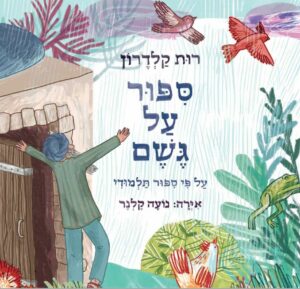
כדאי לקרוא את הספר בקבוצות קטנות ולאפשר לילדים להתבונן מקרוב באיורים. העלילה פשוטה והילדים יוכלו לספר את הסיפור במילים שלהם על פי רצף האיורים. כדאי להסב את תשומת לב הילדים לדרך שבה איירה המאיירת את הגשם, ולהזמין אותם לחפש בתמונות סימנים למקום ולתקופה. איננו יודעים איך נראה רבי חנינא בן דוסא, אבל אנחנו יכולים לדמיין את אורח החיים באותם ימים ואת הנוף הגלילי.
תוכלו לספר לילדים על הדמות המיוחדת רבי חנינא בן דוסא. ספר נוסף אודותיו חולק לגני הצעירים בתשע"ה, "התרנגולים שהפכו לעזים". תוכלי לחפש אותו ולקרוא אותו עם הילדים.
אפשר להכין עם הילדים כלי לאיסוף מי גשם. חותכים בקבוק פלסטיק ומסירים את החלק העליון שלו. ממקמים את הבקבוק הריק בשטח פתוח בכניסה או בחצר בית הספר, או תולים אותו עם חוט ברזל מחוץ לחלון הכיתה. הילדים יכולים לעקוב אחר הצטברות המים בבקבוק, למדוד כמויות ולבדוק כמה זמן לוקח לו להתמלא. כשהמכל מלא ילדי הכיתה יכולים להחליט כיצד להשתמש במים שהצטברו.
אפשר להתבונן יחד באיורים ולבקש מילדיכם לספר את הסיפור במילים שלהם. איך מגיבים בעלי החיים השונים לגשמים? כיצד בחרה המאיירת לצייר את הגשם והרוח? איננו יודעים איך נראה רבי חנינא בן דוסא, אבל אנחנו יכולים לדמיין את אורח החיים באותם ימים ואת הנוף הגלילי. נסו לחפש בתמונות סימנים למקום ולתקופה.
אפשר להתחפש לדמויות השונות ולהמחיז יחד את הסיפור בפני חברים ומשפחה. בשילוב תנועות והבעות פנים תוכלו לדמיין כיצד הציפורים והחיות מביעות נחת מהגשמים וצער מהפסקתם.
האם אתם אוהבים את הגשם ומצפים לו? אפשר לשוחח על דברים שמהנים אותנו בחורף, ועל השפעת הגשם על הצמח והחי. האם פעם נאלצתם לשנות תכניות לטיול או בילוי בחוץ, בגלל תנאי מזג האוויר? תוכלו להיזכר יחד.
תוכלו להכין קופסת רעיונות למשחק ולבילוי בימים גשומים. מבקשים מהילדים לקשט קופסת נעליים ריקה. בתוך הקופסה אפשר לשמור הפתעות קטנות כמו מדבקות, צבעים, גולות, מְכל להפרחת בועות סבון, וגם פתקים מצוירים עם רעיונות לפעילות משפחתית ביום גשום (שעשועי מילים, קריאת ספרים, בישול ואפייה ועוד). את הקופסה מטמינים, ופותחים אותה רק בימים גשומים!
מי היה רבי חנינא בן דוסא?
רבי חנינא בן דוסא היה תנא – חכם מתקופת המִשנה, שחי בגליל לפני כאלפיים שנה. הוא היה איש מופלא, ואגדות רבות מספרות על תכונותיו המיוחדות. הסופרת רות קלדרון עיבדה את הסיפור על רבי חנינא והגשם על פי סיפור קצר שמופיע בתלמוד הבבלי, מסכת תענית כד ע"ב:
חנינא בן דוסא הוה קא אזיל באורחא [רבי חנינא היה מהלך בדרך]
אתא מיטרא [בא גשם]
אמר לפניו: רבונו של עולם, כל העולם כולו בנחת וחנינא בצער?
פסק מיטרא [פסק הגשם]
כי מטא לביתיה [כאשר הגיע לביתו]
אמר לפניו: רבונו של עולם! כל העולם בצער וחנינא בנחת?
אתא מיטרא [בא הגשם]
"ארץ ישראל שלי יפה וגם פורחת!": האם אתם יוצאים לטיולים וסיורים מחוץ לגן? האם הגן שלכם נמצא באזור פורח או בשכונה בנויה? זו הזדמנות לצאת יחד לטיול (אפשר להזמין את המשפחות!), לחקור את ההבדלים בין ה"נופים" והצבעים השונים (העיר לעומת השדה) ולחפש גם בסביבתכם את התהליכים המתוארים בסיפור.
האם הילדים מזהים את הפרחים המוזכרים בסיפור? בעקבות הסיפור ילדי הגן יכולים להרחיב את הידע אודות פרחים: סביון, כלנית, ועוד הרבה! תוכלו להוסיף ללוח טבע צילומי פרחים. שימו לב – לא כל פרח צהוב הוא סביון!
ניתן להכין יחד עם המשפחות מגדיר פרחים של הגן: נותנים לכל ילד שם של פרח. ההורים והילד מתבקשים לחפש את הפרח בטבע, בספרים או באינטרנט, לצלם או לצייר אותו ולכתוב הגדרה קצרה (תכונות מאפיינות, מתי הוא פורח…). לאחר שכל הפרחים הוגדרו אפשר לערוך את המגדיר כחוברת ולהעניק אותה לילדים – לשימוש בכל טיול, של הגן ושל המשפחות.
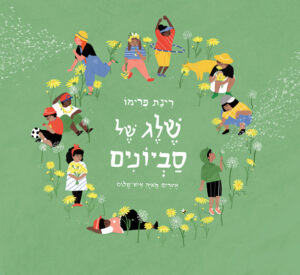
באיורים שמלווים את הסיפור, מצוירים כל הבניינים וחלקי העיר בצבע אפור, וחלקי השדה צבעוניים ויפים. ניתן להעלות רעיונות כיצד אפשר להעשיר את צבעי העיר. תוכלי לתת לילדים ציורים או צילומים אפורים ולבקש מהם להוסיף לתמונות צבעים ויופי. אפשר לתת לכל ילד צבע אחד בלבד ולפזר את התמונות ברחבי הגן- כל אחד אחראי להעשיר כל תמונה לפי הצבע שבידיו.
הגננים בסיפור ציינו בפני הילדים כי לשכונה החדשה יגיעו ילדים וחברים חדשים. הם הצליחו למצוא נקודה טובה ומנחמת בבשורה לא נעימה של פרידה. אפשר להכין עם הילדים משקפיים ורודים, דרכם רואים את הטוב, ולשחק משחק: מקריאים משפט המתאר שינוי בהווי הגן. מבקשים מהילדים להרכיב את המשקפיים הוורודים ולמצוא את הטוב בשינוי.
באיורי הספר מתוארים כל שלבי הצמיחה של פרח הסביון. הזרעים הומטרו כשלג, הגשם בא ולאחריו צמחו פרחי הסביון, שצמחו ופרחו עד שהפכו ל"סבא", וחוזר חלילה. ניתן להכין משחק מסלול מעגלי ובו תחנות השלבים השונים של צמיחת הסביון (זרע, ניצן, פרח, סבא). בכל תחנה תחכה משימה/ חידה בנושא הטבע. בחלק מהצעדים- "הפתעה". הקבוצה המנצחת היא זו שתשלים את מעגל הסביון ראשונה.
האם הילדים מזהים את הפרחים המוזכרים בסיפור? בעקבות הסיפור ילדי הגן יכולים להרחיב את הידע אודות פרחים: סביון, כלנית, ועוד הרבה! תוכלו להוסיף ללוח טבע צילומי פרחים. שימו לב – לא כל פרח צהוב הוא סביון!
ילדיכם יכולים לספר לכם את הסיפור על-פי רצף האיורים. אפשר לבחור דמות ולחפש אותה באיורים השונים לאורך הסיפור: את מי בחרתם? למה בחרתם בדמות הזאת? מה היא אוהבת לעשות בשדה?
תוכלו לשתף את ילדיכם בשינויים שחלו במהלך השנים בנוף ילדותכם. איזו שלולית שהכרתם הפכה לכביש סואן? ומה קרה לשדה ששיחקתם בו בילדותכם? אפשר לעיין יחד בתצלומים ישנים ולהשוות בין אז ליום.
האם כמו בסיפור, גם השכונה שלכם מתרחבת ועוברת שינויים? אפשר לבקר יחד ליד אתר בנייה, להציץ מעבר לגדר ולחפש שם טרקטורים ומנופים. אם נבנים שם בניינים גבוהים, אפשר לספור יחד את הקומות. תוכלו לנסות לדמיין אילו פרחים יישתלו בגינות ומי יגור בבתים החדשים. אולי יעברו לשם חברים חדשים?
בסיפור מתוארים הפרחים והצמחייה שמאפיינים כל עונה ועונה. אתם יכולים לצאת לטיול עם הילדים, להתבונן בטבע ולחפש פרחים. אילו פרחים מצאתם, מה צבעם? האם אתם מכירים את שמותיהם של פרחי הבר? אפשר גם לצלם ולהצטלם עם פרחים יפים. אם מצאתם סביון אתם יכולים לנסות לנשוף עליו. האם השערות הלבנות שלו מתפזרות ונושרות כמו שלג?



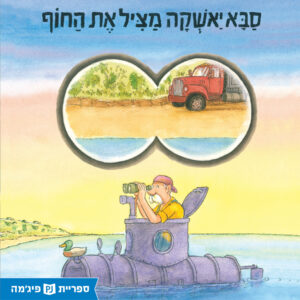 סבא יאשקה מציל את החוף
 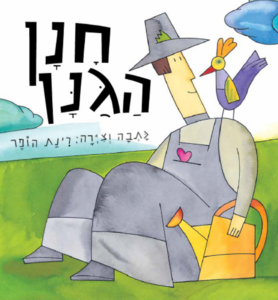 חנן הגנן
 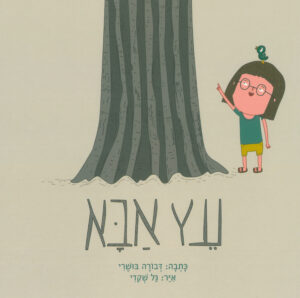 עץ אבא
  מה צריך בשביל
  סיפור על גשם
  שלג של סביונים