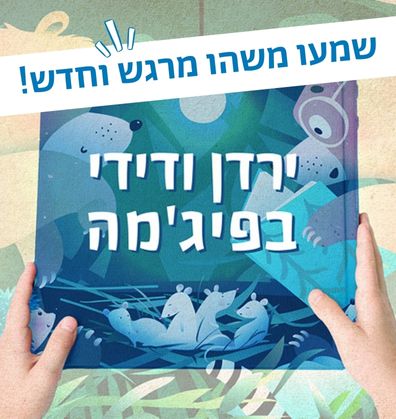
האם כולם אוהבים בעלי חיים? מה קורה כשבעלי החיים גרים בבית והופכים להיות חלק מהמשפחה? בסיפורים שלפניכם מתוארות התמודדויות, שמחות והרפתקאות עם חיות מחמד חביבות ואהובות, שירחיבו גם לנו את הלב בקבלה ובאהבה, שהרי כמו ששאל ע. הלל: "בלי חיות - איך אפשר לחיות?"
לפני שמתחילים לקרוא שיר, כדאי להתבונן יחד באיור. אפשר להצביע ולשאול: "מה הילד עושה?". אחרי הקריאה אפשר ליצור חיבור לחוויה האישית של הפעוטות. למשל, בשיר "רַצְתִּי" נשאל: מה עוזר לך כשאתה רץ ונופל? ובשיר "חֲמוֹרִי" – לאן תרצי לרכוב?
לפני שמתחילים לקרוא שיר, כדאי להתבונן יחד באיור. אפשר להצביע ולשאול: "מה הילד עושה?". אחרי הקריאה אפשר ליצור חיבור לחוויה האישית של הפעוטות. למשל, בשיר "רַצְתִּי" נשאל: מה עוזר לך כשאתה רץ ונופל? ובשיר "חֲמוֹרִי" – לאן תרצי לרכוב?
בעקבות השיר "בֻּבָּתִי" תוכלו להזמין את הפעוטות לערוך "טקס שינה" רך ומרגיע לבובה שלהם. אפשר להשכיב את הבובה במיטה, לכסות אותה בשמיכה וללטף אותה תוך דקלום שיר.
אפשר לשבת במעגל ולהוציא בכל פעם חפץ אחד מתוך סל החפצים שהפעוטות הביאו מהבית, ולומר: "של מי הדובי הזה?" או "מי הביא לנו כדור?" אפשרו לפעוט או לפעוטה לזהות את החפץ שלהם. חפשו ביחד בספר היכן מופיע האיור שבו הוא נמצא, וקראו שוב את השיר. הפעוטות חשים גאווה גדולה ברגע הזה שרואים איך החפץ האישי שלהם מופיע בתוך הסיפור של כולם.
לכל שיר אפשר להתאים פעילות. לדוגמה, בעקבות השיר "רכבת" אפשר להזמין את הפעוטות להצטרף לרכבת ארוכה. תוך כדי צעידה אפשר להשמיע את קולות הרכבת מהשיר ולצפצף "טו-טו-טו" בקול. ואפשר לשחק עם הקצב, פעם לנסוע מהר ופעם לאט.
בשיר "בוא אלי פרפר נחמד" אפשר לחלק לפעוטות מטפחות צבעוניות, להעיף אותן גבוה כמו פרפרים ולהזמין אותן לנוח על כף היד. הפעוטות יוכלו גם להפוך בעצמם לפרפרים, לנוע ו"לעוף" ברחבי החדר.
בספר ארבעה שירים על ציפורים: "ציפורי", "הינה ציפור", "אפרוח" ו"יונים". בעקבות השירים תוכלו לצאת ולחפש ציפורים בחצר: האם אתם רואים ציפור קטנה? אולי יונה? אפשר גם להראות לפעוטות תמונות שונות של אפרוחים, גוזלים וציפורים מסוגים שונים ולציין את שמותיהם.
הוסיפו לשירים תנועות משעשעות. בשיר על ההיפופוטם אפשר לצעוד יחד בצעדים כבדים וגדולים ולומר "טָם-טָטָם" בקול גדול; בשיר על הדובון אפשר "ללקק דבש מתוק" ואז להעמיד פני ישנים. ואיזו תנועה תתאימו לשיר על הצרצר המקפץ?
אפשר לצאת לטיול קצר בגינה או להביט יחד מהחלון ולחפש את החיות שפגשתם בספר: נמלה קטנה על השביל, חתול שמטייל על הגדר, ציפור על העץ, ועם קצת מזל – אולי אפילו קיפוד או צב.
כשפוגשים בשיר מילה חדשה, אפשר "להסביר" אותה בהשמעת קולות, במחוות ידיים ובמילים נרדפות. כך, לדוגמה, כשקוראים על העשבים ה"מרשרשים" בשיר על הקיפוד, אפשר להניע את האצבעות, להשמיע קול רשרוש קטן ולומר: "הם עושים רעש, הם מרשרשים."
השירים בספר הם הזדמנות נפלאה להפעיל את הגוף, לחקות צלילים ולבטא רגשות דרך משחק. הזמינו את הפעוטות לגעות "מווו" כמו הפרה, לזחול לאט כמו הצבים, לכשכש בזנב הפונפון כמו הארנבון או לצעוד בכבדות כמו ההיפופוטם. כדאי להוסיף גם הבעות פנים ומחוות – ללטף את הלחי ב"אוי, כואב"; לחייך וללכת בהליכת ברווז "הברווזה שמחה ועליזה"; או לעצום עיניים ברוגע כמו הדובון הישן.
בעקבות השיר על החפרפרת שמתגלה בתלולית החול, אפשר להפוך את המרחב במעון ל"מחילה" של חפרפרות. תוכלו להשתמש במנהרת בד מתקפלת או לסדר שורה של כיסאות ולכסות אותם בסדין גדול. בסוף המחילה אפשר להכין "תלולית" קטנה מכריות שהפעוטות יוכלו לטפס עליה או להתגלגל ממנה.
אפשר לצאת עם העותק האישי לחצר ולחפש ביחד: "איפה אפשר למצוא את החיות מהספר?" כדאי לעבור בין המקומות המוכרים ולשאול בסקרנות: "מה נוכל למצוא על העץ? אולי קוף? אולי ציפור?" "איפה נוכל למצוא נמלה?" "מה יכול להיות בדשא? או בין השיחים?" אפשר להשתעשע ולדמיין ביחד מצבים מצחיקים, כמו היפופוטם או דובון שמתנדנדים על הנדנדה.
כשפעוט עצוב או מקבל מכה, תוכלו לנחם אותו ולשאול: "כואב לך כמו שכאב לקוף? בוא נלטף את המקום הכואב". לפני יציאה לחצר אפשר לצעוד כמו ההיפופוטם. בזמן ההתארגנות לשנת הצוהריים אפשר ללחוש: "עכשיו אנחנו נחים בשקט כמו הדובון שישן".
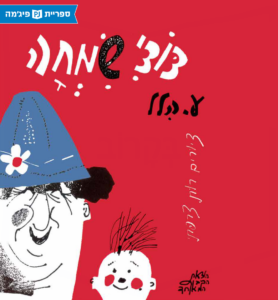
הדוד שמחה הוא מצחיק ומפתיע, ותוכלו להיות בדיוק כמוהו!
פעילות בעקבות הספר ״דודי שמחה״ – לוקחים עיתונים ומגזינים ישנים, מתפרעים בדמיון ללא גבולות ויוצרים דברים כל כך מפתיעים, שכנראה אפילו שמחה בעצמו לא היה יכול לחשוב עליהם!
אֵילו שירים משמחים אתכם? אפשר להכין רשימת השמעה משפחתית משַׂמחת, ולשיר ביחד. תוכלו גם לשיר בקולות מצחיקים: בקול דק, בקול עבה, בלחש, ולהוסיף תנועות שיוסיפו לשמחה.
משחק מבולבל: כל משתתף שואל בתורו שאלה, ושאר המשתתפים מחפשים תשובה "מבולבלת". למשל
מהו המשקה האהוב עליך?
תה עם כפית חרדל!
מה עושים כשיורד גשם? מורחים קרם הגנה!
אֵילו קולות משמיעות ציפורים? לאן כדאי לצאת ולטייל?
איך כדאי לקרוא? בספר שלושה שירי-סיפור, וכל אחד מציג פן אחר בדמותו של הדוד שמחה, ביחסים של הילד עם דודו ובסביבה החיצונית של הילד (דיירי הרחוב, ההורים). מומלץ לקרוא כל שיר-סיפור בנפרד ולייצר שיח נפרד לכל אחד מהם. שיחה – תאפשר לילדים ולילדות להביע את האופן שבו הם חוו את דמותו של הדוד שמחה.
תוכלו לשאול: מה תרצו לספר על הדוד שמחה? מי היה רוצה לפגוש דוד כמו דוד שמחה ולמה? מה אתם חושבים על השם שלו? האם לדעתכם הילד אוהב את הדוד שלו? למה? קשר מיוחד – תוכלו לפנות אל עולמם האישי של הילדות והילדים ולשאול: עם מי יש לכם קשר מיוחד? עם איזה בן משפחה אתם אוהבים להיות ולבלות? מה אתם עושים יחד?
ילדים אוהבים דמויות מבולבלות! יש בהן הומור שהם מבינים ונהנים ממנו מגיל צעיר מאוד משום שהוא מבוסס על מצבים שהם מכירים. כך, למשל, הם יכולים להתגלגל מצחוק שעה שמבוגר משנה את השימוש המקובל והמוכר להם בחפצים. הומורושימוש במצבי אבסורד הם כלים המאפשרים חשיבה אחרת. הם גם אמצעים לפורקן, להמחשה, להעשרה ולפיתוח הדמיון, השפה והיצירתיות. הומור יכול לסייע בהתמודדות עם מצבי קושי, להגביר תחושות של שייכות וקִרבה לקבוצת השווים ובה בעת להפיג מתח וחשש, לפתח נקודות מבט ואפשרויות חדשות ולטפח עמדות מאוזנות תוך ריכוך תפיסות נוקשות או מגבילות. ניתן לחזור לסיפור שוב ושוב ולהזכיר עד כמה צחוק והומור יכולים לעזור לנו במצביםשונים.
הסיפור יכול להשתלב בשגרת הגן בזמנים מגוונים, כמו בלמידה על הפכים, בעיסוק בשמחה ובהומור ועוד.
השיר-סיפור "כשדודי שמחה שר" מספר כי כל שכן עוזר לאחרים. בעקבותיו כדאי לחשוב יחד: כיצד נוכל לשמח חבר או חברה? כיצד נוכל למשל לעודד מי שחולה ולא הגיע לגן? נוכל לחזור אל הסיפור בכל פעם שחברים צריכים עידוד: בחצר, בארוחות, כאשר ילדים נעדרים מהגן. נוכל לשוב ולומר: זוכרים? לשמח חברים זה נהדר – כמו שעושה הדוד שמחה הזמר! להעשרה – איך לשמח חבר חולה?
השיר-סיפור "כשדודי שמחה שר" מפגיש עם מקצועות שונים שחלקם הולכים ונעלמים מחיינו. זו הזדמנות להכיר את המקצועות הללו. שיתוף משפחות – בעקבות הקריאה תוכלו להכיר מקצועות שונים של הורי הילדים ולהזמין אותם להציג את עבודתם לפני הילדים. לוטו – אפשר לתכנן ולהכין יחד עם הילדים משחקים העוסקים בבעלי מקצוע על פי בחירתם לדוגמה "לוטו מקצועות", "משחקי מסלול", "דומינו מקצועות", שיכללו בעלי מקצוע מהסיפור ומקצועות נוספים שהילדים יציעו. להעשרה – האוגדן "חינוך פיננסי בגיל הרך" של האגף לחינוך הגיל הרך בפרק "עבודה ועובדים".
כדי לעודד את הילדים והילדות וכדי לטפח חוש הומור אפשר לשחק במשחקים מבולבלים: תמונה משונה – תוכלו לפזר תצלומים של פריטים שונים ולבקש מהילדים לחבר בעצמם צירופים מבולבלים ומשעשעים: אולי איש שחובש שטיח? אולי חתול שיושב על ענן? כותרת נהדרת – אפשר להמציא יחד כותרת מצחיקה או "שטוז" לכל צירוף מבולבל שנוצר.
הרחוב שלנו – השיר-סיפור "כשדודי שמחה שר" הוא הזדמנות להכיר את הקהילה ואת סביבת הגן. תוכלו לצאת לסיורים ולחקור יחד פרטים שונים: מה שם הרחוב שבו נמצא הגן? האם יש לגן שכנים? כיצד ניתן להכיר אותם? האם ברחוב יש חנויות ומקומות מוכרים, כמו מספרה או חנות ירקות? למי והיכן נוהגים לומר "שלום"? איפה בשכונה משחקים ועם מי? הקמת מרחב – אפשר לתכנן ולהקים מרחב משחק על פי בחירת הילדים בהשראת המקומות שראו בסיור.
רצוי לחשוב יחד: לְמה הילדים זקוקים? כיצד ייראה המרחב? מה אפשר להכין? אילו כללים כדאי לקבוע כאשר משחקים במרחב? להשראה –בית חולים לחיות בר – הקמת מרחב משחק בגן ביוזמת ילד במרחב הפדגוגי "גנים". הקהילה שלנו – כדאי להעלות רעיונות יחד: כיצד אפשר לשמח את השכנים? מה אפשר לעשות ולהגיד כדי לגרום לשכנים של הגן לשמוח?
חשבו יחד איזו מבין ההצעות אפשרית ליישום, תכננו וצאו לדרך. שיתוף משפחות – כדאי ליידע את ההורים ולשתף אותם בפעילות הקהילתית. להשראה – מהדקים קשרים עם הקהילה – במרחב הפדגוגי "גנים".
"בלי חיות אי אפשר לחיות" – טבע ובעלי חיים הם תחום מוכר, מסקרן ונפוץ אצל ילדים עוד בהיותם פעוטות. בעקבות הספר אפשר להציע לכל ילדה וילד לחקור בעל חיים שמעניין אותם. בעלי חיים סביבנו – רצוי להתחיל בחקירת בעלי חיים הנקרים באקראי לגן או נקרים בדרכו של אחד הילדים.
אפשר ליזום פעולות לקידום המודעות:
ניתן להכין יחד תחנת האכלה ושתייה לחיות מסביבת הגן באמצעות ארגז קרטון או להניח כלים עם מים לטובת חיות הרחוב. להרחבה –המסמך "זכויות בעלי חיים" – במרחב הפדגוגי "גנים". להשראה – פינת ציפורים בחצר הגן – במרחב הפדגוגי "גנים".
רות צרפתי, אשר איירה את איורי הספר, הוזמנה על ידי עיריית חולון לעצב פסלים בהשראת הסיפור ב"גן סיפור" בעיר חולון. קישור לתמונות ומידע על המיזם בבלוג "טיול בעיר".
אפשר להזמין את הילדים להתבונן באיורים ובפסלים, לבקש מהם לתאר אותם ולהזמין אותם לבדוק מה שונה ומה דומה בין האיורים והפסלים.
נתבונן באיורי האֵם בספר: כיצד היא מתוארת בכל פעם? אילו מהאיורים תואמים לפסל האֵם ב"גן סיפור"?
אפשר לשאול: האם לדעתכם כדאי להוסיף פסל בהשראת האיורים? אם כן, איזה? בהמשך אפשר להציע לילדים לתכנן וליצור את הפסל מחומרים שיש בגן.
ע' הלל [1990-1926] היה סופר, משורר ואדריכל נוף. בשיריו הִרבה לכתוב על הטבע, על הנוף ועל בעלי החיים. דורות של ילדים וילדות בישראל גדלו על יצירותיו, ובהן: "למה לובשת הזברה פיג’מה", " יוסי, ילד שלי מוצלח", "מעשה בחתולַיים". ע' הלל כתב שירה ופרוזה גם למבוגרים וזכה בפרסים רבים על יצירותיו. להעשרה –ע' הלל, אתר דףדף, מחרוזת שירי ע' הלל
הסופרת דבורה עומר (1932-2013) כתבה עשרות ספרים וסיפורים לפעוטות, לילדים ולבני הנעורים. היא החלה לכתוב כילדה והמשיכה לכתוב בבגרותה: "כשהפכתי למורה, התחלתי לכתוב לילדים ומאז פרסמתי ספרים רבים". לאחריו כתבה עומר ספרים היסטוריים לילדים, שעסקו בגיבורי הישוב העברי וכן ספרי הרפתקאות, דמיון, אגדות, בדיחות, וספרים על אתגרים בחיי ילדים ומתבגרים. דבורה עומר זכתה בפרסים רבים לספרות ולספרות ילדים, ובשנת 2006 היא קיבלה את פרס ישראל על תרומתה לתרבות הישראלית.
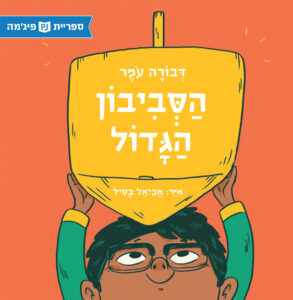
בימי חג החנוכה נפגשים הורים וילדים, משפחות וחברים, בבית וגן וחוגגים יחד את חג האורות. לאחר הדלקת נרות החג תוכלו לספר על חגיגות החנוכה כשאתם ההורים הייתם ילדים, ולהוסיף ולספר זה לזה סיפורים ששמעתם במשפחה, לשיר שיר משפחתי נושן, או להכין יחד מאכל אהוב.
בעקבות הסיפור אפשר לשחק מחבואים ולחפש זה את זו. אפשר גם להחביא סביבון במקומות שונים בבית ולהכין חידות, חיצים או רמזים אחרים שיעזרו לגלות היכן הוא מסתתר.
כשהנרות דולקים לידנו וכשריח הסופגניות נישא באויר תוכלו להיות סביבונים בעצמכם. אפשר להיות 'סביבון צב' ולהסתובב לאט, אפשר להיות 'סביבון מטוס' – להסתובב ולפרוס ידיים לצדדים, אפשר להיות 'סביבון דוב' ולהסתובב בכבדות. ומה עוד?
בעלי חיים – תוכלו להזמין את הילדים לשוחח על חיות מחמד: האם הם מגדלים חיית מחמד? איזו? האם היו רוצים לגדל חיית מחמד מסוימת? איזו חיה היו רוצים לגדל ולמה? כיצד נטפח ונאהב את חיות המחמד? לְמה חשוב לשים לב כשמגדלים חיית מחמד? כיצד נשמור על חיית המחמד?
אם אפשרי, הביאו לגן חיות מחמד כדי שיהיה ניתן לטפל בהן, ללטף אותן, לראות מה הן אוהבות לאכול, מה הן אוהבות לעשות במשך היום ועוד.
"המקום הכי מתאים להיוולד בו בחנוכה הוא… סביבון". ומה המקום הכי מתאים להיוולד בו בחגים אחרים? בקיץ? ביום מעונן? תוכלו להשתעשע עם הילדים ותוך כדי כך לחזור על המושגים השונים הקשורים לחגים, לעונות או לתקופות שונות.
כיצד הייתם רוצים לקרוא לחתלתולים שנולדו בחנוכה? האם ישנם ילדים וילדות שנולדו בחג? אם כן, האם יש קשר בין שמותיהם לחג? ומה משמעות השמות של יתר החברים והחברות בגן?
תנועה – סביבונים אנושיים – מתנועעים בחלל הגן ומתאימים את התנועות להכרזת הגננת: סביבון מטוס, סביבון צב או סביבון קפיץ.
מיון סביבונים – מביאים סביבונים מהבית וממיינים אותם לפי גודל, צורה, צבע ועוד.
מה מתחבא פה? יוצרים סביבון קופסה ומחביאים בתוכו פריטים נבחרים. ניתן לבקש מכל אחד ואחת להחביא פריט משלהם בסביבון וליצור משחק ניחושים בקבוצות קטנות: מה מתחבא בסביבון שלי? ומה מתחבא בשלך?
על פאותיו של הסביבון רשומות האותיות נ', ג', ה' ו-פ', שהן האות הראשונה במילים "נס גדול היה פה". אפשר לבדוק אילו משמות הילדים והילדות מתחילים באותיות אלו. כדאי לבקש למצוא מילים נוספות שמתחילות בצליל האותיות האלה.
אפשר לשיר את השיר "מה מתחיל במָ" שכתבה דתיה בן-דור ולאחר מכן לשנות לצליל של אות אחרת מהסביבון ולבקש מהילדים לציין מילים שפותחות באותו צליל. ניתן להכין סביבון שפאותיו נפתחות ולהציע לילדים ולילדות לצייר או לכתוב מילים שמתחילות באותיות הסביבון ו"להטמין" אותן בתוכו.
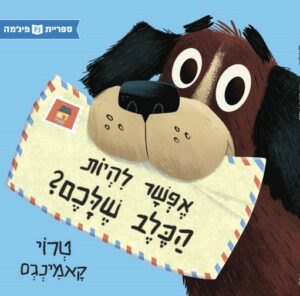
הכמיהה לחברים ולשייכות קיימת בעולמם של ילדים וילדות, וסיפורו של ארפי מציג את הנושא על המורכבות וכאבי הלב שלעיתים מלווים אותו. עם זאת, ארפי הוא כלב בעל עוצמה פנימית, הלוקח את גורלו בידיו: סיפורו מאפשר לשוחח ברגישות על חברות ועל הדרך שמובילה אליה. תוכלו לשאול את הילדים: מדוע, לדעתכם, ארפי כותב מכתבים שונים לאנשים שונים? האם הייתם רוצים להיות חברים של ארפי, ומדוע? מה הייתם עושים במקומו של ארפי?
עמודים רבים בספר מכילים איורים ללא מילים, שממחישים את רגשותיו של ארפי. מה מספרים האיורים? אילו איורים מעלים בכם חיוך, ולמה? מה מרגיש ארפי? מה הוא חושב?
בעקבות המכתבים שבספר ניתן לכתוב זה לזו פתקים. תוכלו להחביא מכתבים עם מסרים מעודדים או מצחיקים מתחת לכרית, בתוך התיק, או בכל מקום אחר שיפתיע את בני המשפחה.
כל אחד מאיתנו יכול לפקוח את העיניים ולפתוח את הלב לבעלי החיים שבסביבתו – בדאגה לשתייה ביום חם, בהקמה של מקום מסתור, או בכל דבר אחר שיסייע לרווחה של בעלי החיים וישפיע לטובה על העולם שבו אנו חיים.
שיחה על בעלי חיים: האם אתם אוהבים בעלי חיים? למה? אילו בעלי חיים אתם אוהבים במיוחד? האם יש לכם חיית מחמד? אם כן, איך היא הגיעה אליכם?
שיחה על היחס לבעלי חיים: איך, לדעתכם, מרגישים חתול רחוב, עורב או נמלה? מה נוכל לעשות למען בעלי החיים בסביבתנו?
שיחה על חברוּת: מה אפשר ללמוד מהסיפור על ההתנהגות הרצויה כלפי חברים שלנו? איך אפשר לעזור לחבר שמרגיש בודד? איך מסרבים לבקשה של חבר בצורה מכובדת ולא פוגענית?
בעקבות חלופת המכתבים בסיפור תוכלו להפנות את התלמידים לפעילות חקר בנושא מכתבים: למה פעם כתבו מכתבים רבים? מהו בול? לְמה הוא משמש? כיצד נעשה תהליך שליחת המכתבים וקבלתם? מה מתרחש בדואר?
אין חכם כבעל הניסיון: בשנים הראשונות צוברים ילדים היכרות וניסיון במגוון תחומים. כל התנסות מפתחת את הילדים, פותחת את עולמם ומסייעת בבירור טעמם האישי. חשוב לאפשר התנסות במגוון דרכים: ביצירה – להעשיר את השימוש בחומרים עם מרקמים, צבעים וריחות שונים, במשחק – להיפגש עם סביבות למידה מגוונות, בחברות – לעודד מגוון מפגשים ופעילויות עם ילדים שונים בגן.
מזהים דמויות מזוויות שונות: האיורים בספר מצוירים מזוויות שונות: במבט מלמעלה, מלמטה, מקדימה ומאחורה. אפשר לשחק יחד משחק זיהוי, להציג מפני הילדים מזווית לא צפויה ספר או צעצוע מוכר. ניתן גם לנסות לזהות חפץ לפי צלליות. האם הם הצליחו לזהות את החפצים?
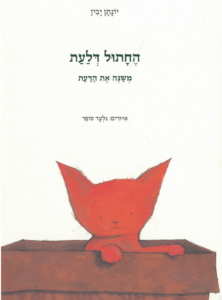
למי יש חתול או כלב בבית? איך הוא נראה? איזה שם נתתם לו? מדוע? בקשו מהילדים לתאר איך הם מטפלים בו. אפשר להדגים על בובת משחק. מחקים חתולים: נסו ללכת, לילל, להתחכך כמו חתול. החתול דלעת מתרוצץ בכל מיני פינות של הבית – בשירותים, על שולחן עבודה, בחדר השינה. נסו לדמיין ולהציג יחד, מה היה עושה החתול דלעת בפינות השונות של הגן? איך היה מתנהג במפגש? בפינת הבית? בחצר? בפינת הספר?
מכינים דיוקן עצמי כחתול: בגב הספר מופיע איור של הסופר והמאייר מאוירים כחתולים. איך אתם הייתם נראים, לו הייתם חתולים? הדפיסו צילום של כל אחד מהילידים על דף נייר. בעזרת צבעים, טושים וחומרים שונים, כל ילד יוסיף לתמונה שלו מאפיינים של חתול: אוזני מחודדות, אף קטן, או אולי שפמפם? אפשר להביא איפור פנים לגן, ולצייר לכל ילד אף ושפמפם חתולי.
להכיר ולאהוב: הילד לומד לאהוב את החתול בזכות ההיכרות איתו. זוהי הזדמנות לחקר משותף על חתולים: נסחו יחד שאלות על חתולים. שלחו עם כל ילד שאלה לחקר בבית, בשיתוף ההורים. כדאי להקדיש לממצאים קיר בגן.
"אני אוהב שוקולד": בחיבור לנושא השנתי ולמיזם "הסיפור שלי- הסיפור של כולנו". הטעם האישי, הייחודי שלנו, הוא חלק ממה שמגדיר אותנו. עם זאת, הוא מתפתח ויכול גם להשתנות. מה אתם אוהבים? מה לא? אחת לכמה זמן כדאי להכין רשימה של הדברים האהובים על ילדי הגן. בכל פעם לבחור נושא אחר: מאכלים, משחקים, מקומות, או עונות. כדאי לחשוב עם הילדים: האם יש גם משהו ששיניתם את טעמכם או דעתכם לגביו? אם מתאים לך, מומלץ לשתף בסיפור אישי שלך: אולי יש מאכל שפעם לא אהבת והיום דווקא כן? אולי יש פעילות שפעם נרתעת ממנה והיום היא דווקא מהנה?
מתכון למרק דלעת: בימי החורף הקרים אפשר ליהנות יחד ממרק דלעת חם!
מצרכים:
1 בצל קצוץ גס
1 דלעת חתוכה לקוביות
2 בטטות מקולפות וחתוכות לקוביות
1 קישוא
2 שני גזרים מקולפים וקצוצים גס
חופן פטרוזיליה קצוצה
מעט שמן
מים למרק
מלח, פלפל
מוט מעבד מזון ידני.
אופן ההכנה:
מטגנים את הבצל. כשנעשה שקוף מוסיפים את כל הירוקות חתוכים גס ומטגנים מעט. מוסיפים מים ותבלינים, מביאים לרתיחה ומנמיכים את האש. מבשלים עד לריכוך הגזר. נותנים למרק להצטנן מעט, וטוחנים אותו למרק סמיך בעזרת מעבד המזון.
המאייר החביא בין האיורים חיות רבות, כמה מהן אמתיות, ואחרות – חיות צעצוע. כדאי לדפדף בספר ולחפש את החיות בכל עמוד. האם מצאתם את היצור הירוק עם המחושים? מה הוא עושה על היד של אבא ומה קורה לו כשהילד פוגש את חתול דלעת?
בעזרת גרב ישן, בדים וכפתורים תוכלו להכין יחד בובת יד של חתול ולהמחיז את הסיפור. באיזה שם תקראו לבובת החתול שלכם? האם נעים ללטף אותה? איזה קול היא משמיעה?
תוכלו לצאת לטיול בקרבת הבית ולחפש חתולים. לא כדאי להתקרב אל חתולים שאין להם בית או לנסות ללטף אותם, אבל אפשר לסייע להם. בעזרת ארגז ריק ובדים ישנים תוכלו להכין יחד מחסה לחתולי רחוב, שאליו הם יוכלו להיכנס בימי גשם ובלילות קרים.
אילו חיות אתם אוהבים? האם יש בעל חיים שילדיכם אינם אוהבים או שממנו הם מפחדים? אפשר לבקר בגן החיות או בחנות לבעלי חיים ולהכיר את החיה מקרוב. אולי תגלו גם אתם שמפגש קרוב עם בעל החיים יכול לשנות את הדעת.
חיית מחמד זוגית –
הזמינו זוג ילדים. עליהם להפוך יחד לחיית מחמד המורכבת מפסל של שניהם. ניתן לקרוא לה בשם המצרף את השמות של שניהם, לדוגמה: "הכירו את החיה- אברהמיכל!". שאלו את הזוג: אילו איברים יש לה? מקור? זנב? כנפיים? חדק?
אפשר להצטלם יחד, להדפיס את התמונות הזוגיות בשחור לבן, ולתת לילדים לצבוע פריט אחד בתמונה בצבע. תוכלו לתלות בכיתה את תערוכת החיות המיוחדות שלכם.
מצביעים ברגליים [בחיבור לנושא השנתי: "שומרים על אחדות- שומרים על ייחודיות"] –
יוצאים לחצר או מפנים את חלל הכיתה מריהוט ומבקשים מהתלמידים לעמוד ליד קירות החדר. המורה עומד/ת במרכז החדר ומכריז/ה כל פעם על תכונת אופי או תחום עניין אחר (למשל: חוש הומור, חיבה למשחקי כדור, נדיבות, אהבת מוסיקה, סקרנות מדעית…). התלמידים שחשים הזדהות עם התכונה מתקדמים ומתקבצים יחד במרכז החדר, ואז חוזרים לפינות. כך מתגבשות ומתפרקות קבוצות המבוססות על תחומי עניין ואישיות שונים. בעקבות הפעילות כדאי לשוחח עם הילדים: האם גיליתם חבר חדש שדומה לכם ולא ידעתם? במה אתם ייחודיים? החברות יכולה להתבסס על חיבורים חדשים, מפתיעים ורכים יותר.
סבב דומה לי – שונה לי –
שבו במעגל, הביאו כדור צמר. התלמיד הראשון אוחז בקצה החוט ומוסר את הכדור לחבר אחר בכיתה. עליו לומר במה החבר דומה לו, ובמה הם שונים. לאט, לאט תיווצר "חבורת חברים" – רשת המחברת בין כל ילדי הכיתה.
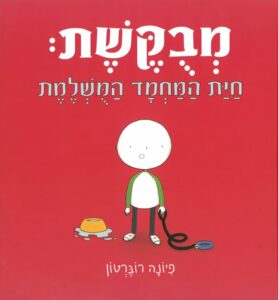
הכינו תעודת זהות לחיית המחמד המושלמת בעיניי כל אחד. אפשר אפילו להמציא חיה שלא קיימת. איך היא נראית? איך קוראים לה? מה היא אוהבת לעשות? מה היא אוכלת? למה היא מושלמת? לחצו כאן
לראות דוגמה לתעודה מקוונת.
חפשו יחד את העמוד שבו הנרי מפרסם את המודעה על חיית המחמד המושלמת אילו עוד מודעות מפורסמות שם? האם המוצרים האלה באמת קיימים? אפשר לנסח עם הילדים מודעה על דבר שהם מאוד רוצים, גם אם הוא דמיוני.
כלב לא יכול לגעגע, ברווז לא יכול לתפוס כדורים. אבל אם מביטים בעין טובה אפשר למצוא טוב בכל אחד. אפשר לציין מה התכונה הייחודית של כל אחד מבני המשפחה והחברים.
הנרי יודע הרבה על התכונות של צפרדעים, כלבים – וגם ברווזים! אילו בעלי חיים מכירים ילדיכם? תוכלו לבקר בפינת חי, בגן החיות או בחנות לחיות ולהכיר חיות חדשות.
תוכלו לשתף את ילדיכם בחוויות ילדוּת שלכם: אילו חיות גרו סביבכם, האם היתה לכם חיית מחמד משלכם כשהייתם ילדים? אם כן, תוכלו לספר עליה – ולהראות תמונות מן העבר.
אפשר לארגן ערב תחפושות בבית. כל אחד מתחפש לחיה ועל האחרים לנחש מיהו. אפשר גם להמציא חיות דמיוניות, למשל לערבב זנב של סוס עם אוזניים של חתול. איך תקראו לחיות שהמצאתם ומה תכונותיהן?
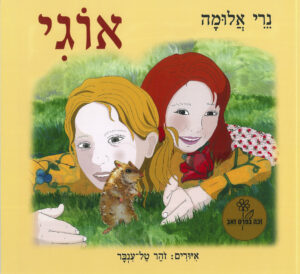
בטרם קריאת הסיפור תוכלי לצלם את האיורים שבספר ללא הטקסט ולהזמין את הילדים לנחש את עלילת הסיפור כפי שהיא משתקפת בתמונות. כדאי לשים לב אלו פרטים הם רואים כחשובים.
לאחר קריאת הסיפור אפשר לבקש מהילדים לדפדף בספר ולחפש יחד את התמונות שמדגימות את הטעות הראשונה של ניבי, את הצעד הראשון שלה בדרך לתיקון, ואת התפקידים שממלאות אמא והגננת ביחס לאמרה "מודה ועוזב ירוחם".
תוכלי להציע לילדים משחק תפקידים: הזמיני שלושה ילדים להמחיז את ההתמודדות של ניבי עם "המכוניות מתנגשות בלונה פארק" שבראשה: שני מתנדבים מייצגים את הקולות המנוגדים, ומתנדב/ת אחר/ת משחק/ת את ניבי. הציעי לשני המתנדבים לנסות לשכנע את ניבי למה כדאי, או לא כדאי, לקחת את אוגי הביתה, לגלות או לא לגלות את הסוד לאמא וכד'… קהל הילדים יכול להשתתף גם הוא, במתן עצות לניבי לגבי הקשבה לקולות המנוגדים.
האם בכיתה שלכם יש כלוב ובו אוגר או בעל חיים אחר? מה קורה לחיות בשבתות וחופשות? מה מידת האחריות של הילדים כלפי החיות? זו הזדמנות ללמוד יותר על החיות, להסדיר תורנויות הטיפול, ואף להכין יחד עם הילדים שלטי הוראות כמו: "אין לתת להם אוכל של בני אדם", "לא לשכוח לנעול חזרה את הכלוב" וכד'.
הקשר לבעלי חיים מרגש ילדים רבים. תוכלי להציע לילדי הכיתה לספר על חיות המחמד שלהם, או על חיות המחמד שהיו רוצים שיהיו להם. אפשר להכין תצוגה בכיתה או לערוך "יום חיות": צרו יחד תמונת קולאז' גדולה מגזרי תמונות, צילומים ביתיים, וציורים של חיות מחמד שהילדים יציירו בכיתה וגם בבית. רצוי לאפשר לילדים לספר על חיות המחמד שלהם ולשתף את חבריהם בידע ובניסיון שלהם.
לפעמים סיפורים דמיוניים מזכירים לנו דברים שקרו לנו. הסוד ששומרת ניבי מכביד ולא נותן לה מנוח – עד שהיא מגלה אותו לאמהּ. אם נוח לך, תוכלי לספר לילדים על מקרה שבו טעית ומישהו עזר לכם לתקן את הטעות. תוכלי גם להדגיש בפני הילדים שהם תמיד יכולים לשתף אותך בקשיים או בסודות.
אמא של ניבי אומרת "יש לי ילדה אמיצה". האם ילדי הכיתה חושבים גם הם שניבי אמיצה? זו הזדמנות יפה לפתוח שיחה על אומץ לב, ולשאול מה דעתן על הדרך שבה אמא וליאורה הגננת סייעו לניבי.
איסור הלבנת פנים: שמירה על כבוד הזולת –
כדאי להסב את תשומת לבם של הילדים לשעה ולדרך שבהן ניבי ואמא מחזירות את אוגי לגן. אפשר לשאול את הילדים למה לדעתם הן דאגו להקדים ולדבר עם הגננת לפני הגעת ילדי הגן? איך לדעת הילדים היתה מרגישה ניבי אילו היו מתקבצים סביבה ילדי הגן?
ניתן לקשר את הסיפור לאיסור "להלבין פנים ברבים" המופיע בתלמוד הבבלי, במסכת בבא מציעא. התלמוד מסביר כי מי שמעליב אדם אחר כאילו פוצע אותו ממש. כאשר האדם נפגע פניו מחווירים ולכן הפגיעה נקראת "הלבנת פנים".
אפשר לדון באמרה "אל תלבין פני חברך ברבים" ולתאר כיצד פניו של אדם מחווירות (מלבינות) כאשר הוא ננזף או מובך בפומבי. איך מתנהגים ההפך מ"להלבין פנים" – מה עושים? למה זה חשוב?
טעות ותיקון תוכלו לדפדף בספר ולחפש את האיור שמדגים את הטעות הראשונה של ניבי ואת האיור שמדגים את הצעד הראשון שלה בדרך לתיקון. מה עזר לניבי להודות בטעות?
מכוניות מתנגשות בסיפור מתוארים רגשותיה של ניבי באמצעות דימוי של ״מכוניות מתנגשות בלונה־פארק״. בקריאה משותפת של הספר כדאי לבדוק מתי ניבי מרגישה שהמחשבות שבראשה הן כמו מכוניות מתנגשות בלונה־פארק. אפשר לשאול את ילדיכם: מתי המכוניות מפסיקות להציק?
בעלי חיים כמו ניבי, ילדים רבים מפתחים רגשי חיבה ואהבה לבעלי חיים. האם בכיתה שבה לומדים ילדיכם יש אוגר או בעל חיים אחר? האם למשפחה שלכם חיית מחמד? מה מרגישים כלפיה ילדיכם, האם הם שותפים לטיפול בה?
סודות לפעמים סיפורים דמיוניים מזכירים לנו דברים שקרו לנו. הסוד ששומרת ניבי מכביד ולא נותן ּ לה מנוח, עד שהיא מגלה אותו לאמה. אם נוח לכם, תוכלו לספר לילדיכם על מקרה שבו טעיתם ומישהו עזר לכם לתקן את הטעות. תוכלו גם להדגיש בפני ילדיכם שהם תמיד יכולים לשתף אתכם בקשיים או בסודות.
אפשר להתבונן בחתולים ברחוב. איך הם הולכים? אילו קולות הם משמיעים? מה הם אוכלים? האם אלה חתולי רחוב או חתולי בית? תוכלו להציב קרטון ריק בחצר. אולי יבוא חתול לישון בו?
החיים מזמנים לילדים מעברים רבים – למיטה של גדולים, לחדר שינה חדש, לגן אחר. אנו מקווים שהשמחה בחברוּת הנרקמת בין מאיה לקישתא תלווה את ילדיכם במעברים שלהם.



 תן לי יד
  הפרה של סבא יפת
  דודי שמחה
  הסביבון הגדול
  אפשר להיות הכלב שלכם?
  החתול דלעת משנה את הדעת
  מבוקשת: חיית המחמד המושלמת
  אוגי
אוגי 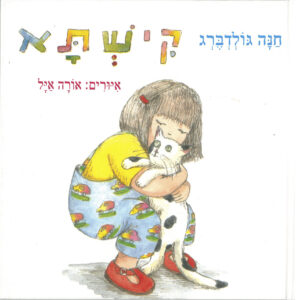 קישתא
קישתא