סְּפָרִים
Book-Related Family Activities
Family Activities
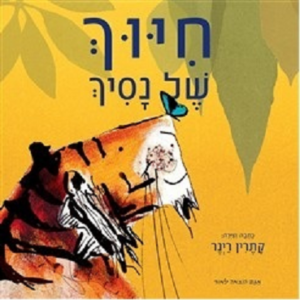
“… the tiger understood that a smile would appear on his face each time he felt happy”
Take your child for a walk outdoors and enjoy the nature that surrounds you. Like the tiger, you too can play with crushed leaves, listen to birds chirping and climb up hills.
What makes you and your child smile? You can play “the smiling game” together: Pass a ball between you. Each time one of you tosses or rolls the ball to the other, mention something that makes you happy. Don’t forget to smile throughout the game!
Where is our child and his or her smile? You can play hide-and-go-seek throughout the house, looking for each other’s smile.
The tiger looked into a puddle and discovered his smile right under his nose. In our homes we don’t have puddles but we do have mirrors! Your child can discover his or her smile in the mirror, and make funny faces at his reflection.
Song and dance are natural ways of expressing our happiness. You can sing and dance with your child, even without a special reason. Think of songs that are especially appropriate, such as “If you’re happy and you know it…”.
At the end of the story the tiger jumps with joy. If the story had continued, he might have even burst into laughter. Do you want to laugh? Here’s a funny way to start: Everyone in the family lies down on the carpet, with one person’s head resting on another’s belly. One member of the family starts to giggle, his or her tummy trembles, and soon you’ll all see how contagious the laughter becomes!
The author and illustrator Katherine Rayner loves the animals she depicts in her books. Our story is accompanied by special drawings. Go through the book with your child, noting how the tiger looks when he has lost his smile, and how he appears when he finds it in the puddle.
“Augustus and his Smile” is the first Sifriyat Pijama book of the year. Reading books together as a family is one way to bring joy and happiness into the home, and can put a smile on everyone’s faces. Enjoy!

מסיבת פיג'מות בגן
כדאי לערוך מסיבת פיג’מות בגן, יחד עם ההורים אחרי שעות הגן או עם הילדים בלבד בשעות הבוקר, ולקרוא יחד את הסיפור. אפשר לקשט את הגן עם תפאורה של כוכבים וירח ולהזמין את כולם להתכרבל יחד, ליהנות מהאיורים הרכים שמלווים את הסיפור ולעקוב אחר מסע ההתבגרות של נינה.
לשוחח עם הילדים על ההבדלים בין חלום ומציאות
“עכשיו לילה, אבל נינה חושבת שהיא ערה”. אפשר לשוחח עם הילדים על ההבדלים בין חלום ומציאות: האם גם לכם קרה פעם שלא הייתם בטוחים אם אתם ערים או ישנים? מה יכול לקרות בחלום ולא במציאות? אפשר לתת דרור לדמיון ולצייר ציור שכולו חלום.
להשוות את הסיפור
אפשר להשוות את הסיפור עם להיזכר בספר אחר שחולק השנה, “אמיליה” מאת נעמה בנזימן, שגם הוא מתאר עלילה דמיונית.
חבריה הצעצועים של נינה
חבריה הצעצועים של נינה חושבים שהיא מוכנה למעבר מזחילה להליכה, אבל נינה לא בטוחה בכך. בכל רגע בחייהם הילדים עומדים בפתח הישג חדש (למשל, מעבר לגן חדש או לכיתה א’, רכיבה על אופניים, עצמאות גוברת בפעולות יומיומיות). אפשר לשוחח על כך ולשאול אלו כוחות דרושים כדי לצלוח את המעבר, האם הם חוששים?
להמציא המשך לסיפור
הסיפור מסתיים בצעדים הראשונים של נינה. תוכלו להמציא המשך לסיפור: לאן נינה הולכת? האם היא גם מועדת ונופלת? איך מגיבים בני המשפחה והחברים כשהם רואים את נינה הולכת? הציעו לילדים לצייר ולכתוב יחד עמוד המשך לספר.
לשוחח עם הילדים על דברים ש'בוגרים' עושים ו'קטנים' עדיין לא
אפשר לשוחח עם הילדים על דברים ש’בוגרים’ עושים ו’קטנים’ עדיין לא. אפשר לערוך רשימה של הישגים ויכולות: מה יודעים הילדים לעשות היום שלא יכלו לעשות בתחילת השנה, ומה הם רוצים ללמוד לעשות כשיהיו בוגרים יותר.
להביא לגן תמונות שלהם כתינוקות
בעקבות הסיפור אפשר לבקש מהילדים להביא לגן תמונות שלהם כתינוקות, ולהציג אותן על לוח יחד עם תמונות שלהם מהשנה. כך כולם יכולים להתגאות ולהתרשם ממסע ההתבגרות של הילדים – וגם להיזכר בצעדים ראשוניים שלהם.
להכין יחד עם ילדיהם אלבום של "צעדים ראשונים"
תוכלו להפנות את ההורים לאחת ההצעות בסוף הספר – להכין יחד עם ילדיהם אלבום של “צעדים ראשונים”: צילומים של הילדים כתינוקות בזרועותיהם, ובהמשך זוחלים, הולכים, מבקרים לראשונה בגן… ולהציע להשאיר דפים ריקים להמשך ההתפתחות (המעבר לכיתה א’, לימוד קרוא וכתוב ועוד הרבה!).
סיפורים ושירים לילדים
נורית זרחי כתבה עשרות סיפורים ושירים לילדים. כדאי לחפש אותם ולקרוא אותם יחד, ולערוך פינה בגן של היוצרת ויצירותיה.
לשוחח עם ילדיכם על ההבדלים בין חלום ומציאות
“עכשיו לילה, אבל נינה חושבת שהיא ערה”. אפשר לשוחח עם ילדיכם על ההבדלים בין חלום ומציאות: האם גם לכם קרה פעם שלא הייתם בטוחים אם אתם ערים או ישנים? מה יכול לקרות בחלום ולא במציאות? אפשר לתת דרור לדמיון ולצייר יחד ציור שכולו חלום.
חבריה הצעצועים של נינה
חבריה הצעצועים של נינה חושבים שהיא מוכנה למעבר מזחילה להליכה, אבל נינה לא בטוחה בכך. האם ילדיכם עומדים בפתח הישג חדש? (למשל, מעבר לגן חדש או לכיתה א’, רכיבה על אופניים…) אפשר לשוחח על כך ולשאול אלו כוחות דרושים כדי לצלוח את המעבר, האם הם חוששים?
לצייר ולכתוב יחד עמוד המשך
הסיפור מסתיים בצעדים הראשונים של נינה. תוכלו להמציא המשך לסיפור: לאן נינה הולכת? האם היא גם מועדת ונופלת? איך מגיבים בני המשפחה והחברים כשהם רואים את נינה הולכת? הציעו לילדיכם לצייר ולכתוב יחד עמוד המשך לספר.
לשוחח עם ילדיכם על דברים ש'בוגרים' עושים ו'קטנים' עדיין לא
אפשר לשוחח עם ילדיכם על דברים ש’בוגרים’ עושים ו’קטנים’ עדיין לא. אפשר לערוך רשימה של הישגים ויכולות של ילדיכם: מה הם יודעים לעשות היום שלא יכלו לעשות לפני שנה, ומה הם רוצים ללמוד לעשות כשיהיו בוגרים יותר.
להיזכר בצעדים ראשוניים של ילדיכם
ילדים רבים אוהבים לשמוע סיפורים על ילדותם המוקדמת. לאחר הקריאה אפשר להתכרבל יחד ולהיזכר בצעדים ראשוניים של ילדיכם. האם אתם זוכרים באיזה גיל הם התחילו לזחול, ללכת, אולי לעמוד על רגל אחת בלי ליפול? אפשר לחפש תמונות ישנות ולהכין יחד אלבום של “צעדים ראשונים”: צילומים של ילדיכם כתינוקות בזרועותיכם, ובהמשך זוחלים, הולכים, מבקרים לראשונה בגן… אל תשכחו להשאיר דפים ריקים להמשך ההתפתחות (המעבר לכיתה א’, לימוד קרוא וכתוב ועוד הרבה!)
לצאת ל"טיול לילה"
כמו נינה וחבריה, גם אתם יכולים לצאת ל”טיול לילה”. האם הסביבה המוכרת נראית שונה בלילה? מה אתם רואים, אלו קולות אתם שומעים? כדאי לקחת שמיכה ועותק של הספר, לשכב על הדשא ולהביט בשמים. יחד אפשר לחפש את הירח (האם הוא “ורוד ושוטף את העצים באור כסף בהיר”, כמו בסיפור?), לִספוֹר כוכבים וללחוש סודות.
לילה טוב וקריאה נעימה מספריית פיג’מה!
Family Activities
- Get some paper and cut outseven mouse shapes. Ask your children to color them in, using the same color scheme used for the mice in the story. After they’re done coloring, you can glue the mice to popsicle sticks and ask your children to use these figures to tell the story. Decide together how you are going to fashion the figure of the “creature.”
- We all reach mistaken conclusions at times, based on incomplete information. In order to illustrate this point, look through books, newspapers, or magazines to find a picture of something your children aren’t familiar with. You might even draw such a picture yourself. Then, using opaque paper, cover up most of the image. Are your children able to guess what the picture is just from the part that’s showing? Gradually slide the paper cover off, so that more and more of the picture is revealed. At what point do your children “solve” the puzzle and grasp what the picture depicts?
- The mice in the story guess, based on touch alone, what the new “Something” in the pond is. Together with your children, you can make a Touch Box. Take a large container and put several different objects inside. Ask your children to put one hand into the container and try to identify the objects based on touch alone. Afterwards, let them take a turn putting mystery objects into the container. Can you identify what they put in?
- Play a version of the “Blind Cow” game. Cover one child’s eyes with a bandana, twirl them gently about, and then move to another part of the room. Can they find you again using only voice cues?
- Ask your children why they think the white mouse was able to identify the creature, while the others couldn’t. Did your children notice that the white mouse didn’t come up with any new guesses of her own, instead discovering the truth through the information and guesses supplied by the other mice?
- After reading the story, you could work on a jigsaw puzzle. Choose a challenging puzzle with an age-appropriate number of pieces, and work on it together, with each one taking turns adding a piece. Is there a “method” that you use to solve jigsaw puzzles? How do we figure out which pieces go together, and at what point does the whole picture start to reveal itself?
- The white mouse describes the creature using comparisons: “Stable as a column, flexible as a snake.” You can play a comparisons game with your children, trying to describe familiar items in your home using these phrases: “sounds like…” “looks like…” and “smells like…”.
- The mice in the story cannot see; they are blind. Do you know anyone with a physical handicap? Discuss with your children the various assistive technologies and aids for people with limited vision, hearing, or mobility. Look for examples in your area, such as dedicated parking spaces for the disabled, close captioning and/or sign language on TV programs for the hard of hearing, and Braille signage in elevators for the blind. (Israel’s paper currency has been designed in such a way that those with limited vision can differentiate the various denominations by touch.)
Augustus and his Smile (Hebrew title: Prince’s Smile)
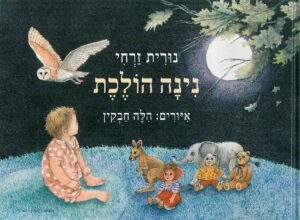
Nina Walks
Seven Blind Mice