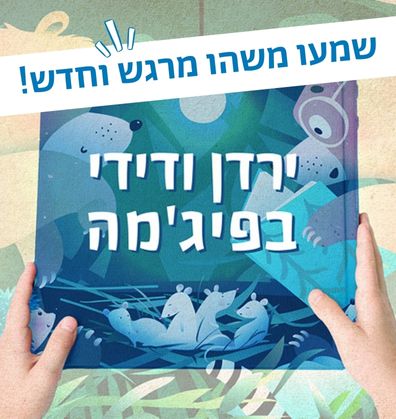
הכנסת אורחים היא מצווה גדולה ביהדות והיא מנהג תרבותי עתיק יומין, שרלוונטי עד ימינו אנו. בתורה מסופר על אברהם אבינו שהיה רואה עוברי אורח והיה רץ לקראתם ומזמין אותם מיד לנוח ולאכול אוכל חם. סיפורים על הכנסת אורחים מחממים את הלב וחושפים בפני הילדים והילדות מנהגים חשובים שבין אדם לחברו. הספרים "מקבלים פנינו" בכל פעם בבית אחר, ומזכירים לנו כמה נעים להתארח ולקבל יחס מיוחד, וכמה כיף לארח ולשמח אחרים.
קריאה משותפת היא הזדמנות לזמן איכות משפחתי ומקרב, אך לעיתים קשה לפנות לה מקום בקצב החיים המהיר והתובעני. ביסוס זמן קריאה קבוע בסדר היום המשפחתי יכול לעזור. כמו סבא ועכברה, תוכלו להכריז שעכשיו אתם בזמן רק שלכם ולמצוא פינה שקטה ונקייה מהסחות דעת.
סבא עכבר הנדיב מאכיל את אורחיו בכל מה שהם מבקשים. כשמגיעה נכדתו קטנטונת עכברת היא רוצה רק דבר אחד – זמן עם סבה האהוב. קטנטונת עכברת מזכירה לכולנו שרגעי היחד הם המשמעותיים ביותר.
הראו לפעוטות את הכריכה:
– בואו נתבונן יחד בכריכת הספר – מה אתם רואים? מה העכבר לובש? מה הוא מחזיק?
– ראיתם פעם עכבר שמצלצל בפעמון ומחזיק עוגה?
– על מה יהיה הספר לדעתכם?
ההקראה
לספר מבנה חזרתי לצד הפתעה – אורח אחר בכל פעם, מה שהופך את חוויית הקריאה למשחקית ומפעילה.
בקריאה כדאי לשמור על טון ומקצב קבוע. במשפט החוזר "דין דון/ מצלצל פעמון/ סבא עכבר ניגש לחלון" כדאי לעודד את הפעוטות להצטרף, ואז להראות להם מקרוב את הצללית שבווילון ולשאול: "מי לדעתכם ייכנס עכשיו?"
אחרי ההקראה
בשיחה תוכלו לשאול:
– בואו נסתכל יחד באיורים וניזכר – מי היו האורחים של סבא עכבר? מה הוא הכין להם לאכול?
– מה אתם הייתם מבקשים אם הייתם באים לסבא עכבר?
מה אתם אוהבים לעשות עם סבא או עם סבתא שלכם? ועם בני משפחה אחרים?
הזמינו את ההורים לסייע בריענון משק הבית בהשראת המטבח של סבא. הפעוטות יביאו איתם מהבית פריטים שאינם בשימוש, והם יהפכו להיות חלק מ"המטבח המשותף". שלחו להורים תמונות ממשחק במטבח המחודש.
כדי להדגים לפעוטות את התנועה והצליל של הפעמון אפשר להביא פעמון אמיתי. בעזרת בד בהיר ולא אטום תוכלו ליצור וילון שדרכו רואים צלליות כמו בספר.
אפשר לערוך עם הפעוטות שחזור של הסיפור בקבוצות קטנות, ולהזמין בכל פעם אחד או אחת מהם לצלצל מאחורי הווילון.
איך ללמד את הפעוטות לערוך שולחן בדרך מהנה וחווייתית? לוקחים מפת אלבד בהירה ומשרטטים את קווי המתאר של הכלים והסכו"ם ממש כמו בתמונה. הפעוטות יוכלו לערוך את השולחן לפי האיור ולחוות חוויה של הצלחה ועצמאות.
אם יש במעון מבשלת זו הזדמנות נפלאה להודות לה עם כל הפעוטות. תוכלו לומר: "בספר סבא עכבר בישל לכולם, ולנו יש את ___ הנפלאה שמכינה לנו אוכל באהבה רבה". גם אם יש קייטרינג, אפשר לומר תודה לשליח.
מיני הדרכה לצוותים – ספר 5 לכיתת הבוגרים במעון, תשפ"ו – "דין דון מצלצל בפעמון"
כיצד לשלב את הספר באופן חווייתי עם ילדי וילדות הגן? מגוון רעיונות והעמקה שיהפכו את הקריאה לקסם!
העמיקו יחד עם הפעוטות את חוויית הקריאה המשותפות בעזרת המחשות! יחד עם הפעוטות תוכלו לצבוע את דמויות הספר ולהעיר אותן לחיים
🖨️ הדפיסו
✍️ צבעו
✂️ גזרו
❤️ הדביקו על מקלות גלידה ושחקו עם הדמויות שיצרתם!
תוכלו לעודד את הפעוטות להצטרף לקריאת הסיפור באופן פעיל. הם יכולים להשלים מילים חורזות, ללוות את השיחה בין החיות בהבעות פנים ובתנועות ידיים מתאימות ולהשמיע את הקולות של החיות המופיעות בסיפור.
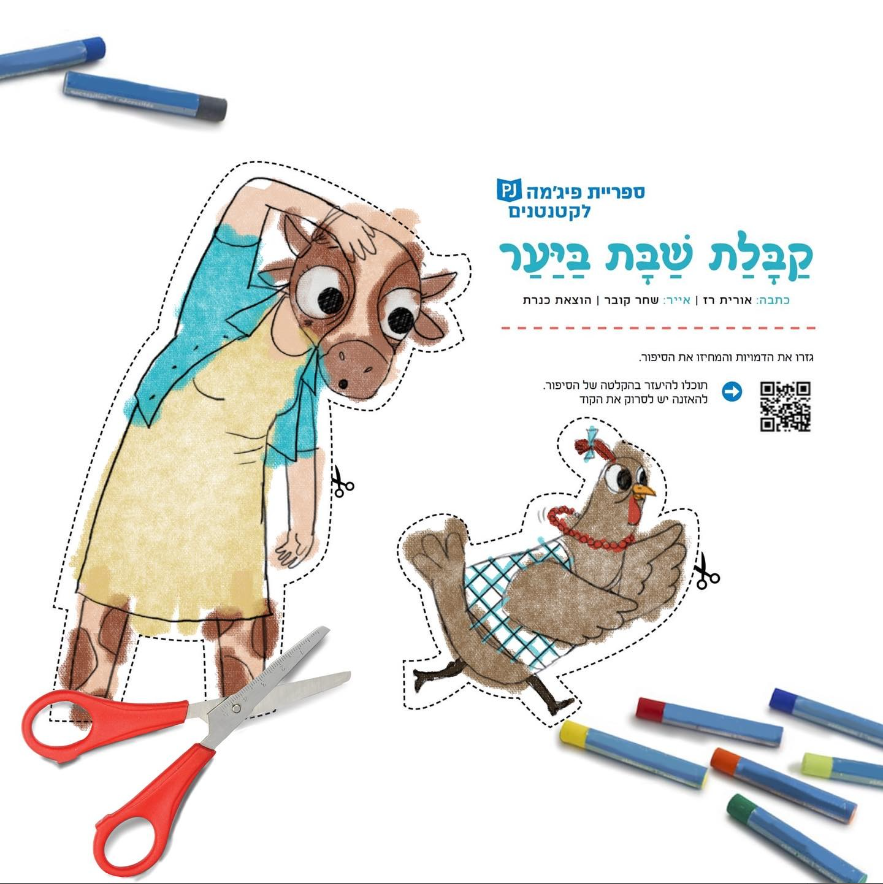
בספר מופיעים דבורה, צב, נמלה, תרנגולת, פרה וארנב. כדאי לבקש מהפעוטות לזהות את החיות השונות באיורים שבספר ולהוסיף לכל בעל חיים את הקול הייחודי לו או פרט אופייני אחר: הדבורה מזמזמת, הארנב מקפץ, הצב זוחל לאיטו, והפרה גועה.
איך מכינים צב בעזרת כף היד? סוגרים את כף היד לאגרוף ומחביאים בתוכו את האגודל. קוראים לצב לצאת, מוציאים את האגודל ומנופפים בו לשלום. אפשר ליצור חבורה של צבים בעזרת כל כפות הידיים שבבית. אפשר גם להיות צבים בעצמכם ולטייל באיטיות על ארבע. התעייפתם? היכנסו לנוח ב"בית" שלכם.
קוראים יחד – כדי שהפעוטות יצליחו לעקוב אחרי הסיפור, חשוב להצביע על האיורים, לשנות את הקול על פי החיה המדברת וללוות את הסיפור בקולות שהיא משמיעה. הפסקול המלווה את הסיפור מדגים כיצד לקרוא את הסיפור במגוון קולות.
בסיום הסיפור תוכלו לשוחח עם הפעוטות על ההכנות במעון לקראת סיום השבוע וקבלת השבת: מה אנחנו עושים במעון בקבלת שבת? כיצד אנחנו מתכוננים לקבלת שבת? מה אתם אוהבים בקבלת השבת שלנו?
ניתן להתאים בין כל חיה ובין הקול שהיא משמיעה, מקום המגורים שלה והתוצרת שלה.
לדוגמה:
חיה
הקול
מקום מגורים
תוצרת
פרה
מוּ מוּ מוּ
רפת
חלב
תרנגולת
קוּקוּרִיקוּ
לול
ביצים
דבורה
זוּם זוּם
כוורת
דבש
כדאי להקנות את הידע בהדרגה: קודם להתאים בין החיה לקול שלה ולאחר מכן להוסיף התאמות נוספות, על פי היכולות והסבלנות של הפעוטות.
משחקי התאמה – ניתן ליצור משחקי לוטו שבהם מתאימים בין תמונות של חיות לתמונות של מקומות מגורים, וליצור יצירות בהשראת בעלי החיים, התוצרת ומקומות המגורים שלהם.
צב מֵציץ ממַצְנֵחַ – כל הפעוטות מתחבאים תחת מצנח, ובכל פעם שקוראים בשם של פעוט או פעוטה, הם מוציאים את הראש.
מה יֵצא עכשיו? – הפעוטות שוכבים בכיתת המעון בתנוחה של עוּבּר ובכל פעם מוציאים יד, רגל או איבר אחר בגוף בתגובה לקריאה של המטפלת, "איפה היד?", "איפה הרגל?" וכיוצ"ב.
שירי צבים – מוזמנים להאזין, להתנועע או ליצור בעזרת שירי משחק על צבים:
האם גם אצלכם בבית מבקרים חברים קטנטנים? האם אלה חברים דמיוניים, ואולי בובה אהובה? כדאי לשוחח על כך עם הפעוטות ולשמוע מה הם אוהבים לעשות עם החבר הקטנטן. אפשר לצרף את החבר הקטנטן לקריאת הסיפור.
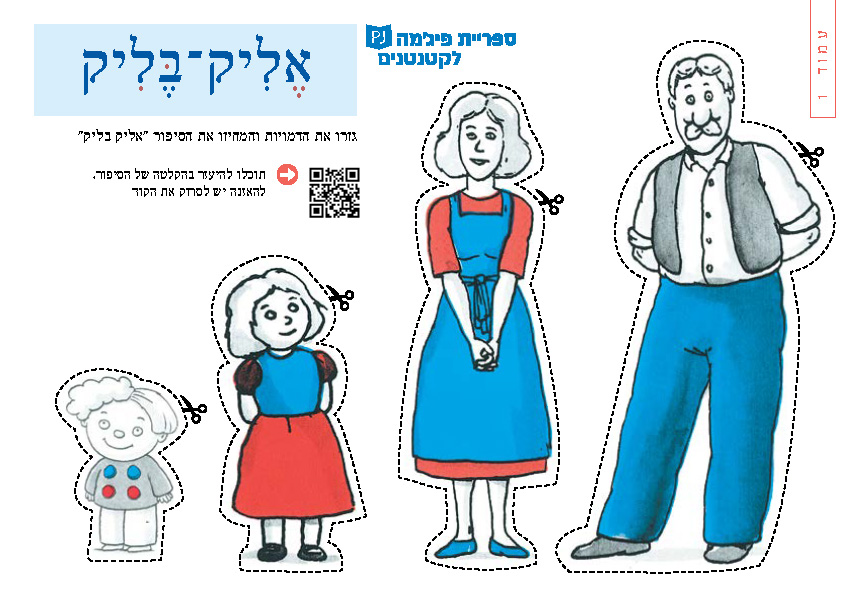
הסיפור ארוך מעט מהרגיל, וכדי לעורר עניין וסקרנות כדאי לספר אותו במגוון קולות: קול לאבא, קול ליעלי וקול שונה לאימא וגם לאליק בליק. תוכלו להתבונן יחד באיורים ולשתף את הפעוטות בזיהוי פרטים ובחזרה על המילים "אליק בליק".
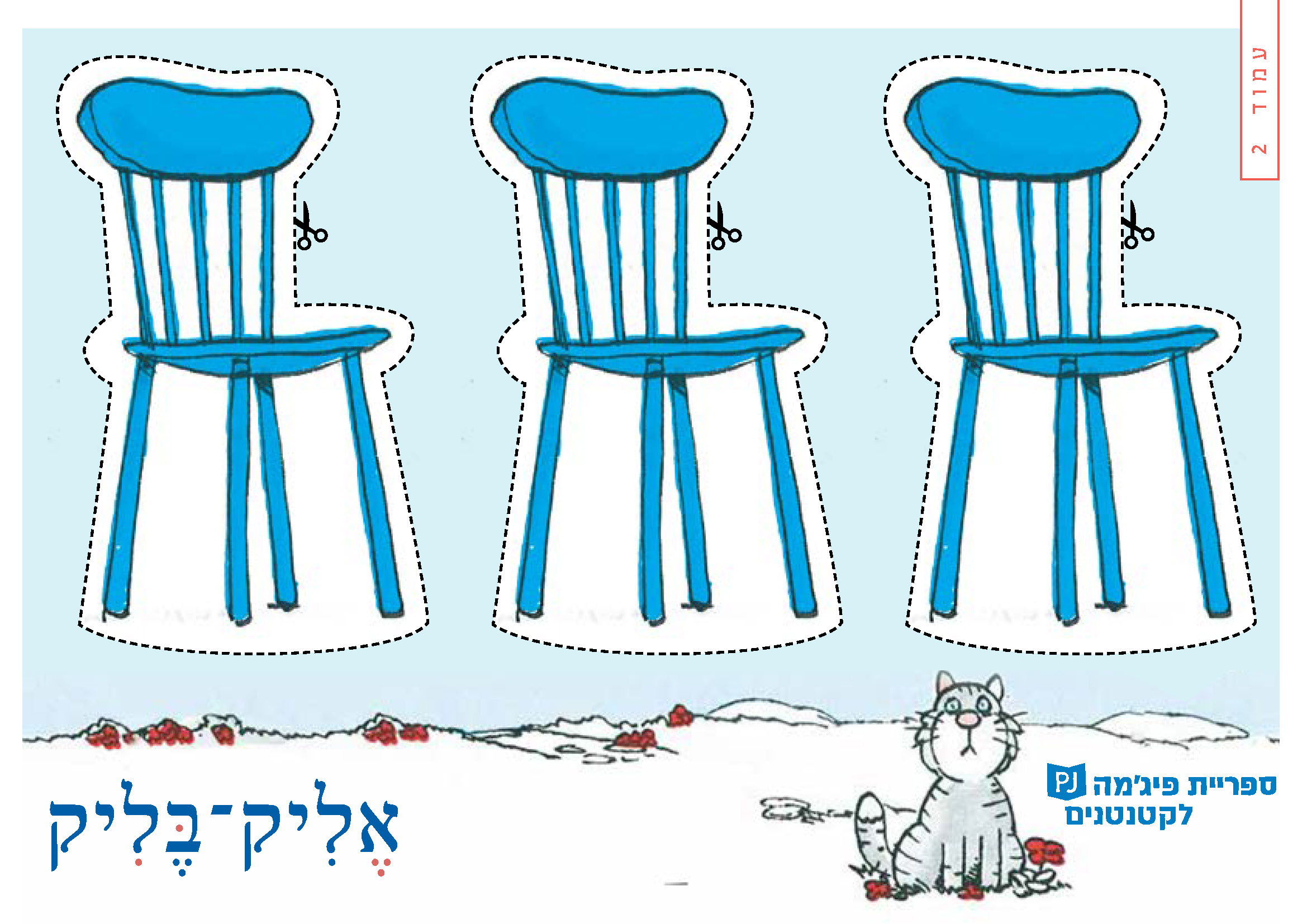
איפה הבובה? על השולחן? ואולי מתחת לו? ואיפה הכדור? תוכלו להחביא חפצים שונים, לחפש אותם ולאחר מכן לספר: "הכדור על הכיסא", "הכדור מתחת למיטה". תוכלו גם להתחבא בעצמכם ולחפש זה את זו.
לאבא יש נעליים גדולות, הנעליים של אמא – גדולות פחות, ליעלי –נעליים קטנות , ושל אליק בליק? קטנטנות! כדאי לצאת למסע בבית, לאסוף פריטים מאותו סוג ולסדר אותם מהקטן לגדול.
כדאי לאפשר לפעוטות להביא בובה אהובה מהבית ליום אירוח במעון, להכיר לה את הפינות השונות, להציג אותה לפני החברים במהלך המפגש, לשחק איתה באופן חופשי ולהשכיב אותה לישון לקראת מנוחת הצוהריים. ניתן לשחק בפינת הבובות במשחק דמיוני שבו מארחים את הבובה.
מה עושים יחד? אולי נותנים לה לאכול? אולי מסדרים בשבילה מיטה ומכסים אותה בשמיכה? ואולי מסיעים אותה באוטו בחזרה הביתה?
כשקוראים את הסיפור אפשר להתחבק בכל פעם שחיה מצטרפת לחבורה. אפשר גם לשחק במשחק החיבוקים: מתרחקים זה מזו, אומרים "שלוש, ארבע", ואז רצים זה אל זה, ומתחבקים!
הזמינו את שאר בני הבית לשבת יחד איתכם על הספה, על השטיח או על מזרן. אפשר לצרף בובות או חיית מחמד. שבו צפוף יותר ופחות, ובדקו – עד כמה הצפיפות נעימה לכם?
פורסים מצנח או בד גדול על הרצפה ובכל פעם מזמינים פעוט או פעוטה להצטרף למצנח ולשבת ביחד. אפשר גם להתחלק לזוגות ולשבת יחד בתוך חישוק. האם גם לכם טוב לשבת יחד?
שיתוף משפחות – מומלץ לצלם את הפעילות, לשתף את המשפחות ולספר על הספר החדש שהגיע – "ישבתי על כרוב"!
הימים האלו עכשיו הם ימים לא רגילים, ובימים כאלה סיפורים יכולים לשמח, לרגש, אפילו להצחיק. אנו מזמינים אתכם/ן להאזין להקלטה הקסומה של הסיפור "טוק טוק טוק דופקים בדלת" מאת: דבורה בושרי, אייר: איתן אֶלוּאַ, הוצאת: ספרית פועלים (גנים).
יוצרים ומגישים – ירדן בר כוכבא – הלפרין ודידי שחר מוזיקה ונגינה – טל בלכרוביץ'
פתיח – דידי שחר
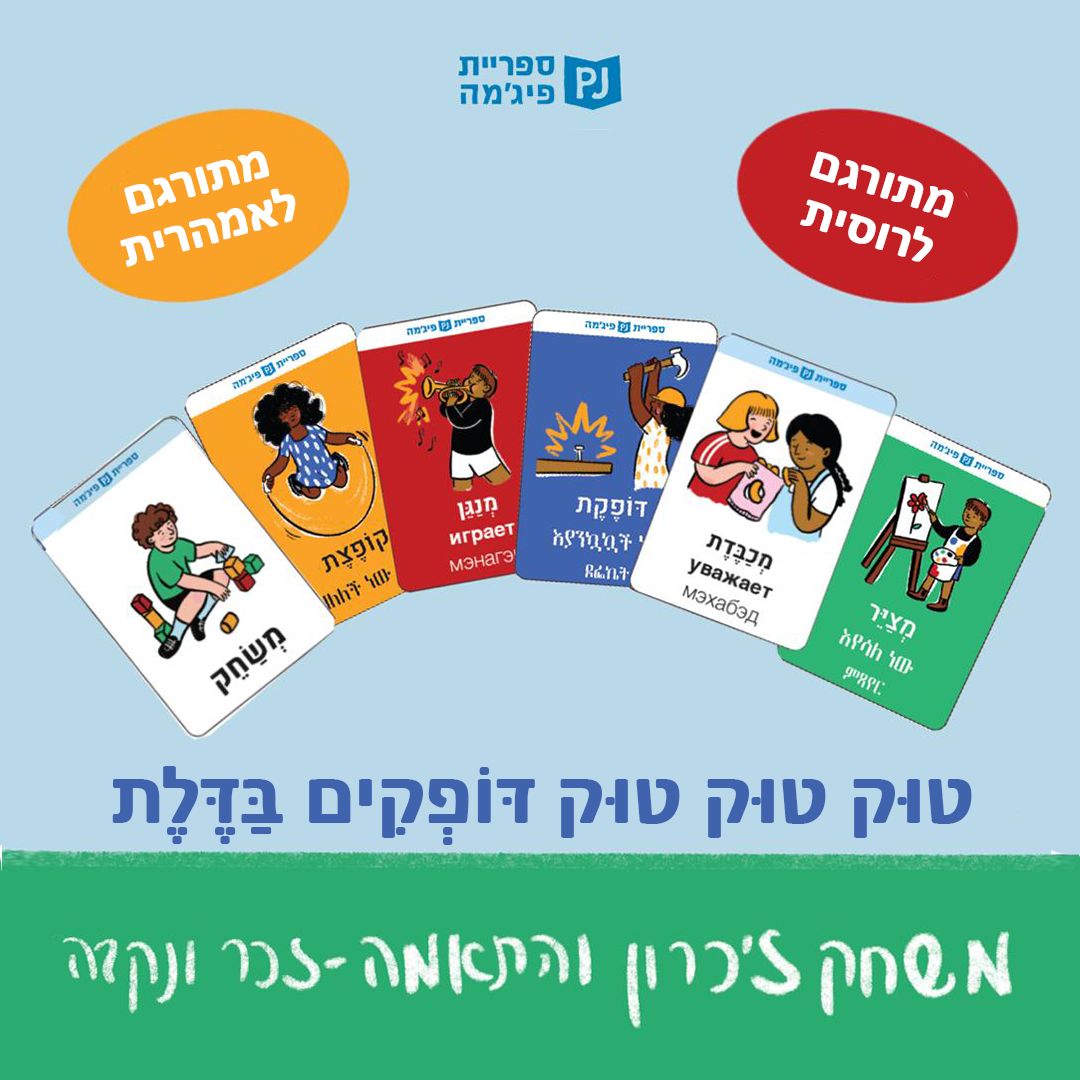
פעילות חווייתית בעקבות "טוק טוק טוק דופקים בדלת!" מאת דבורה בושרי.
🖨️ הדפיסו את הכרטיסים
✂️ גזרו
🎡 קראו את ההוראות ושחקו!
🎯 המטרה: להרים כמה שיותר זוגות כרטיסים של אותה פעולה בזכר ונקבה!
המשחק תורגם לרוסית ולאמהרית – במיוחד למשפחות עולים!
הסיפור מזַמֵן שיחה על שכנים ועל קשרים: תוכלו לבחון יחד מיהם השכנים שאתם מכירים, ולחשוב על פעילות להיכרות עם משפחה שגרה בשכנוּת. אתם ההורים מוזמנים לשתף בסיפורי שכנים מילדותכם: מי היו השכנים שלכם ומה עשיתם ביחד
תוכלו להכין ביחד דבר־מה ולתת לשכנים: זה יכול להיות מאכל, ציור ואולי מכתב שתשאירו ליד הדלת, ואפשר פשוט לבקר ולשאול לשלומם. והכי פשוט: לחייך כשפוגשים שכנים, ולהגיד "שלום", "מה נשמע?" ו"יום נפלא!".
כחלק מההשתלבות בקהילה כדאי להכיר את מי שגרים בשכנות לגן הילדים. תוכלו להזמין שכנים נבחרים ולערוך איתם היכרות, להזמין אותם לספר על כישוריהם, על מקצועותיהם ועיסוקיהם ועל תחומי העניין שלהם. אפשר לדאוג לכיבוד ולחלק לאורחים ולשכנים המבקרים בגן. ומה עוד? מה מציעים הילדים והילדות?
האיורים שבסיפור מוסיפים פרטים שאינם מופיעים בכתוב. תוכלו לבקש מהילדים ומהילדות להתבונן בבעלי החיים שבסיפור ולספר מה הם עושים: איזו חיה באה לבקר את יעל? איזו חיה היא פגשה שם? מה החיות עושות בכל עמוד שבספר?
מסופר שהבניין נמצא בירושלים. כדאי לשאול: איך ניתן לראות זאת באיור?
אפשר להציג תמונות של אתרים בירושלים המופיעים בסיפור – לדוגמה: אגף הנוער והיכל הספר במוזיאון ישראל, פסל "חלום יעקב" והאיילות מעמק הצבאים" שמופיעים בעמוד 2 – ולגלות כיצד המאייר איתן אֶלוּאַ אייר אותם.
תוכלו לבקש מאחד מילדי הגן להתבונן באיורים שבסיפור, לבחור פעולה כלשהי ולהדגים אותה בפנטומימה, בכתיבה, בציור, בנגינה או בריקוד. הילדים האחרים יגידו מהי הפעולה, ואם יתקשו בכך – יוכלו להיעזר באיורים.
הילדים שבסיפור יוצרים יצירות מקרטון בביקורם אצל יעל. כדאי להגיש לילדים משטחי קרטון וארגזי קרטון וכן מגוון צבעים וחומרי יצירה להתנסוּת וליצירה חופשית.
תוכלו ליצור בגן "מרחב עשייה" (makerspace), לחשוב ולתכנן יחד מה תרצו ליצור מקרטון: האם יש אביזר שיכול לשדרג את מרחבי המשחק והפעילות שאותו היו רוצים לייצר מקרטון? אולי יש אביזר שניתן לעצב מקרטון ולהעניק כמתנה לשכנים של הגן?
הספר נכתב בהשראת שיר הילדים הידוע "השפן הקטן"
מאת בנימין כספי. כדאי לשאול את הילדים איזה שיר
ילדים מזכיר להם הסיפור, לָשיר ולרקוד יחד.
אילו שירי ילדות נוספים אתם אוהבים? – תוכלו ליצור
שירון משפחתי ולבחור מדי פעם שיר לשירה משותפת,
ואולי תוכלו גם אתם לחבר בהשראתו סיפור.
השולחן שלנו – ציירו שולחן ריק ובחרו את מי תרצו לארח: אלו יכולים להיות בני משפחה וחברים מציאותיים או דמיוניים, בובות אהובות או דמויות מספרים. מה תרצו להגיש לשולחן? ומה יקרה, לדעתכם, כשהחברים שהזמנתם ייפגשו יחד?
ביקור של חבר או חברה הוא אירוע מרגש. אפשר
להתכונן לקראת הביקור ולחשוב: איך מקבלים חברה או
חבר הביתה? מה תרצו לעשות ביחד ומה עושים כשכל
אחד מהחברים רוצה לעשות משהו אחר?
החברים של השפן מודים לו והוא פונה אליהם במילים נעימות: "בבקשה", "יופי שבאתם", "בתיאבון!" כאשר אתם יושבים יחד לארוחה משפחתית, תוכלו לערוך סבב של מילים טובות: הראשון פונה למי שיושב מימינו ונותן לו מחמאה, השני מחמיא לשלישי וכן הלאה. המחמאה יכולה להיות קשורה למעשה טוב, לתכונה, להתנהגות נעימה, או לכל דבר טוב אחר שאם תחפשו, בטוח שתמצאו…
שיר הילדים "השפן הקטן" משמש השראה לסיפור, וכדאי לשיר אותו עם ילדי הגן. אפשר ללוות את השירה בנגינה ובריקודים ולחבר תנועות הממחישות את המילים.
השראה – בהשראת השיר המקורי יצרה לאה לופנפלד שיר נוסף באותו שם, "השפן הקטן", אשר הולחן על ידי רוני וייס.
מרק ירקות – בהשראת המרק שהכין השפן אפשר להכין מרק: תוכלו לשאול את הילדים והילדות איך מכינים מרק, לכתוב יחד את המתכון, לתכנן את הכנתו ולבשל יחד מרק מזין ובריא.
ילדים וילדות נהנים לשחזר סיפור בדרכים חווייתיות. אפשר להציע להם להכין תחפושות של הדמויות שבסיפור ולהציג איתן את הסיפור.
כל ילדי וילדות הגן יכולים להשתלב בתהליך, וכל אחד יכול לבחור לעצמו תפקיד: מעצבי תפאורה, מוכרי כרטיסים, מקהלה שמשתלבת במופע בשירה, להקה שמנגנת את השיר "השפן הקטן".
ההתייחסות לשפן בשיר כאילו היה ארנבון היא טעות נפוצה. כדאי להציג בפני הילדים והילדות תמונות של שפן, של ארנב ושל ארנבון ולהכיר להם את החיות השונות. ראו עוד על שפן, ארנבת וארנבון באתר האקדמיה הלאומית ללשון.
עוד סיפור – ניתן לספר את הספר "שפן" מאת גלעד סופר (חולק בעבר במסגרת ספריית פיג'מה), המתאר באופן יצירתי ומשעשע את הבלבול בין שפן לארנב ועוסק בזהות, בשם ובמה שביניהם.
התאמה חד-חד ערכית – אפשר להציע לילדים ולילדות לערוך את השולחן לדמויות שבסיפור ולהתאים את הכלים למספר האורחים. בשלב שני ניתן להציע להם להוסיף דמויות ולהרחיב את מספר הכלים בהתאמה.
מספר סוֹדֵר – הסיפור הוא סיפור צָבִיר; בכל פעם נוספת דמות אחת. אפשר לבדוק עם הילדות והילדים מי הגיע ראשון, שני, שלישי, ומה קורה כאשר מתווספת עוד דמות לסיפור.
משחק – בכל סבב תקבל קבוצה של ארבעה ילדים וילדות תמונה של אחת הדמויות או אביזר תחפושת תואם, למשל אוזניים או זנב. הקבוצה תנוע במרחב לצלילי מוזיקה. כאשר המוזיקה תיפסק, על הילדים להסתדר לפי סדר שנקבע מראש.
באתר "בואו לגני" ניתן להאזין לפיוט "רפא צירי" מאת רבי רפאל ענתבי העוסק בעזרה לחולה. את הפיוט נהוג לשיר לאחר החלמת החולה. אפשר ללמד את הפיוט בגן. כמו כן, כאשר ילד או איש צוות חולים, ניתן לעודד אותם על ידי שליחת הקלטה של ילדי וילדות הגן מפייטים יחד.
מהיכן שורשי המשפחה שלכם? אפשר לפתוח אטלס ולהראות לילדיכם את המסע שהמשפחה שלכם עברה עד שהגיעה ארצה. תוכלו לספר לילדיכם על בית ילדותכם ולהראות להם תמונות של דירות בהן התגוררתם.
מתקנים טעות ומשנים צורה: אפשר לאמן את ילדי הגן להפוך טעות להזדמנות על ידי הדגמה פעילה. מביימים מקרי טעות בכוונה ומתקנים אותם, הילדים עצמם יכולים להציע פתרונות: כתם על דף יכול להפוך לפרח שמקשט אותו, חור במכנסיים יקבל טלאי יפה, מילים שנשכחו משיר יכולות להפוך לחרוזים חדשים מצחיקים.
הכנסת אורחים: אפשר להכין יחד עם ילדי הגן מרק ירקות גדול, וממש כמו שעשה הענק, כשהמרק מוכן לאכילה מזמינים אורחים. הילדים יכולים לעזור בהכנה, לעצב הזמנות ולערוך את השולחנות. את מי תרצו להזמין? אולי את ילדי הגן הצמוד? הורים וסבים?
מה הטעם: האם הילדים יכולים לזהות טעמים בעיניים מכוסות? אפשר להביא מיני מאכלים ותבלינים שונים, לכסות את עיניי הילדים ולבדוק האם הם מזהים מה מתוק ומה מלוח, האם הם יצליחו לזהות גם את המאכל עצמו ולא רק את הטעם שלו?
עוד סיפור ודי: המרק מככב בסיפורים רבים נוספים. למשל "סבא בישל מרק", "מרק כפתורים" ועוד. אפשר לחפש יחד בספריית הגן, להזמין את ההורים והילדים להביא ספרים מהבית ולהציג תערוכה של "סיפורי מרק".
ספר מתכוני מרק: מה טעים לכם? אפשר לשוחח עם הילדים על טעמים שונים והעדפות אישיות, ולבקש מההורים לשתף במתכון של מרק אהוב. תוכלו לכרוך את המתכונים יחד ולהכין ספר מרקים של הגן.
"אציל את המרק!" אפשר לקרוא יחד הסיפור ובכל פעם שהענק מכריז: "אציל את המרק!", לעצור ולבקש מהילדים להשלים את המשפט. כדאי להתבונן יחד באיורים ולחפש פרטים שאינם מוזכרים בסיפור. מה נמצא במטבח של הענק? האם שמתם לב לציפור? אפשר לדמיין יחד, איך נראים החדרים הנוספים בבית הגדול של הענק?
ממחיזים את הסיפור: אפשר להמחיז את הסיפור בעזרת כלי בישול. מוציאים סירים בגדלים שונים, כף ומצקת ומכינים מרק דמיוני. הילדים יכולים להציג ולספר את הסיפור במילים שלהם. אתם יכולים להמשיך את העלילה ולהמציא מה קורה אחרי שהאורחים עוזבים, והענק נשאר עם ערמת כלים מלוכלכים ועוד מצרכים למרק.
מתוק או מלוח? אפשר לערוך יחד ניסוי טעמים: לוקחים שתי צלחות זהות, שופכים אל תוך צלחת אחת מעט סוכר ובשנייה מפזרים מלח. מבקשים מהילדים לטעום ולנחש אם זה מתוק או מלוח. האם הם הצליחו לזהות את הטעמים? בהמשך אפשר לשוחח על העדפות של בני הבית ולהכין ארוחת ערב משפחתית, שכוללת מנה מלוחה, מנה מתוקה, משהו חריף ומשהו חמוץ.
אפשר לתקן! מה קשה או דורש תיקון בבית? יחד תוכלו לנסות למצוא להם פתרונות: החדר צפוף ומלא חפצים שאין בהם שימוש? תוכלו להציע לילדיכם לבחור כמה צעצועים שאינם בשימוש ולמסור אותם לילדים צעירים יותר. המשחק שבור? אולי ניתן להדביק אותו. משעמם ומחפשים ספר חדש לקריאה? אפשר לאסוף יחד כמה חברים ולהחליף ביניכם ספרים. כדאי להתייעץ עם הילדים בזיהוי הקשיים ולברך אותם על מציאת פתרונות יצירתיים.
סיפורי מרק: אילו סיפורים על מרק אתם מכירים? תוכלו לחפש בבית או בספרייה ספרים כמו "סבא בישל מרק" מאת נירה הראל, או "מרק כפתורים" מאת אוברי דייוויס ולקרוא אותם יחד. שני הספרים חולקו בספריית פיג'מה בשנים קודמות.
תוכלי לשוחח עם קבוצות קטנות של ילדים: מי החברים של עליזה הברווזה ומה הם אוהבים לעשות יחד? מי החברים שלנו ומה אנחנו אוהבים לעשות? הסיפור יכול לזמן עיסוק בגן בחברות ובנתינה.
בעקבות הסיפור אפשר לבקש מהילדים וההורים לבחור משימה אחת חדשה בבית, אותה ילמדו לעשות לבד. הילדים יכולים להכין עם הוריהם תיאור מצויר של המשימה אותו למדו, ולהציג את התיאורים בתערוכה בגן.
כדאי לדפדף יחד בספר ולבקש מילדיכם לספר את עלילת הסיפור במילים שלהם לפי רצף האיורים. אפשר גם לבחור בובות שייצגו את הדמויות של עליזה וחבריה, ולהמחיז יחד את הסיפור.
לפעמים ילדים צעירים בשלים לבצע משימות בעצמם, אך אינם עושים אותן כי התרגלו לקבל עזרה. אפשר לחשוב יחד על דברים שאתם נוטים לעשות עבורם, ולבחור משימה אחת שהם כבר מסוגלים לעשות בעצמם. כדאי לחזק את ההרגשה הטובה בעקבות ביטוי העצמאות!
מי החברים של עליזה הברווזה? מי החברים של ילדיכם? ומי החברים שלכם? אפשר להיזכר בדברים שעליזה וחבריה אוהבים לעשות יחד ולשתף זה את זה בבילוי שלכם עם חבריכם.
מילים ותמונות: מה הקשר? לפני קריאת הסיפור תוכלי לבקש מהילדים לדפדף בספר ולתאר מה עושה חנה-בננה בכל תמונה. בהמשך תקראו יחד את הסיפור. בכל פעם שאתם מגיעים למילים "בינתיים חנה-בננה מאוד ממהרת…" תוכלי לבקש מהילדים לתאר מה הם רואים בתמונה. האם חנה-בננה באמת "כמעט לא עוצרת"?
מיהן דמויות סבא וסבתא בחיי הילדים בגן שלך? האם יש שומר/ת, מבשלת, מתנדב/ת או כל אדם מבוגר אחר שמשמש עבור הילדים דמות של סב? אם תכנית זה"ב בגן פועלת בגן שלך כדאי מאד להתייעץ מראש עם המתנדבת לגבי שילובה בסיפור. אולי היא תרצה להגיע לגן לבושה בסינר ולהמחיז יחד אתך את הסיפור? אולי היא תבחר לשתף את ילדי הגן בסיפורים על הקשר שלה עם הנכדים שלה, או לבשל איתם דייסה או מאכל אהוב אחר?
כדאי שיהיו מספיק תחפושות ואביזרים בפינת הבית, שמעודדים שילוב הסיפור במשחק הסוציו-דרמטי של הילדים. כדי להעשיר את הסביבה בעקבות הסיפור אפשר לבקש מההורים לשלוח קופסאות או חבילות ריקות של סולת, תבלינים, סוכר וכד'.
בסוף הסיפור חנה-בננה מרגיעה את סבתא. זו הזדמנות להעצים את הילדים ביכולתם להרגיע אחרים – חברים, וגם מבוגרים! כדאי להעלות דוגמאות מחיי הגן ולהזמין סיפורים מפי הילדים. תוכלי גם לבקש מהורי הילדים לשלוח לגן סיפורים על פעמים בהן ילדיהם הרגיעו אותם ועזרו להם להרגיש טוב יותר.
כיצד מארחים חבר? מה תפקיד המארח, ומה תפקידו של האורח? הכנסת אורחים היא חלק מחיי היום יום של הילדים, אולם הם לא תמיד יודעים מה אפשר לעשות עם החבר, ולפעמים קשה להם להתחלק בחפצים. בעקבות הסיפור תוכלו לערוך רשימה של דרכים לסייע לאורח להרגיש בנח.
מקורה של מצוות הכנסת אורחים היא דווקא בהזמנת אדם שזקוק להזמנה. אפשר לערוך בגן מבצע בו יזמין כל ילד חבר חדש, כזה שעדיין לא היה אצלו בבית. זו הזדמנות מצוינת ליצור קשרים חדשים בין ילדים ולסייע לילדים שמתקשים חברתית.
אם תעקבו אחר מילות הסיפור והתמונות הנלוות, בוודאי תשימו לב לפער בין האיורים לבין הטקסט. תוכלו לקרוא שוב את הסיפור. בכל פעם שאתם מגיעים למילים "בינתיים חנה-בננה מאוד ממהרת…" תוכלו לבקש מילדיכם לתאר מה הם רואים בתמונה. האם חנה-בננה באמת "כמעט לא עוצרת"?
תוכלו לשחק עם ילדיכם את משחק האצבעות "סבתא בישלה דייסה". על פי הסיפור "סבתא של חנה בננה בישלה דייסה", למי היא נתנה ולמי לא נשאר?
הסיפור "סבתא של חנה – בננה בישלה דייסה" הוא בעצם שני סיפורים שמתרחשים בעת ובעונה אחת. תוכלו להמחיז יחד את הסיפורים. תחילה בקשו מילדיכם להמחיז את הדרך של חנה-בננה לבית של סבתא בזמן שאתם ממחישים את המעשים של סבתא. בהמשך תוכלו להחליף תפקידים. אם יש בני משפחה או חברים בסביבה, תוכלו לשתף גם אותם במשחק ולהעניק לכל אחד תפקיד של שכן אחר.
"על טעם וריח…": בסוף הסיפור מגלה חנה-בננה שהיא לא כל כך אוהבת דייסה. תוכלו לשאול את ילדיכם אם לדעתם חנה-בננה באמת לא אהבה את הדייסה, אילו מאכלים הם אוהבים במיוחד, ומה הם אוהבים פחות.
תוכלו להסביר לילדיכם שהשם "חנה-בננה" הוא שם חיבה, כינוי. אם לילדיכם יש שם חיבה, מי משתמש בו ומתי? האם יש להם כינוי שהם פחות אוהבים?
איך מכינים דייסת סולת חמה ומתוקה?
אורה איל כתבה ואיירה יותר מ-70 ספרי ילדים. היא איירה ספרים רבים מאת מיטב סופרי הילדים הישראלים, ובהם מרים רות ("מעשה בחמישה בלונים", "תירס חם" ו"הבית של יעל"), דויד גרוסמן (סדרת סיפורי "איתמר") ורונית חכם ("חמש מכשפות הלכו לטייל"). עם הספרים שאורה איל עצמה כתבה ואיירה נמנים: "בוקר בהיר אחד", "אוגבּו", "המלחמה האדירה", ועוד. סגנון האיור של אורה איל פשוט וקל לזיהוי, וספריה האהובים שימחו וממשיכים לשמח אלפי ילדים בישראל. אורה איל זכתה בפרסים רבים, ובהם עיטור כריסטיאן אנדרסן לספרות ילדים ונוער ופרס בן-יצחק.
סיפור "התבלין החסר" מבוסס על סיפור תלמודי. בנוסף למסר היפה הטמון בו, הסיפור מפגיש את הילדים עם דמות מופת ידועה מהמקורות, ר' יהודה הנשיא, ועם קיסר רומא. לפני שאת קוראת את הסיפור עם הילדים רצוי להכיר להם את הדמויות והתקופה. את והסייעת תוכלו ללבוש בגדים מתקופת המשנה ולהציג את עצמכן כדמויות מהסיפור, תוך ציון מיהם ר' יהודה הנשיא ואנטונינוס, מה אפיין את התקופה ההיסטורית ופרטים נוספים שיכניסו את הילדים לאווירה.
כדאי לעודד את הילדים להמחיז את הסיפור, באופן חופשי במשחק שלהם וכהצגה פורמלית בפני הקבוצה (ואולי גם ההורים!). דאגו לזמינות של תחפושות ואביזרים שקשורים לסיפור ולתקופה. אפשר לעטוף את הראש של "ר' יהודה הנשיא" במגבת גדולה ולהלביש את "אנטונינוס" בסדין בצורה של טוגה רומית. אל תשכחו את התלמידים של ר' יהודה הנשיא ובני משפחתו, והאנשים הרבים שמתלווים לקיסר בביקור.
ר' יהודה הנשיא מסביר לקיסר כי תבלין אינו רק משהו שטועמים או מריחים. אין להניח שכל ילדי הגן, בעיקר הצעירים שביניהם, יבינו את המשמעות המטאפורית של "התבלין". רצוי לחשוב כיצד את מסבירה את המסר של הסיפור בצורה שמותאמת להבנתם של כל הילדים.
לכל ילד וכל משפחה "תבלין" מיוחד, אשר מוסיף להם טעם וריח ומבדיל אותם ואת אורחות חייהם מאחרים. בעקבות הסיפור תוכלו לשוחח עם הילדים על האופן שבו המשפחות שלהם מציינות את השבת. אפשר להזמין את ההורים והילדים להכין ציורים של "השבת שלנו" ולהציג אותם בתערוכה בגן.
תוך כדי קריאת הסיפור אפשר להזמין את הילדים לחפש את הסוס והעז באיורים. מה הם עושים לאורך הסיפור? הבעות הפנים שלהם רומזות על המחשבות שלהם. אילו היו החיות יכולות לדבר, מה לדעתכם הן היו חושבות על "התבלין החסר"?
אפשר לעיין יחד באיורים אשר מתארים את שולחן השבת של ר' יהודה הנשיא ולשוחח עם הילדים: מה ילדי הגן אוכלים בשבת, האם יש להם מאכלים אהובים שלרוב אינם אוכלים ביום חול (אולי מרק מיוחד, ג'חנון, פנקייקים, דג, עוגות..)? האם צורת הארוחה שונה בשבת: פותחים שולחן גדול, פורסים מפה, אולי יוצאים לפיקניק בחיק הטבע?
רבי יהודה הנשיא התגורר בבית שערים ובציפורי שבגליל התחתון. תוכלו לחפש את בית שערים וציפורי באטלס או באינטרנט, להראות לילדים תמונות מגילויים ארכיאולוגיים מתקופת המשנה. אפשר גם לקשט פינה בחדר עם תפאורה שמתאימה לזמן ולמקום. גנים שנמצאים באזור – אולי תוכלו לבקר בעצמכם ולשלוח לנו תמונות!
הסיפור הוא הזדמנות להזמין את ההורים לסדנא בנושא השבת או לקבלת שבת משותפת להורים וילדים. אפשר לבקש מההורים להביא מאכלי שבת ולשתף זה את זה במגוון הטעמים המיוחדים של השבת!
מגוון רעיונות שונים של גננות, לציון יום שישי כיום מיוחד במינו בגן שלהן:
*ארגון שונה של הסביבה הפיזית של הגן
*אפיית חלות או עוגה
*ארוחת עשר מיוחדת וחגיגית
*משחקים שונים, בהם משחקים רק ביום שישי
*כלי שולחן מיוחדים ותחפושות שמעודדים שילוב "ארוחת שבת" בפינת הבית
*"בגדי שבת" לבובות בפינה למשחק סוציו-דרמטי
*חלוקת ילדי הגן ל"מארחים" ו"מתארחים", במקום אבא ואמא של שבת
*הכנת שירון של שירי שבת של הגן, כולל פיוטים וניגונים
*קלסר "השבת שלנו" עם ציון "התבלין המיוחד" של כל משפחה, אשר נמסר כל שבוע לילד אחר למילוי ומוחזר לגן ביום ראשון
*אירוח ילדי גן צמוד לקבלת שבת
תמונות מספרות סיפור: אפשר להתבונן יחד באיורים המלווים את הסיפור. חפשו את הסוס והעז. מה הם עושים לאורך הסיפור? הבעות הפנים שלהם רומזות על המחשבות שלהם. אילו היו החיות יכולות לדבר, מה לדעתכם הן היו חושבות על "התבלין החסר"?
מה התבלין המיוחד שלכם? תוכלו לשוחח ביחד, מה מוסיף למשפחה שלכם טעם וריח? איך אתם מציינים את השבת, את החגים, את זמן המשפחה? אפשר להכין עם ילדיכם אלבום תמונות וציורים של "השבת שלנו", ובו תציינו את האנשים והדברים המיוחדים בשבת שלכם.
פעם, לפני שנים רבות…: כדאי להסב את תשומת לב הילדים לצורת לבוש ולנוף הגלילי באיורים שמלווים את הסיפור, ומאפיינים את תקופת המשנה. תוכלו להשוות בין בגדי רבי יהודה הנשיא לאלה של אנטונינוס הרומאי. בהשראת הסיפור אפשר להתחפש, ואם תרצו – לפרוס מפה, לערוך שולחן, ויחד להמחיז את העלילה.
על טעם וריח…: תוכלו להכין תערובות תבלינים לשימוש בטקס הבדלה או לבישום ארון הבגדים. תנו לילדיכם לבחור תבלינים עם ריחות נעימים להם (למשל, מקלות קינמון או ציפורן). מכניסים את התבלינים לשקית בד קטנה, מהדקים , מקשטים ומריחים – והרי לכם שקית בשמים מעשה ידיכם.
מי שבא ברוך הבא! האם גם אתם, כמו רבי יהודה ואנטונינוס, אוהבים לארח ולהתארח בשבת? ילדים רבים נהנים להשתתף בהכנות לקראת בואם של אורחים. הם יכולים להכין שלט "ברוכים הבאים" לכניסה, לעזור לערוך את השולחן, לסייע במטבח או לקשט את השולחן בציורים מיוחדים לכל אחד מהסועדים.
ביקור בגליל: ידוע לנו כי רבי יהודה הנשיא התגורר בבית שערים ובציפורי שבגליל התחתון. תוכלו לחפש את בית שערים וציפורי באטלס או באינטרנט, להראות לילדים תמונות מגילויים ארכיאולוגיים מתקופת המשנה ולערוך "ביקור וירטואלי" בגנים הלאומיים במקומות אלו. אם יזדמן לכם… כדאי לצאת לטיול משפחתי ולבקר בעצמכם!
בטרם קריאת הסיפור כדאי לוודא שהילדים יודעים מהו פחם ומכירים את המקצוע של מוכר פחם. אפשר להביא לגן כמה חתיכות של פחם, ולספר להם כיצד פעם חיממו בתים באמצעות פחם ואיך נתפש המקצוע של מוכר פחמים. תוכלו גם להזכיר להם את הסיפור על חנהל'ה ושמלת השבת, שם מוזכר הפחם שלכלך את שמלתה של חנהל'ה.
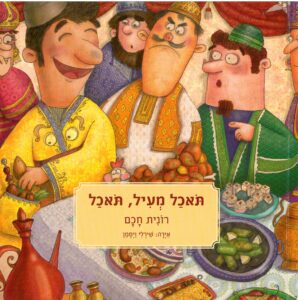
כדאי לאפשר לילדים לעיין מקרוב באיורים ולשים לב לפרטים – למשל, איך בחרה המאיירת להציג את הבית והעיירה בצפון אפריקה של פעם, מה לובשים גיבורי הסיפור, איך נראה המשתה החגיגי וכד'. האם זה דומה לסביבה שלכם?
בזמן הקריאה, כדאי לעצור בעמוד שבו מרקו "מאכיל" את המעיל במטעמים מהחתונה. האם האיור הצחיק את הילדים? אפשר לשאול את הילדים למה לדעתם הכניס מרקו אוכל לכיסי המעיל?
אפשר לקשט את הגן כמו העיירה של מרקו ולהוסיף פריטים של סעודה חגיגית: בדים צבעוניים, כלי נחושת, כריות וכד'. ניתן גם להשוות עם סיפורים דומים על משתים, ארמונות וסעודות – לדוגמה, כשעוסקים בפורים בגן.
הצעה קלה להדגים לילדי הגן את הפתגם "אל תסתכל בקנקן אלה במה שבתוכו": לוקחים שתי קופסאות פשוטות ומקשטים אחת בנייר אריזה זוהר ומהודר. אל תוך הקופסה המקושטת מכניסים כמה אבנים פשוטות, ובתוך הקופסה הפשוטה – סוכריות או עוגיות מיוחדות. מעבירים את הקופסאות בין הילדים ושואלים אותם איזו היו רוצים לקבל כמתנה. אחרי שפותחים את הקופסאות ומסבירים את הפתגם, אל תשכחי לחלק לילדים את הממתק!
בעקבות תיאור המשתה בסיפור אפשר לשוחח עם ילדי הגן על חתונות ועל שמחות אחרות בקהילה שלכם. כיצד מתלבשים? מה אוכלים? האם יש טקס, שירים או ריקודים מיוחדים? אפשר לשאול את הילדים אם הם נכחו באירוע כזה. האם לבשו בגדים מהודרים? איפה זה התקיים, האם היו הרבה מוזמנים, האם הם רוצים לשתף את חבריהם בחוויה?
"יְגִיעַ כַּפֶּיךָ כִּי תֹאכֵל, אַשְׁרֶיךָ וְטוֹב לָךְ" (תהילים, קכ"ח ,ב'). מרקו מוכר פחם למחייתו – מקצוע שרק בדוחק הביא פרנסה וכבר עבר מן העולם. אפשר לשוחח עם הילדים על בעלי מלאכה ומקצועות שונים, ולהדגיש את הכבוד והערך שבכל תפקיד.
"איזהו מכובד? המכבד את הבריות" (אבות, ד', א'): האורחים בחתונה לומדים ממרקו שיעור חשוב על מתן כבוד. בעקבות הפתגם "אל תסתכל בקנקן", תוכלו לשוחח עם ילדיכם על חיצוניות ועל פנימיות, למנות יחד סגולות חיצוניות ופנימיות ייחודיות של בני המשפחה, ולהדגיש את חשיבות מתן הכבוד לכל אדם, לא משנה כיצד הוא נראה או כיצד הוא לבוש.
בזמן הקריאה, כדאי לעצור בעמוד שבו מרקו "מאכיל" את המעיל במטעמים מהחתונה. האם האיור הצחיק את ילדכם? ואתכם? אפשר לשאול את הילדים למה לדעתם הכניס מרקו אוכל לכיסי המעיל?
בסיפור מתואר כיצד יהודי צפון אפריקה ציינו פעם אירועים משמחים במעגל החיים. אפשר לשוחח עם הילדים על חתונות ועל שמחות אחרות בקהילה שלכם. כיצד מתלבשים? מה אוכלים? האם יש שירים וריקודים מיוחדים? האם ילדיכם השתתפו בחתונה או באירוע שמח אחר? אפשר לחפש תמונות משמחות, ולהיזכר בחתונה או בשמחה אחרת שחגגתם בהן.
אפשר להמחיז את הסיפור בעזרת בובות, או להעלות הצגה משפחתית המבוססת על הסיפור. רצוי לדאוג לתחפושות מתאימות: בגדים בלויים, איפור שחור, בגדי חתונה, מעיל מהודר וכדומה.
"יְגִיעַ כַּפֶּיךָ כִּי תֹאכֵל, אַשְׁרֶיךָ וְטוֹב לָךְ" (תהילים, קכ"ח ,ב'). מרקו מוכר פחם למחייתו – מקצוע שרק בדוחק הביא פרנסה וכבר עבר מן העולם. כדאי לספר לילדיכם מהו פחם, כיצד פעם חיממו בתים באמצעות פחם, ואיך נתפש המקצוע של מוכר פחמים. בהמשך תוכלו לשאול את ילדיכם אלו מקצועות הם מכירים. אם תרצו, אפשר לשתף אותם בעבודה שלכם. מה אתם אוהבים בה? מה מביא לכם סיפוק?
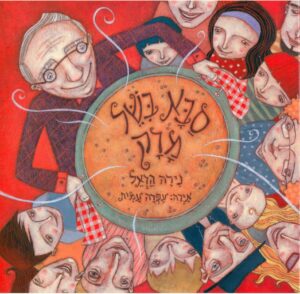
הקשיבו, הקשיבו!!! 🎧 ילדות וילדים, הורים וצוותים חינוכיים ❤️. הימים האלו עכשיו הם ימים לא רגילים, ובימים כאלה סיפורים יכולים לשמח, לרגש, אפילו להצחיק. אנו מזמינים אתכם/ן להאזין להקלטה הקסומה של הספר "סבא בישל מרק להאזנה", מאת: נירה הראל | איורים: עפרה עמית | הקיבוץ המאוחד.
האם המרק הנפלא של סבא יספיק לכל האורחים? האזינו לספר וגלו!
יוצרים ומגישים: ירדן בר כוכבא – הלפרין ודידי שחר מוזיקה ונגינה: טל בלכרוביץ' פתיח: דידי שחר
אפשר להמחיז את הסיפור בשיתוף הילדים. בחרו כל פעם מי ייצג את סבא, ומי האורחים שבאים לבקר. תנו לילדים לספר את הסיפור במילים שלהם. אתם יכולים גם להמשיך את הסיפור ולספר מה קורה אחרי שהאורחים נפרדים מסבא ושבים לבתיהם.
בתחילת הסיפור סבא עצוב ובודד, אך האורחים שמגיעים לבקרו משמחים אותו. תוכלו לבקש מהילדים לעיין באיורים: איפה נראה סבא עצוב, ומתי הוא מתחיל לחייך? אפשר לנהל איתם שיחה: האם הם תמיד שמחים לארח חברים? מה משמח ומה עשוי להיות קשה לילדים בהכנסת אורחים? תפקידך כמחנכת מקנה לך הזדמנות לערוך שיחה פתוחה אודות הקושי בשיתוף במשחקים, הרצון לפעמים להיות לבד והשמחה של ה"ביחד", ועוד נושאים חשובים להתפתחות החברתית-רגשית של הילדים בקבוצה.
אפשר לספר לילדים את הסיפור התנ"כי על אברהם והכנסת אורחים. תוך כדי הסיפור ניתן להוסיף הרבה פרטים אודות החיים במדבר, מנהגי אירוח של נוודים (גם היום!) ועוד. תוכלו גם לשתף אותם באגדה המספרת שבאוהלו של אברהם היו ארבעה פתחים. כל פתח פנה לכיוון אחר על מנת שכל אורח, לא משנה מהיכן הוא מגיע, ירגיש בנוח וייכנס.
תוכלו לדאוג לתחפושות ואביזרים מתאימים לסיפור התנ"כי (בגדים מתאימים, בדים לקירות האוהל, קומקום תה וכלי נחושת, שטיחים…) וכך לעודד שילוב תכני הסיפור התנ"כי במשחק הסוציו-דרמטי של הילדים. בימים ללא גשם, אפשר להוציא את המשחק לחצר הגן, שם המחזת הסיפור תלבש אופי עוד יותר קרוב למציאות!
כיצד מארחים חבר? מה תפקיד המארח, ומה תפקידו של האורח? הכנסת אורחים היא חלק מחיי היום יום של הילדים, אולם לפעמים קשה להם לארח מפני שאינם יודעים מה אפשר לעשות עם החבר, או שקשה להם להתחלק בחפצים. שיחה ותרגול בגן יכולים ללמד את הילדים כיצד לעזור לאורח להרגיש בנוח.
בתחילת הסיפור סבא עצוב ובודד, אך האורחים שמגיעים לבקרו משמחים אותו. האם ילדיכם תמיד שמחים לארח חברים? תוכלו לשוחח על מה משמח ומה עשוי להיות קשה בהכנסת אורחים.
"מַתָּן אָדָם יַרְחִיב לוֹ": מעגל השמחה של סבא מתרחב ככל שמגיעים האורחים. גם האיורים בספר ממחישים זאת. תוכלו לדפדף בספר ולהבחין כיצד המעגל הקטן מתרחב ובסוף הסיפור הוא חוזר ומצטמצם.
אפשר להמחיז את הסיפור בעזרת צעצועים ובובות. בחרו עם ילדיכם איזו בובה תייצג את סבא, ומי האורחים שבאים לבקר. ספרו את הסיפור במילים שלכם. אתם יכולים גם להמשיך את הסיפור בעצמכם ולספר מה קורה אחרי שהאורחים נפרדים מסבא ושבים לבתיהם.
סבא זוכה לביקור של נכדיו: "…סתם, ביום חול, באה אלי נכדתי לאכול". אפשר לשוחח עם ילדיכם: אילו אורחים באים לבקר את משפחתכם ומה אתם אוהבים לעשות איתם? האם יש לכם זמנים קבועים לביקור או מנהגים מיוחדים של הכנסת אורחים? אולי יש כיבוד מיוחד שאתם מגישים לאורחים או חדר שיושבים בו יחד?
בעקבות הספר תוכלו לספר לילדיכם את הסיפור המקראי על אברהם ולהציע להם להקים "אוהל" בעזרת שמיכה הפרושה בין כמה כיסאות. בתוך האוהל הם יוכלו לקבל חברים, לכבד אותם בכיבוד שהכינו ולשחק יחד.
כמו סבא בסיפור, גם אתם יכולים להכין מרק ולהגיש אותו לאורחים. אולי ילדיכם ירצו להזמין חברים שעדיין לא ביקרו אצלכם?
מתכון ל"מרק סבא":
מצרכים:
2 בצלים גדולים, קצוצים
3-4 שיני שום כתושות
4 גזרים
3 קישואים
3 תפוחי אדמה
2 כוסות דלעת חתוכה לקוביות
חבילת סלרי
צרור פטרוזיליה או כוסברה
מלח, פלפל, כורכום
אופן הכנה:
מטגנים את הבצל והשום בסיר במעט שמן, עד להזהבה.
חותכים לקוביות את הקישואים, תפוחי האדמה, הגזרים והדלעת, מוסיפים לסיר ומערבבים.
קוצצים את הפטרוזיליה והסלרי, מוסיפים אותם לסיר ומערבבים.
מוסיפים תבלינים ומערבבים.
ממשיכים לערבב עד שכל הירקות טוגנו והתרככו מעט.
מוסיפים מים רותחים בכמות כפולה מהירקות ומבשלים עד שהירקות מתרככים לגמרי.
טועמים, מתקנים את התיבול במידת הצורך ומגישים.
בתיאבון!
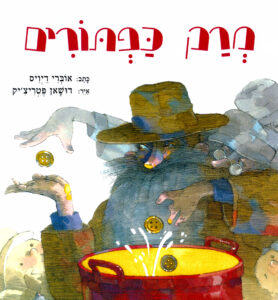
"מוזר, מה קורה כאן?" שואל הקבצן. כדאי לשאול את ילדכם למה לדעתם איש אינו מזמין את הקבצן לביתו פנימה. תוכלו להמחיז את הסיפור. דמיינו שאתם והילד דופקים עם הילד על דלתות בני העיירה ושואלים אותם: "מה שלומכם? מדוע אינכם פותחים את הדלת לקבצן?"
פתיחת הדלת לקבצן, או לכל אדם זר, אינה מתאימה לילדים צעירים, ועלינו להזהיר את ילדינו לבל יפתחו את הבית לאנשים זרים. אבל כן נוכל לפתוח את הלב! אפשר לשוחח על הדרכים שבהן אתם עוזרים למישהו, ולהיזכר במקרה שבו קיבלתם עזרה מאחרים.
לאחר אכילת המרק בני העיירה שרים, צוחקים ורוקדים – ויש די מרק לכולם. כדאי לקרוא יחד שוב מה תרמו אנשי העיירה למרק, איש איש בתורו, ולחשוב מה הם "הרוויחו" מתרומתם, שכה שימחה אותם. נסו להיזכר במקרה שבו נוצר משהו חדש וטוב יותר כאשר כל אחד תרם משהו משל עצמו.
מכינים מרק כפתורים (ללא הכפתור!): ממקל גזר ניתן להכין רק גזר, מבצל אחד – פשוט בצל, ומראש כרוב? נכון, ראש כרוב! אבל כשמכניסים את הירקות לסיר ומבשלים אותם יחד, נוצר דבר שונה, שערכו רב מערכו של כל מרכיב בנפרד. אפשר להזמין הביתה חברים של ילדכם, ולבקש מכל אחד להביא תרומה לתבשיל. בזמן שהמרק מתבשל תוכלו לצפות בשינויים בצורה ובטעם של כל המרכיבים, וגם לקרוא יחד את הסיפור.
הכירו את הקהילה שלכם: אפשר לטייל עם ילדכם בשכונה ולפרט את המקומות והאנשים שחולפים על פניהם בדרך – ספרייה, בית-כנסת, מתנ"ס, גן, מגרש משחקים. האם אנשים עוזרים זה לזה במקומות אלה? אילו פעילויות נערכות במקומות האלה ואי אפשר לעשותן לבד? בשובכם הביתה אפשר לשרטט תמונה של השכונה, ולכלול בה את המקומות והאנשים שפגשתם.
תוכלי לספר לילדים את האגדה המספרת שבאוהלו של אברהם אבינו היו ארבעה פתחים. כל פתח פנה לכיוון אחר על מנת שכל אורח, לא משנה מהיכן הוא מגיע ירגיש בנוח ויכנס.
כדאי לשוחח עם הילדים על הכנסת אורחים: האם הם אירחו חברים או בני משפחה בפסח? האם התארחנו אצל אחרים? תוכלו לדון בתפקידים השונים של המארח ושל האורח, ולהעלות יחד רעיונות כיצד נעזור לאורח להרגיש בנח. אפשר גם לשאול מה קורה כשלהורים באים אורחים מבוגרים או לאח/ות קטן או גדול מגיע אורח.
הכנסת אורחים היא חלק מחיי היום יום של הילדים, אולם לפעמים קשה להם לארח מפני שאינם יודעים מה אפשר לעשות עם החבר, או שקשה להם להתחלק בחפצים. תוכלו להשתמש בהזדמנות זו לשיחה אודות הדרכים לסייע לאורח להרגיש בנח.
מקורה של מצוות הכנסת אורחים היא דווקא בהזמנת אדם שזקוק להזמנה. אפשר לערוך בגן מבצע בו יזמין כל ילד חבר חדש, כזה שעדיין לא היה אצלו בבית. זו הזדמנות מצויינת ליצור קשרים חדשים בין ילדים ולסייע לילדים שמתקשים חברתית.
למושג "קהילה" פנים רבות. על מנת לקרב אותו לילדים רצוי להתחיל בשיחה על קהילת הגן: מי שותף לה, מה אנחנו אוהבים לעשות יחד, מה אנו עושים יחד שאין אפשרות לעשות לבד, איזה ערך מוסף יש לכך שאנו קהילה ולא כל אחד לבד בבית שלו וכן הלאה.
הצענו להורים לערוך טיול בשכונה, לשים לב למוסדות הקהילתיים בה (מתנ"ס, ספרייה, בית ספר, בית כנסת, וכו') ולאחר מכן לצייר אותם. שאלו את הילדים האם ציירו מקומות כאלו ובקשו שיביאו אותם. אפשר ליצור דגם של הקהילה ומוסדותיה אמיתיים או דמיוניים על הקיר בעזרת הציורים או לבנות מקוביות גדולות, לגו וכד'.
חמישה כפתורים יכולים להאיר עיירה שלמה! תוכלי לחלק את הילדים לשתי קבוצות. קבוצה אחת תצייר תמונות של העיירה החשוכה (בתים, תושבים) אליה הגיע הקבצן בתחילת הסיפור, וקבוצה אחרת תצייר תמונות של העיירה אחרי שאכלו יחד מרק כפתורים. אפשר לתלות את התמונות על לוח קיר כדי להבליט את השינוי.



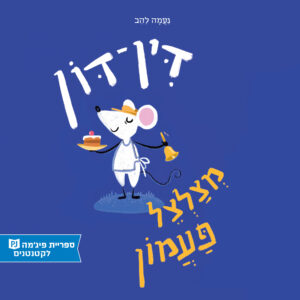 דין דון מצלצל פעמון
 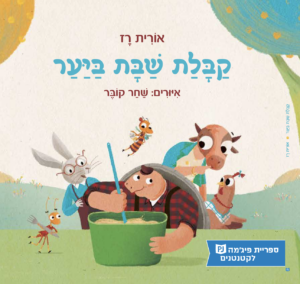 קבלת שבת ביער
 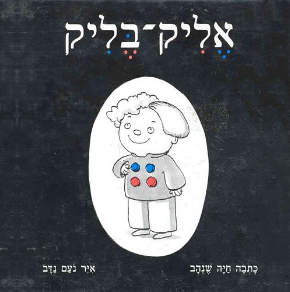 אליק בליק
 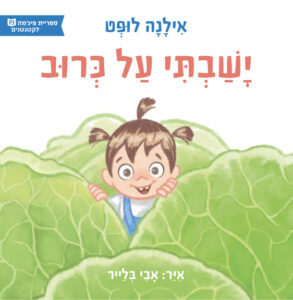 ישבתי על כרוב
 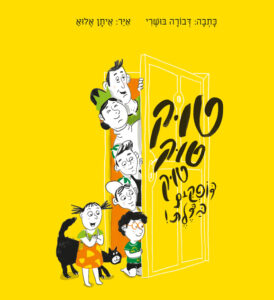 טוק טוק טוק דופקים בדלת
 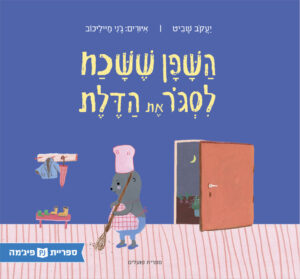 השפן ששכח לסגור את הדלת
 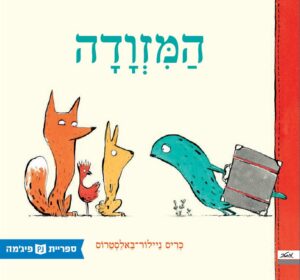 המזוודה
 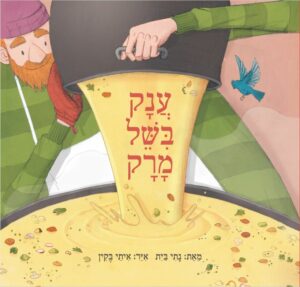 ענק בישל מרק
 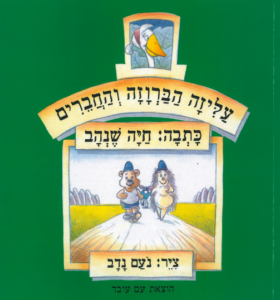 עליזה הברווזה וחברים
 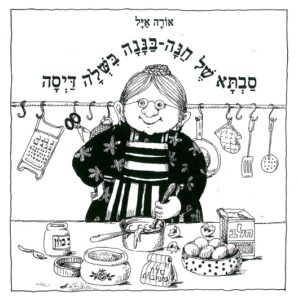 סבתא של חנה בננה בשלה דייסה
 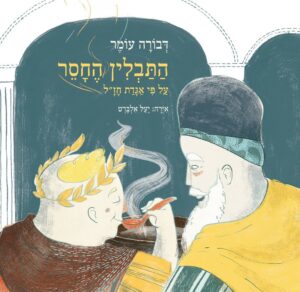 התבלין החסר
  תאכל מעיל, תאכל
  סבא בישל מרק
  מרק כפתורים