ספרים יפים ומגוונים מחכים לספר לכם על הבית שבחוץ ועל הבית שבלב, על הסביבה הקרובה המוכרת לילד וגם על זו הרחוקה יותר, על תחושה של בית ועל משפחה שגרה בבית, על שייכות ועל זהות.
בִּמְיֻחָד בִּשְׁבִילְכֶן! סִרְטוֹן הַדְרָכָה קָצָר עַל סֵפֶר 3 שֶׁבַּדֶּרֶךְ! 🎉❣️
כיצד לשלב את הספר באופן חווייתי עם ילדי וילדות הכיתה? מגוון רעיונות והעמקה שיהפכו את הקריאה לקסם!
תוכלו לשתף את הילדים בחוויות ממעברים שחוויתם בעצמכם, או להיזכר יחד במעבר משותף. אפשר לשאול את הילדים איך לדעתם הרגישה הילדה כשהגיעה בפעם הראשונה לבית הנמוך, איך הם היו מרגישים בִּמקומה, ומה היו אומרים לה לוּ פגשו אותה.
אפשר לעשות סיבוב קצר ליד הבית, בשעות היום או הערב, לשמור על שקט ולשים לב – האם אנחנו רואים בעלי חיים בסביבה? האם אנחנו שומעים קולות מיוחדים? מה ההבדל בין בעלי החיים שאנחנו רואים ושומעים ביום, לבין אלה שיוצאים בלילה?
ציירו יחד בית, כשכל אחד מוסיף חלק לציור. תנו חופש לדמיון וליצירתיות, בבית הזה הכול אפשרי. אולי בבית שלכם יהיו חלונות בצורת כוכבים? ואולי דלת מפרחים? או אפילו מגלשת מים מהגג! כשתסיימו תוכלו לדמיין יחד איך יהיה לגור בבית החדש שיצרתם.
מעברים ושינויים בסביבה כרוכים באתגרים רבים כמו פרדה מהמוכר, הסתגלות למציאות חדשה וביסוס שייכות. בספר עדין ונוגע ללב ילדה אחת מוצאת את הדרך שלה להתמודד עם הדברים בעזרת קשר עם חיות הבר שסביבה. הדאגה והטיפול בבעלי החיים מעניקים לה תחושת משמעות ומרחב להזדהות ולעיבוד רגשות.
לפני הקריאה כדאי להציג את הסופרת נורית זרחי. תוכלו להיעזר בקטע המידע המופיע בעמוד הפעילות שבסוף הספר, להראות תמונה ולקרוא או להשמיע את אחד משיריה, למשל "קילפתי תפוז". תוכלו לספר שנורית זרחי בעצמה חוותה בילדותה מעבר כאשר אביה נפטר במפתיע והיא עברה עם אימה לקיבוץ גבע.
לפני הקריאה הראשונה ניתן להטרים בשאלות שעוסקות בשם הסיפור ובכריכה:
מהו בית גבוה?
מהו בית נמוך?
מי מהתלמידים גר בבית גבוה? מי בנמוך?
מה היתרונות והחסרונות של כל אחד מהם?
לאחר השיח המטרים אפשר לשאול שאלות ניבוי אלו במהלך הקריאה הראשונה:
– אחרי שהאם אומרת "תסתכלי טוב" – אתם חושבים שהילדה תמצא משהו? מה לדעתכם היא תמצא?
שאלות ניטור הבנה:
מה חשבה הילדה על הבית הנמוך כשראתה אותו לראשונה? איך היא הרגישה לדעתכם?
למה החיות לא יוצאות ביום?
למה הן ברחו בהתחלה?
מה גרם לחיות להתקרב?
למה הילדה לא רצתה לחזור לבית הגבוה?
שאלות לשיח רגשי במפגשים חוזרים עם הספר:
בנושא מעברים:
עברתם פעם דירה? איך זה היה?
מה קשה או מאתגר במעבר דירה?
אילו דברים טובים או הזדמנויות יש במעבר?
מה הכוונה ב"להתרגל"? לאילו דברים צריך להתרגל? מה עוזר להתרגל?
מה גורם לכם להרגיש "בבית"?
קשר עם בעלי חיים:
טיפלתם פעם בבעל חיים? איך זה היה?
באילו אופנים אפשר לעזור לבעלי חיים?
איך קשר עם בעלי חיים יכול להשפיע על איך ההרגשה שלנו?
כיצד אפשר ללמוד על החיות המוזכרות בספר ועל סביבת החיים שלהן בצורה חווייתית? חלקו את הכיתה לקבוצות קטנות, שכל אחת מהן תחקור בעל חיים אחר – איפה הוא חי? באילו שעות הוא פעיל? מה הוא אוכל?
לאחר מכן אפשר להציג לשאר הכיתה את החיה בדרך יצירתית – מצגת/ פלקט/ דגם של הבית שלה, למשל מאורה, קן, מחילה.
הילדה בסיפור עורכת מסיבת פרדה מחיות הבר – רגע של סיום שמסמל שינוי והתחדשות. גם בחיי הכיתה תקופות של מעברים – עונה, חודש או תקופה– הן הזדמנות לעצור לרגע ולהביט על מה שהיה. אפשר לקיים פעילות שבה כל ילד משתף בדבר אחד שחלף ושהוא מודה עליו – חוויה, רגע או משהו שלמד– ולצד זה מאחל איחול אישי לעתיד. כך הילדים לומדים להוקיר את העבר, להיפרד ממנו בטוב, ולהתכונן לבאות עם תקווה וסקרנות.
אפשר ללמוד בכיתה על חיות בר ועל טיפול בהן דרך צפייה בסדרה "להציל את חיות הבר" מבית כאן חינוכית, או להיעזר בקטעי מידע באתר החברה להגנת הטבע, לדוגמה "מצאתי גוזל נטוש – מה עושים?" לאחר מכן תוכלו לעודד את הילדים להכין כרזות מידע בנושא ולפרסם אותן ברחבי בית הספר או בשכונה.
בקשו מהילדים להביא את העותק האישי שלהם מהבית, והתחילו זמן קריאה משותף שבו כל ילד וילדה מחזיקים בעותק שלהם. הילדים יכולים לחלק את העמודים ביניהם ולקרוא בעצמם או שאתם תקראו יחד איתם. בשיח שלאחר הקריאה מומלץ להיעזר בשאלות המוצעות בסוף הספר וגם בהצעות לצוותים.
סיור בבית
אפשר להתחיל את המפגש בסיור בבית שיערוך הילד המארח. לא חייבים להגיע לכל הבית, כדאי לשים דגש על פינות אהובות במיוחד ולפרט עליהן. לאחר מכן כל אחד מהילדים יוכל לשתף במקום האהוב עליו בבית שלו, איך הוא נראה ומה הוא אוהב לעשות בו.
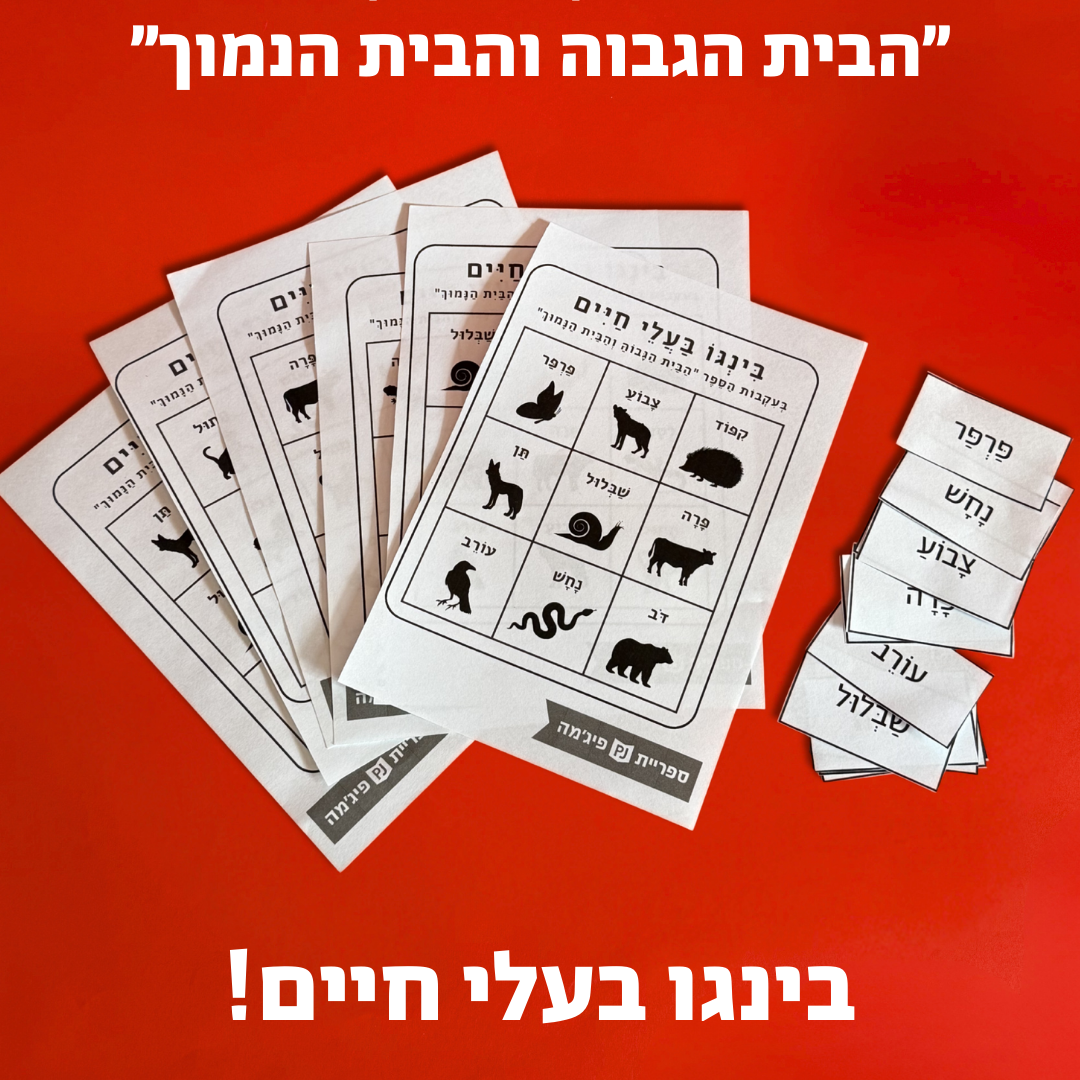
בינגו חידות בעלי חיים
הכינו לוחות בינגו או השתמשו בלוח המצורף עם שמות בעלי החיים המוזכרים בספר ובעלי חיים נוספים. חברו חידה לכל בעל חיים. לאחר שהילדים יגלו באיזו חיה מדובר הם יחפשו אותה בלוח שלהם. מי שימלא את כל הלוח יכריז "בינגו!" אפשר כמובן להמשיך ולשחק עד שנגמרות החידות.
כמה חדרים יש בבית שלכם? ומה עושים בכל חדר? כדאי להביט סביב ולחשוב: מה באמת אנחנו צריכים ועל מה נוכל לוותר? תוכלו לשוחח על הבית שלכם ועל בתים שבדמיון. אתם, ההורים, יכולים לספר לילדים על הבית שבו גרתם כשהייתם בגילם: במה הוא דומה ובמה הוא שונה מהבית שבו אתם מתגוררים כיום?
גם אתם יכולים להיות בנאים! תוכלו לבנות בית מקוביות לגו, מקופסאות קרטון, מכריות או מחומר אחר. אפשר לקשט את המבנה שבניתם ולכתוב בעזרת ההורים את שם הרחוב שבו הוא נמצא. ואת מי הייתם רוצים לארח בבית שבניתם?
הביטו באיור שבסוף הספר, ובו האיש מתגורר בחדר אחד: אילו פרטים הוא מכיל? האם הייתם מוציאים חלק מהפרטים ומביאים אחרים במקומם? אילו פריטים שנמצאים בבית שלכם הייתם מוסיפים לחדר שבאיור? תוכלו לערוך סבב שבו כל אחד ואחת מבני המשפחה בוחר פריט מהאיור ומחליט אם היה משאיר אותו בחדר המאויר, ואם לא – איזה פריט מהבית שלכם הוא היה מכניס במקומו.
הטרמה לסיפור – מה עדיף: בית עם מאה חדרים או בית עם חדר אחד? תוכלו לשוחח על כך עם הילדים והילדות ולספר להם שהסיפור שלפניהם מספר על איש עם בית כזה, בית שבו מאה חדרים. וכמה חדרים יש בבית שלכם?
עוצרים ושואלים – במהלך קריאת הסיפור כדאי לעצור ולשאול:
כשהאיש רוצה לאכול ארוחת ערב –
מה הוא צריך בשביל לאכול ארוחת ערב? איך הוא יכין את הארוחה?
כשהאיש מביט החוצה דרך החלון –
מה לדעתכם הוא צריך לעשות?
בעקבות הסיפור ניתן לשוחח עם ילדי וילדות הגן על הנטייה לרצות עוד ועוד – למה אתם חושבים שהאיש רצה מאה חדרים? מה הוא גילה בסוף?
כדאי לשוחח על כך ולהביא דוגמאות מעולמם של ילדי הגן: האם גם לכם קרה שרציתם עוד ועוד ממשהו?
נשוחח על האושר שבו זכה האיש כאשר ויתר על החדרים הרבים וזכה בשכנים חדשים.
תוכלו לשוחח גם על הבתים של ילדי הגן: האם יש חדרים שמיועדים לפעילויות מסוימות? האם בכל החדרים אפשר להתקלח או לבשל? האם בכל החדרים אפשר לשחק? מה אתם עושים בחדר השינה או בסלון?
גיוון משפחתי – חשוב מאוד לקבל ולתת מקום למגוון ולשוני בין המשפחות ולשוחח על כך, שהרי לכל משפחה מנהגים וכללים משלה המתאימים לה.
חדר חושך – חדר חושך מעוצב באופן כזה שלא מתאפשרת כניסה של אור לתוכו, והוא משמש צלמים לעיבוד חומרי צילום. בעקבות שאלות הילדים נבנה בגן "אילות" שבמודיעין חדר חושך עם ייעוד מיוחד.
חדר אומן – משמש אומנים ליצירה. ניתן לחשוף את הילדים והילדות לאומנים ולחדרי הסטודיו שלהם. רצוי להקים בגן "גלריה", להציג בה יצירות מתחלפות ולהכניס לתוכה אביזרים למשחק סוציו-דרמטי של הילדים כאומנים.
חדר פלאות – מקור המוזיאון במאות 16-17 באירופה, כאשר אנשים אמידים אספו חפצים מיוחדים והציגו אותם בבתיהם בחדרים שיוחדו לכך. אפשר להזמין את הילדים להביא לגן פריטים מיוחדים וליצור תערוכה ב"חדר פלאות".
"חדר אינסוף" – האומנית יָאיוֹי קוּסָמָה יוצרת אשליה של חדרים אינסופיים על ידי שימוש במראות. בהשראתם הקימו ילדי גן "תאנה" שבחדרה עם צוות הגן "חדר נקודות".
בתים ושבילים: תוכלו לערוך מפגש הורים וילדים בנושא "מאחורי הדלת שלנו". אפשר להכין מפה גדולה של השכונה. כל הורה וילד יכינו מגזירי עיתונים קולאז' של הבית שלהם. את הבתים ידביקו על המפה והוסיפו שבילים שמובילים בין הבתים השונים ובין הבתים אל הגן. התוצאה תקשט את קירות הגן.
משחק כרטיסי מסלול אל הבית של סבתא: מכינים יחד עם הילדים כרטיסים מצוירים שמציינים צורות התקדמות שונות: סיבוב, קפיצה על רגל אחת, זחילה, הליכה לאחור… מזמינים את אחד הילדים ליצור מסלול של כרטיסים על רצפת הגן או בחצר, והילד הבא בתור צריך לבצע את המסלול לפי ההנחיות המצוירות על הכרטיסים.
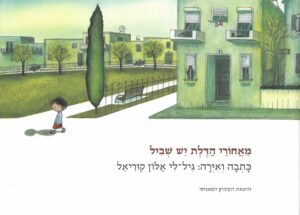
הצל שלי ואני: גיבור הסיפור מתאר את הצל שלו שמלווה אותו בדרך לסבתא. אפשר לשוחח עם הילדים, מהו צל? כיצד ומתי הוא נוצר? אפשר לצאת לחצר בשעות שונות של היום, לחפש מתי מופיע הצל ולהזמין את הילדים לצייר את הצל של חבריהם!
מה עושים עם סבים ודודים? בעקבות הסיפור תוכלו להזמין סבים או דודים למפגש מיוחד בגן, בו הילדים ובני משפחתם יספרו על בילויים אהובים עליהם, יקראו יחד ספרים, וכל קהילת הגן תחגוג יחד את ההנאה שבקריאה. כדאי לשתף את הילדים בתכנון המפגש!
כדאי לקרוא יחד את הסיפור, לעיין מקרוב באיורים ולהבחין בפרטים הרבים שנמצאים בהם. תוכלו לחפש בכל עמוד את אבא והכלב שמלווים את הילד בדרך. האם משהו באיורים שעשע אתכם? האם הצלחתם לנחש לאן הילד הולך?
כשהבית של סבתא כבר קרוב, מתחיל הילד לספור מאחת עד עשר. אפשר לחפש יחד את הסְפָרות שהחביאה המאיירת באיורים. האם שמתם לב להתאמה בין מספר החפצים באיור למספר אותו מציין הילד כשהוא סופר? תוכלו לספור כמה קוקיות יש לילדה? כמה ציפורים היא מאכילה? כמה חתולים מוצעים למכירה?
מה רואים באיור ביתהּ של סבתא כשנפתחת הדלת? מה ומי ממתינים לילד? אפשר לשאול את ילדיכם, מה לדעתם יעשה הילד בביקור אצל סבתא? מה הוא יאכל, במה ועם מי הוא ישחק? בעזרת בובות אפשר להמחיז את המפגש בין הילד לבין סבתא ולהמציא המשך לסיפור.
כדאי לצאת יחד מהבית ולהביט סביב במבט חדש: איך נראית הדלת שלכם, ואיך הידית? האם גם לכם יש שביל מאחורי הדלת? צאו מהבית, עמדו והקשיבו, האם ניתן לשמוע מכוניות נוסעות? האם אתם שומעים ציפורים מצייצות או יללה של חתול? מה אתם מריחים באוויר? אילו אנשים עוברים על פניכם? אפשר לשחק במשחק ניחושים: כל אחד בתורו מתאר את המראה או הצליל של משהו שהוא פגש בדרך, והשני מנסה לזהות מהו.
בעמוד האחרון של הספר מצוירת מפה בצורת לב, שבה רואים את הדרך מהבית של הילד לבית של סבתא. אפשר לשרטט עם ילדיכם מפה בצורת לב או בצורה אחרת של הדרך מהבית שלכם אל הגן.
לא תמיד אפשר להגיע בהליכה לסבתא, לקרוב אהוב או לחבר. לפעמים המרחק גדול מדי. איך אתם שומרים על קשר? אפשר לחשוב עם הילדים על דרכים לשמור על קשר – שיחת טלפון, שליחת תמונות או סרטונים, מכתב או ברכה מצוירת.
מה נשמע: בעקבות הסיפור אפשר לשוחח עם הילדים על רעשים, נעימים ומפריעים. אפשר לשבת בשקט-בשקט ולהקשיב – מה שומעים? תוכלו לצאת לחצר, שוב לשמור על שקט ולהאזין – מה שומעים?
"תזמורת הרעשים"- הזמיני ילד להשמיע צליל מסוים ולחזור עליו שוב ושוב. הציעי לילדים לזמזם/ לרקוע ברגליים/ למחוא כפיים/או כל רעיון אחר. על פי התור יצטרפו ילדים נוספים להשמיע עוד קולות שונים. עד שנוצרת תזמורת רועשת במיוחד. ועכשיו קחי את שרביט הניצוח: סמני בידייך לתזמורת הילדים להגביר או להנמיך את הצלילים, ואף להשתיק אותם בפתאומיות. לאחר תרגול אפשר להעביר את שרביט הניצוח גם לאחד הילדים.
"להיכנס לנעליים שלו" – אפשר להסביר לילדים את המושג "להיכנס לנעליים של האחר". תוכלי להביא זוגות נעליים שונות שמתאימות לדמויות מהסיפור ולבקש מהילדים להיכנס כל אחד לזוג נעליים אחד ולהביע את עמדת הדמות בשפה שלו.
תרגיל בשכנוע – מומלץ לחשוב על הזדמנויות קטנות במהלך שגרת הגן, בהן ניתן לתת לילדים חופש בחירה לגבי פעילות כלשהי. חפשי הזדמנות לבחירה וקבלת החלטה של ילדי הגן בין שתי אפשרויות לפעילות, למשל: מה נכין- סלט ירקות או סלט פירות? הזמני שני ילדים לשכנע את הקבוצה, כל אחד בעד אפשרות אחרת. לאחר מכן אפשר לערוך הצבעה ולקבל החלטה משותפת. זו הזדמנות לשוחח על הכרה בדעות מנוגדות, על קבלה וכבוד להחלטת הרוב, ועל ביטוי ועמידה על דעת היחיד.
לומדים לרקום! האיורים הייחודיים של הספר מזמנים התנסות במלאכת הרקמה- מלאכה עתיקה ויפה במיוחד. מכינים שלט לבית המשפחה עם עיטור של רקמה:
קחו בריסטול וגזרו אותו בצורה רצויה. סביב לבריסטול חוררו חורים באמצעות מחורר, במרווחים שווים. כעת משחילים חוטי צמר צבעוניים בחורים, כמו בעבודת הרקמה. במרכז השלט אפשר לכתוב: "כאן גרים בכיף" ואת שם המשפחה של הילד.
שכנים ומקצועות – אפשר לשוחח בעקבות הסיפור על המקצועות השונים של השכנים בשכונה. אפשר לשלוח את הילדים לחקר קטן בבית: במה ההורים עוסקים? איזה קולות ותנועות עושים בעבודה הזו? הילדים יכולים להציג בפנטומימה את המקצוע של ההורים ושאר ילדי הגן ינחשו.
איך נראית השכונה שלנו? אפשר לבנות עם הילדים דגם של השכונה מקוביות או קרטונים, או לשרטט אותה בציור רצפה ענק משותף. נסו לציין מקומות חשובים בשכונה: מבני ציבור, גן שעשועים. ציינו שמו של רחובות השכונה. לקראת סוף שנת הלימודים בגן, ניתן לאסוף תמונות משפחתיות של הילדים, וליצור בגן קיר "השכונה שלנו"- עם בניינים שמכל חלון מציצה תמונה של משפחה אחרת, וכמה מילים על המשפחה מתחת לחלון.
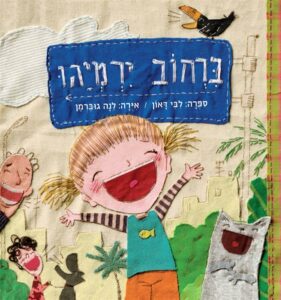
כדאי לדפדף בספר, לעיין מקרוב באיורים המיוחדים של לנה גוברמן ולקרוא יחד גם את המילים והשלטים שמופיעים בהם. האם משהו באיורים שיעשע אתכם? האיורים עשויים מבדים צבעוניים ומחוטי תפירה וסריגה. אפשר לחפש פיסת בד או גרב ישן, לגזור, להדביק ולתפור מהם יצירה מיוחדת משלכם.
אפשר לשוחח יחד על הדרישה של משפחת חרובי לשקט ועל התגובות של השכנים. האם התבקשתם אי פעם לשנות את המנהגים שלכם כדי להתחשב בבני משפחה אחרים או בשכנים? האם הבקשה נראתה לכם סבירה או מוגזמת? בעקבות הסיפור תוכלו להיזכר בשכנים שלכם. את מי לא ראיתם זמן־מה ותרצו להזמין לביקור?
רוצים לשחק ב׳משחק השקט׳? אתם מוזמנים ללחוש זה לזה, לשחק בדממה, ללכת על קצות האצבעות, לאכול בשקט ואפילו לנסות לצחוק ללא קול. האם הייתם מצליחים לעבור את ”מבחן השכנים השקטים“ של משפחת חרובי?
כדאי לצאת לטיול בשכונה. איך היא נראית? מי השכנים שלכם, והאם אתם מכירים את כולם? האם אתם מבלים יחד, עוזרים זה לזה? אפשר לשרטט או להכין יחד דגם של השכונה שלכם ולהוסיף מי גר בכל דירה או בית.
אפשר לשוחח עם בני משפחה ולשתף את השכנים: האם משהו דורש שיפור או תיקון במרחב המשותף שלכם? תוכלו ליזום פעילות שכונתית, למשל טיפוח וקישוט של חדרי המדרגות, הקמת גינה קהילתית, עזרה הדדית בקהילה. גבשו תוכנית פעולה וצאו למשימה.



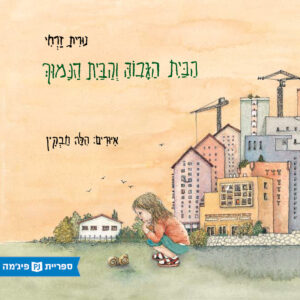 הבית הגבוה והבית הנמוך
 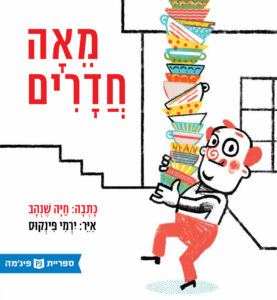 מאה חדרים
  מאחורי הדלת יש שביל
  ברחוב ירמיהו