בעקבות ההאזנה בבית, תוכלו להמשיך את הפעילות במגוון דרכים, למשל:
שעת כושר – גמישות! כמו הקנה תוכלו לבצע עם הילדים בזום תרגילים שונים לשיפור הגמישות. תוכלו להשתמש בתרגיל המפורט בקישור. רעיונות לתרגילים נוספים תוכלו לבקש מהמורים לחינוך גופני או להיעזר ברחבי הרשת, לדוגמה לכאן חינוכית.
משחק תנועה – קנה וארז. תוכלו לשחק בזום משחק תנועה בסגנון "משחק הפסלים". השמיעו מוזיקה נעימה והזמינו את הילדים להתנועע עם גוף רפוי וגמיש כמו הקנה. ברגע שתעצרו את המוזיקה עליהם "לקפוא" במקום ולא לזוז כמו הארז. בהמשך, אפשר לחלק את הכיתה לפי מאפיינים שונים קיימים ברגע שהמוזיקה עוצרת, ולומר – "כל הבנים קנה וכל הבנות ארז" או – "כל מי שאוהבים עגבניות" או "כל מי שיש להם אחים קטנים" ועוד….
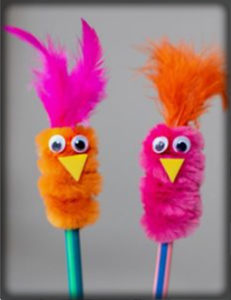
בדף הפינטרסט של הספר תוכלו למצאו רעיונות לפעילויות יצירה שונות בנושא גמישות, אותן ניתן לבצע יחד בזום או מרחוק, כל ילד בביתו. את התוצרים הילדים יוכלו להציג במפגש הזום הבא, או להעלות ללוח שיתופי. למשל, אפשר להכין מחומרים ביתיים מר גמיש, להפחתת לחצים.
אפשר לשוחח על גמישות ועל יציבות בחיים. כדאי לשתף בדוגמאות מחיי היום-יום במצבים שבהם אנחנו מתנהגים כמו ארז ולא מוכנים לזוז מעמדתנו, ובמצבים שבהם אנחנו גמישים ומשנים את התנהגותנו או את דעתנו – מה קורה כשמסתבר שהרצונות שלנו לא יכולים להתמלא כפי שציפינו?
יושבים על הברכיים, זה מול זה, . שואפים אוויר פנימה ומרימים את הזרועות לצדי הגוף עד שהן מגיעות למעלה. לאחר מכן נושפים את האוויר החוצה תוך הורדת הזרועות קדימה. כדאי לתרגל קצת בכל פעם ולהוסיף תרגילים נוספים. לבריאות!
מה ההפך של קנה? – ארז! ומה ההפך של חם? – קר! וההפך של ישן? גמיש? יציב? חמוץ? תינוק? – כל אחד מהמשתתפים אומר בתורו מילה, והשאר צריכים למצוא את המילה ההפוכה. ומה ההפך של… הפוך?
כיצד כדאי לקרוא? סיפור בקריאה משתפת וחוזרת! "הקנה והארז" הוא סיפור מחורז ומהנה. הוא מתאים מאוד לחוויית קריאה חוזרת ופעילה בזכות שלל רובדי השפה והמילים המיוחדות שבו.
קריאה חוזרת היא קריאה שנייה שנלווים לה שיח, התבוננות באיורים והבהרת פירושי מילים. מה היא מפתחת? היא מעודדת השתתפות של הילדים בתוכן, בפרשנות ובהסקת מסקנות וכך מזמנת היכרות עם נקודות מבט שונות ותורמת לפיתוח חשיבה אנליטית ויצירתית.
במהלך הקריאה:
כדאי לייצר הפוגות נקודתיות וקצרות, שכן המטרה היא לגייס את התלמידים לסיפור ולהעלות את רמת העניין והמתח בו מבלי לפגום ברצף הסיפורי.
תוכלו "לסמן" יחד מילים לאורך הסיפור לחקר משותף בהמשך: המילה "רָצוּץ", לדוגמה, מתארת את הקנה ומרמזת לביטוי "מִשְׁעֶנֶת קָנֶה רָצוּץ", שמציין דבר רעוע שלא ניתן לסמוך עליו. כדאי להסביר את המילה בעזרת קנה דק ושבור ולחבר יחד משפטים שהמילה "רצוץ" מופיעה בהם, למשל: "התעייפתי מאוד, אני רצוץ וחייב לנוח" או "אי אפשר לסמוך עליו, הוא לא יכול לעזור לנו. לסמוך עליו זה כמו להישען על קנה רצוץ".
אפשר להביא לכיתה קנה גמיש וענף קשיח, לתת לתלמידים למשש אותם ולחוש אותם ואז לערוך יחד בֶּדק והשוואה: אילו תכונות יש לארז? ואילו תכונות יש לקנה? האם ניתן לכופף את שניהם? האם הם נשברים? פעילות זו יכולה לשמש גם הטרמה לסיפור.
להתעקש או להתגמש? – הסיפור נכתב בהשראת הביטוי התלמודי: "לְעוֹלָם יְהֵא אָדָם רַךְ כְּקָנֶה וְאַל יְהֵא קָשֶׁה כָּאֶרֶז". תוכלו לשאול: איזה מין אדם מתואר כרך וגמיש כקנה? איזה מין אדם מתואר כקשה כארז? האם, לדעתכם, ציפורה עקשנית או גמישה? מתי אתם מתנהגים כמו קנה יותר מאשר ארז ולהפך?
אפשר לחשוב יחד לאילו מצבים הביטוי מתאים ולשלב אותו בשיח היומיומי בכיתה. חשוב לעמוד על כך שבמצבים מסוימים עדיף לנהוג בעיקשות כשל הארז, ובמצבים אחרים – בגמישות כשל הקנה מתאימה יותר.
בחירות אישיות ואי-הסכמה – תוכלו להתבונן יחד בהתנהלות השונה של ציפורה ודרורה ובאי-ההסכמות ביניהן ולהסתמך על ציטוטים מהסיפור. זוהי הזדמנות מופלאה ללמוד כיצד להתנהל באי-הסכמה עם חבר, כיצד להתווכח באופן שמכבד דעות או בחירות מנוגדות, כיצד לנהוג כשמעליבים חבר – האם להתגמש או דווקא לעמוד לצידו ולנהוג כארז?
פעילות עימות – ניתן לבחור נושא הקרוב לליבם של התלמידים ולהתחלק לשתי קבוצות, למשל: חובבי חורף וחובבי קיץ או כל נושא שקשור לעולמם של הילדים ומעסיק אותם. כל קבוצה תוכל להכין ציורים ושלטים שמתאימים לעמדה שלה ולגבש יחד טיעונים לחיזוק העמדה ואז לנהל בין הקבוצות עימות מכבד ומפרה שיטפח גמישות מחשבתית ויותיר תחושת עשייה מרגשת.
תנוחות שונות – אפשר לעמוד יציבים וחזקים כארז ואז להתנועע בְּרַכּוּת כמו קנה. במהלך התרגילים כדאי לבדוק מתי סייעה להם היציבות ומתי הגמישות? אילו תרגילים מהנים יותר?
יצירה – ניתן ליצור עם חומרים קשיחים, כמו בקבוקים, ולעטר עם חומרים רכים, כמו פלסטלינה. בזמן היצירה אפשר לחוש בידיים את ההבדל בין החומרים, אך לפני כן תוכלו להקדים ולשאול: האם ראיתם פעם פלסטלינה נשברת? מה יקרה אם נזרוק אותה על הרצפה? ומה יקרה אם נעשה זאת לבקבוק הזכוכית? האם ניתן לייצב חפץ דווקא בעזרת פלסטלינה?
מיון חפצים וחומרים – ניתן להביא מהבית ומהסביבה עוד חומרים או חפצים, למיין אותם לקשיחים ולגמישים ולהניח אותם בתיבת מיון ייעודית.
גמישות מחשבתית מעצימה את היכולת להתמודד כראוי עם שינויים סביבתיים ועם חוויות אישיות ותורמת לכישורים החברתיים. ניתן לטפח אותה באמצעות משחקים שונים, כגון:
משחק כרטיסיות – הפעלת הדמיון ודיון בקבוצות קטנות:
על גבי הכרטיסיות מציינים מצבים שונים במלל או בתמונות ועל התלמידים להעלות פתרונות. לדוגמה, שתי כיתות רוצות את המגרש באותו הזמן. מה ניתן לעשות?
משחק המילים "כן/לא/שחור/לבן" בהיפוך: התלמידים נשאלים שאלות, אך אינם יכולים להשתמש במילים הללו כתשובה. הם נדרשים להגמיש את מחשבתם ולמצוא מילים חלופיות.
כדאי לקרוא את הסיפור בקבוצות קטנות. האם ילדי הגן מצפים יחד עם שלושת האחים למצוא באדמת השדה אוצר במובן המוכר של המילה – אוצר פיזי בדמות מטבעות זהב? אפשר לשאול אותם מה הם היו שמחים למצוא בשדה. כדאי להשוות את תגובותיהם בהאזנה הראשונה לסיפור ובקריאות חוזרות.
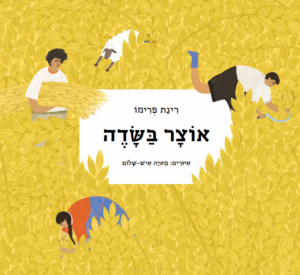
כדאי להתבונן יחד עם הילדים באיוריה הנפלאים של מאיה איש-שלום ולעקוב אחר בעלי החיים שמופיעים במקומות מעניינים לאורך הסיפור. לאחר הקריאה הילדים יוכלו גם הם לצייר תמונות בגווני צהוב, זהב וחום.
ילדים רבים עסוקים בנושא "אוצרות". תוכלי להכין ולקשט עם הילדים תיבות אוצרות מחומרים ממוחזרים, בהן יוכלו לשמור חפצים קטנים. אפשר גם להזמין אותם להביא לגן "אוצרות" מן הטבע אותם מצאו בחוץ, ולהקדיש להם פינה מיוחדת.
הסיפור מלמד כי אוצר אינו תמיד חפץ. תוכלי להזמין את הילדים לציין את הדבר המייחד, או ה"אוצר", שבחברים בגן. אפשר לשבת במעגל ולבקש מכל אחד לאמר משהו יקר ומיוחד בחבר שיושב לצידו. תרשמי את דברי הילדים זה על זה, ואל תשכחי לפרסם את "רשימת אוצרות הגן" על לוח ההורים!
"זה מה שאבא היה עושה": במשפט זה שנאמר על ידי האחות הנבונה גלומה החכמה העתיקה של למידה מניסיונם של מי שקדמו לנו – הורים, סבים ודורות קודמים. אפשר להציג תערוכה בגן של פתגמים וסיפורי משפחות שעברו מדור לדור.
בעקבות הסיפור אפשר לזרוע חיטה ולעקוב אחר הגידול, ולהמשיך את התהליך בקציר, טחינת גרגרי החיטה הבשלים לקמח ואפייה. (באתר גנ-נט ובאתרים נוספים אפשר להתרשם מחוויות אלה וללמוד מניסיונן של גננות רבות).
במשך שנה, מסוף הקיץ לסוף הקיץ, האחים עובדים ומצפים לצמיחת החיטה ולשובו של אביהם. גם בספר "העץ המופלא" פגשו ילדי הגן בערכים דומים: הרווח שיש בשיתוף פעולה ובדחיית סיפוק ועשייה סבלנית. תוכלי לחזור להצעות לפעילות בספר זה ובספרים נוספים כמו "זרע של גזר".
כדאי להתבונן יחד באיורים, שם מופיעים פרטים רבים שאינם מוזכרים בסיפור. מה האחים אוהבים לעשות בזמן שאביהם עובד בשדה? מה עושות החיות בסיפור? אפשר לחפש את האיור שבו האבא מספר כי אינו זוכר איפה טמון האוצר. מה מדמיינים הילדים שימצאו שם? תוכלו לשאול את ילדיכם מהו "אוצר" בעיניהם ומה הם היו מקווים למצוא בשדה, לו הבטיחו להם אוצר?
ילדיכם יכולים לעבוד את האדמה, אפילו בבית! תוכלו להנביט יחדיו זרעים או לשתול פקעות, גלעין אבוקדו או תפוח אדמה בתוך עציץ או באדמה. משקים, מטפחים ועוקבים אחר הצמיחה. זה דורש מאמץ ושיתוף פעולה, אך כמו בסיפור – אולי בסוף גם בעציץ שלכם יצמח לו "אוצר"?
אוצר בבית! תוכלו להציע לילדים להכין קופסת אוצרות משלהם. אפשר להחביא את האוצר באחד מחדרי הבית ולשחק "חפש את המטמון". מכינים פתקים עם רמזים ומפתק לפתק הילדים מתקרבים אל האוצר שהחבאתם.
"עובד אדמתו ישבע לחם" (משלי כח 19): בשדה האחים חורשים, זורעים, קוצרים… בשפה העברית יש הרבה מילים המתארות את עבודת האדמה! תוכלו לעיין באיורים, לזהות יחד איזו פעולה מתבצעת בכל תמונה ולהשוות בין כלי העבודה – אז והיום.
הסיפור מתאר לנו את עונות השנה המתחלפות: האם ילדיכם יודעים איזו עונה הכי מתאימה לזריעה ולקציר? איזו עונה אהובה עליכם ועל ילדיכם ומדוע? הציעו לילדים לצייר את עצמם בעונה האהובה עליהם.



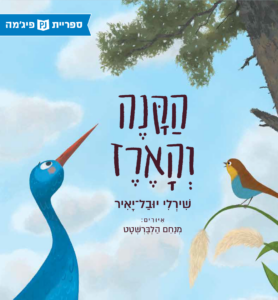 הקנה והארז
  אוצר בשדה